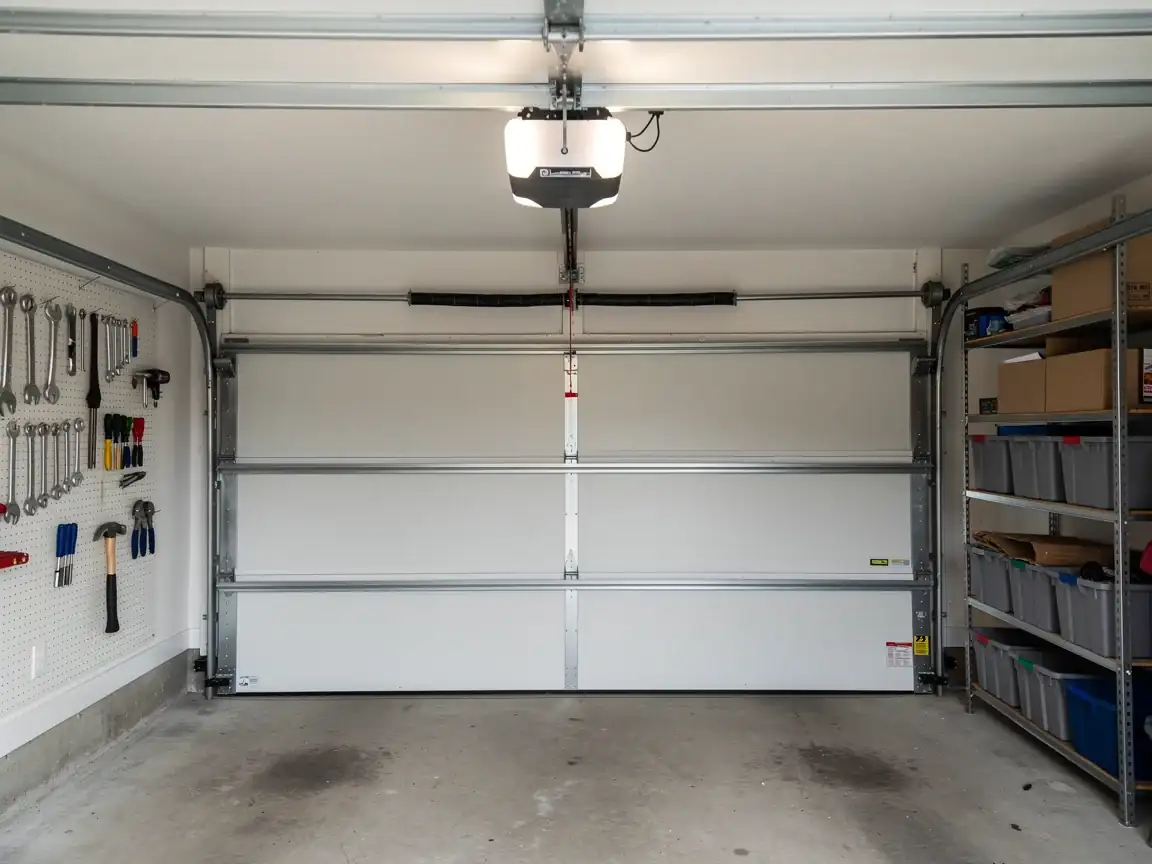
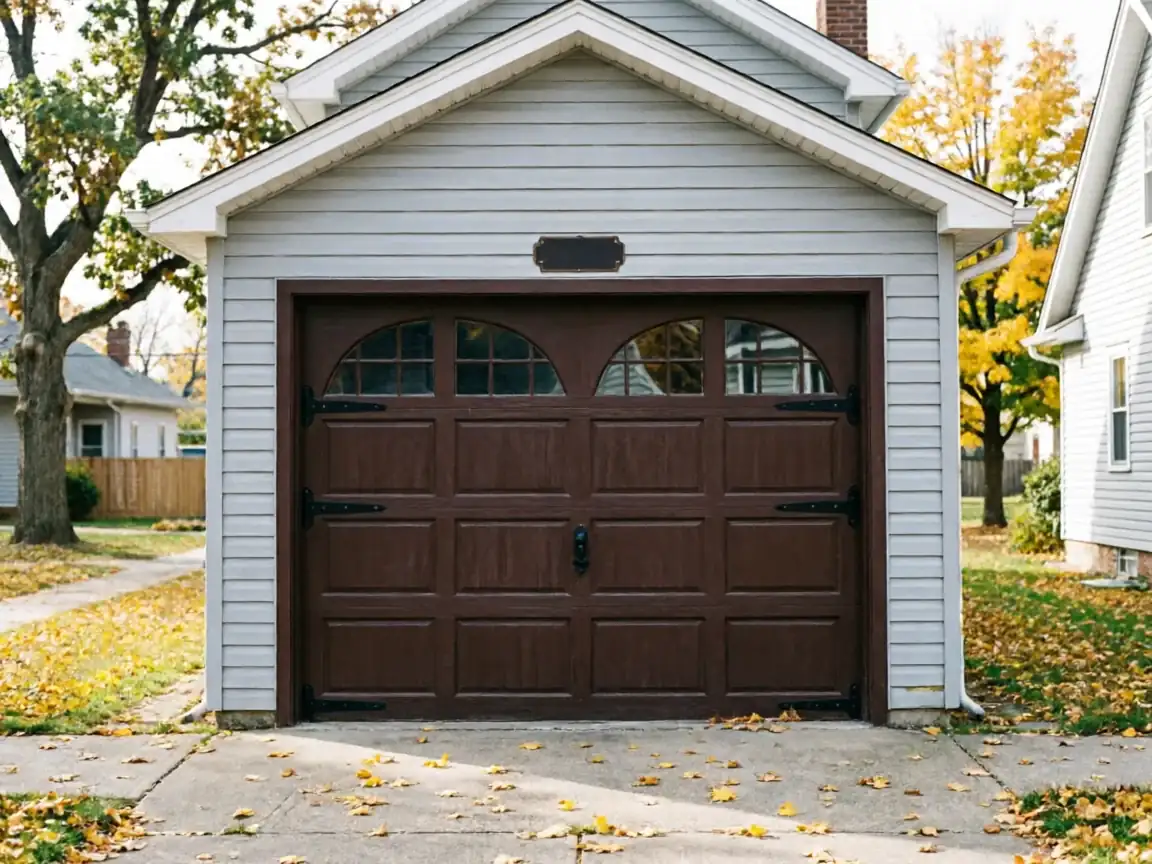
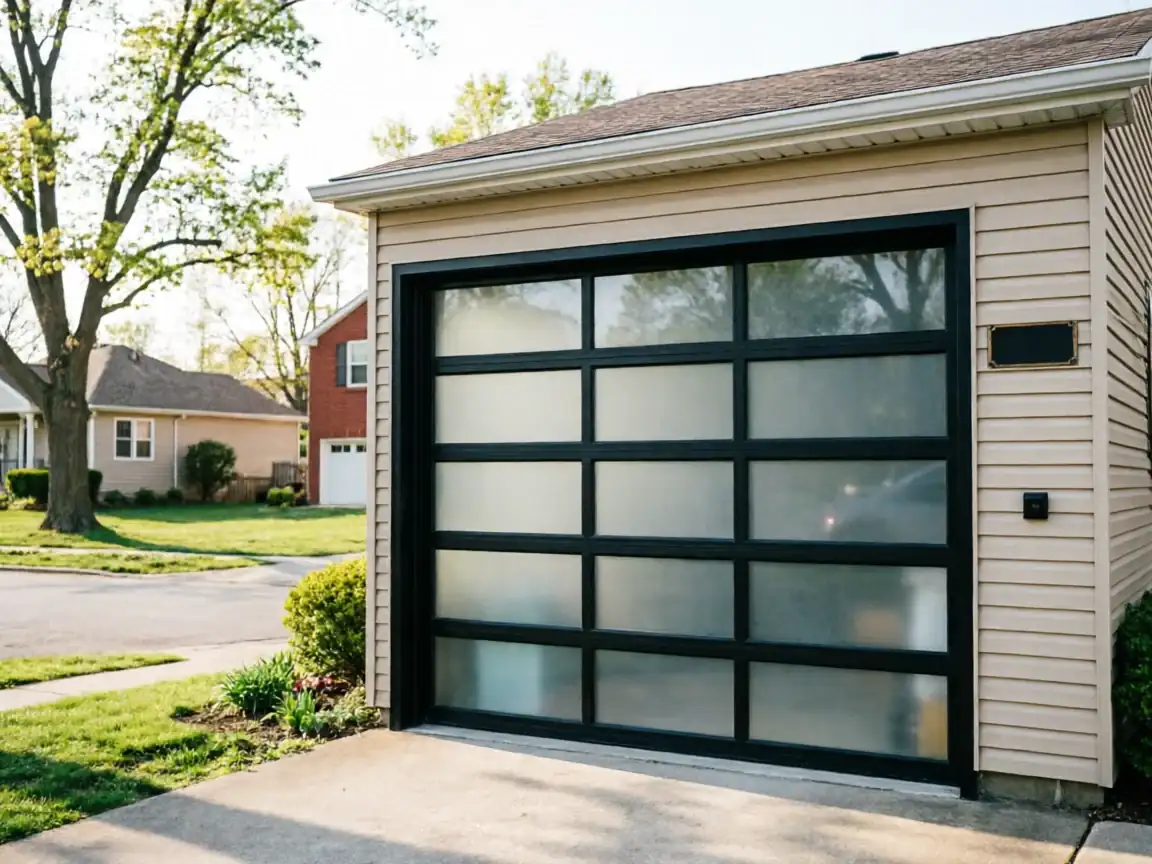
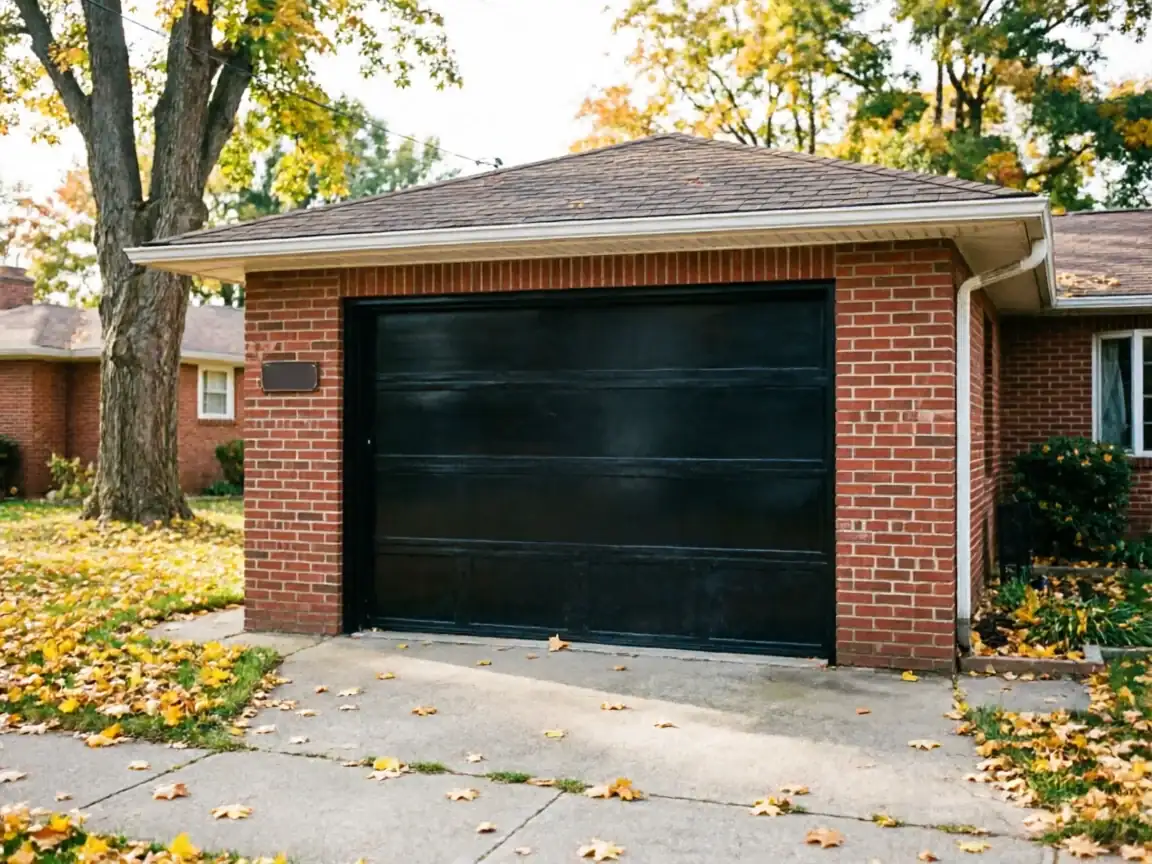
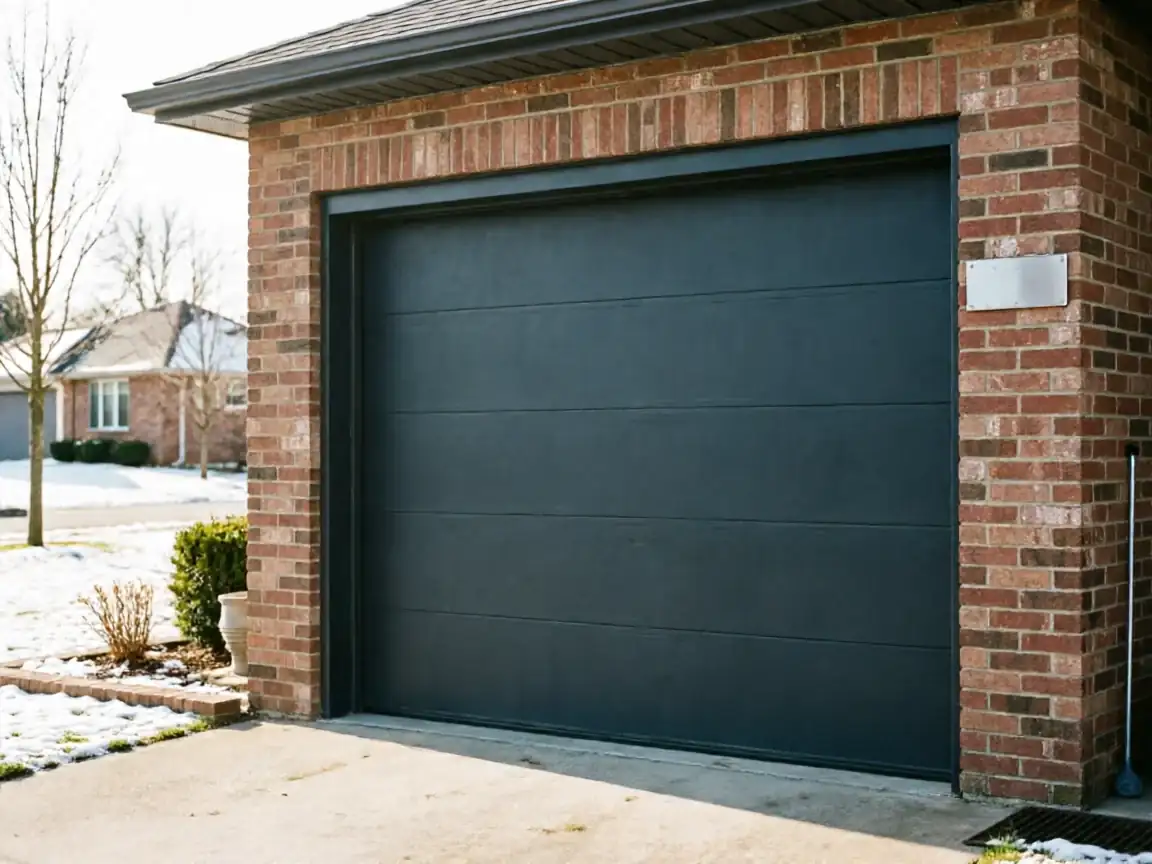
Garage door repair and install for Amherst homes, most built around 1971. Lorain Garage Door Pros travels the 4 miles out for springs, openers, and panels.
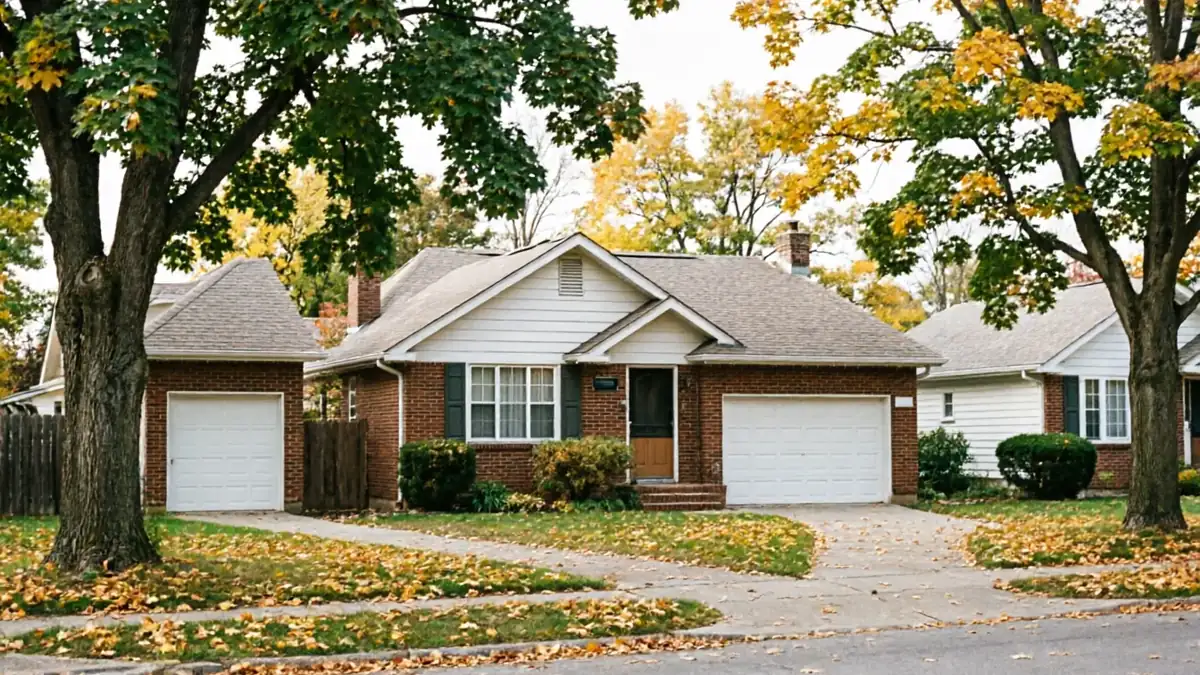
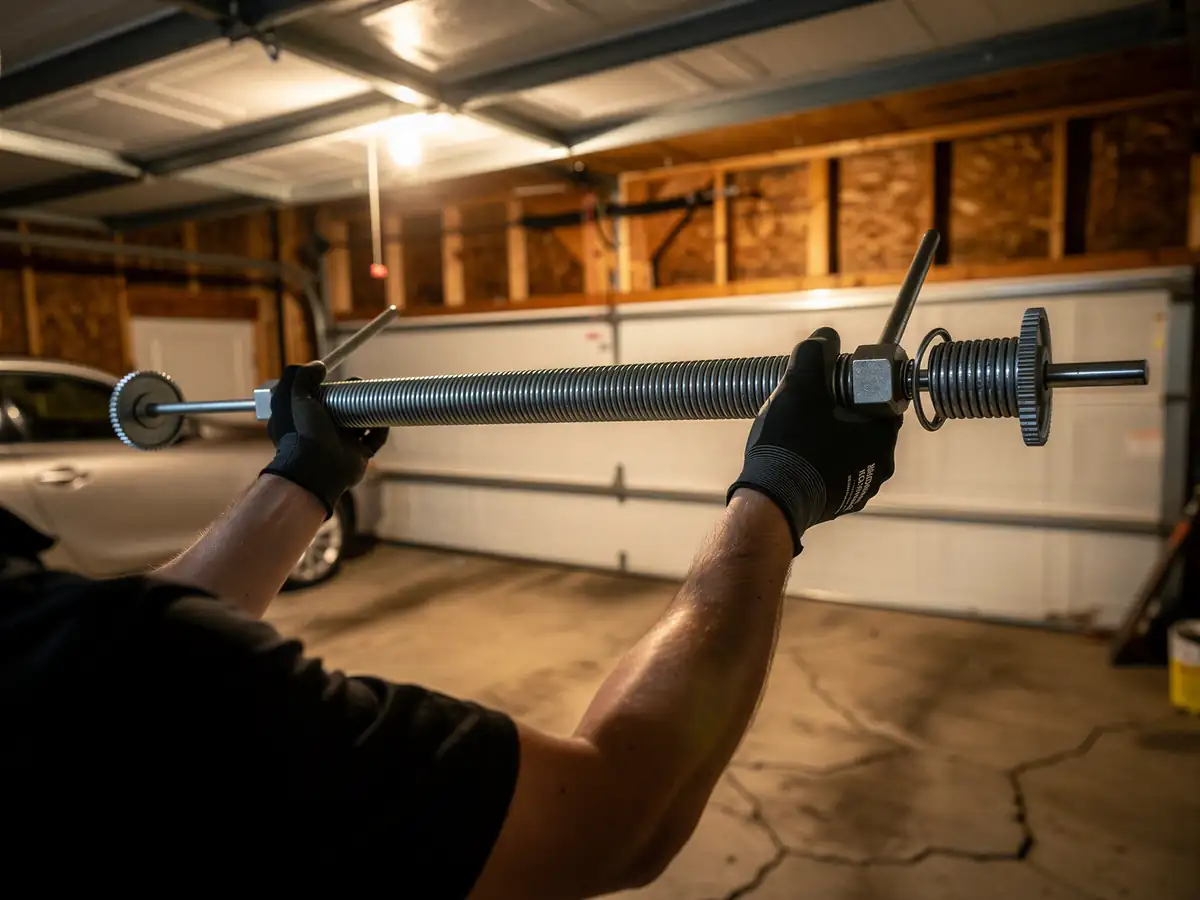
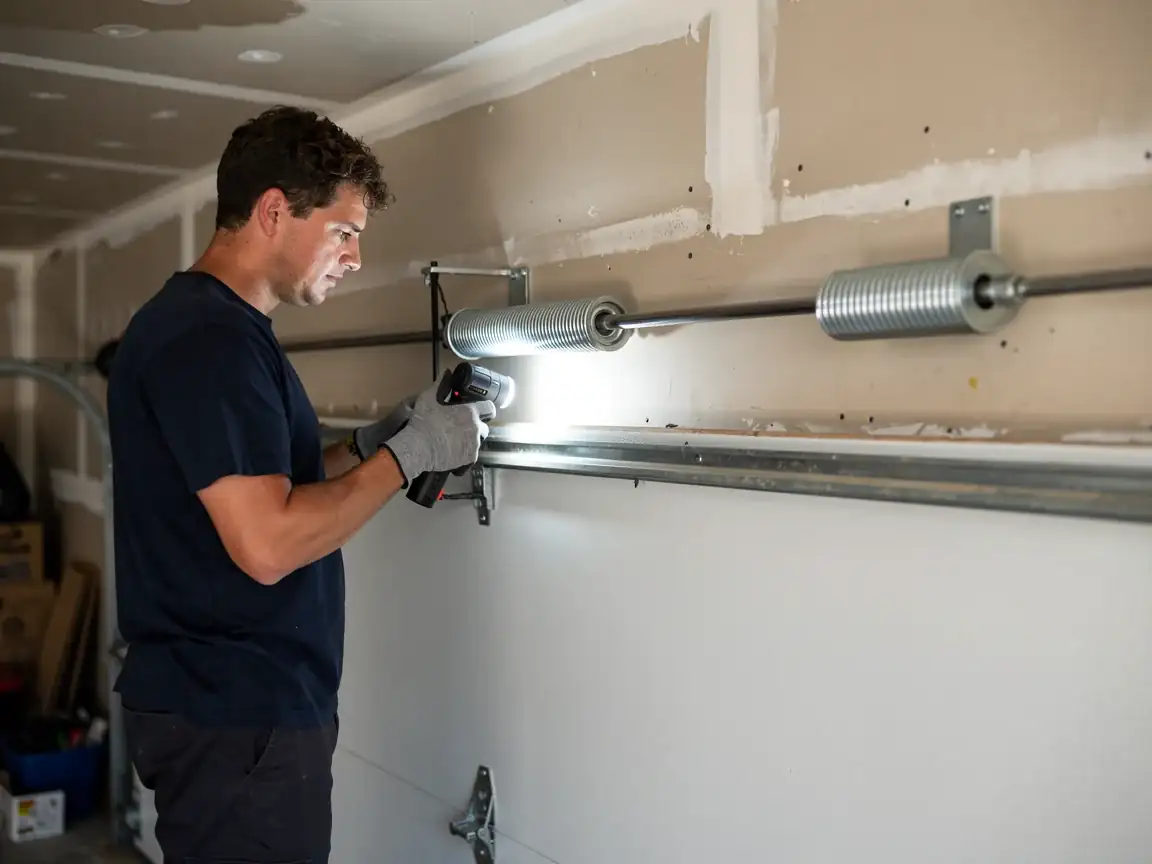
Amherst's housing stock centers on 1971, a few years newer than the broader Lorain service area median of 1968. That gap matters more than it sounds. Houses built right around 1971 were going up just as torsion spring setups and factory-built steel doors were replacing a lot of the older plank and panel styles still common in the earlier-platted parts of the region. What that means on a service call: fewer of the oddball one-piece doors we still run into on 1940s stock, more of the sectional steel doors with torsion springs mounted on a center bracket above the opening. The springs on doors from this era are now past their rated cycle count in most cases, since a torsion spring is good for somewhere around 10,000 cycles and a door installed new in 1971 has had five decades to rack those up. We also see more second-generation openers here, meaning the original chain-drive unit got swapped once already, sometimes with mismatched hardware left behind. None of this is unique to Amherst, but it's a different mix of problems than you'd find on a street built in the 1940s.
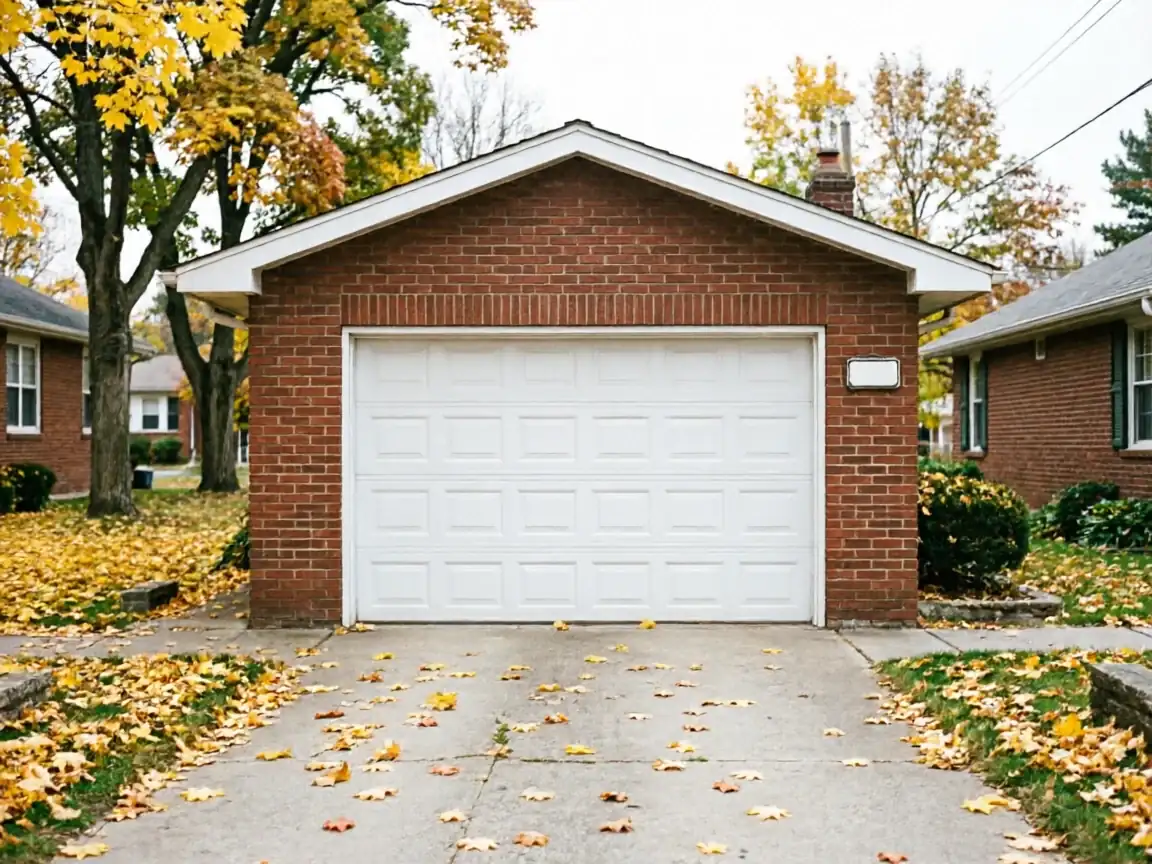
The Houses Here
Amherst runs about 4,854 households, smaller than the wider Lorain-area service footprint of 120,268. Median household income here sits at $93,043, above the broader service area figure of $86,893, which tracks with what we see on the trucks: more owners opting for insulated steel doors and better-built openers rather than patch jobs, and more willingness to replace a dying spring system outright instead of nursing it along another winter. The area sits in the same cold-moderate climate band as the rest of our coverage, so the usual freeze-thaw stress on rollers, hinges, and weatherstripping applies the same way it does anywhere else we work. Garages here tend to be attached, two-car, and original to the house rather than later additions, which keeps the opening sizes and track configurations fairly standard - useful when we're sourcing replacement parts, since standard sizes mean shorter waits than the oddball dimensions you find on older converted carriage houses elsewhere in the region.
Getting Here
We run out of Lorain, and Amherst is about 4 miles out, a short run compared to some of the other towns on our route. We don't keep a crew or a drop point in Amherst itself - every job starts with a truck leaving Lorain, so if you call early in the day you're not waiting on us to finish something across the county first. The short distance means parts runs back to the truck stock are quick if we need a part we didn't bring, which matters more than people think: a torsion spring job where we guessed wrong on the wire size turns into a second trip if the truck's thirty minutes away instead of five.
What People Here Ring About
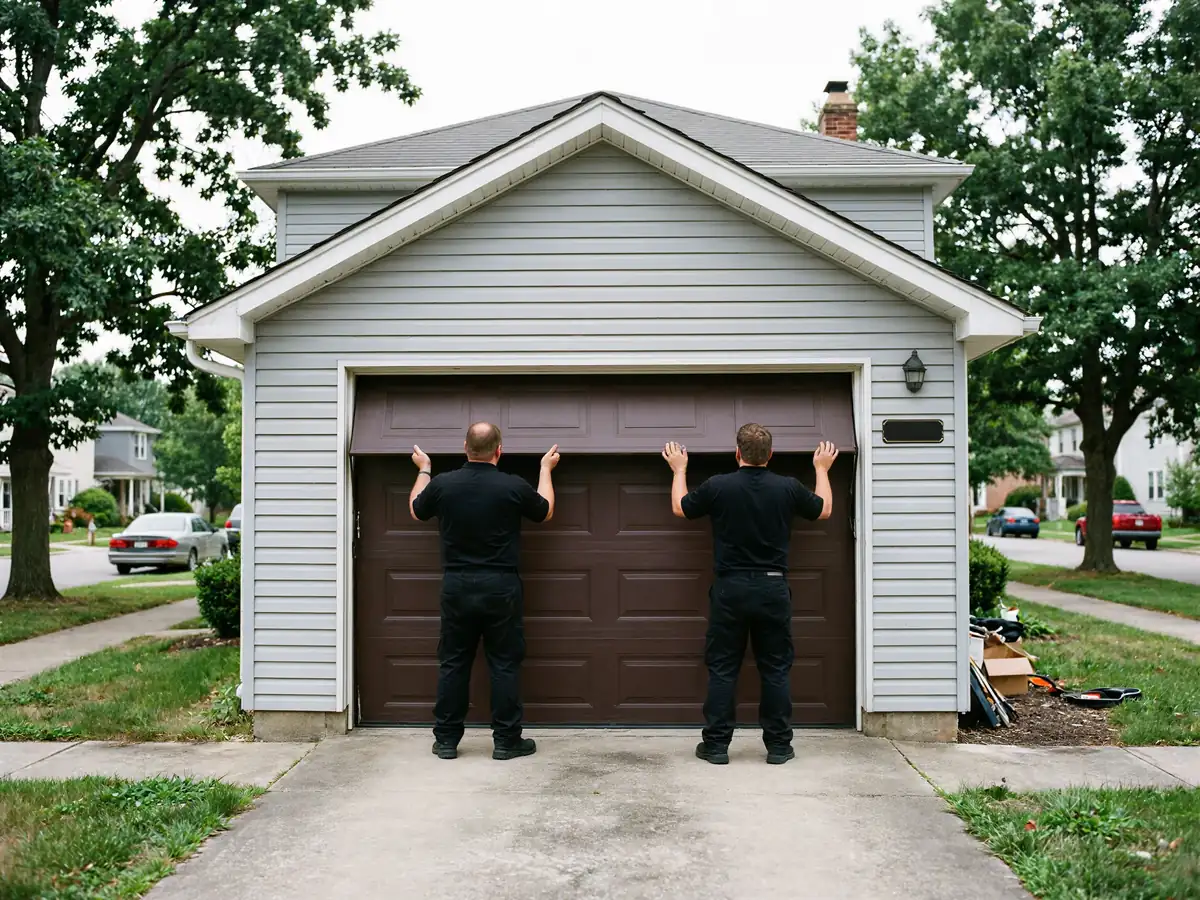
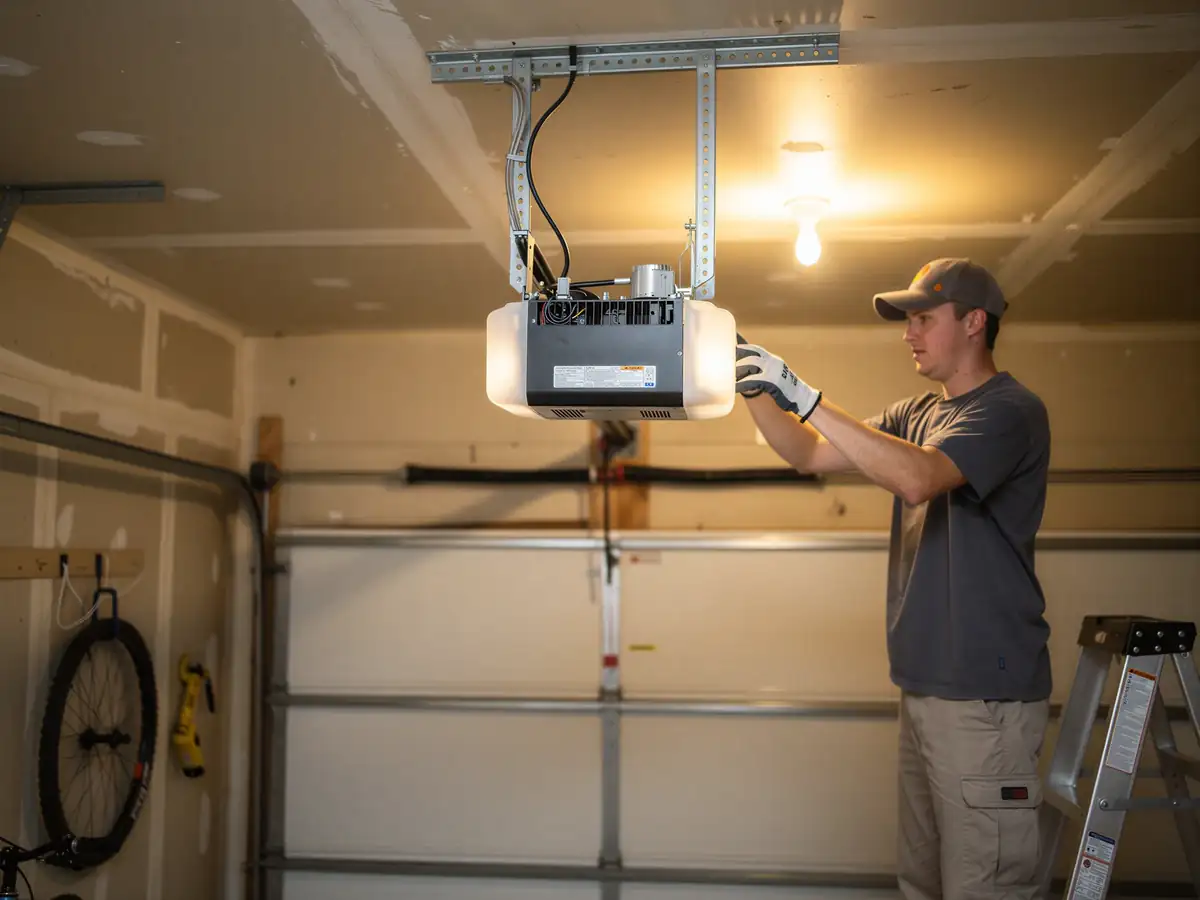
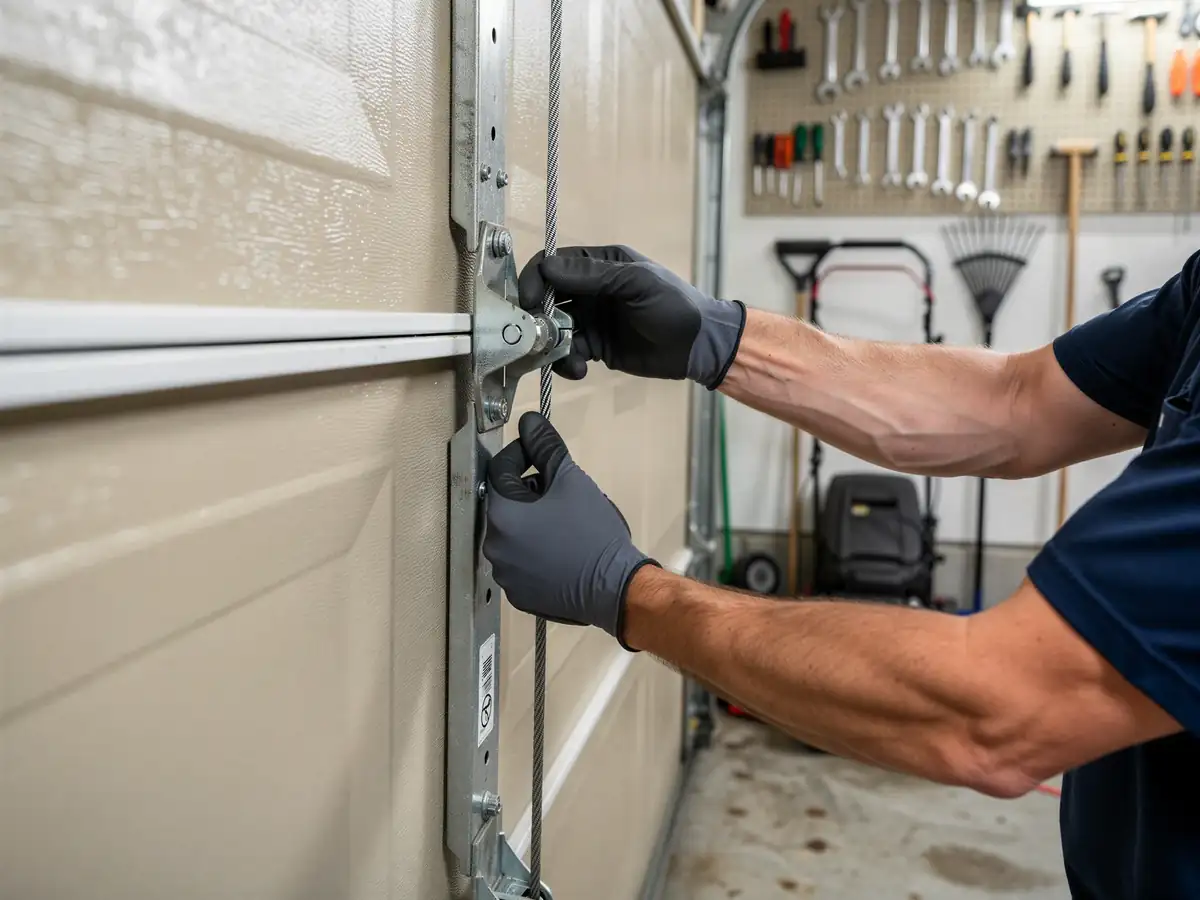
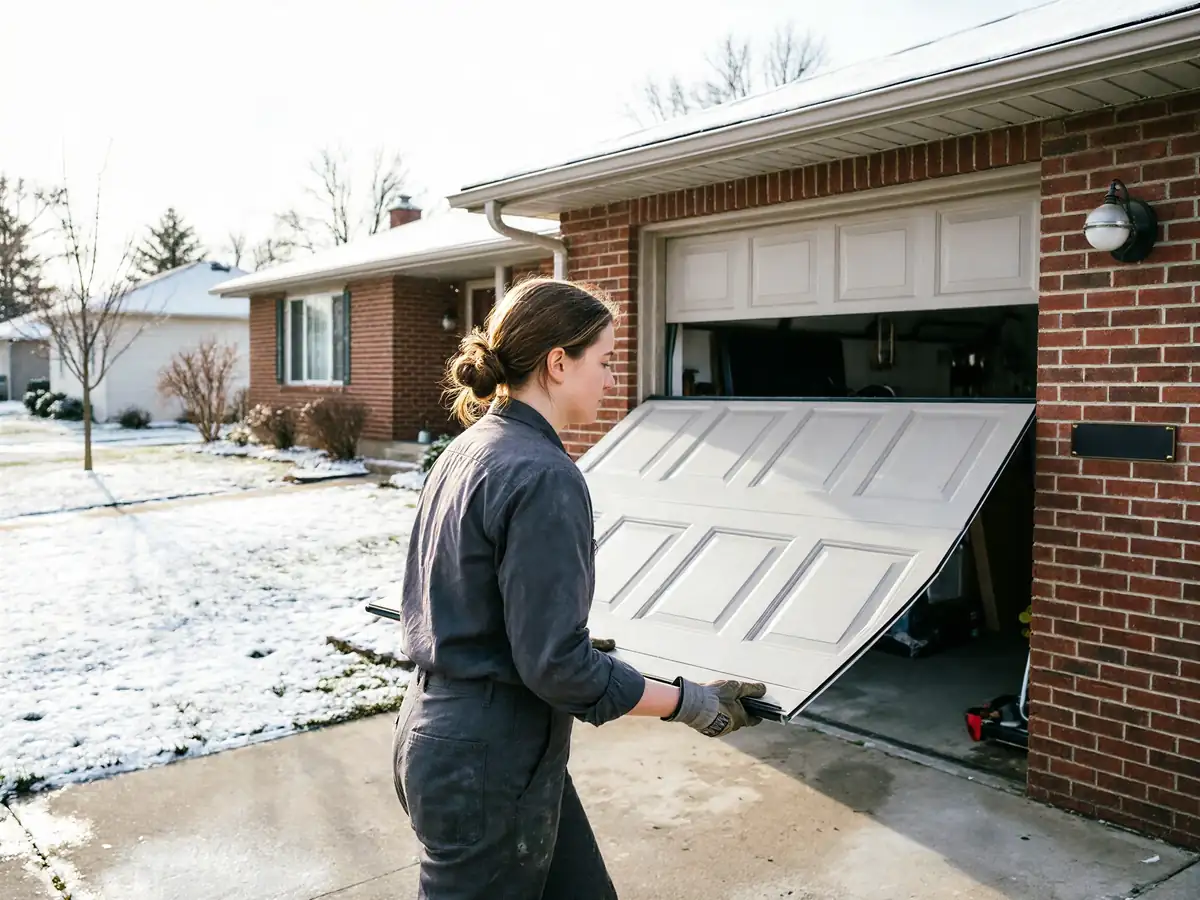
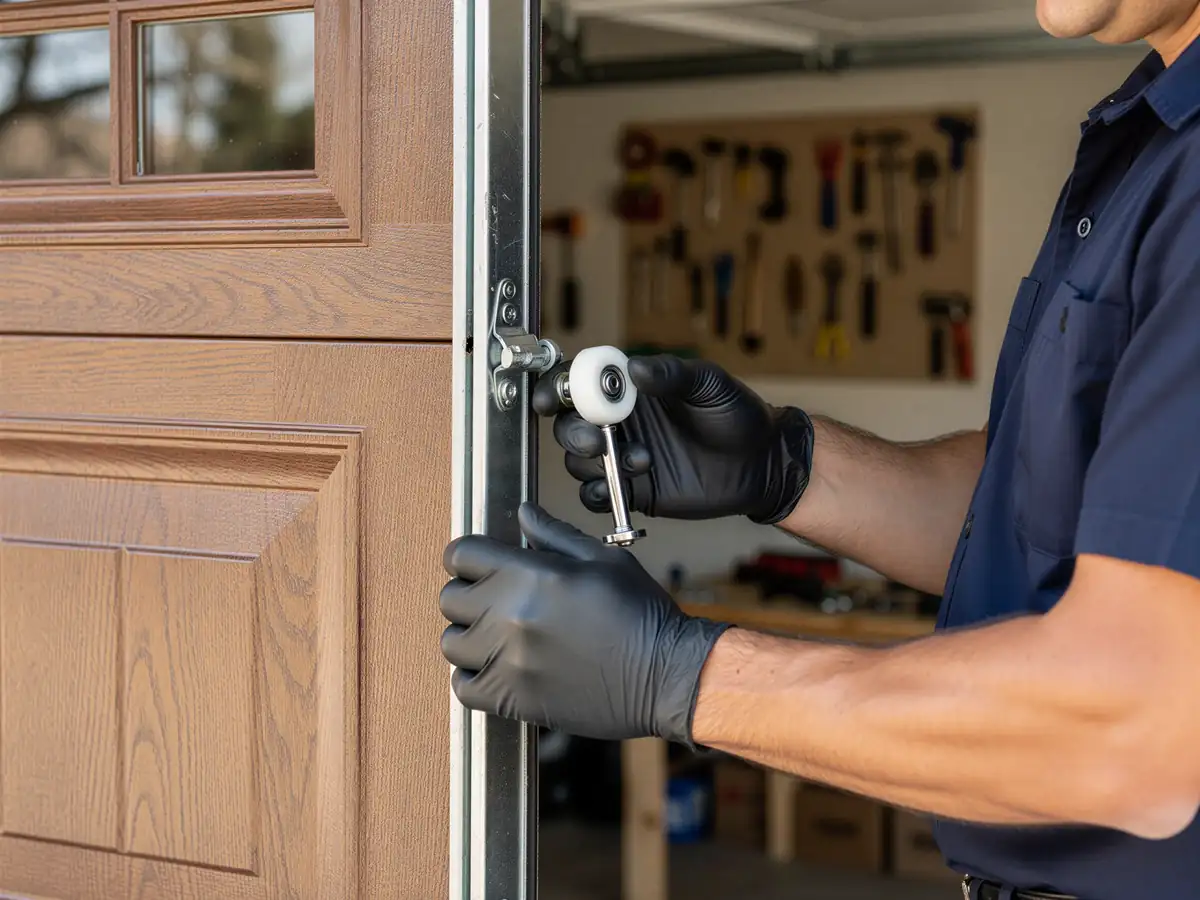
Most calls from Amherst are torsion springs going on doors original to a 1960s or early-70s build, plus openers that are on their second unit and finally quitting for good. We also get a steady run of calls about off-track doors after a roller gives out - common on doors that have had the same rollers since install. One honest limitation: if your opener is a smart-home model from the last few years, we may need to order a specific logic board or sensor kit rather than carry it on the truck, and that can mean a short wait instead of a same-visit fix. For older torsion systems, though, repair is usually faster and cheaper than replacement, and we'll tell you straight if your door's at the point where a new system makes more sense than another patch.
How it works
From “it’s stuck” to “it’s fixed”
01
Tell us what’s wrong
Describe the symptom - won’t open, loud bang, opener runs but the door won’t move.
02
On-site diagnosis
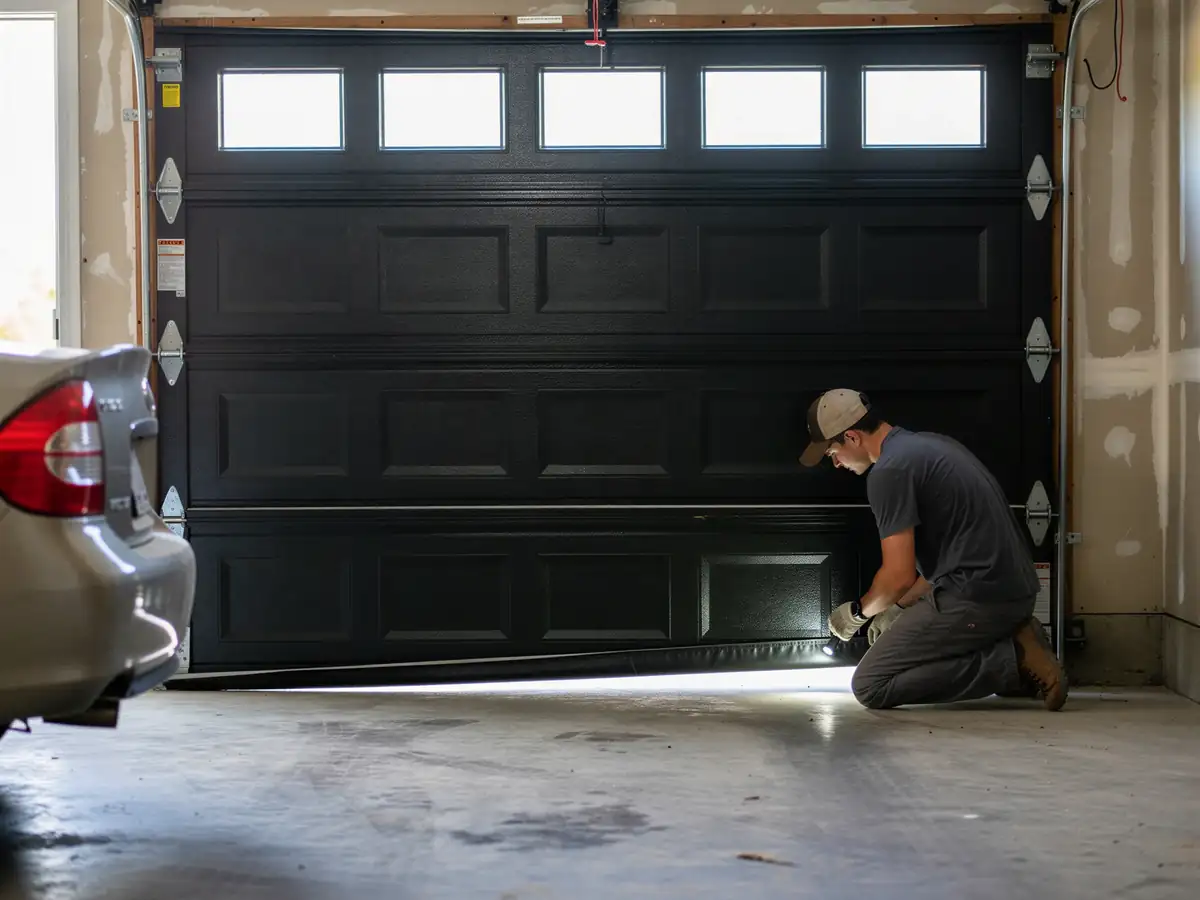
A technician tests the door under power and by hand and finds what actually failed.
03
Clear, up-front plan
You get the fix that’s needed and what drives the cost - before any work starts.
04
Repaired & tested
The repair is done, the door is set true and tested, and the work area left clean.
Not sure which repair your door needs in Lorain, OH? Describe what it’s doing - every job starts with a diagnosis.
Are garage door springs from the early 1970s still safe to use?
A torsion spring is rated for roughly 10,000 cycles, and a door opened twice a day since the early 1970s has gone well past that. It's not a guaranteed failure point, but if your spring has never been replaced, you're on borrowed time and a sudden snap can damage the opener or track on the way down.
Do you have a shop in Amherst?
No. We run out of Lorain, about 4 miles away, and drive out for every job. There's no local depot or drop-in counter here, just a truck that comes to you.
What's the most common garage door problem in Amherst?
Torsion springs reaching end of life and second-generation openers finally failing. Most homes here were built around 1971, so the original hardware is old enough that these are routine, not rare.
Can you source parts for an older opener?
Usually yes for standard chain or belt-drive units, since garage openings here tend to be standard sizes. Newer smart-home opener boards sometimes need to be special-ordered, which can add a short wait.
Ready to get your garage door sorted?
Tell us what it’s doing and where you are in Lorain - we’ll take it from there.