Can You Do This Yourself
Some of it, yes
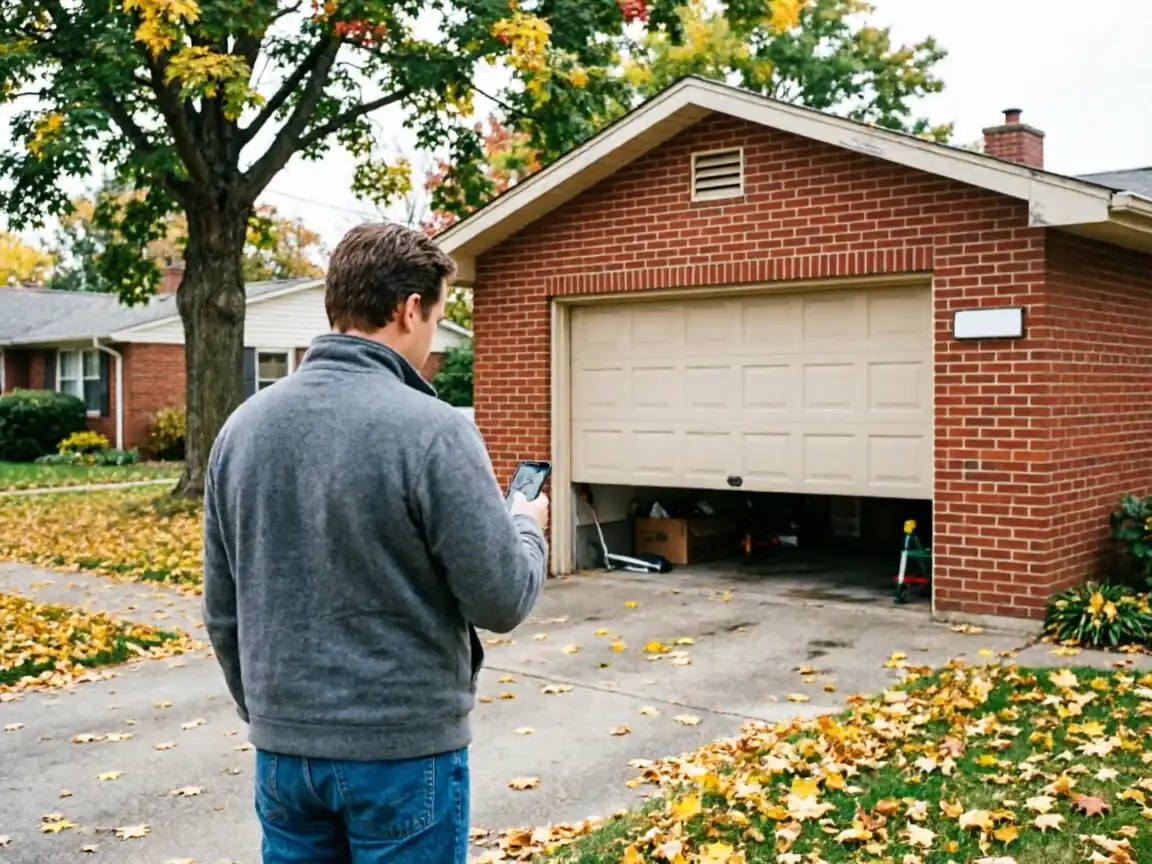
If your remote stopped working, reprogramming it is a five-minute job with the manual or a sticker on the motor head. If the door won't close and the opener just blinks, nine times out of ten the safety sensors at the bottom of the track are out of alignment or something's blocking the beam - wipe the lenses, check for a stray broom handle, and see if that clears it.
What you shouldn't tackle yourself is anything inside the motor housing
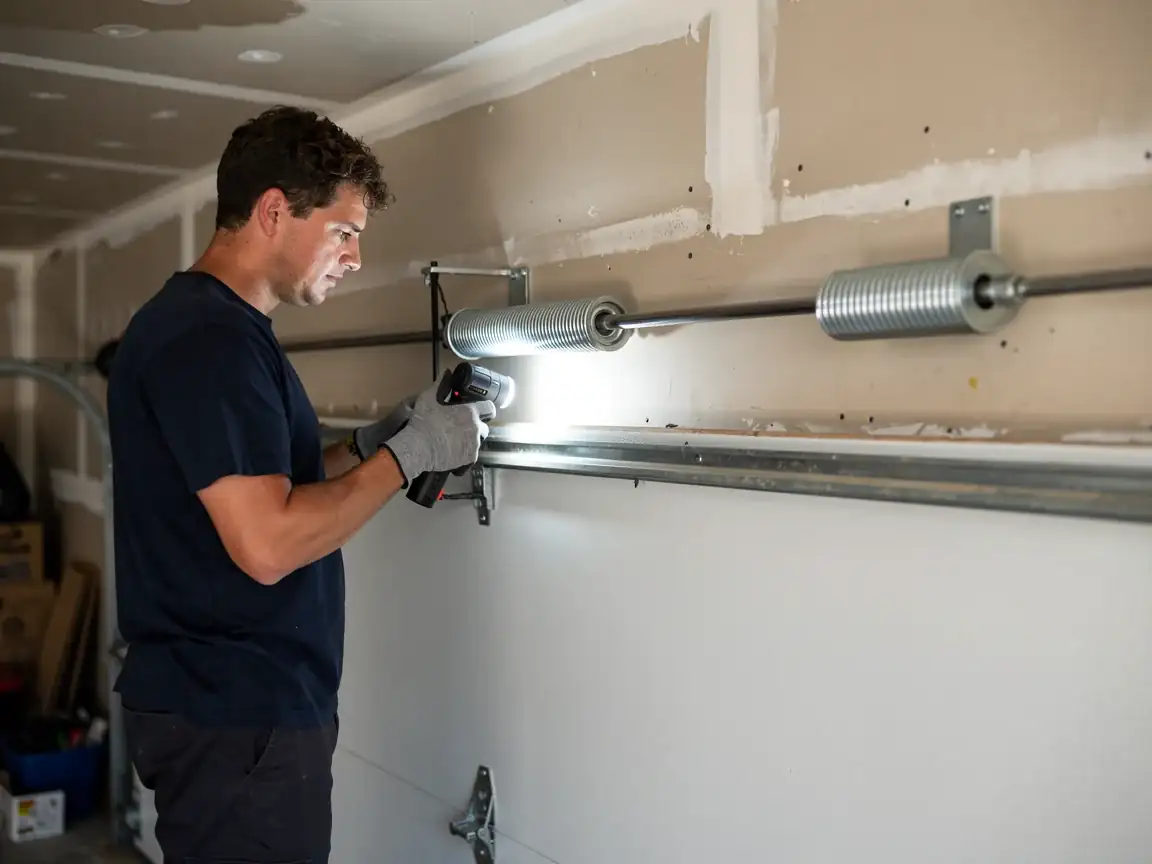
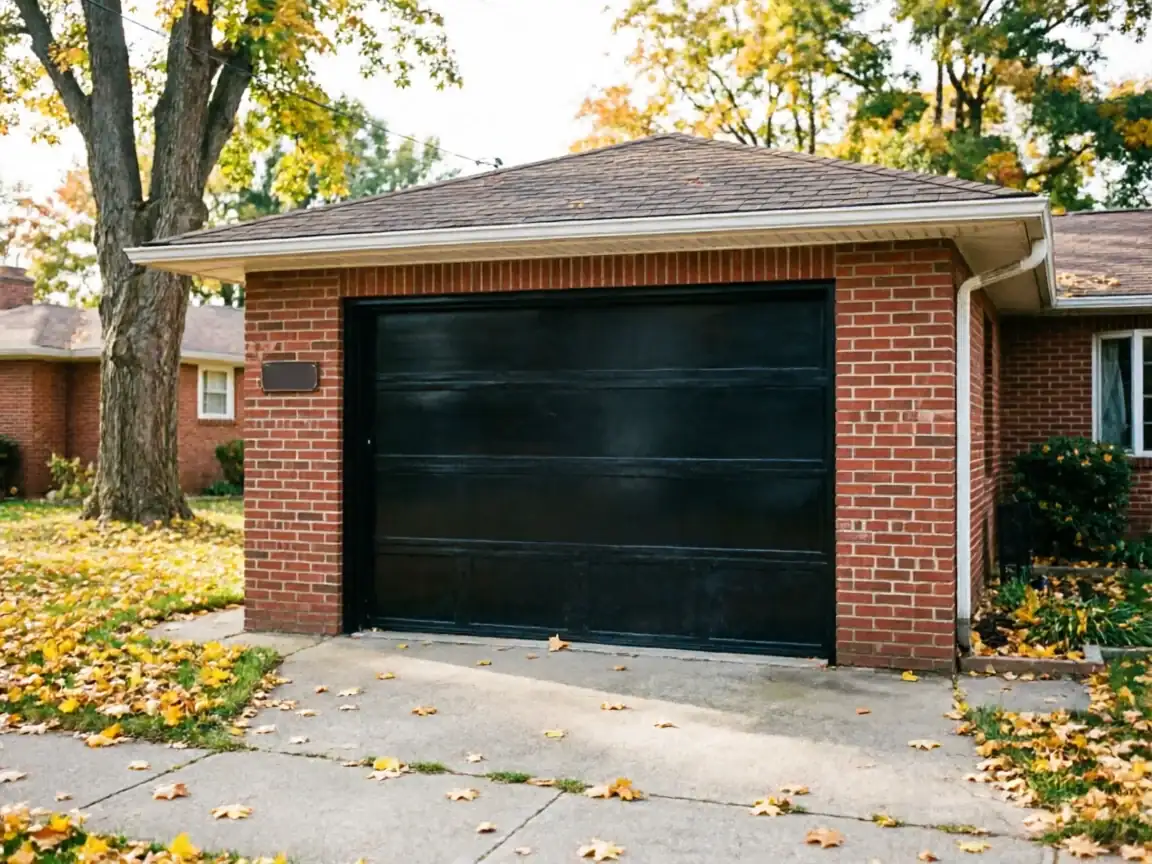
Amherst's housing stock centers on 1971, per the local build-year median, which means a good share of openers here are second or third replacements on original 1960s-70s door hardware. Mixing a new opener's logic board with decades-old track and spring setups is exactly where amateur jobs go wrong - the opener fights hardware it wasn't built for, and you end up burning out a new motor trying to lift a door that's binding somewhere else.
Our honest limit: if your opener's drive gear has stripped and the unit is more than 12-15 years old
We'll usually tell you flat out that replacement beats repair. Parts for older gear-and-sprocket units can take days to source, and a new opener often costs about the same as a repair plus a part that fails again next year.
- 15 years
How to Book
We run out of Lorain, about 4 miles from Amherst, so there's no separate branch here - just a truck that comes over for the call. Head to our Amherst area page for what we cover locally, or if you're weighing opener repair against other door work, the main Lorain opener repair page has the broader service details.
When you call, have the opener's brand and the approximate install date ready if you know it - that alone tells us whether we're looking at a worn-out mechanical gear, a dead circuit board, or a unit that's simply reached the end of its run. Amherst's roughly 4,854 households skew toward a median income near $93,000, which tends to mean owners replace rather than patch when a board's gone - but we'll give you both options and let you decide.
The Complications
Cold winters are the recurring issue we see on opener calls in this part of Ohio - the service area sits in a cold-moderate climate band, and that cold is hard on two specific opener parts: the drive belt or chain, which stiffens and skips teeth in deep cold, and the capacitor on the circuit board, which can fail outright after enough freeze-thaw cycles.
The second complication is age-stacking. With median construction here around 1971 and broader area housing running 1938 to 2002, a lot of Amherst garages have had two or three openers installed over the decades on the same original door and track. Each swap sometimes left old wiring, an orphaned keypad, or a sensor bracket from a prior unit still in place. Sorting out which wires actually run to the current opener - and which are leftovers - adds time to a service call that a newer build wouldn't need.
We don't carry every discontinued circuit board on the truck. If your opener is an older model with a proprietary board no longer made, we'll tell you that up front rather than stringing out a repair that isn't coming.
What the Fix Involves
First we test the obvious things
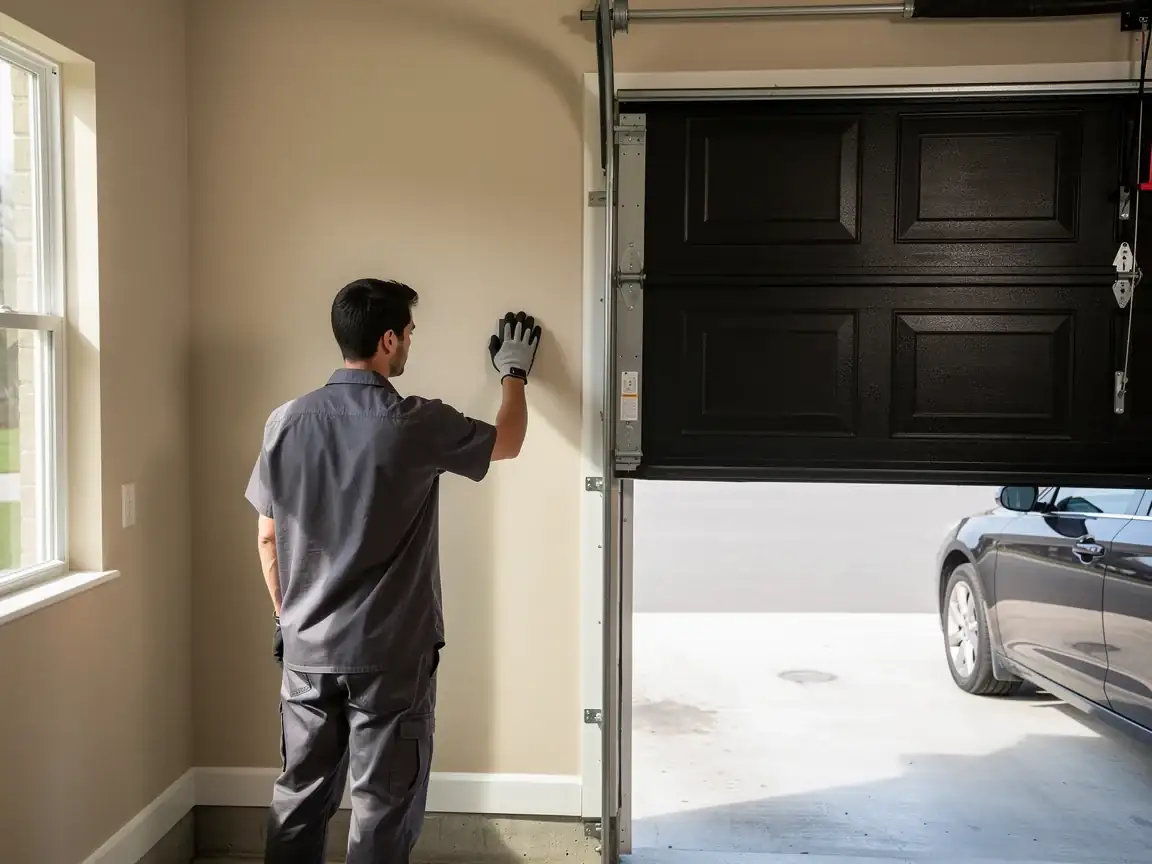
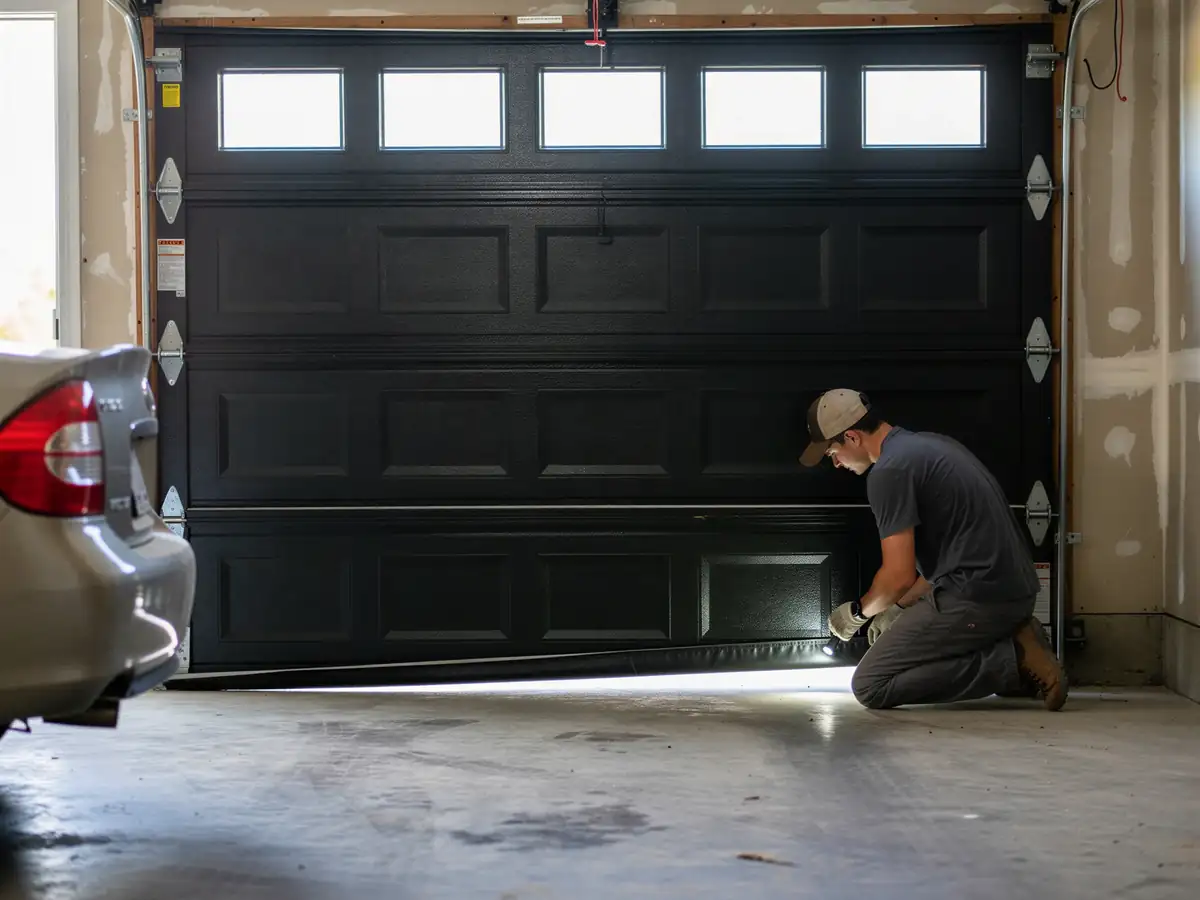
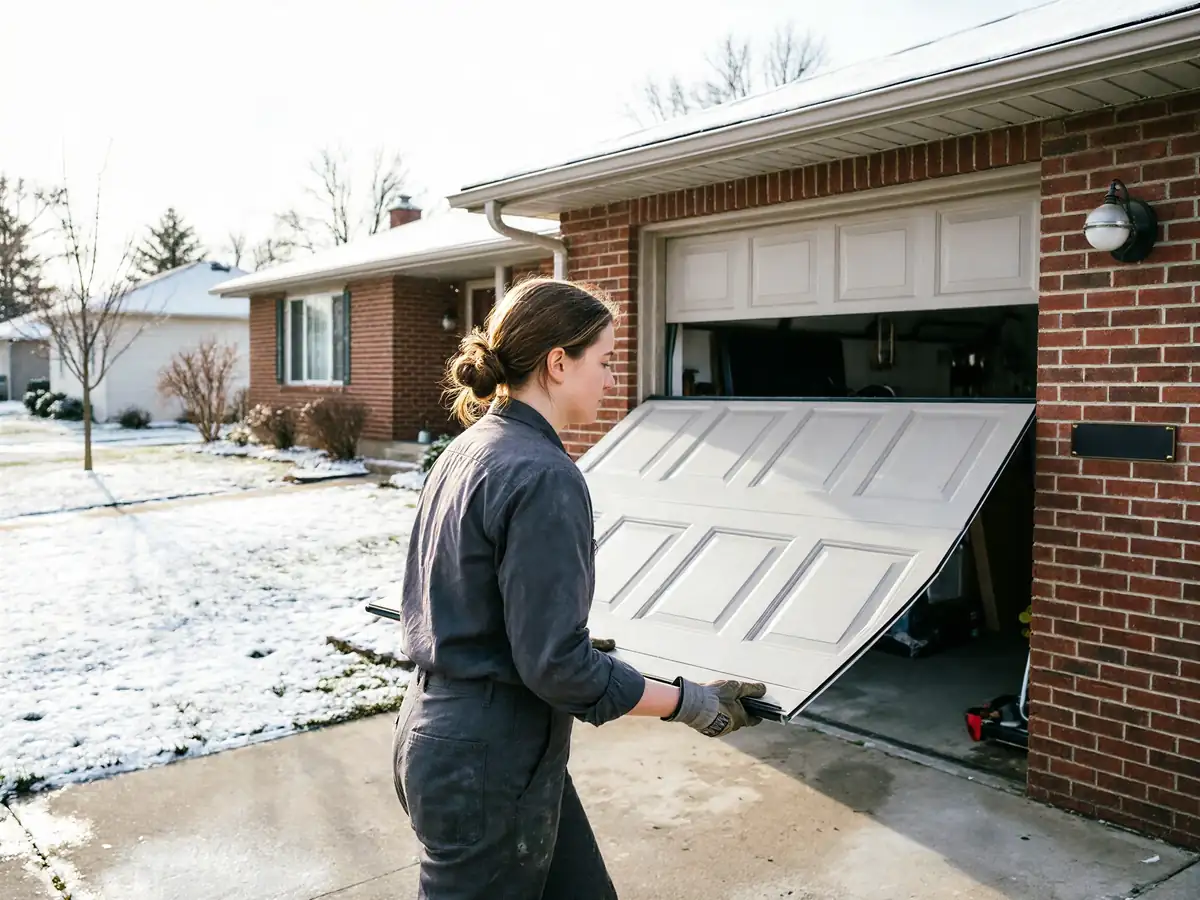
Wall switch, remote signal, sensor alignment, and whether the door itself moves freely by hand with the opener disconnected. A door that's hard to lift manually isn't an opener problem at all - it's a spring or track issue, and fixing the opener first would just mask it.
If the opener is the actual fault, we check the circuit board for burnt capacitors or corrosion (more common after a cold snap), inspect the drive gear or belt for wear
And test the logic board's response to the wall control versus the remote - a mismatch there usually points to the board itself rather than the remote.
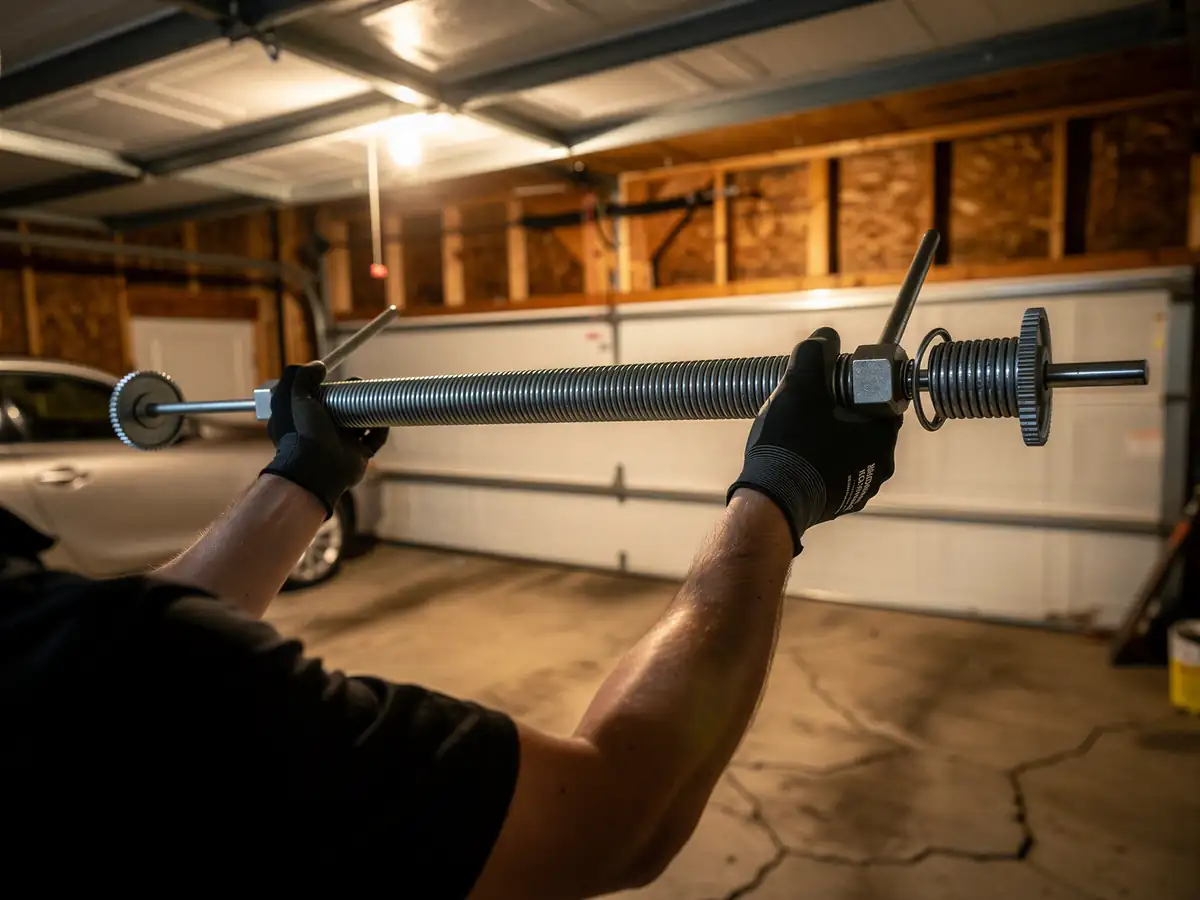
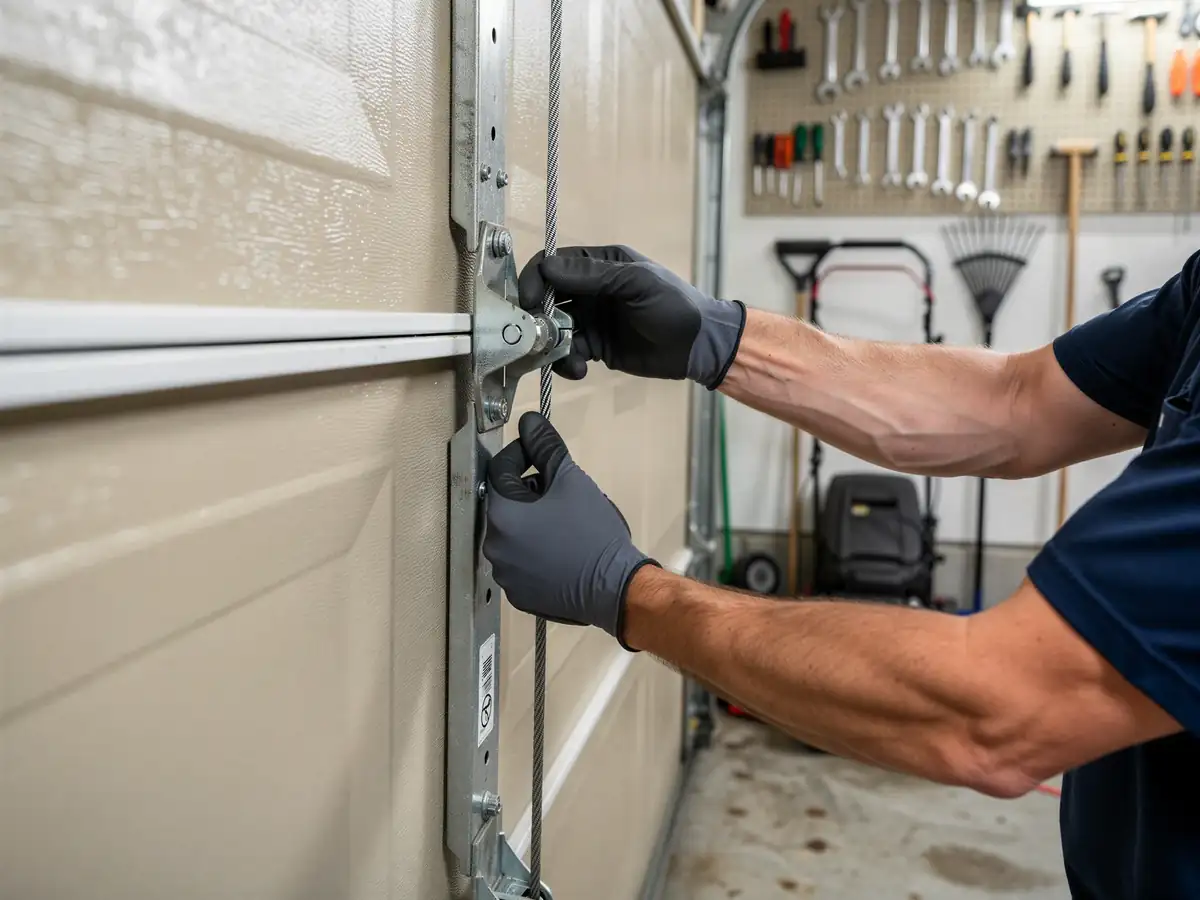
For Amherst's mix of 1960s-80s torsion and extension hardware carrying newer openers
We also check that the opener's force settings match the door's actual weight. An opener set too aggressively on an older, heavier door will eventually strip its own gear - a slow failure that looks like random breakdowns until you trace it back to one bad setting.