How It Shows Up
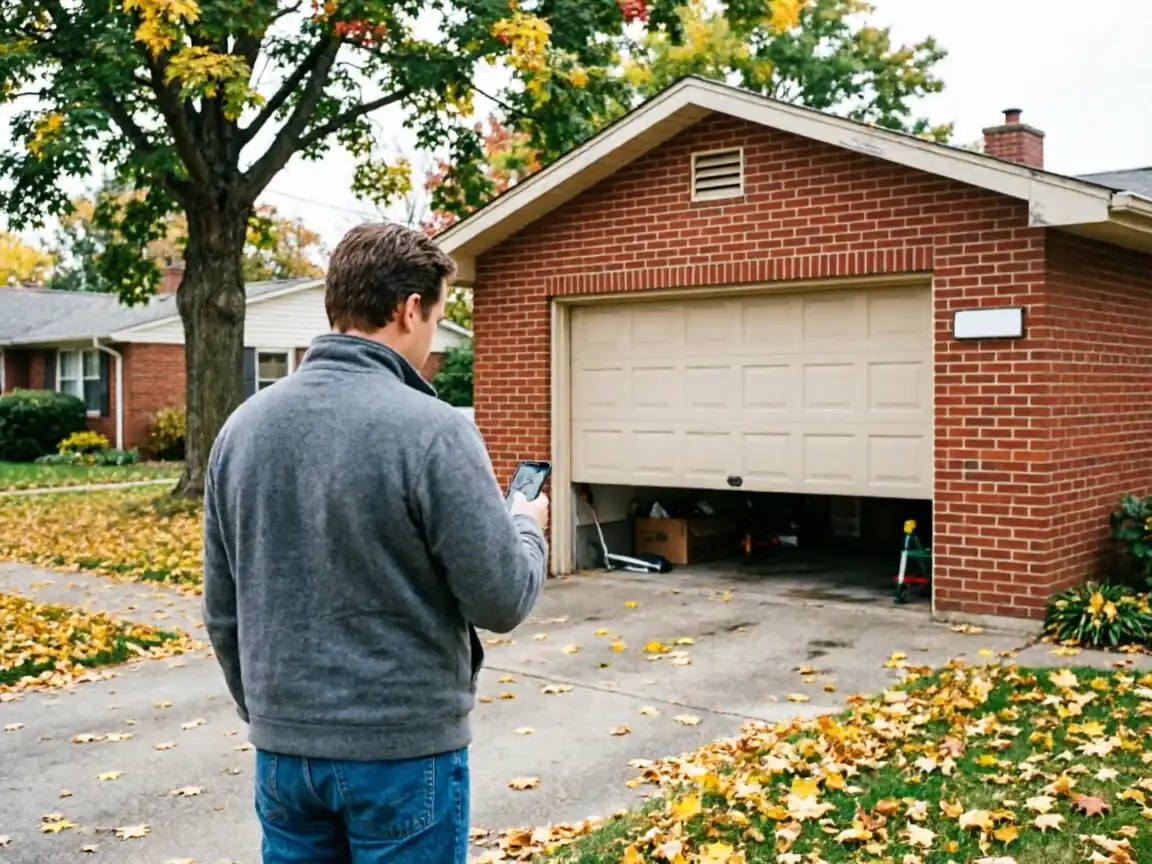
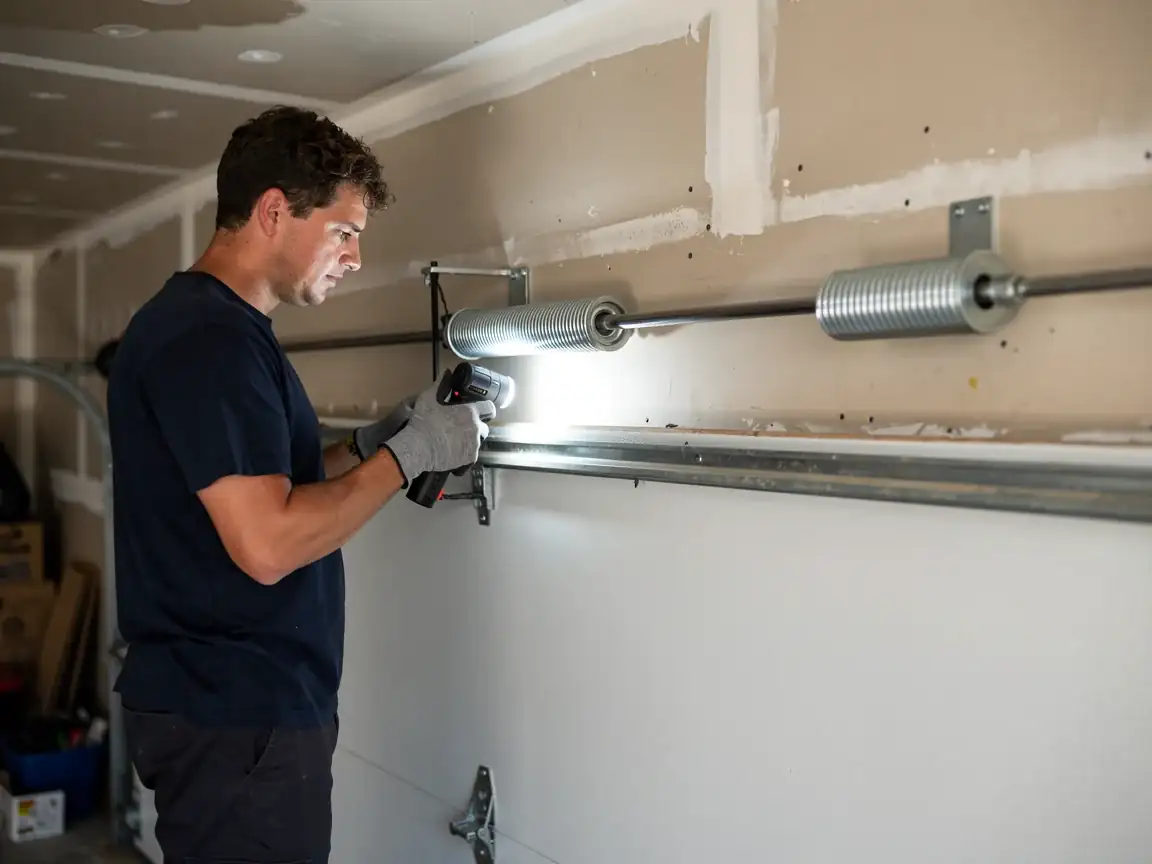
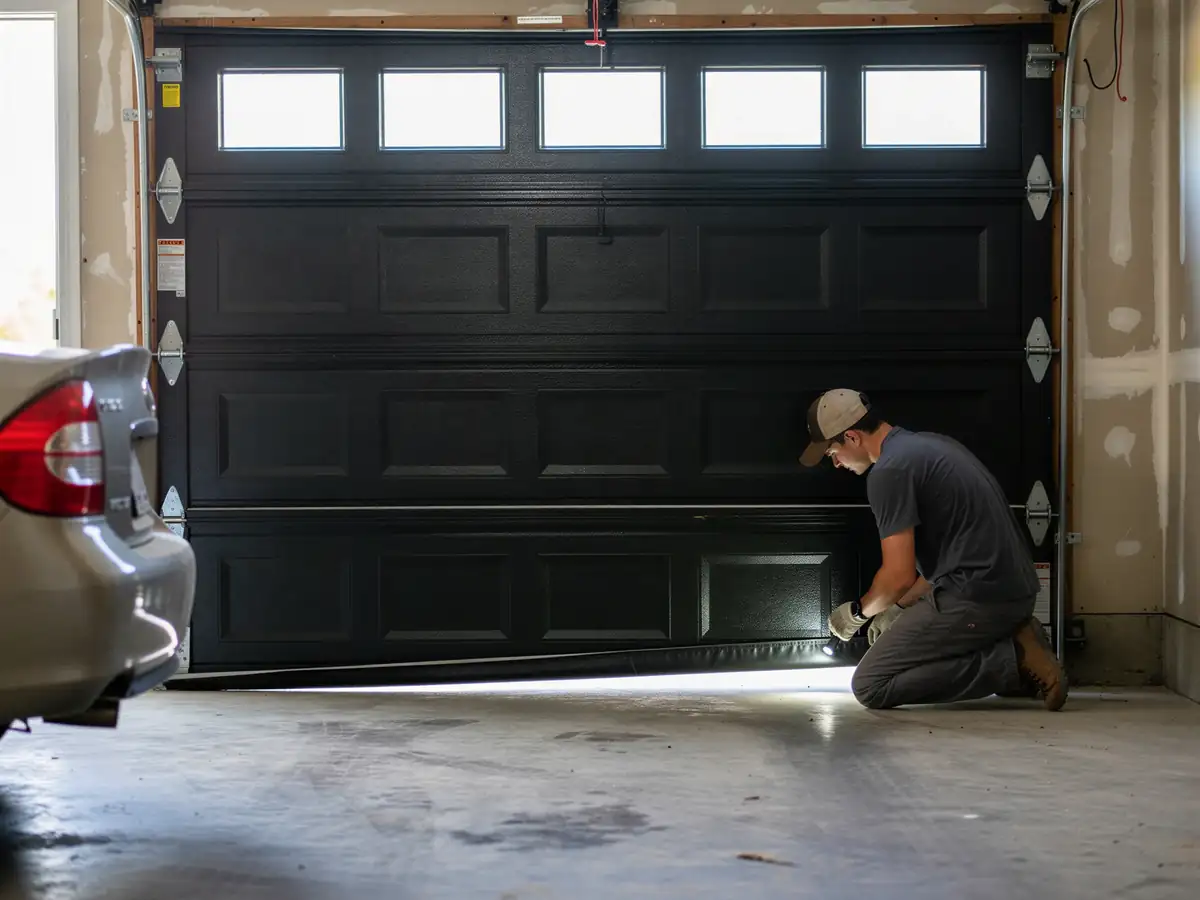
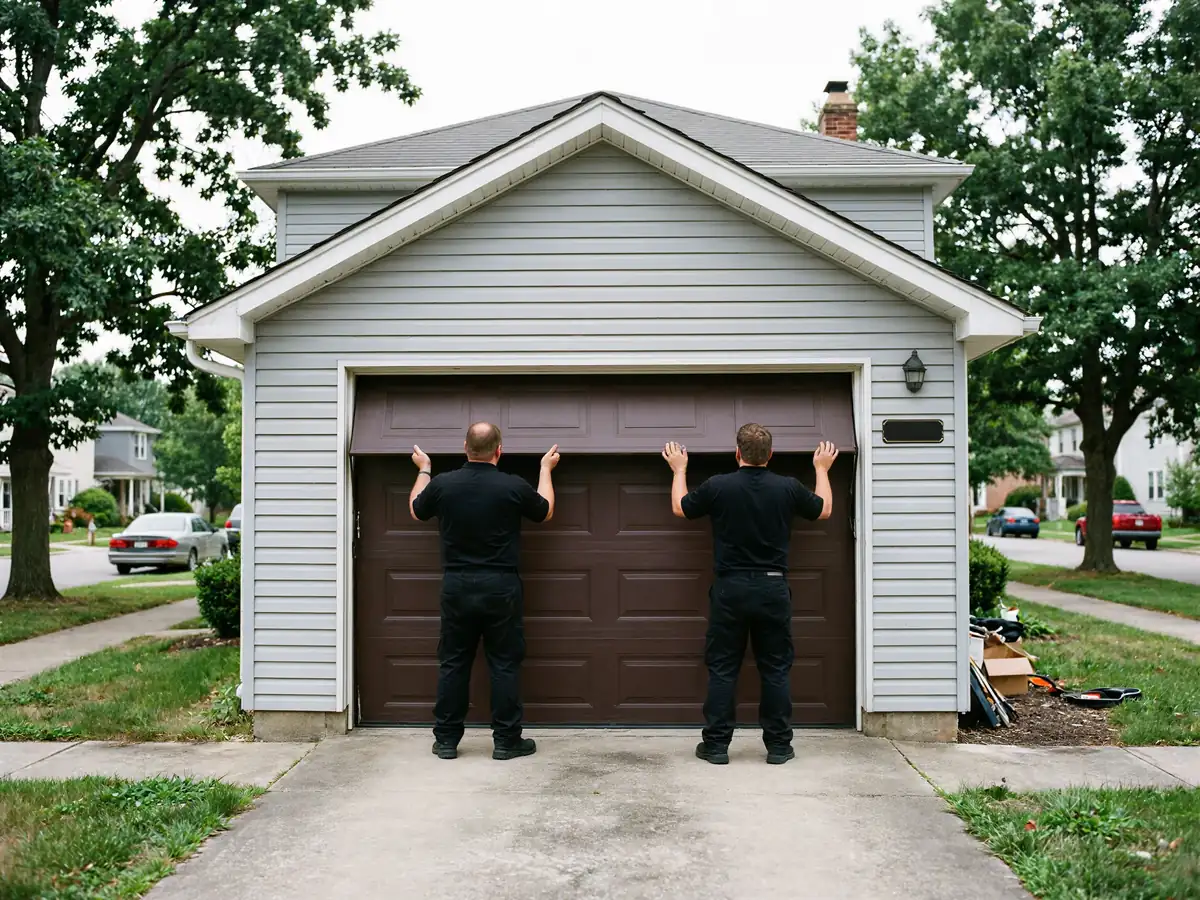
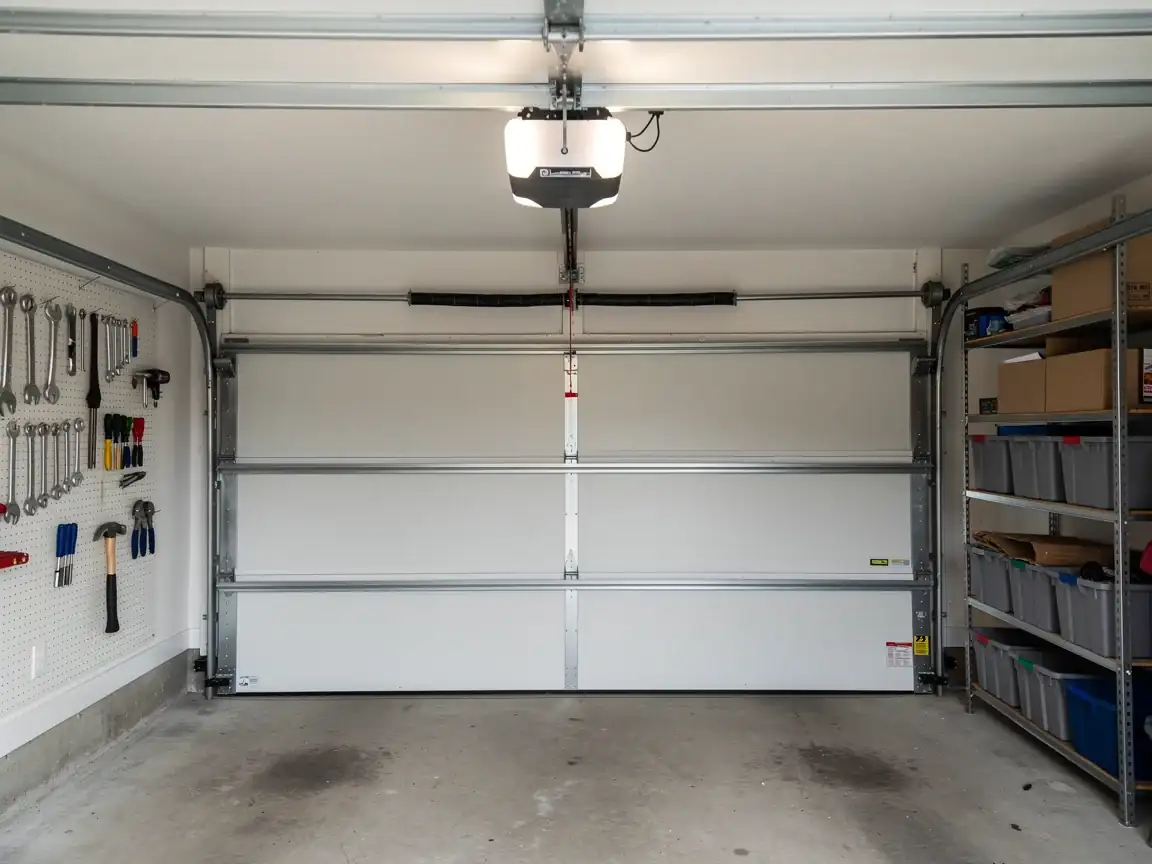
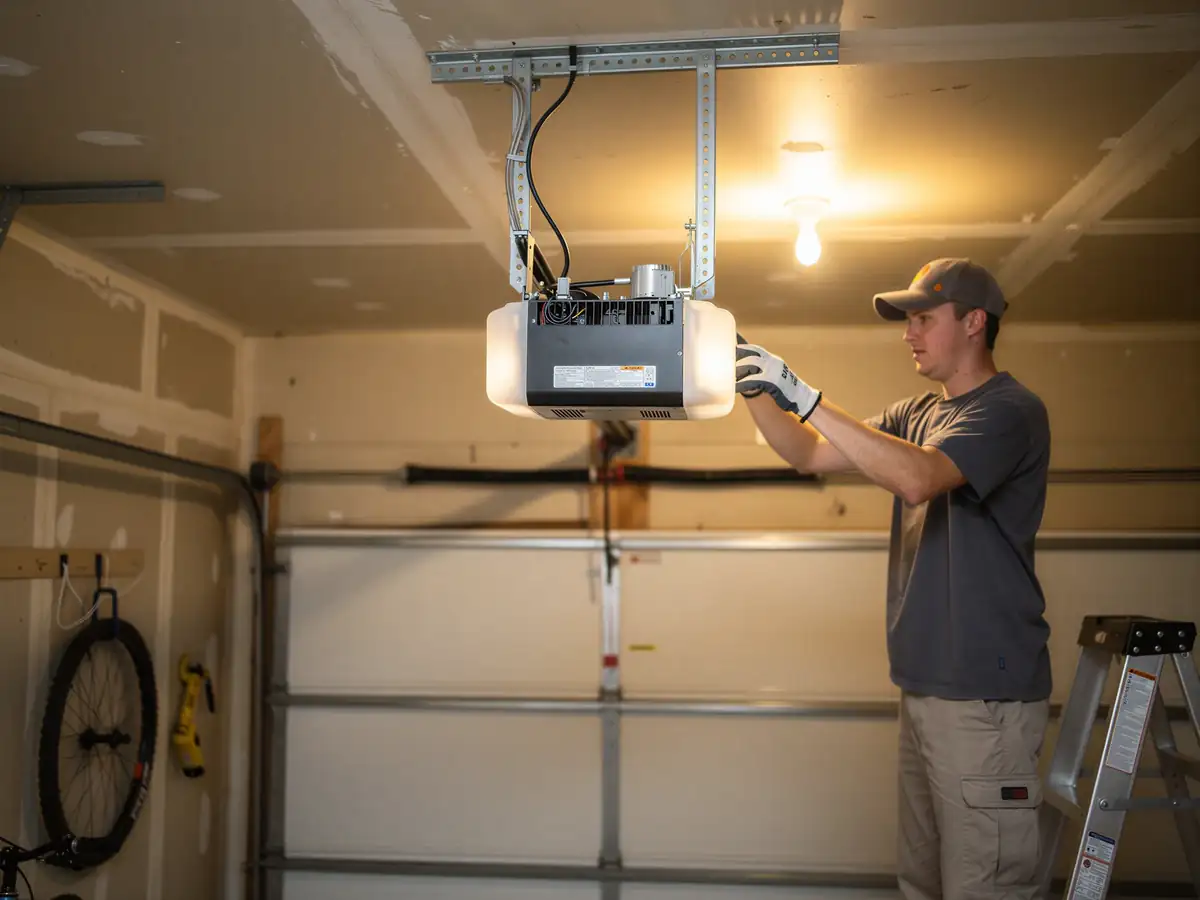
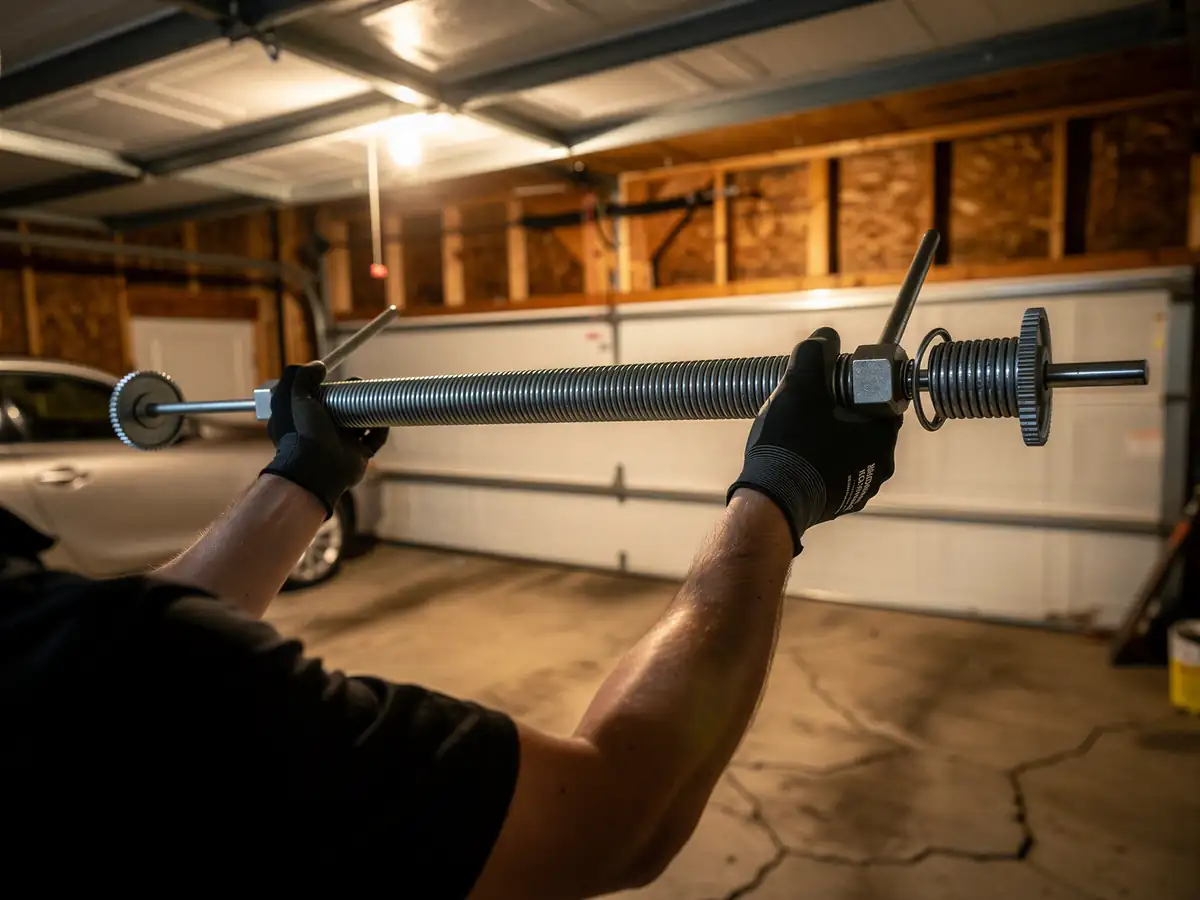
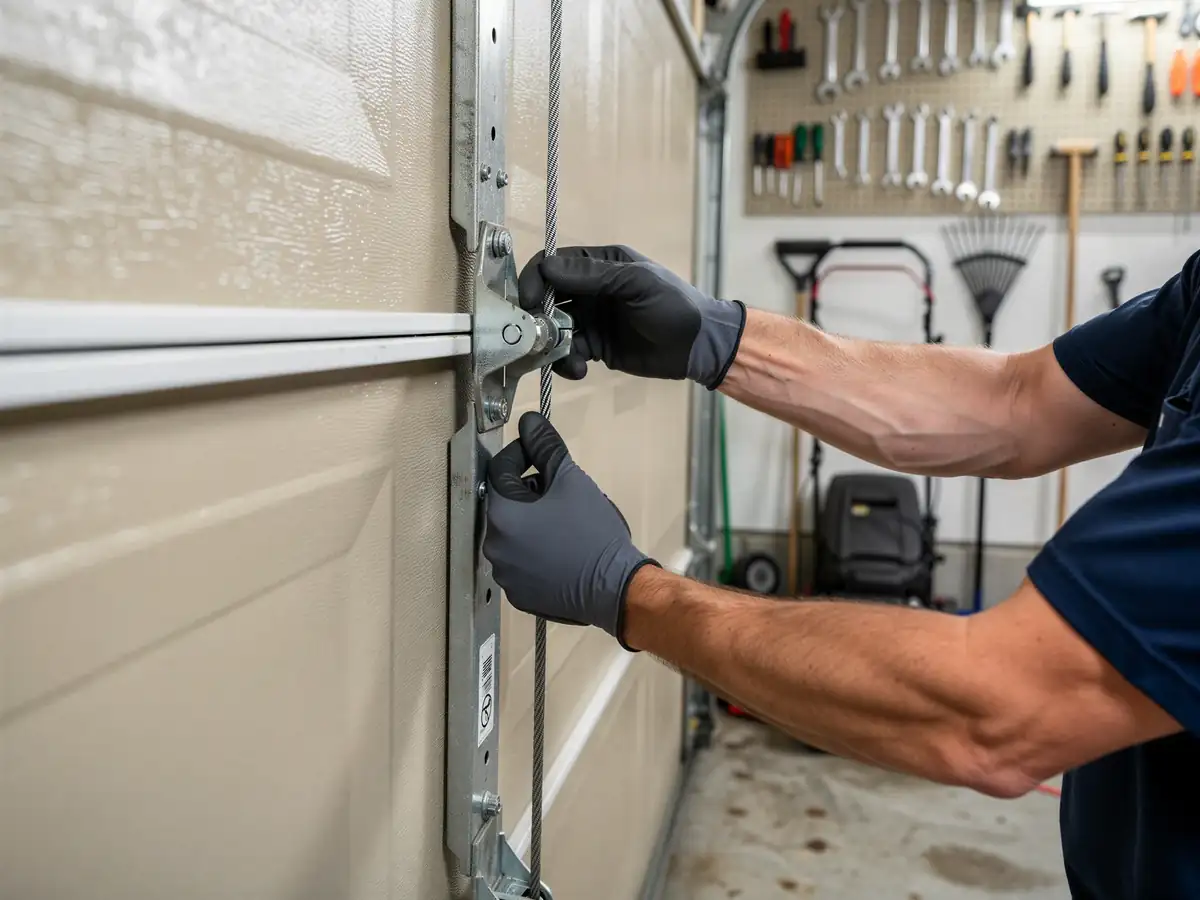
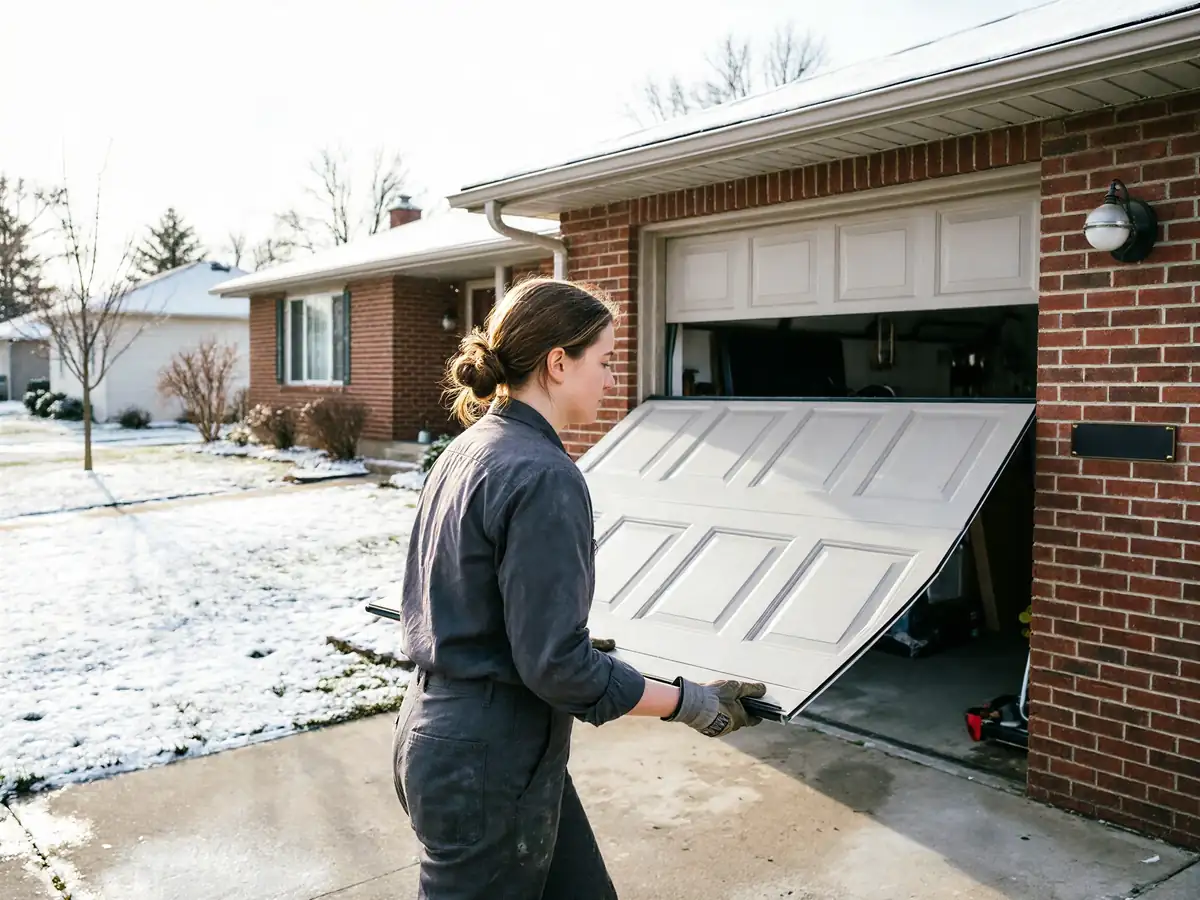
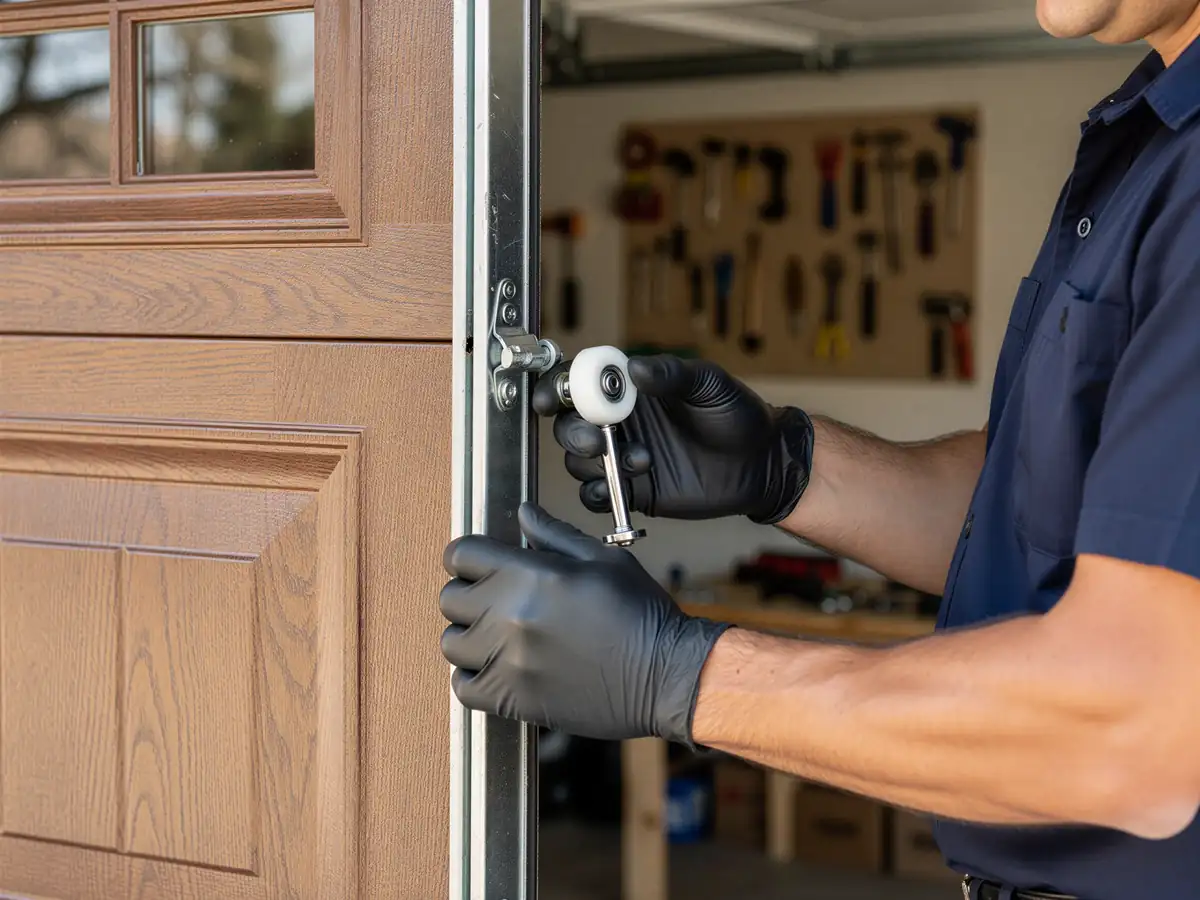
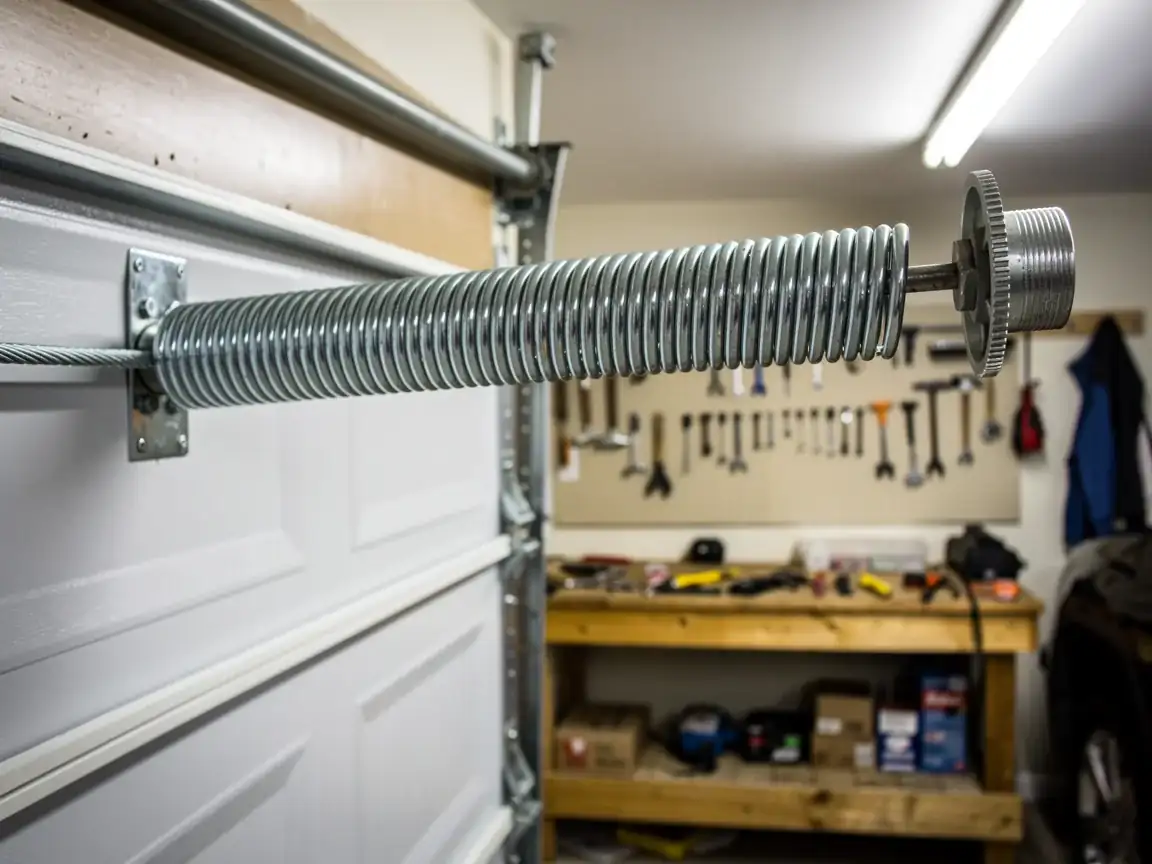
The most common call we get from this side of the county is a door that won't open, or one that opens a few inches and stops. On older torsion setups, that's almost always a broken spring, and you can usually spot it by a visible gap in the coil above the door. On homes built later with extension springs along the tracks, the failure looks different: a cable comes off a pulley, or a roller seizes and the door binds to one side. We also see a lot of openers that run but don't lift, which in winter is often the spring losing tension in the cold rather than the motor itself failing. If your door is loud going up, dragging on one track, or the remote works but the door only grinds, those are three different problems, not one. Don't keep hitting the button hoping it clears itself. Running an opener against a stuck door burns out the gears, and that turns a spring job into an opener job.
Why It Happens Here
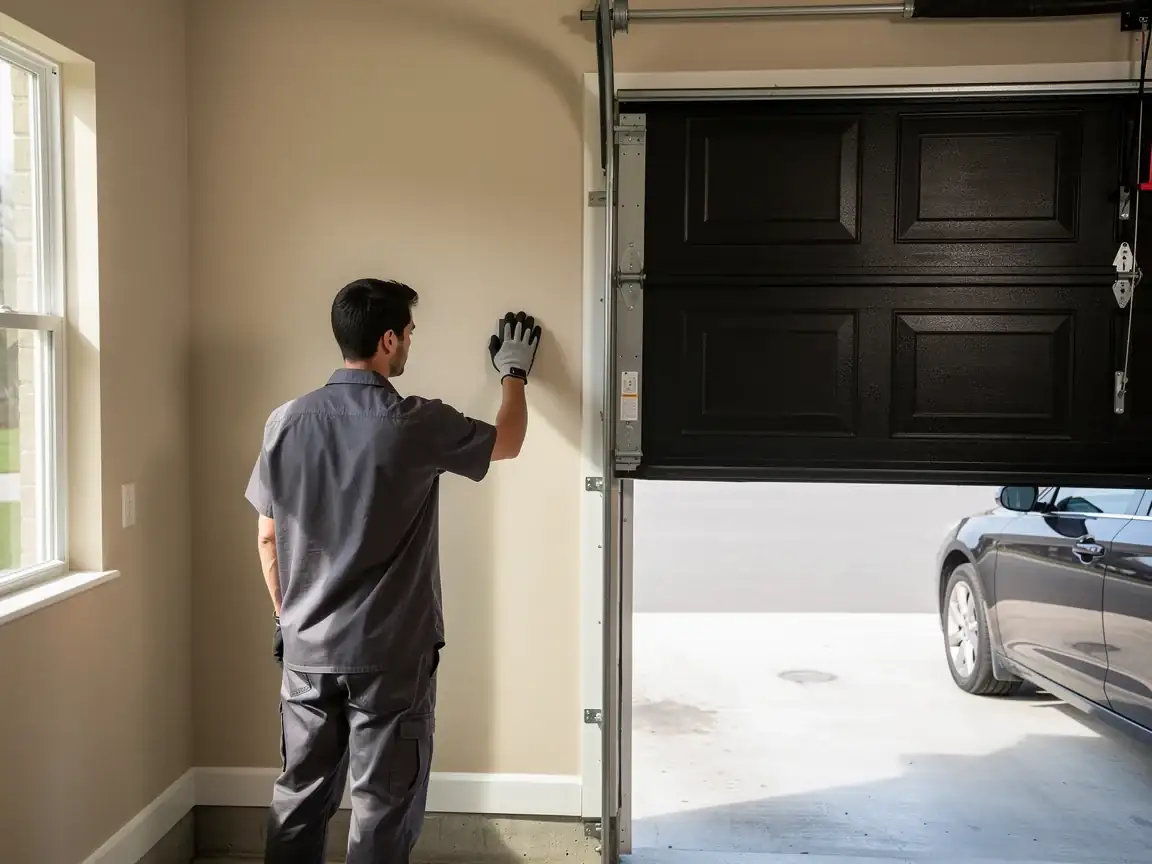
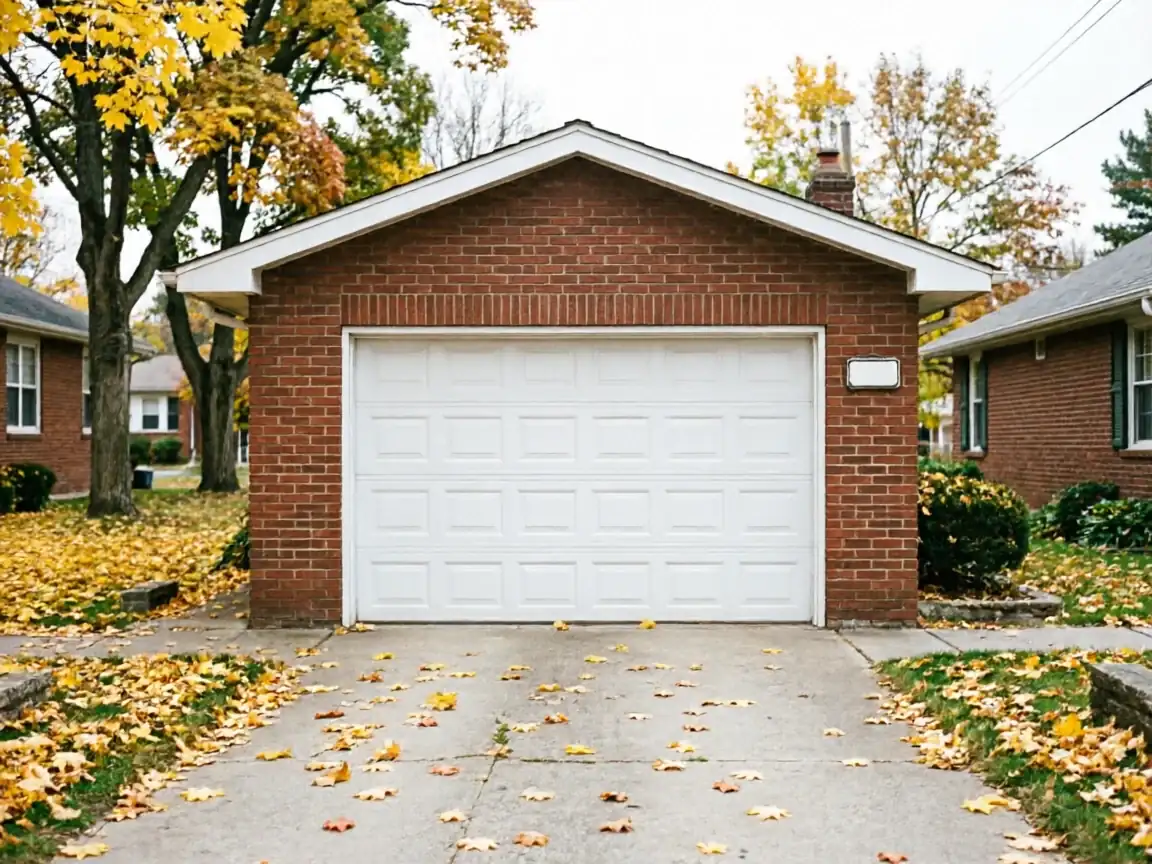
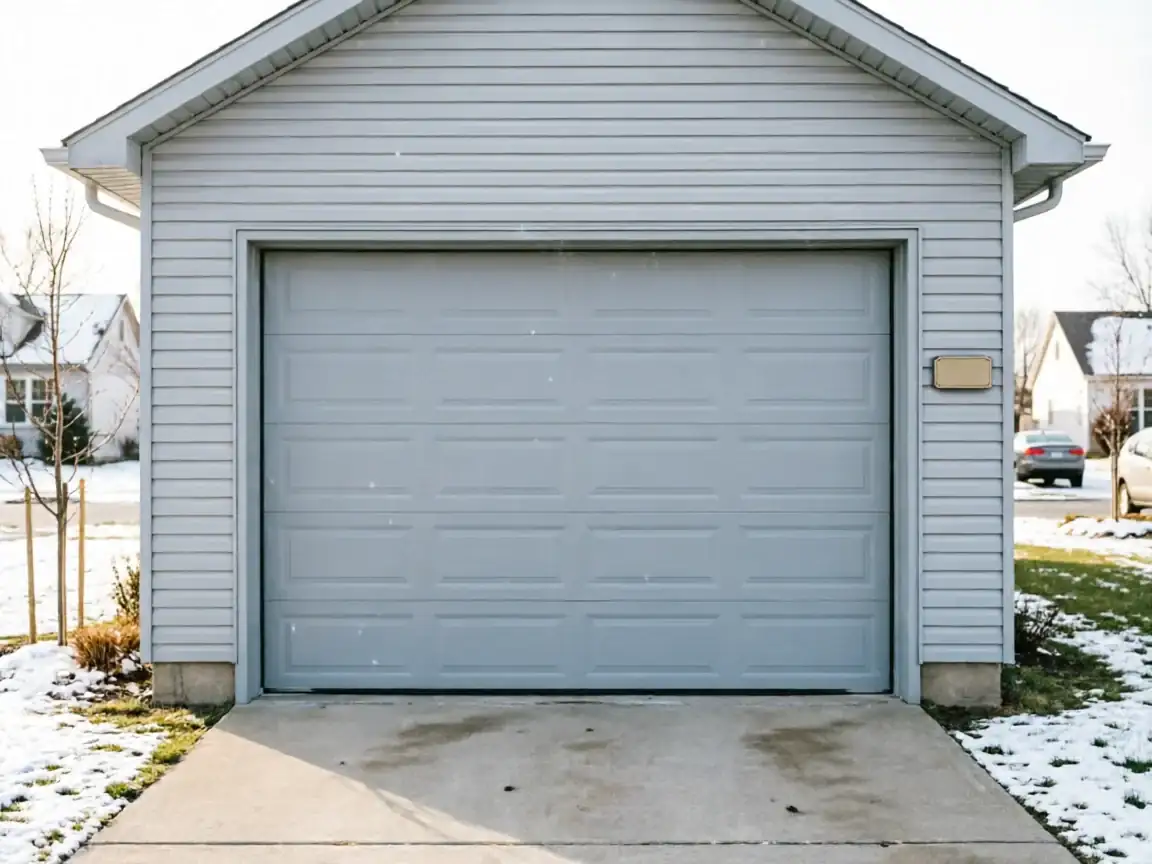
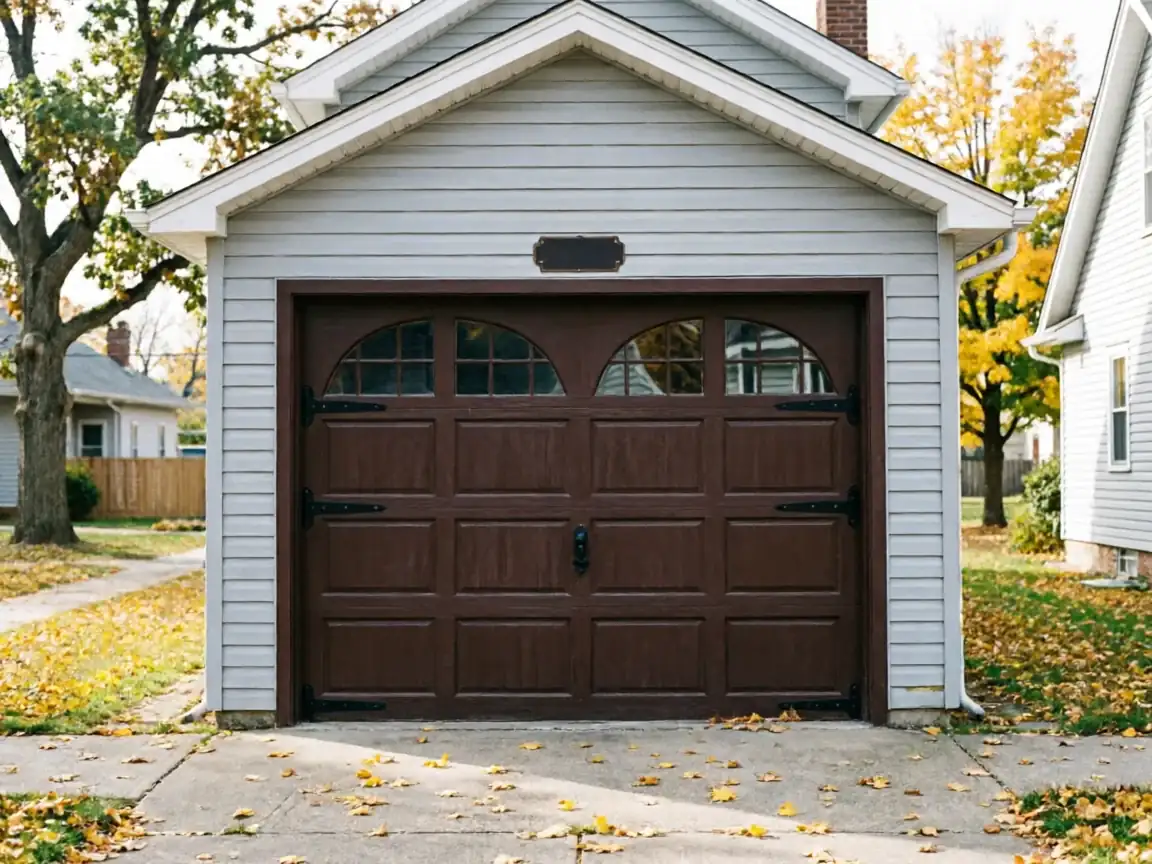
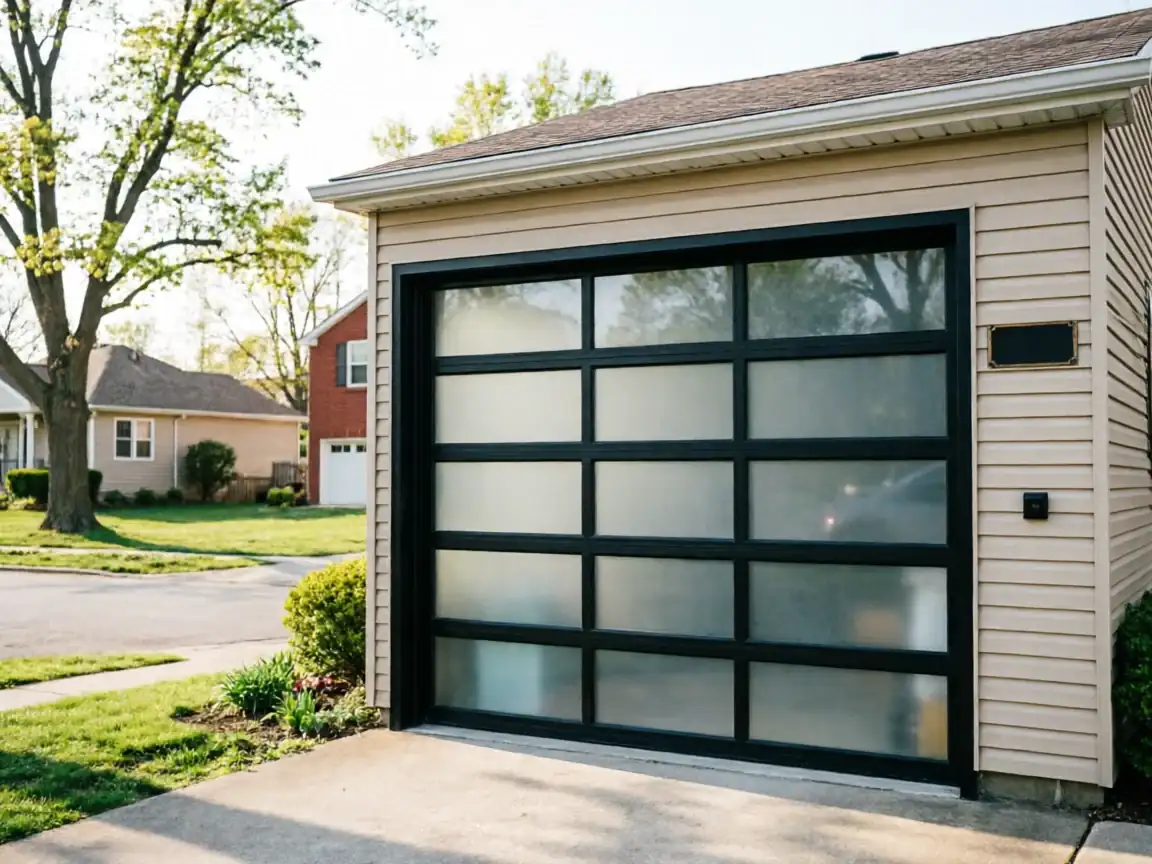
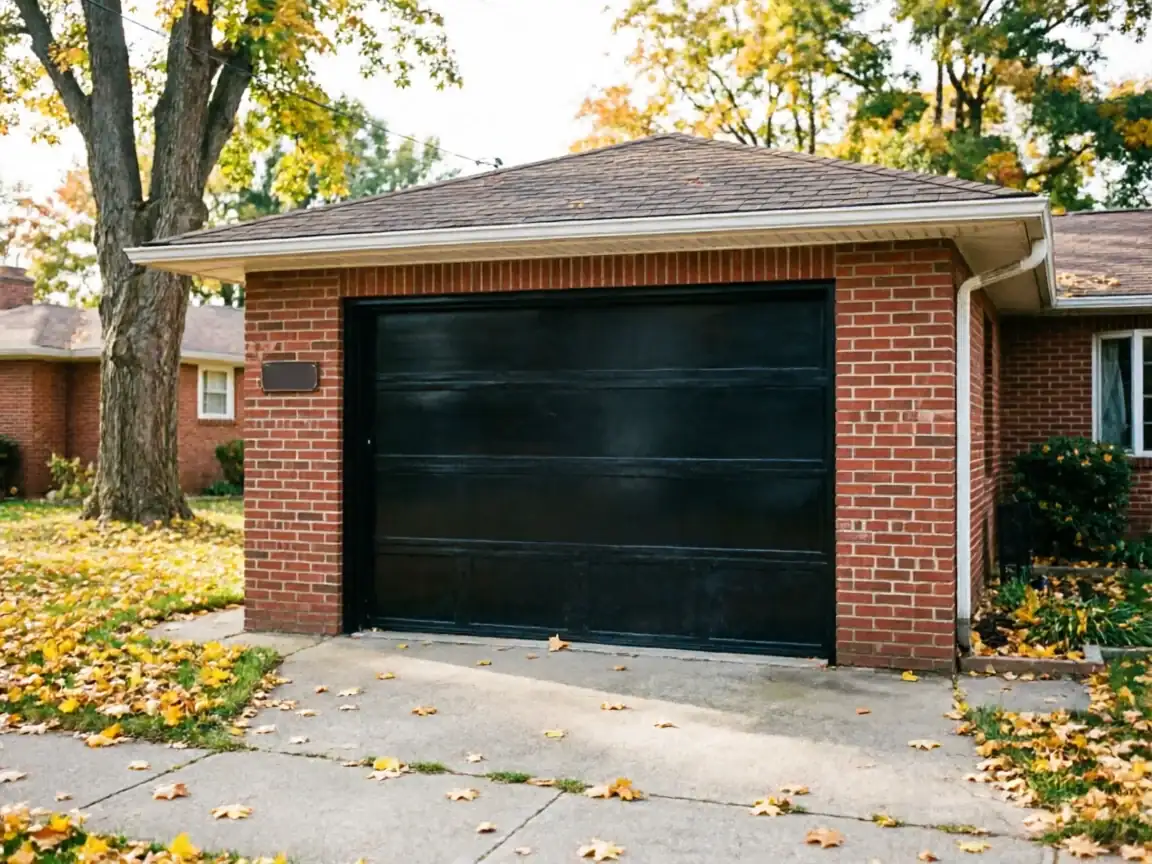
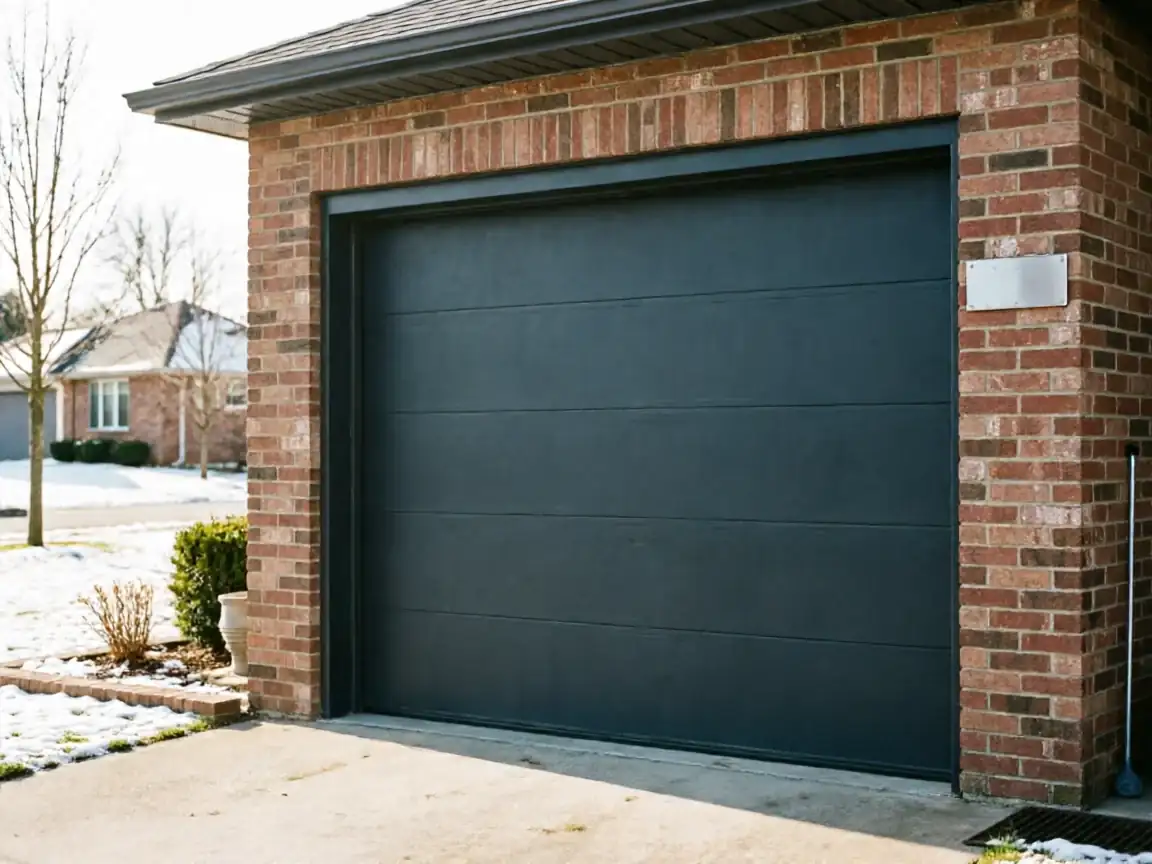
Lorain sits in a cold moderate climate band, and that matters more for garage doors than most people think. Steel springs lose tension as temperature drops, so a spring that's been marginal all summer will often finally let go on the first hard freeze. Houses built in the 1960s and 70s, which make up most of the stock across the service area, were generally built with single torsion springs rated for the door weight at the time, not the heavier insulated doors many owners have since installed. That mismatch means the original spring is working harder than it was designed for, year after year, until it snaps. Older one-piece doors on side-mounted track are also common on this older housing, and that hardware doesn't flex the same way modern sectional doors do when the slab settles or the opening shifts slightly with age. None of this is unique to one street or one subdivision - it's a function of when the house went up and what the winters do to steel.