When the Power Goes Out, Your Opener Doesn't Know It's Lorain
Lorain's housing stock dates to 1968 on average, and our cold winters knock out power more than people expect. Here's what that means for your opener and manual release.
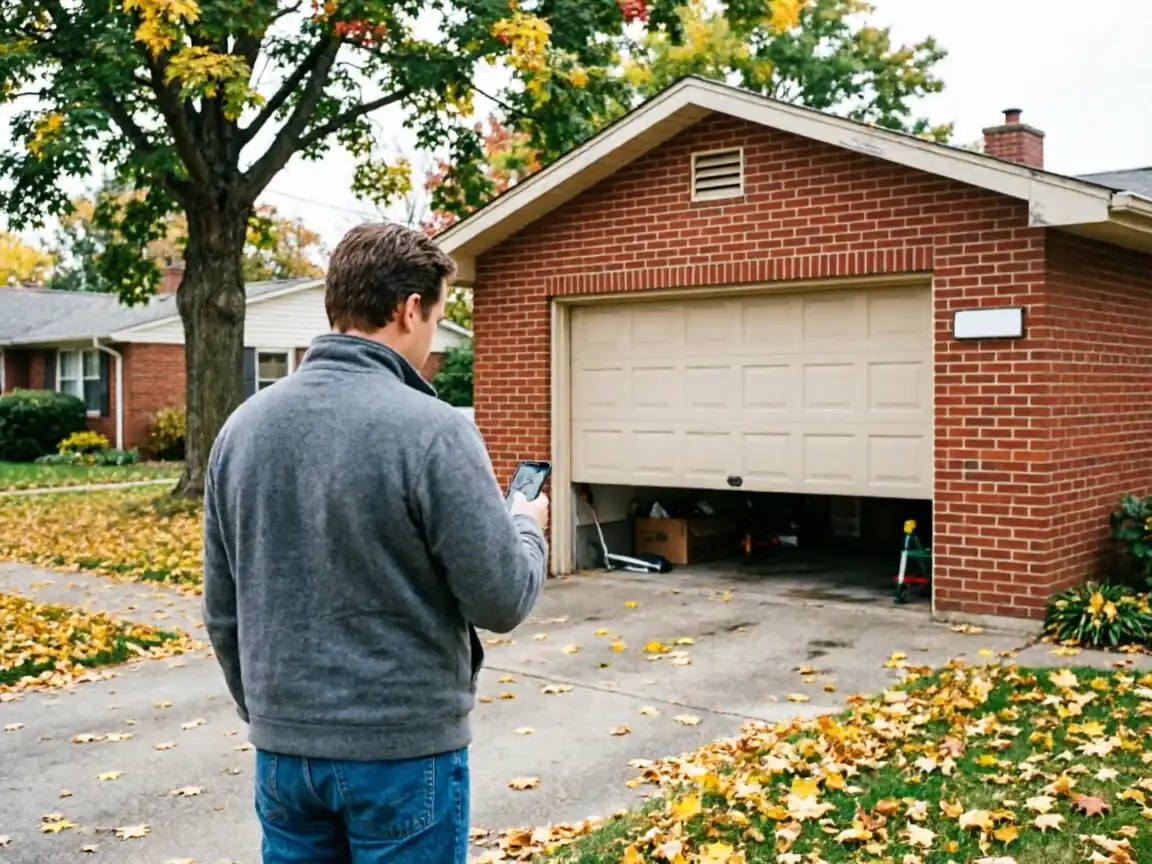
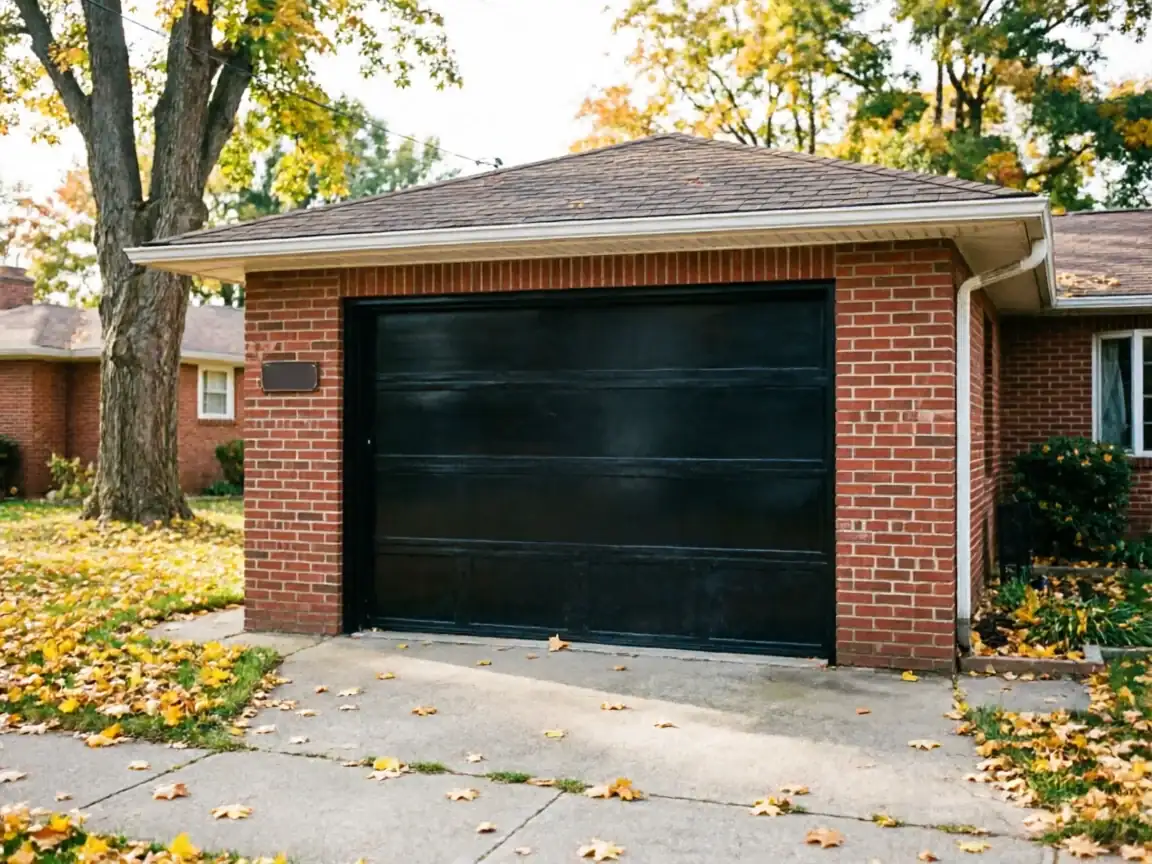
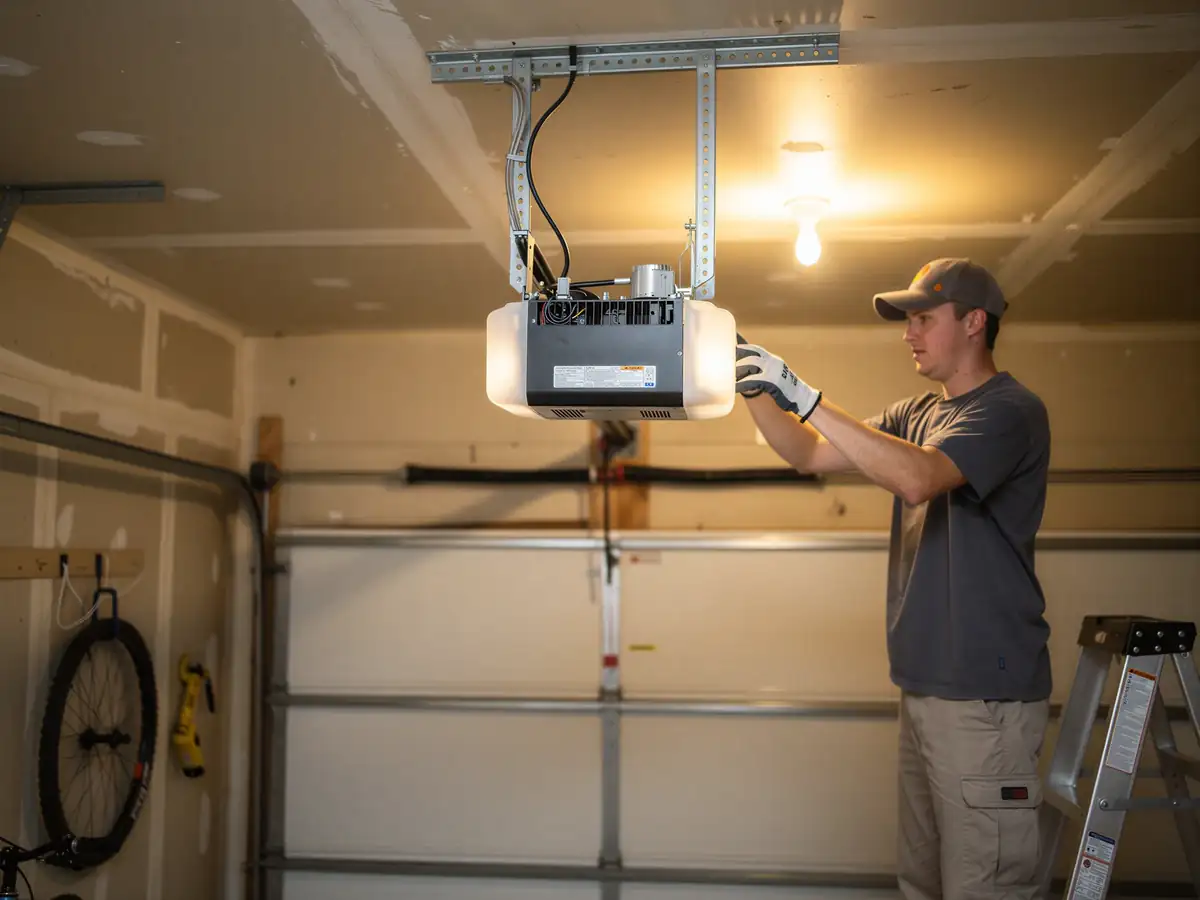
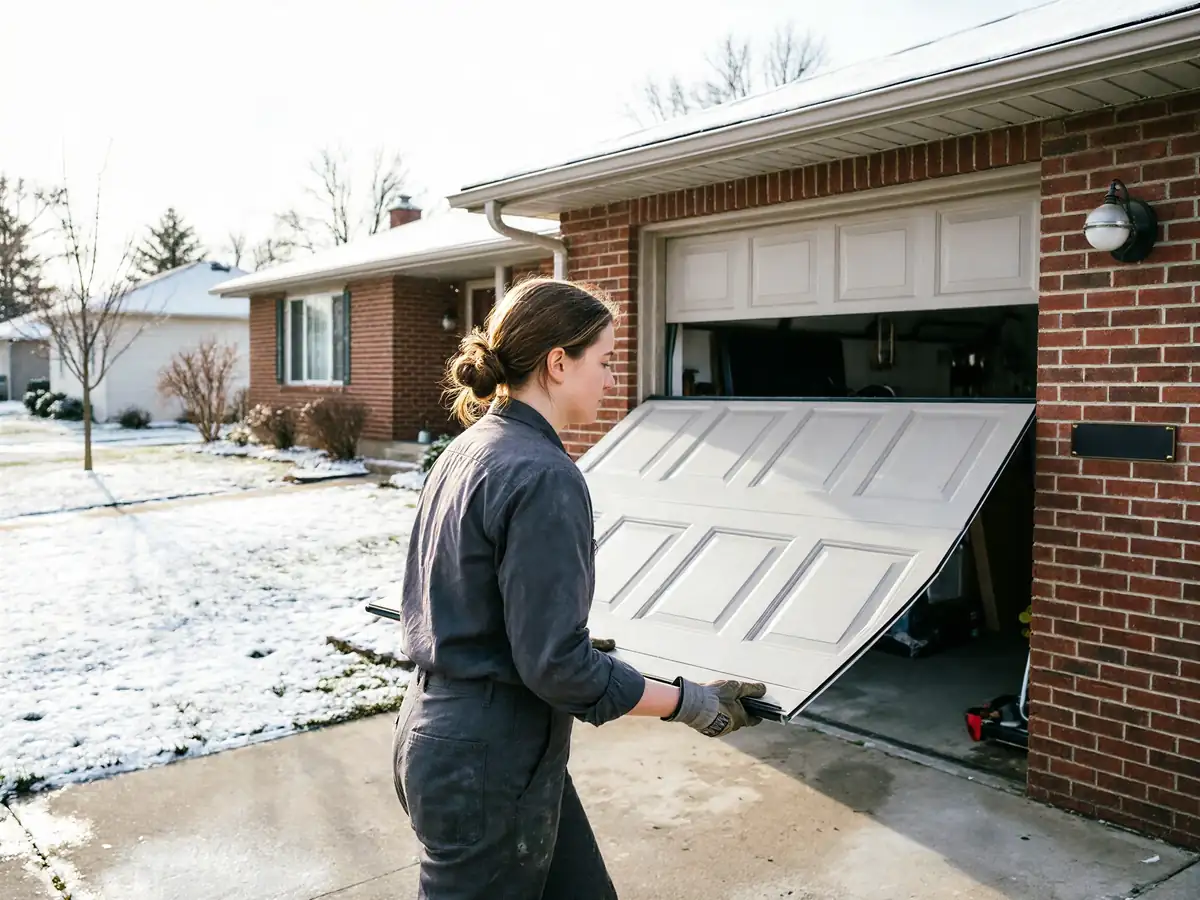
Most garage door openers in this area were installed to match houses built between 1938 and 2002, with the bulk of that stock going up in the 1960s and 70s. A lot of those original chain-drive units got swapped out over the decades, but the wiring behind them - the outlet, the breaker it sits on, sometimes the whole electrical panel - is often original to the house. When the power cuts, which it does here more than homeowners like to admit, that opener goes dead no matter how new the motor head is. The door sits wherever it stopped, and if you're mid-cycle when the outage hits, that can mean a door caught half open or half closed. Most people don't think about this until it happens to them, usually at the worst possible moment, like trying to leave for work or get the car in before a storm.
The Seasonal Bit
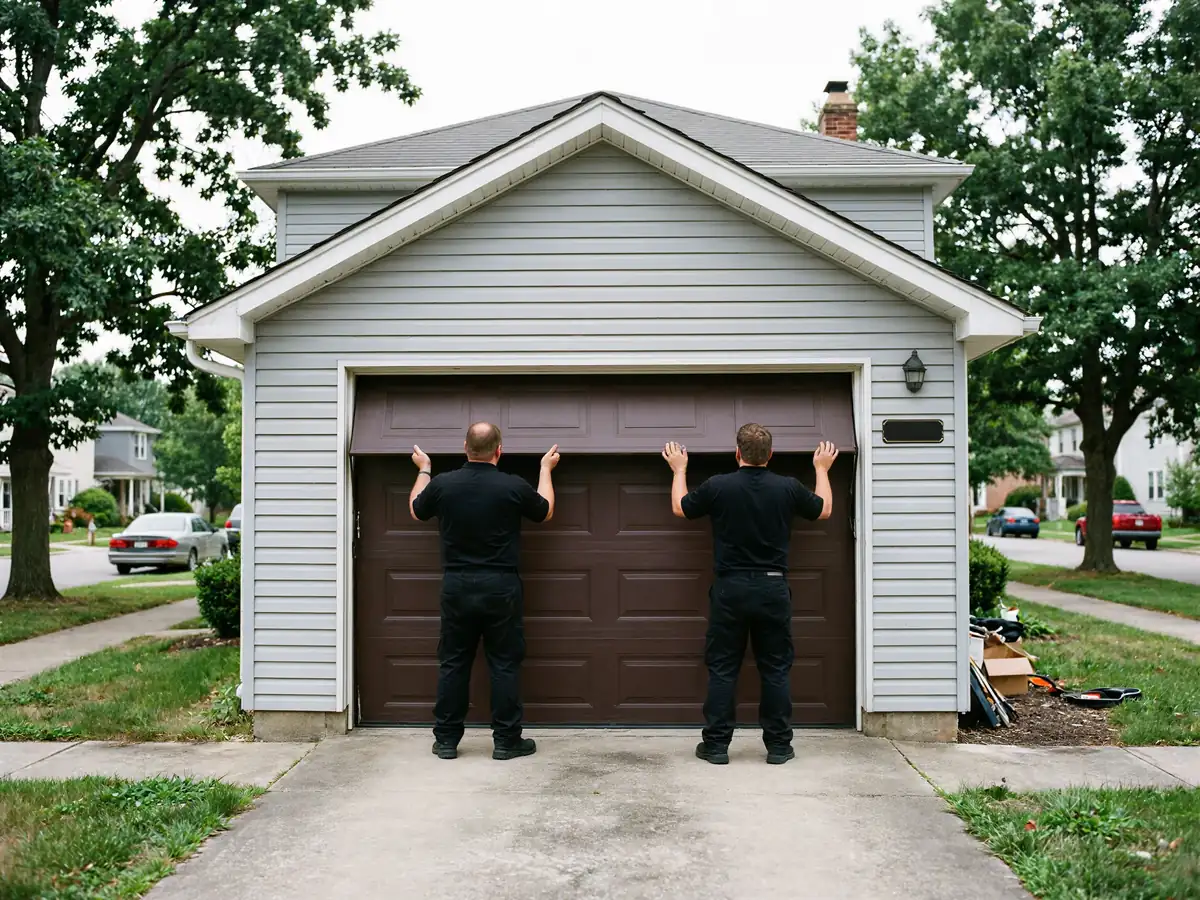
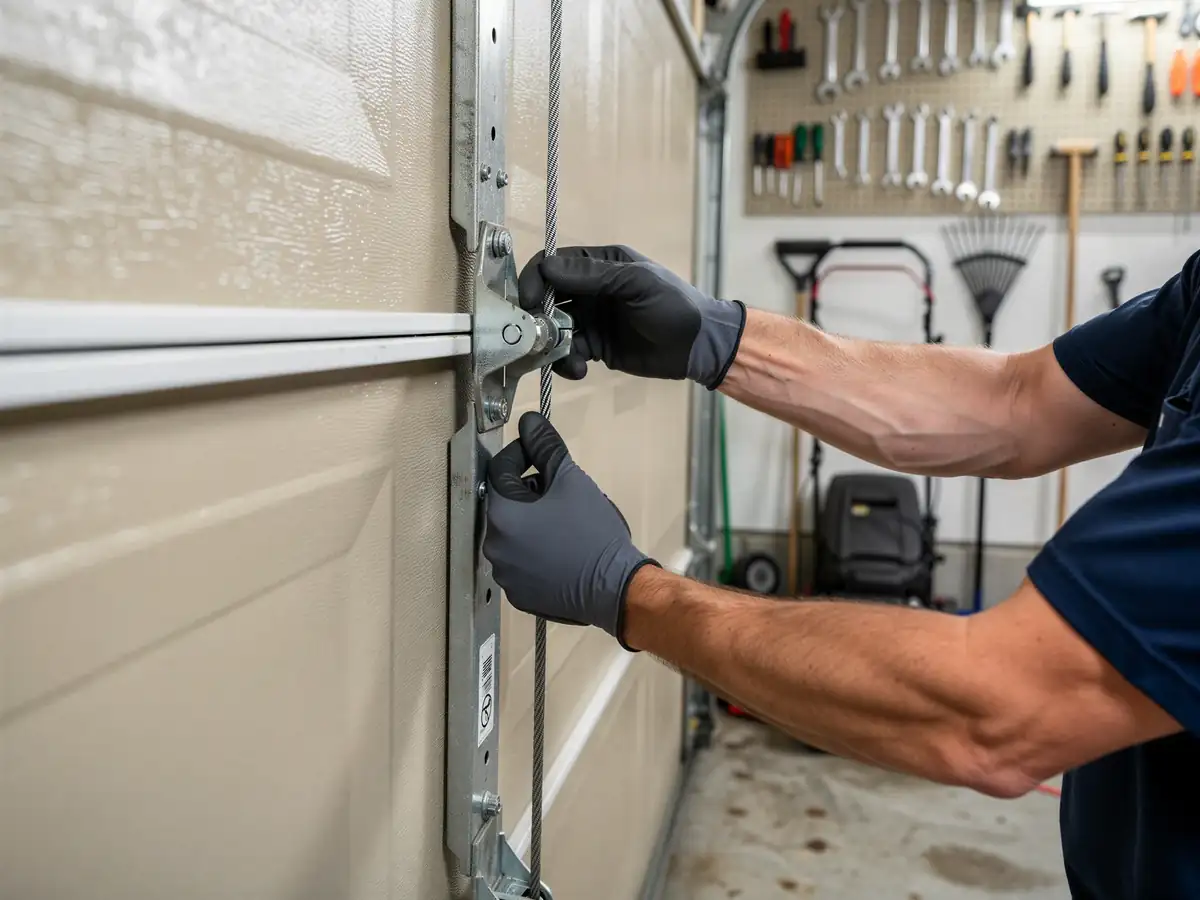
Lorain sits in a cold climate band, and that means the stretch from late fall through early spring carries real risk of power interruptions - ice on the lines, wind loading on older utility poles, the grid working harder than it does in July. If your opener doesn't have a battery backup, a winter outage leaves you with one option: the manual release cord. On a door that hasn't been pulled by hand in years, that cord can be stiff, the rollers can bind in cold track, and a spring that's already fatigued from age can make manual lifting harder than it should be. This isn't a one-time inconvenience. In a service area with over 71,000 owner-occupied houses, a decent share of them are going to lose power at least once a winter, and the opener is the first thing that stops working.
Where People Go Wrong
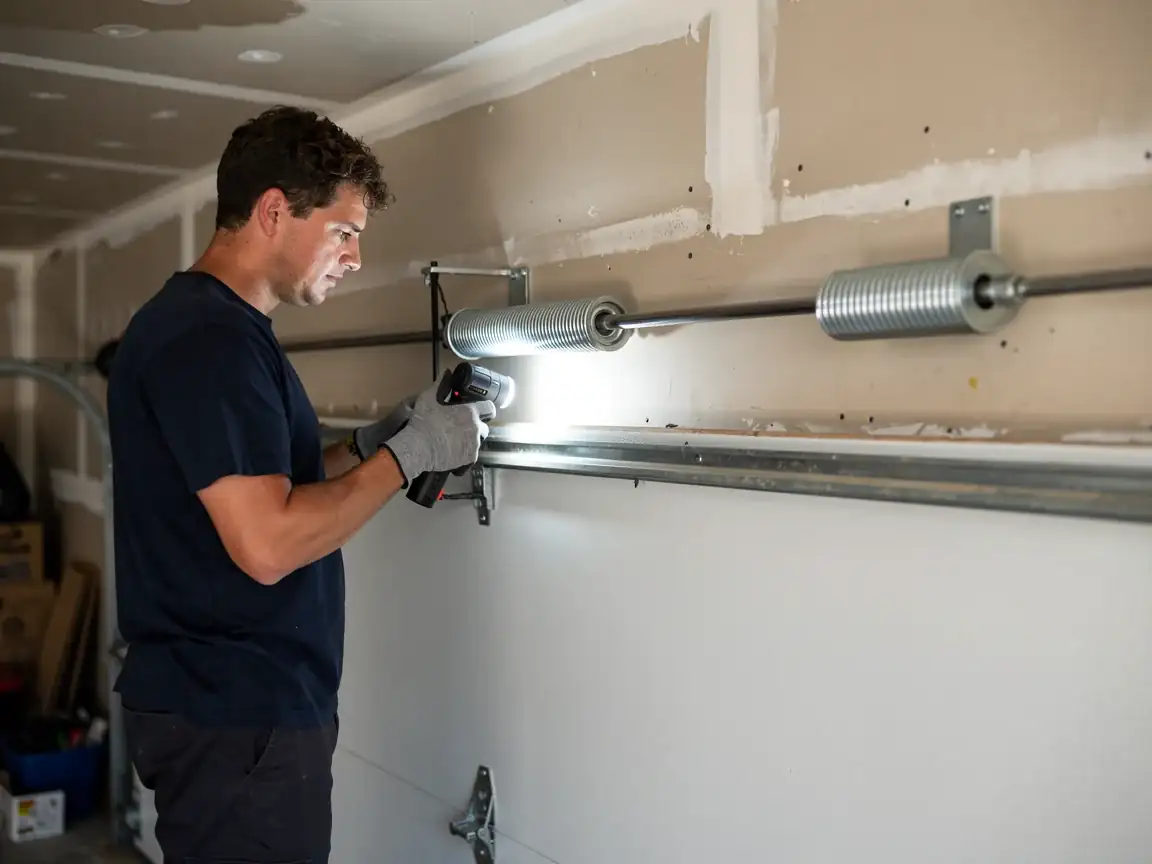
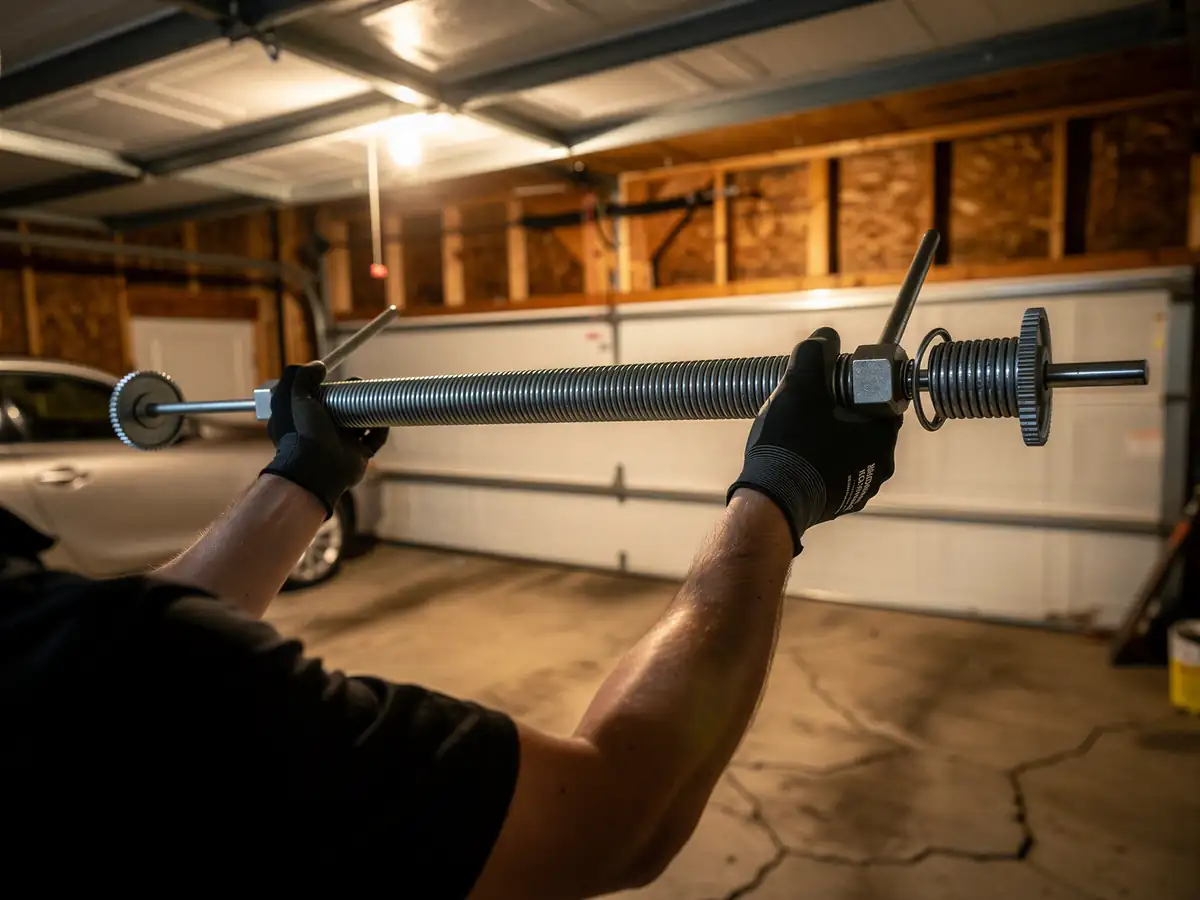
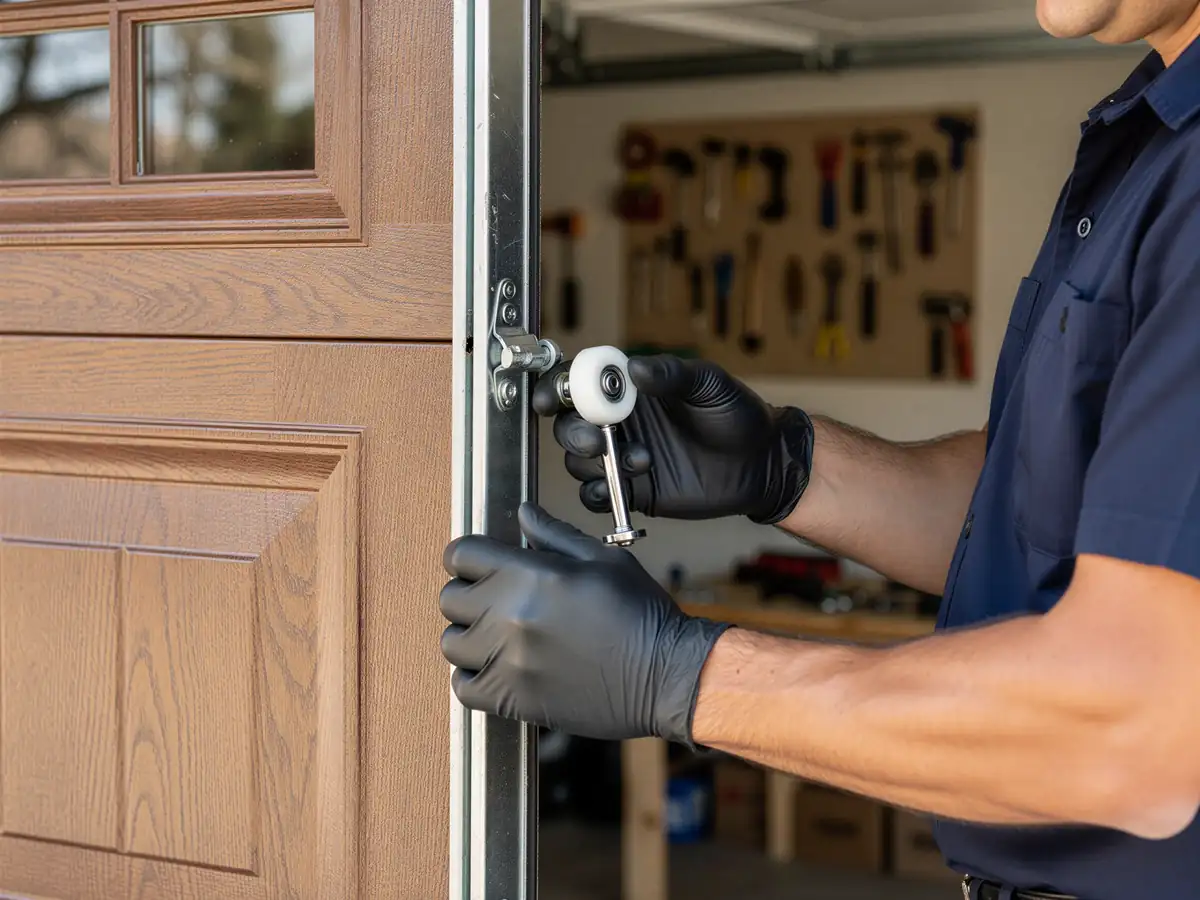
The most common mistake is treating the opener and the door as one system that either works or doesn't. They're not. We get calls where someone's replaced the opener twice thinking that would fix the problem, when the actual issue was a track or spring old enough to match the house - built sometime in that 1960s-70s window across most of this area - fighting against a motor that's trying to do more work than it should. The other mistake is ignoring the manual release until the day you need it. If you've never located that cord and pulled it once to see how it feels, you'll be doing it for the first time during an outage, in the dark, probably in a hurry. We'll say plainly: a battery backup unit isn't the right call for every door. If your spring system is already worn out, fixing that comes first - a backup battery won't help a door that can't lift on its own.
How Local Conditions Play In
Houses here run from late 1930s construction up through the early 2000s, with a median build year around 1968, spread across roughly 22 named areas of the service territory. That range matters because the electrical setups behind garage openers vary a lot house to house - some have been updated, plenty haven't. Add a cold climate with real winter outage risk, and the combination is specific to this part of Ohio: older wiring, older springs, and weather that takes the power down more than a mild climate would. We're not going to tell you every door needs a battery backup - some owners are fine keeping the manual release handy and calling it done. But if your opener is original to a house from that mid-century stretch, and you've never tested the release cord, that's worth doing before the next cold snap, not during it.
Does my garage door opener still work if the power goes out?
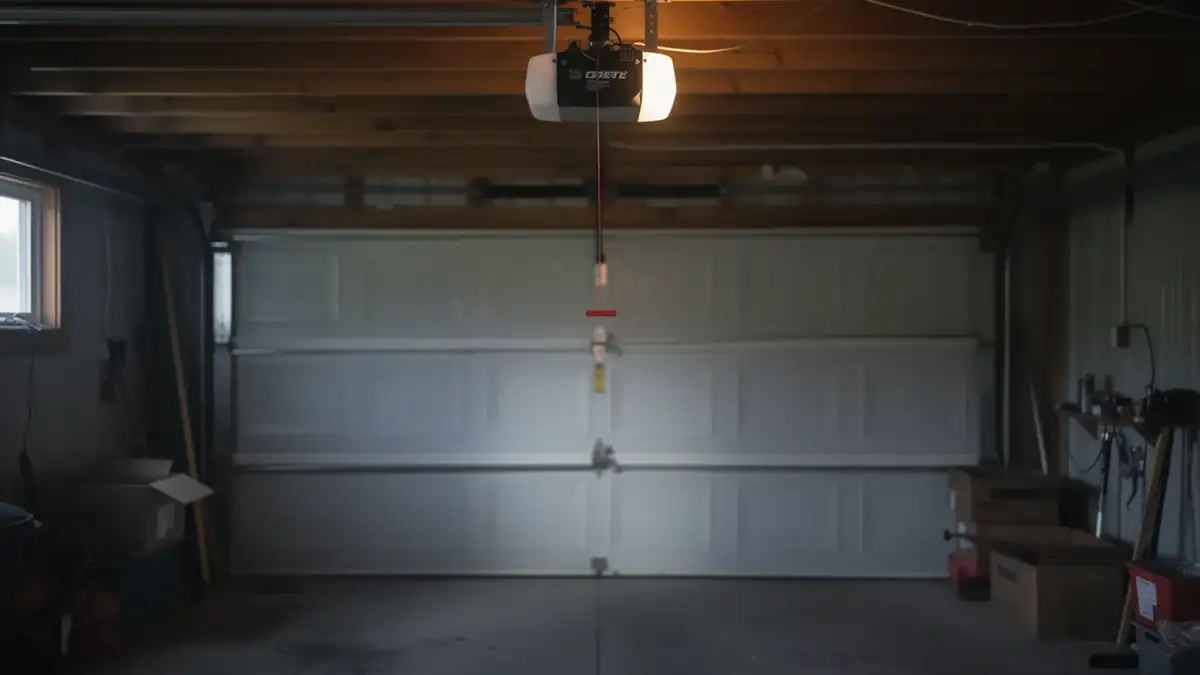
Only if it has a battery backup. Without one, the motor won't run, and you'll need to pull the manual release cord to open or close the door by hand. Given how often this area sees winter power interruptions, it's worth knowing where that cord is and that it moves freely before you actually need it.
Is a battery backup worth it for an older Lorain house?
It depends on the shape of your spring system first. If your springs and track are original to a house from the 1960s-70s and already strained, a backup battery just means the motor keeps trying to lift a door that's fighting against worn hardware. Fix the mechanical side before adding backup power.
Why does my manual release feel stuck?
On older doors that haven't been hand-operated in years, the release cord and the rollers it depends on can stiffen up, especially in cold weather. It's not usually a sign of failure, but it's worth testing occasionally so you're not fighting it for the first time during an outage.
Ready to get your garage door sorted?
Tell us what it’s doing and where you are in Lorain - we’ll take it from there.