The Problem
Most houses in Lorain went up between 1938 and 2002
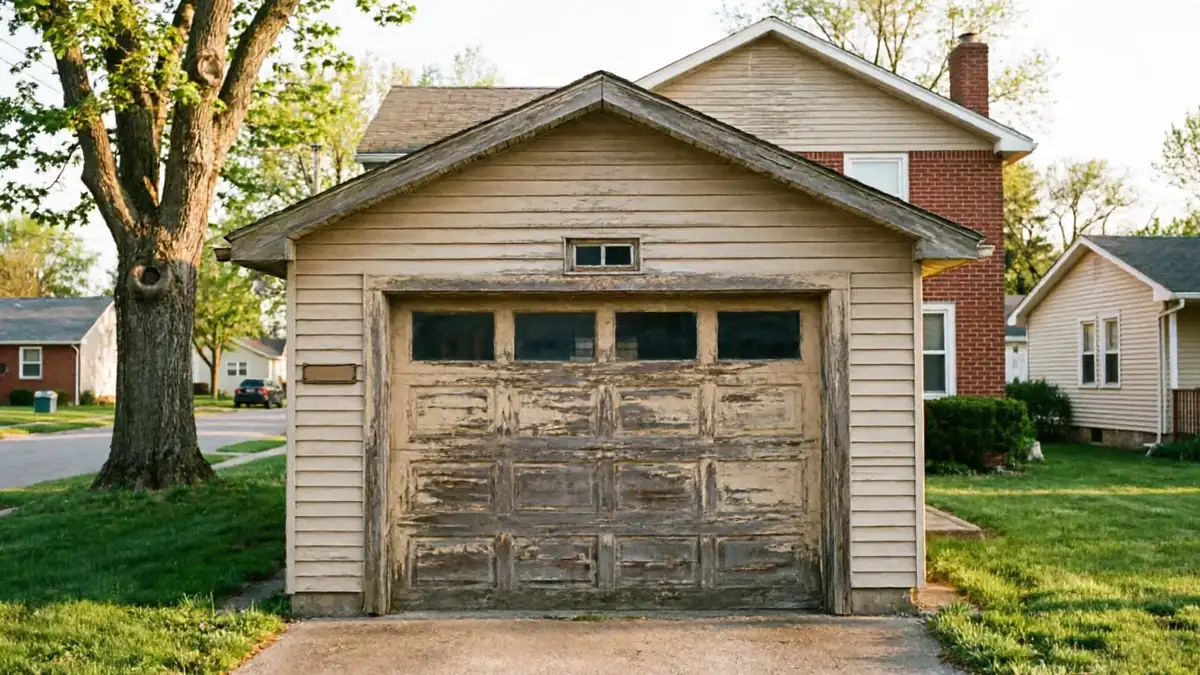
But the bulk of that stock dates to the 1960s and 70s across the area's 22 named neighborhoods. That means a lot of garage doors still on their original track hardware were installed before foam-core insulation was standard construction. You're not dealing with a modern sandwich panel - you're dealing with a single layer of steel or a solid wood slab that's been swinging on the same rollers for 50-plus years.
The question we get isn't "should I replace my door"
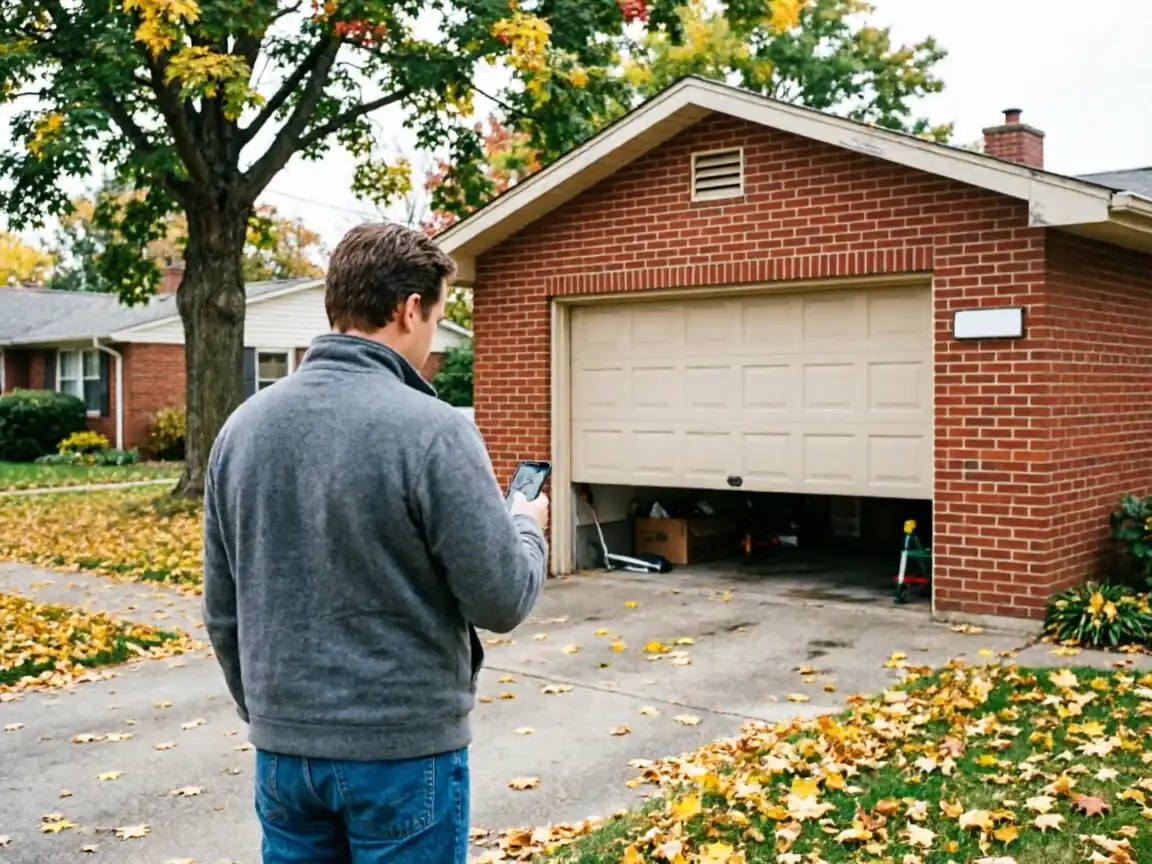
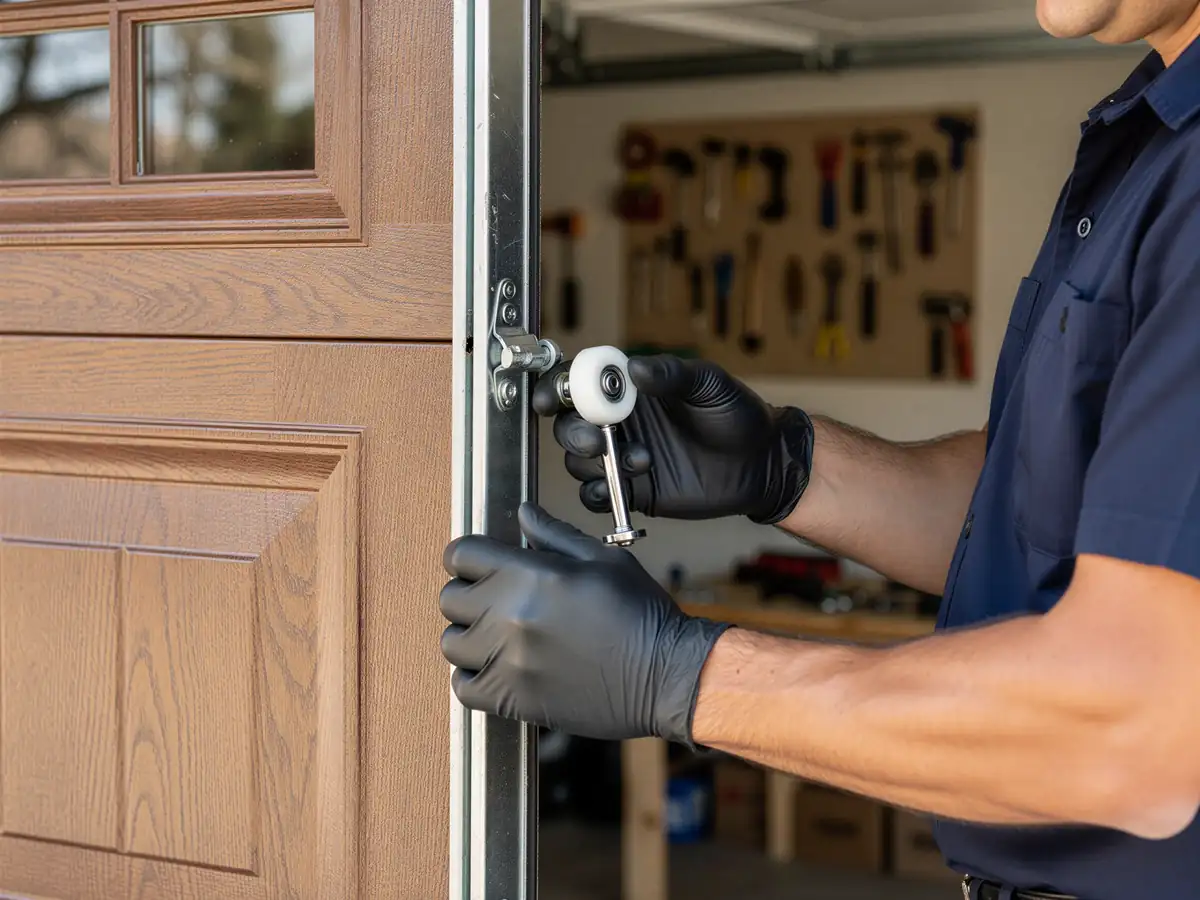
It's "is this thing even worth fixing anymore." With 71,792 owner-occupied houses out of 120,268 households across the service area, that question comes up constantly, because so many of these doors are original or close to it. A door from that era can usually take a new spring, new rollers, even a new bottom seal and keep running for years. What it can't take is a bent track that's been bent for a decade, or a panel that's been patched so many times the steel is thinner than the paint on it.
- 71,792 owner-occupied
- 120,268 households
The Seasonal Bit
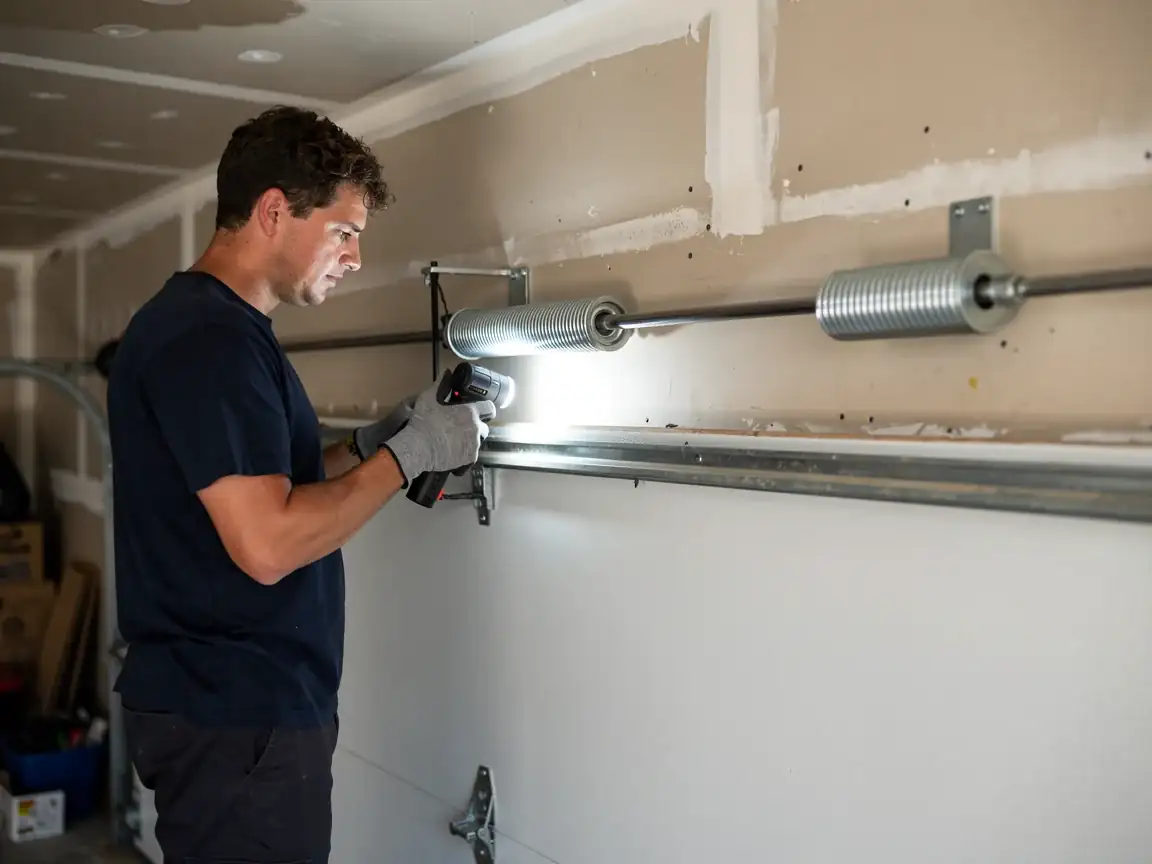
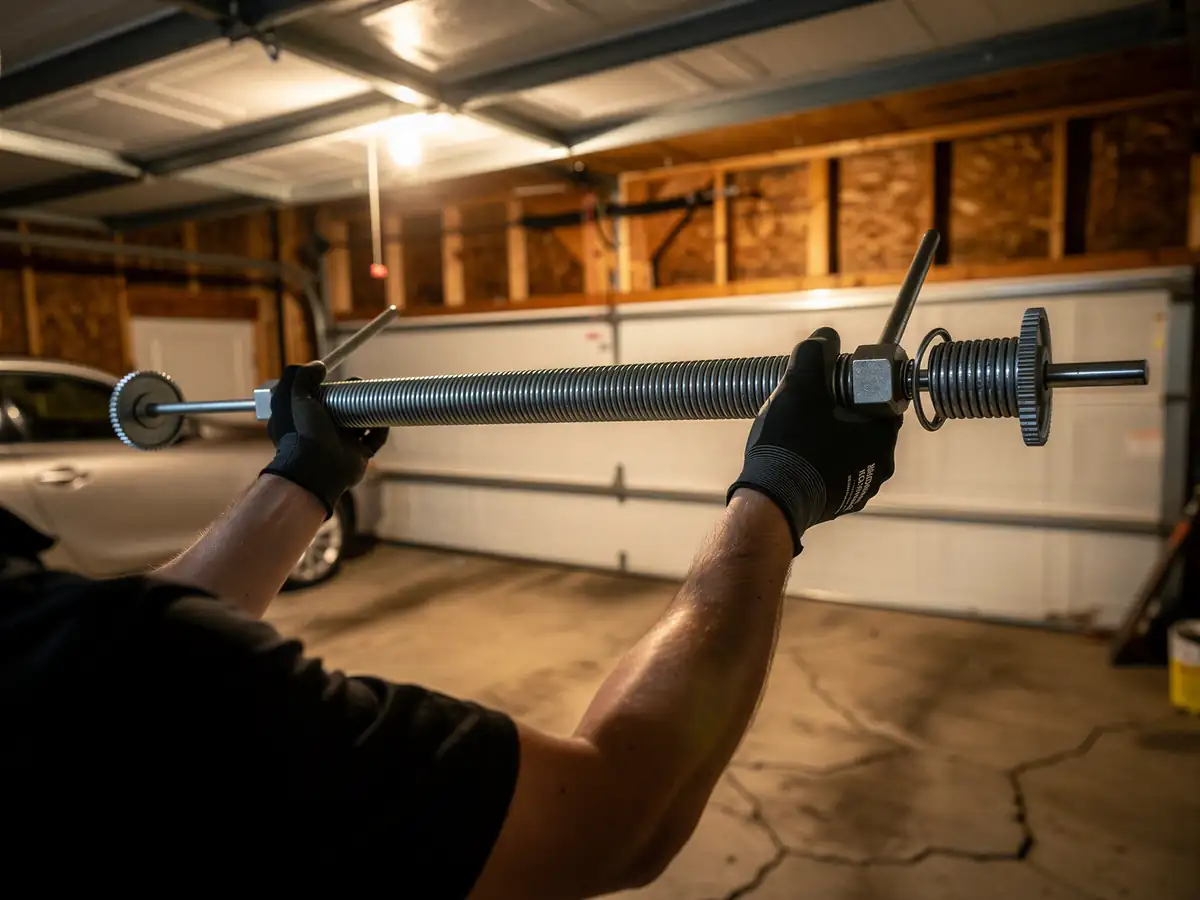
Lorain sits in a cold, moderate climate band, and that matters more for an old door than a new one. A door built decades ago wasn't engineered with the same weatherstripping tolerances or the same spring steel alloys you'd get today. Over enough freeze-thaw cycles, the metal fatigues differently - a 1968 torsion spring that's survived fifty winters is closer to its failure point than its rated cycle count would suggest, even if it looks fine sitting still.
Cold also changes what "fixable" means in the moment. A spring that snaps in January behaves differently than one that snaps in July - the steel is more brittle, and the door tends to come down harder and faster. On an older door with worn cable or a track that's already out of true, that extra force is often what turns a simple spring job into a full section replacement. We'd rather catch the wear in October than get the call in January.
Where People Go Wrong
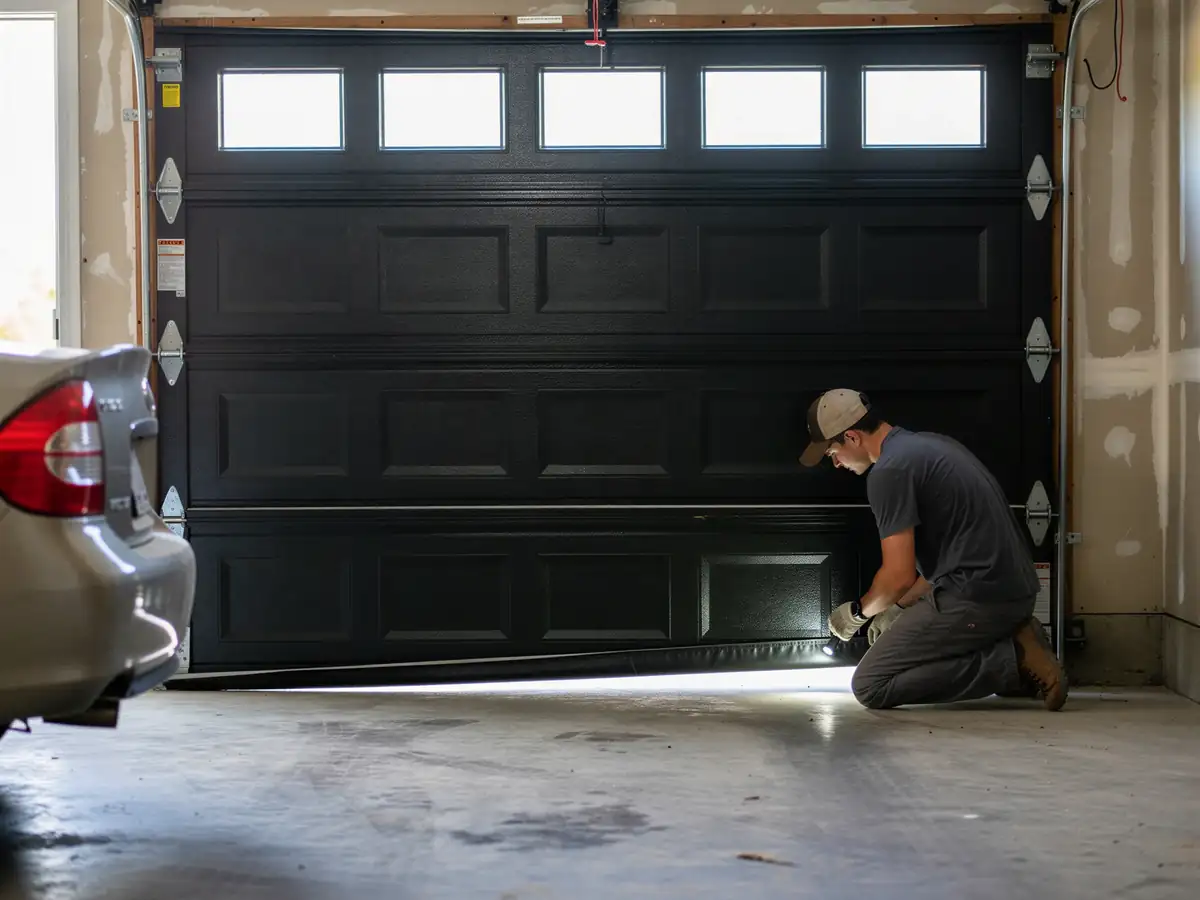
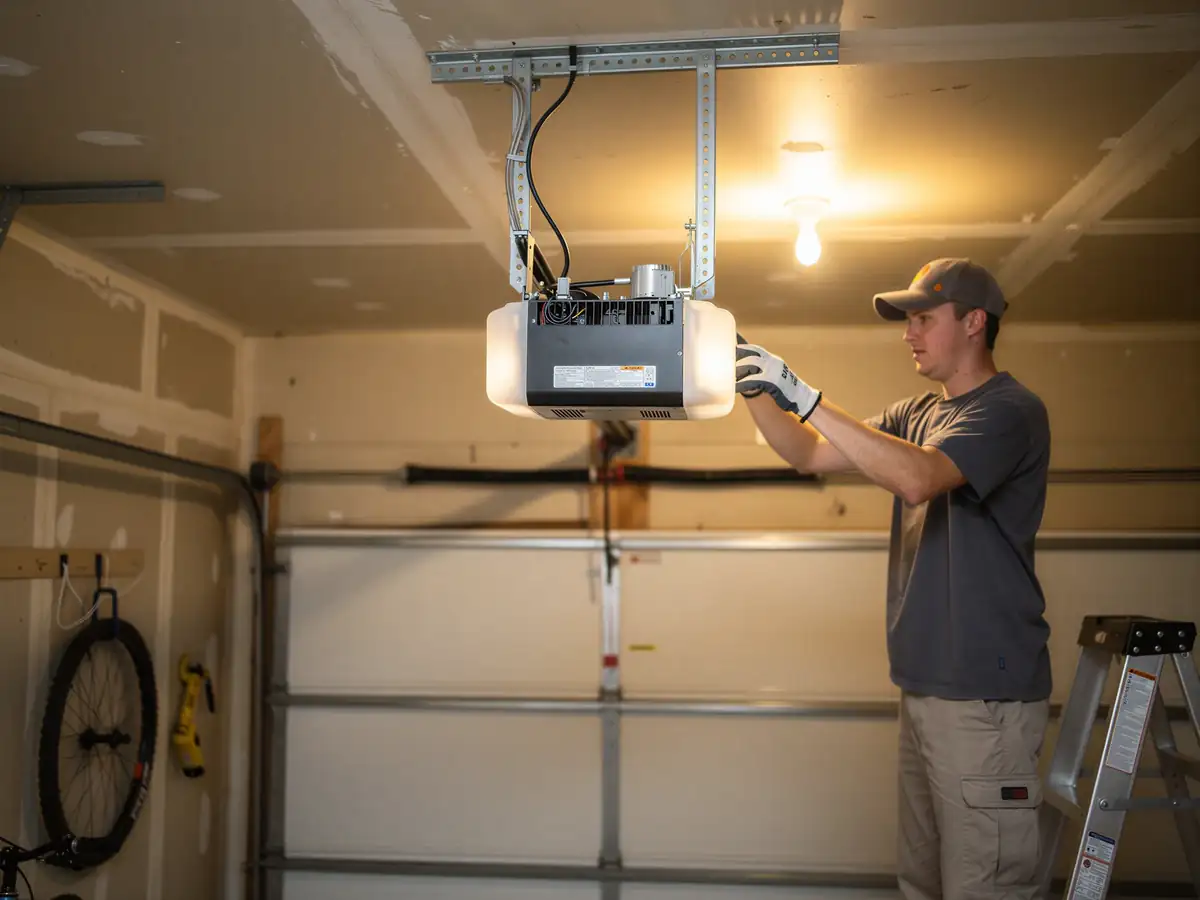
The most common mistake we see on older Lorain houses is spending real money fixing the wrong part. Somebody replaces the opener because the door is slow and noisy, when the actual problem is 50 years of grime and rust in the track. The opener was never the issue - a new motor doesn't fix a door that's binding on bent rail.
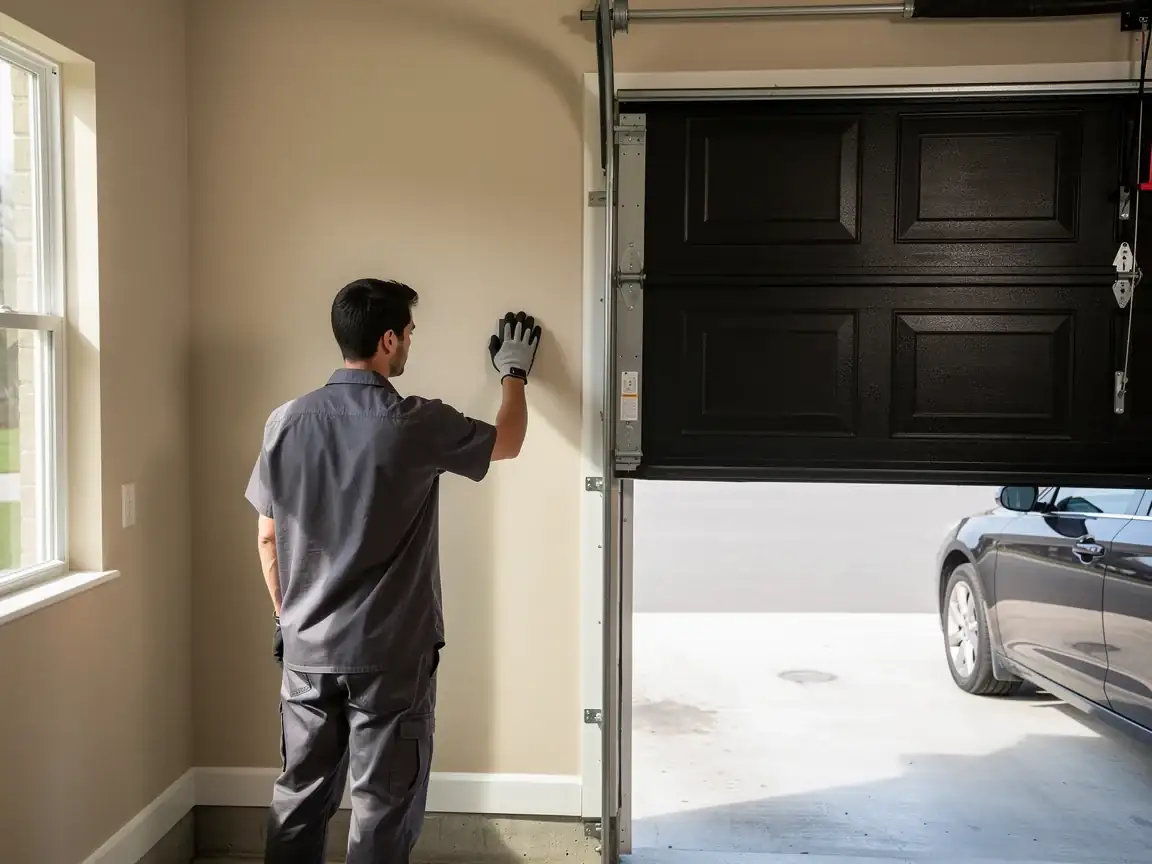
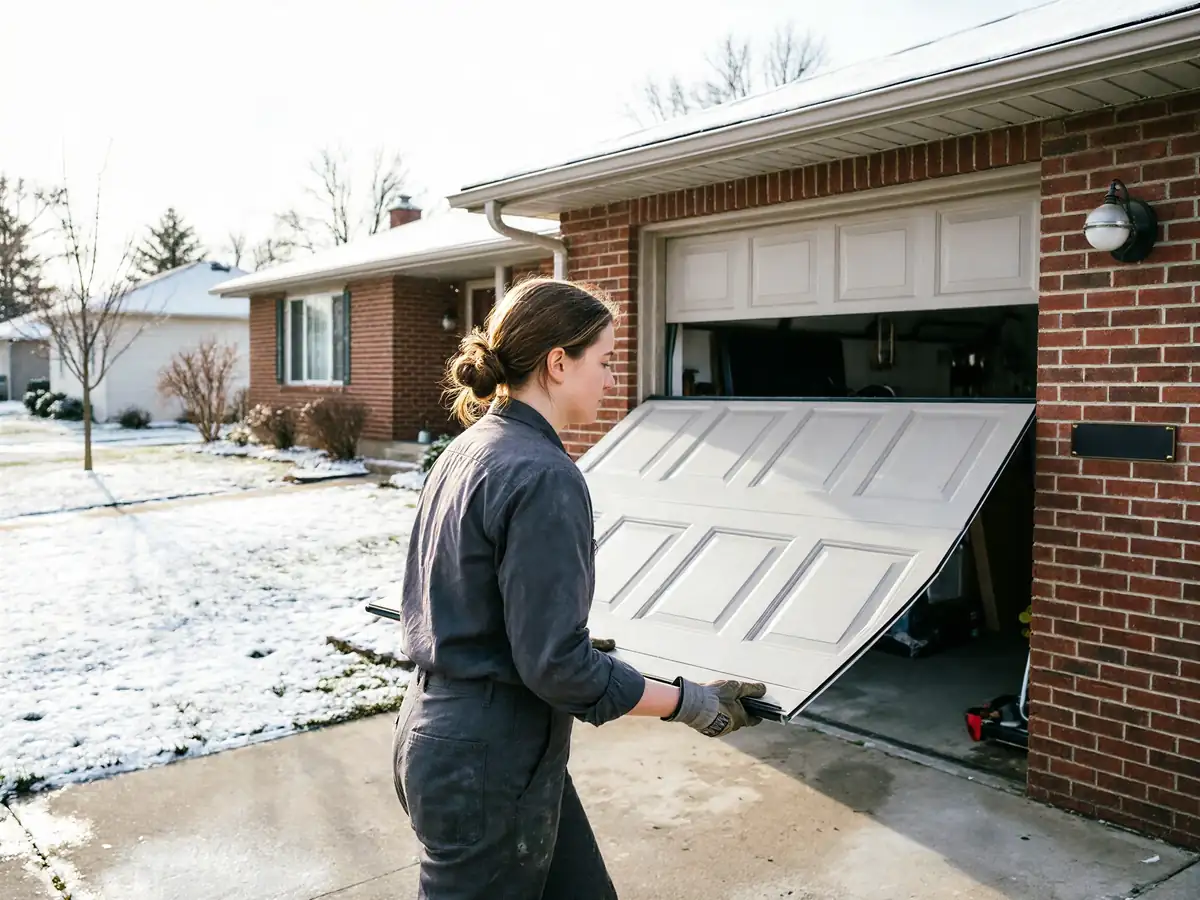
The other mistake runs the opposite direction: assuming anything old should just be replaced outright. At a median household income of $86,893 in the area, replacement is a real expense, and a lot of these doors don't need it. A solid wood or steel door from the 1960s-70s building wave, with sound panels and a square frame, is often a better candidate for new springs, rollers, and a bottom seal than for a full teardown. We'll tell you straight when a door isn't worth saving - rotted wood panels, rusted-through steel, or a track that's been reshaped by one too many impacts - but we won't talk you into a new door just because the old one is old.
How Local Conditions Play In
Given how much of Lorain's housing dates to that 1960s-70s stretch
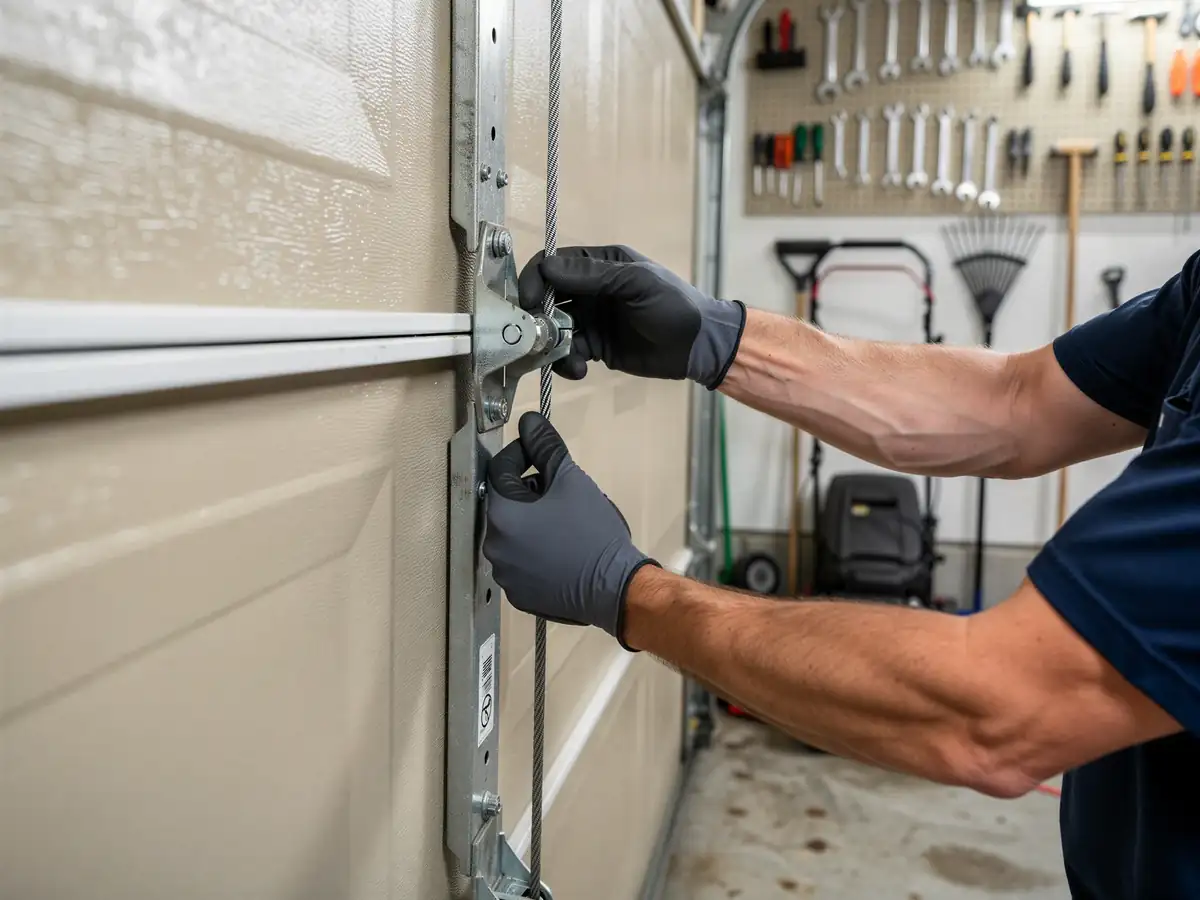
We see the same handful of failure points over and over: torsion springs original to the house, steel rollers instead of nylon, and tracks mounted with hardware that nobody stocks new anymore. None of that means the door is done. It means the fix has to account for parts that may need to be sourced or adapted rather than ordered off a shelf, which can add a day or two to a repair that would otherwise be same-day.
The cold-moderate climate here also means weatherstripping wears unevenly
The bottom seal on a north-facing door takes more abuse than one that gets afternoon sun. On an older door, that uneven wear is often what's actually driving the draft or the water coming in, not the panels themselves. Before we tell a homeowner they need a new door, we check whether the age of the house, not the age of the door, is what's really driving the complaint - and sometimes the honest answer is that the frame has settled and no door, new or old, is going to seal perfectly against it.