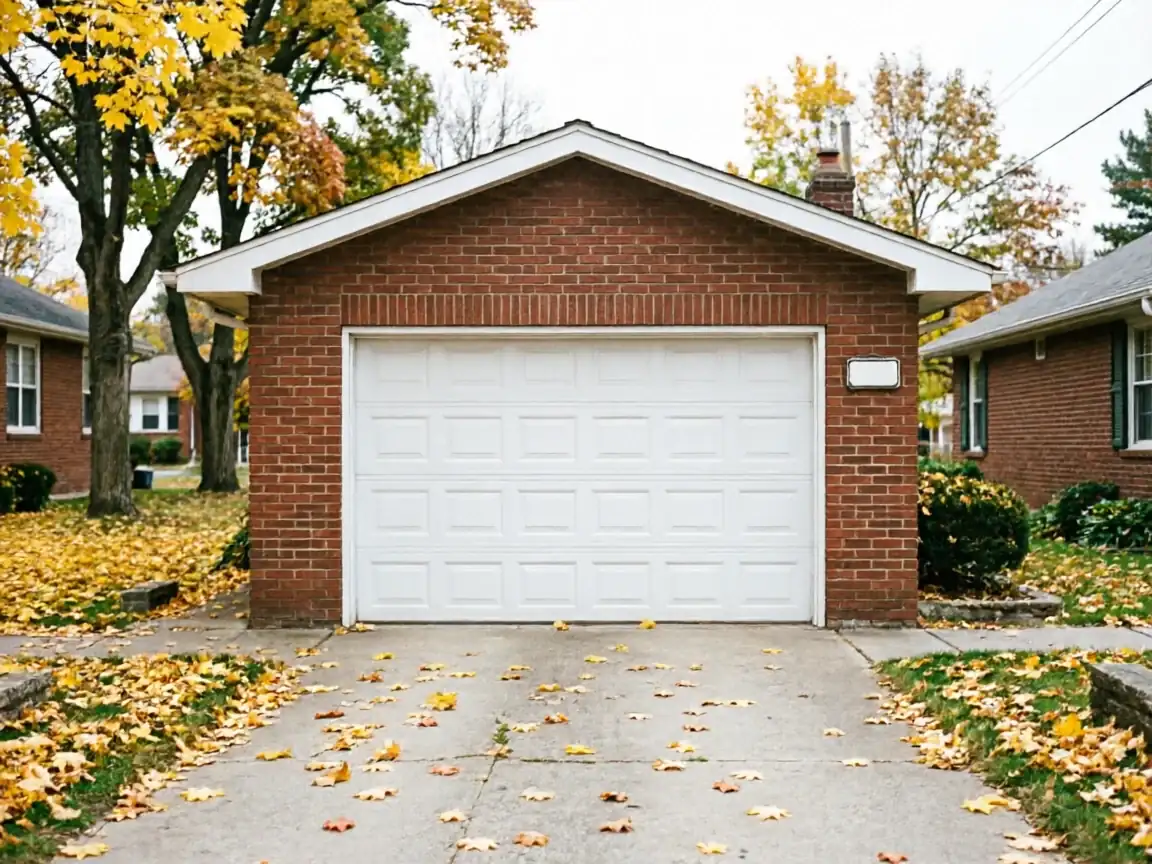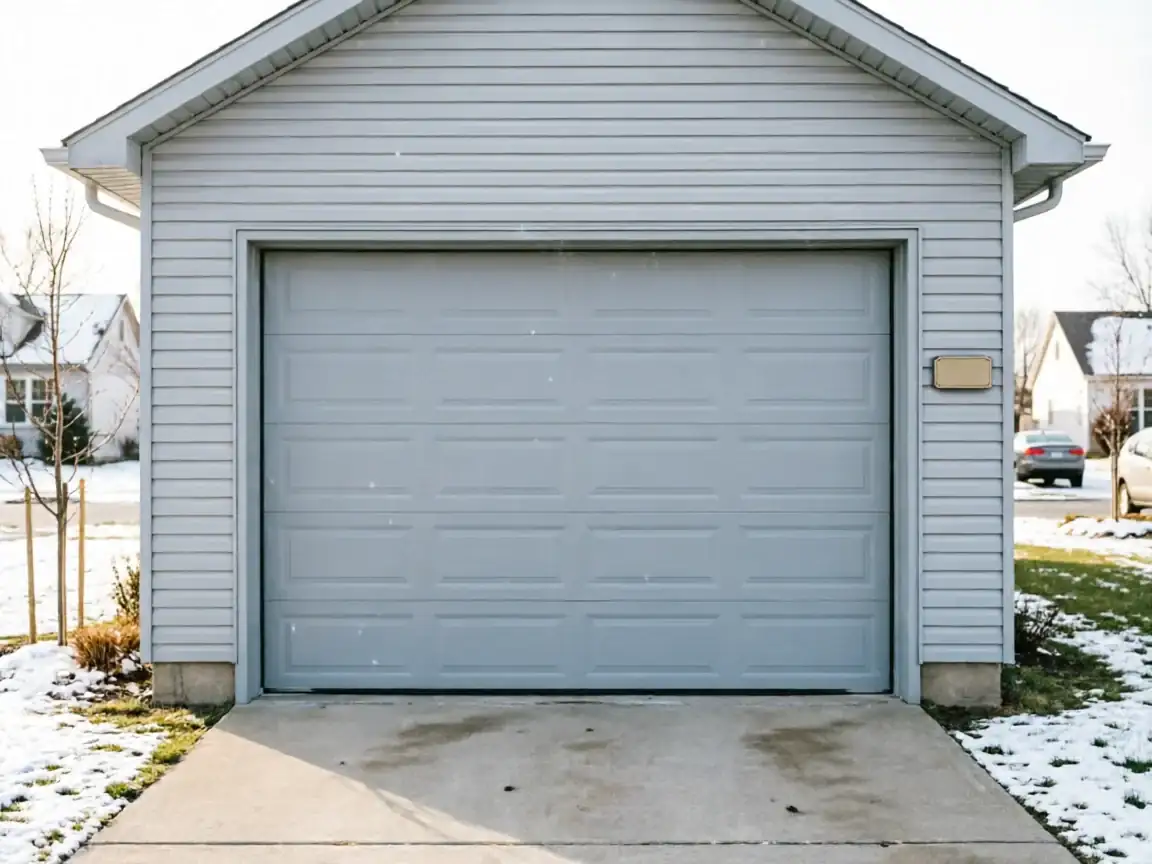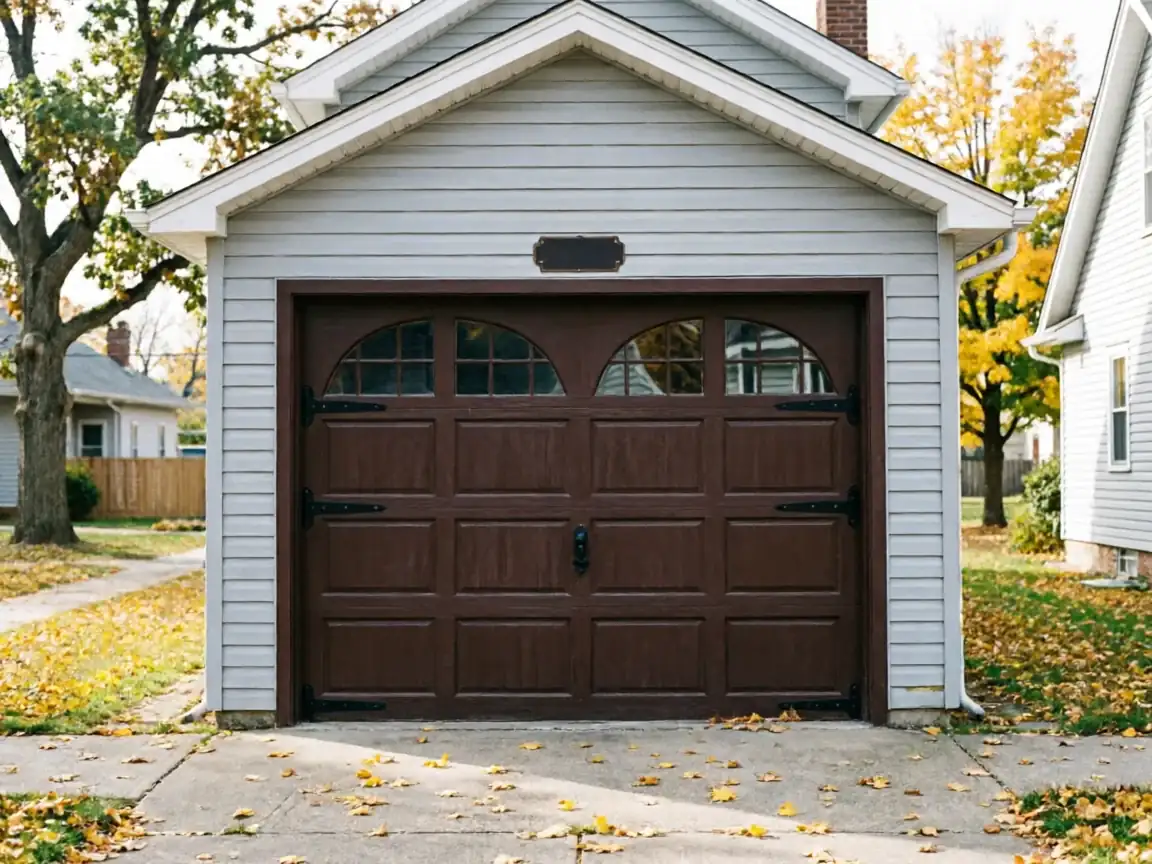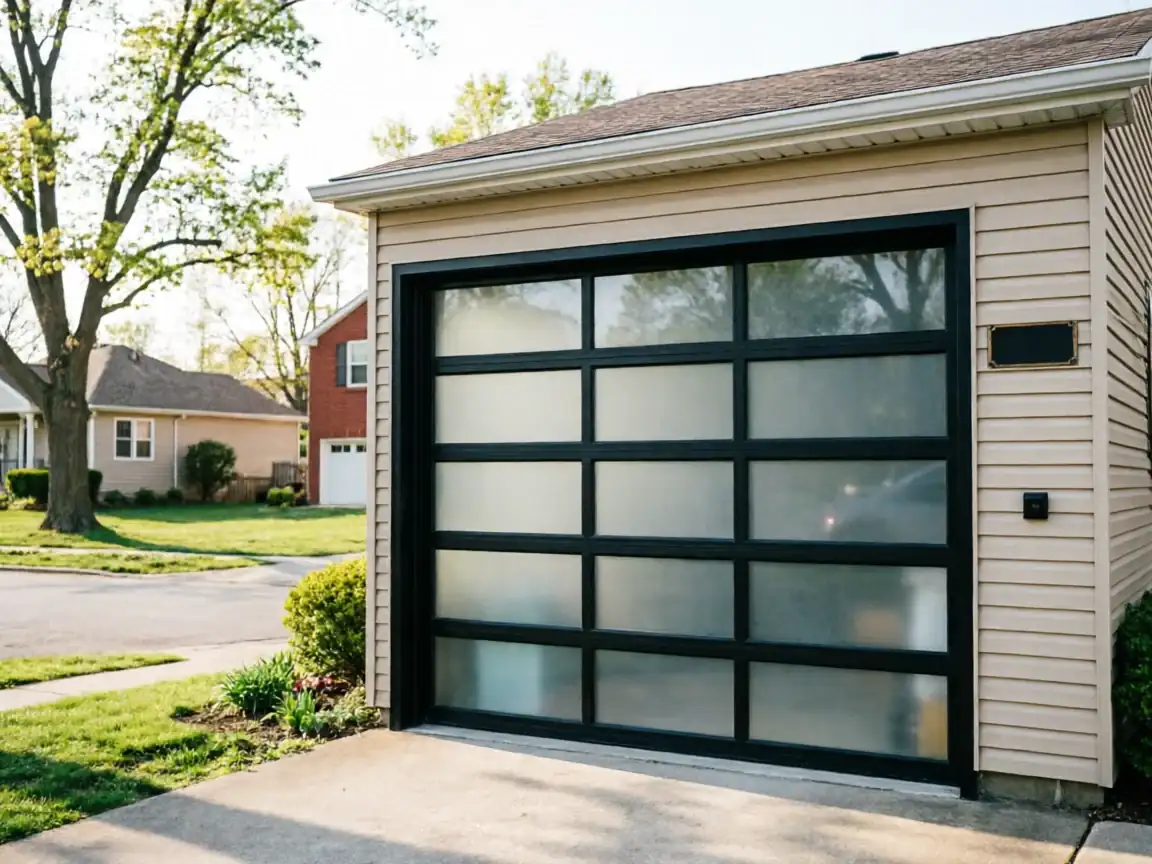
How That Shows Up in the Door
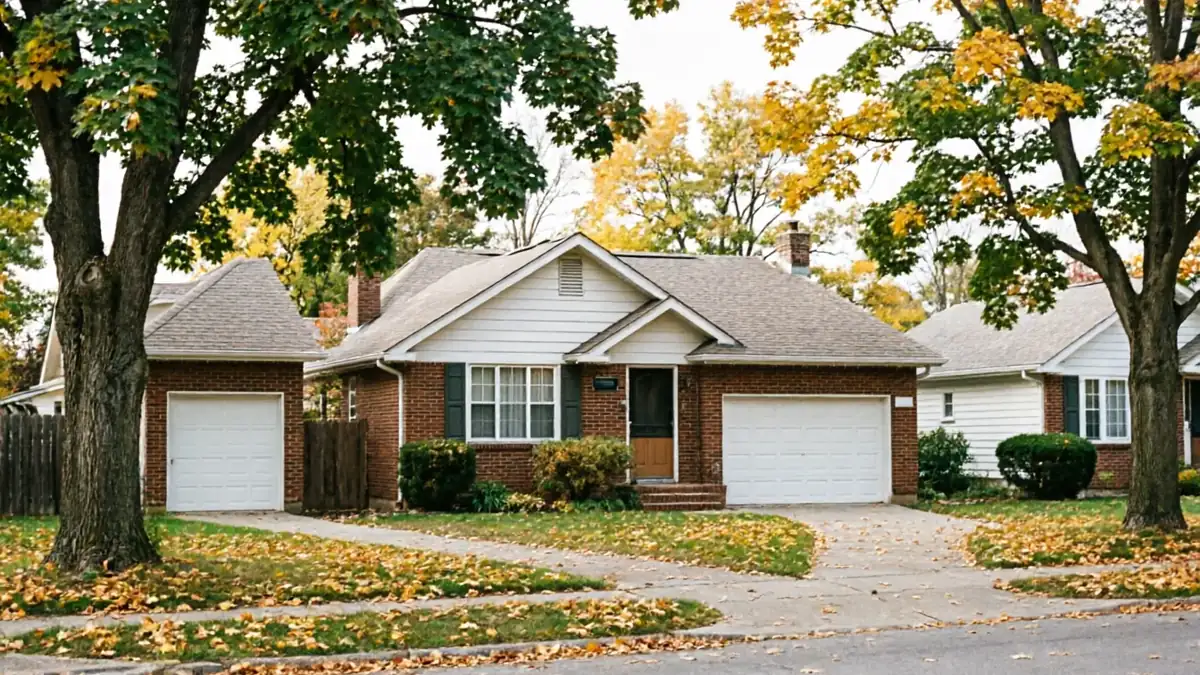
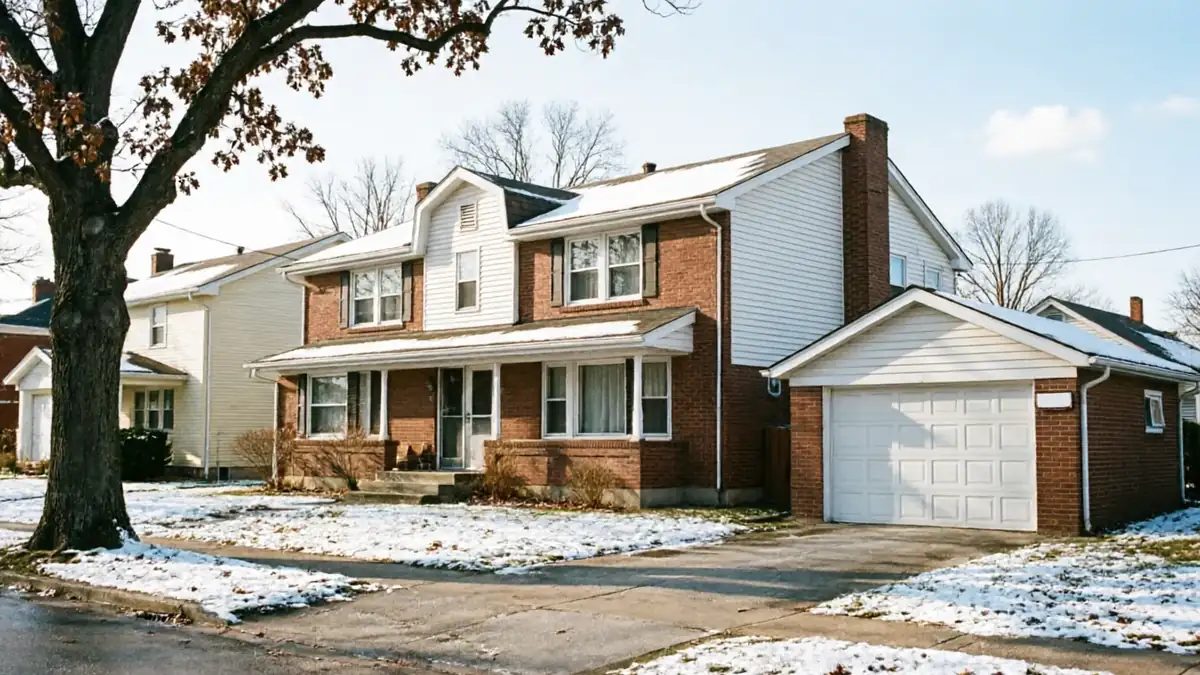
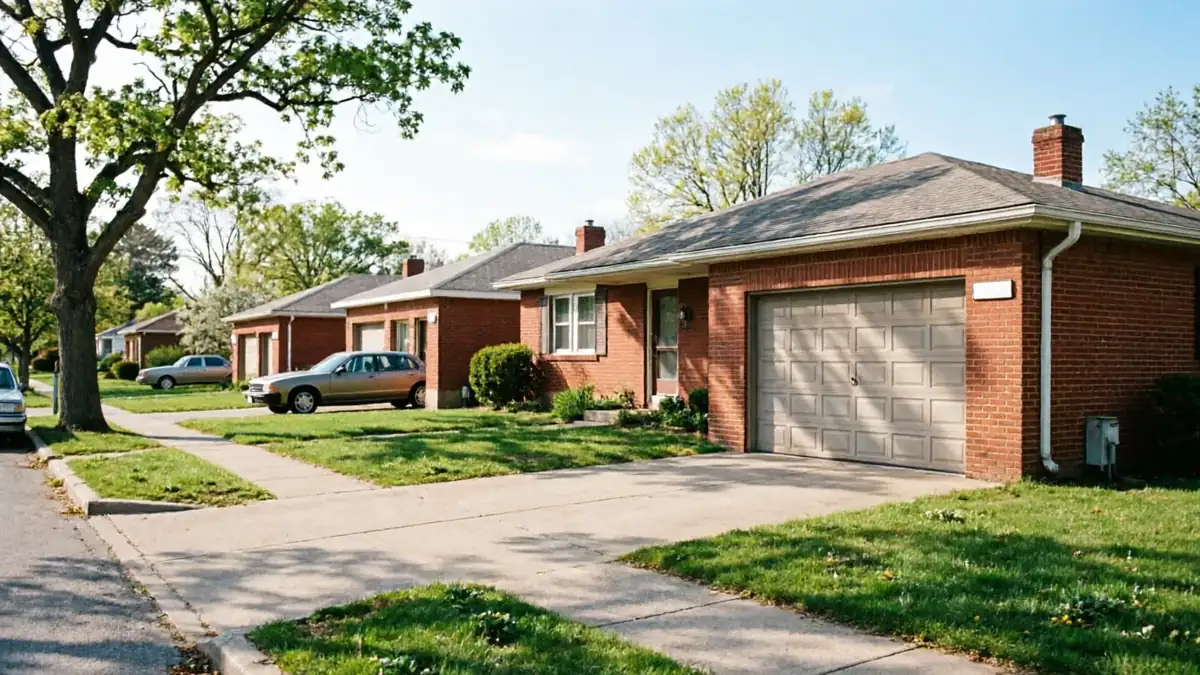
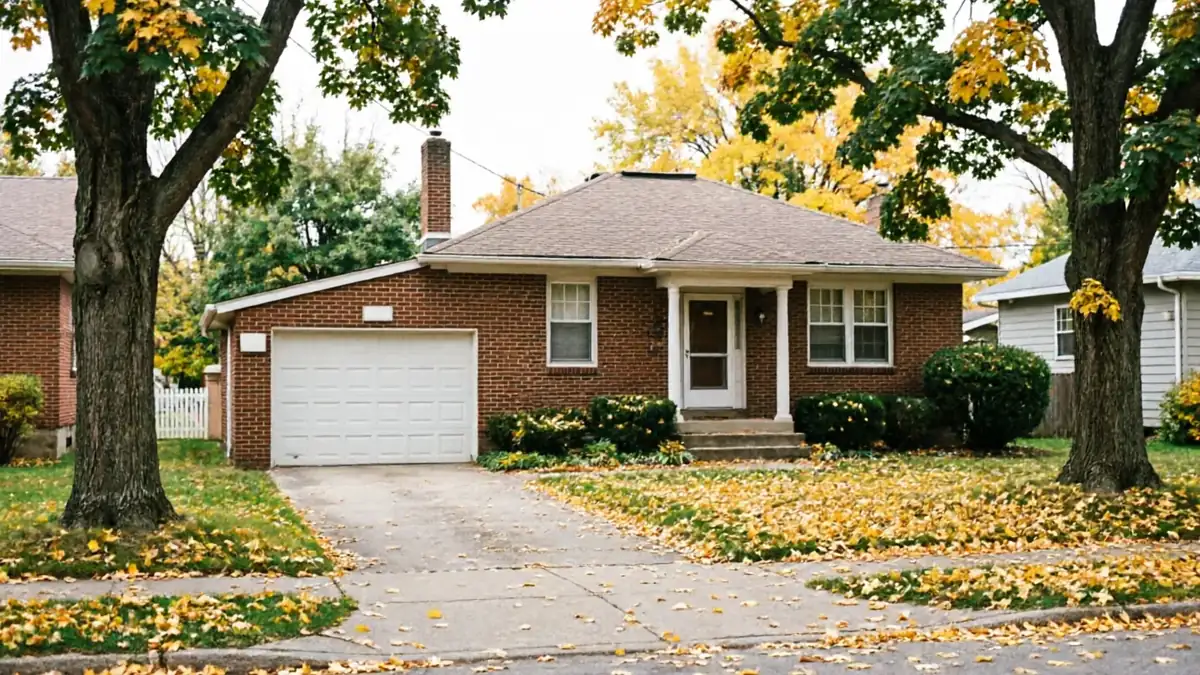
Bay Village's median house dates to 1959
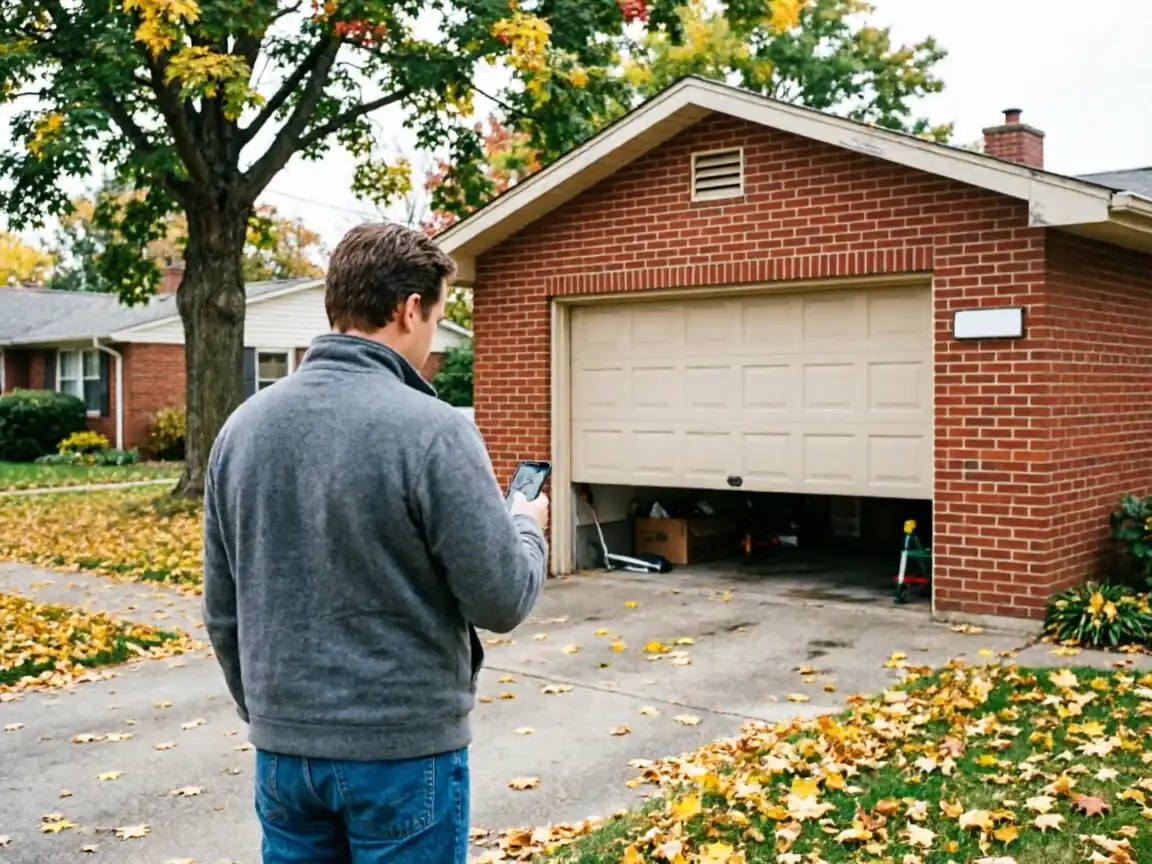
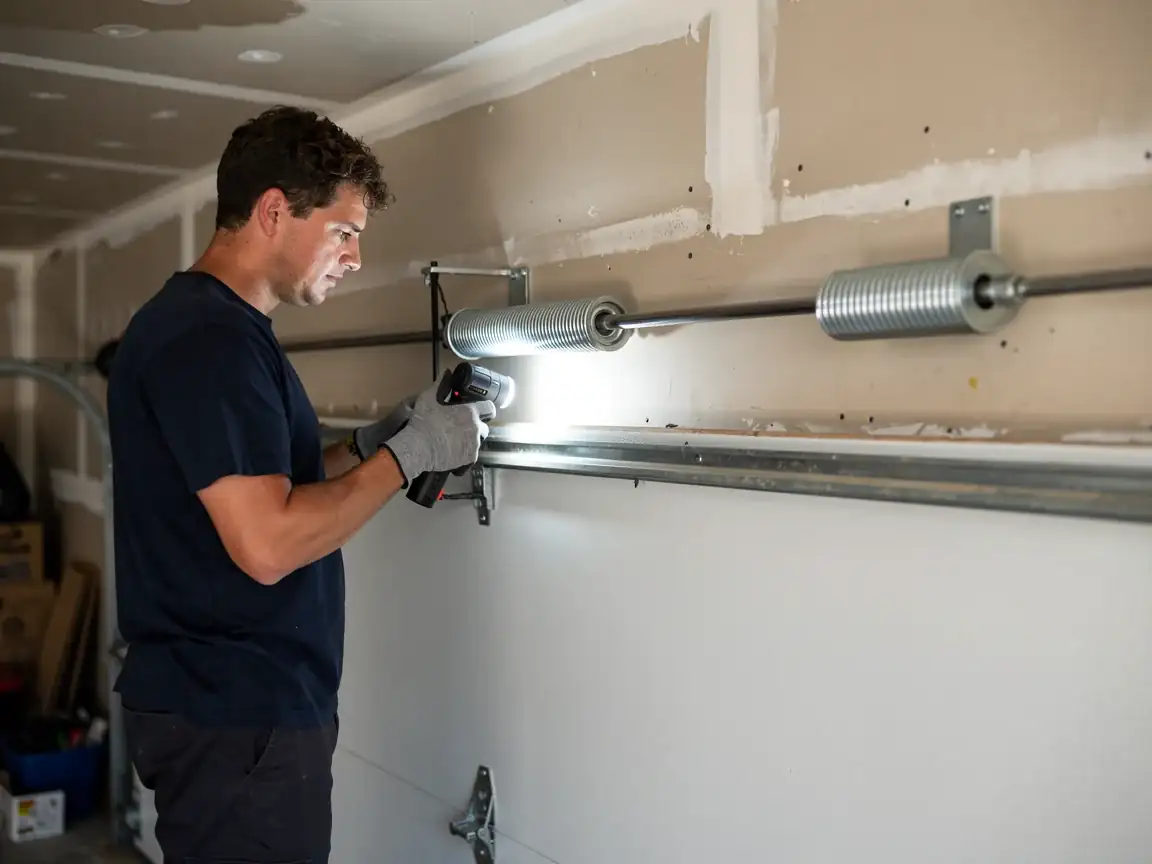
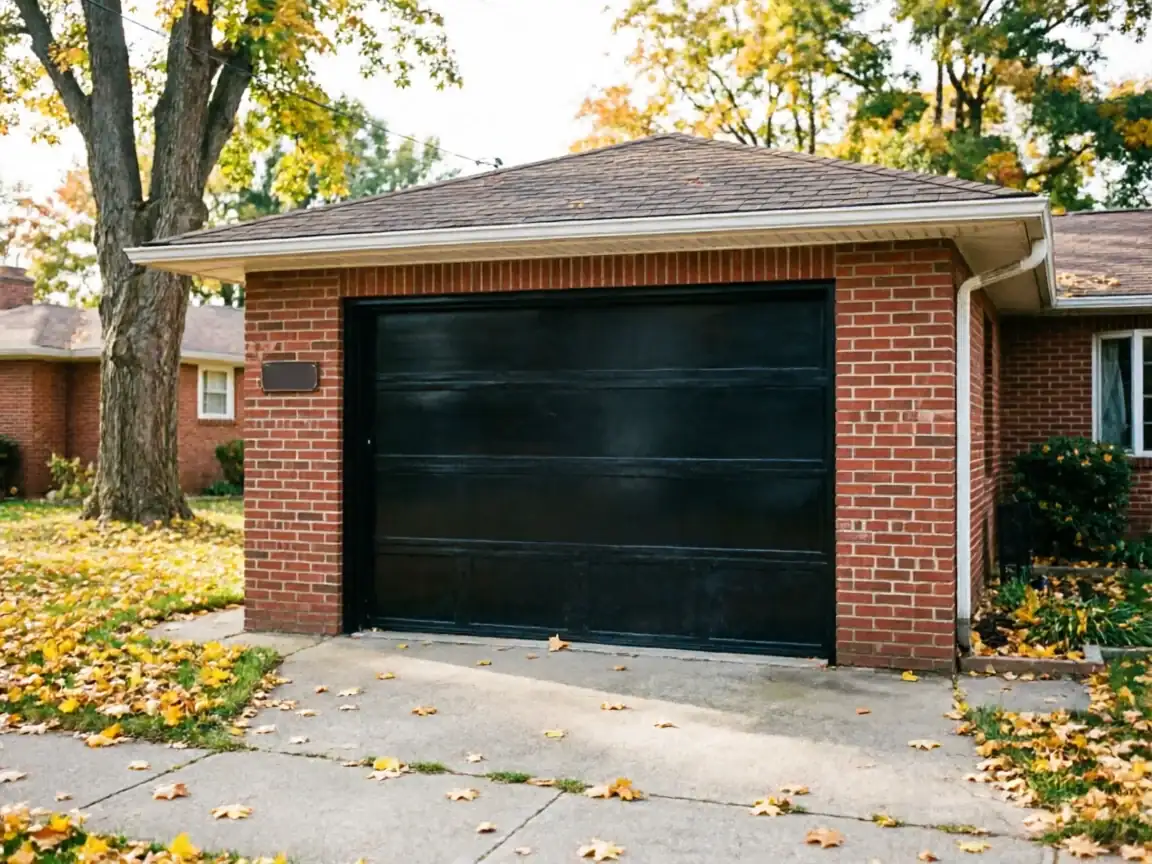
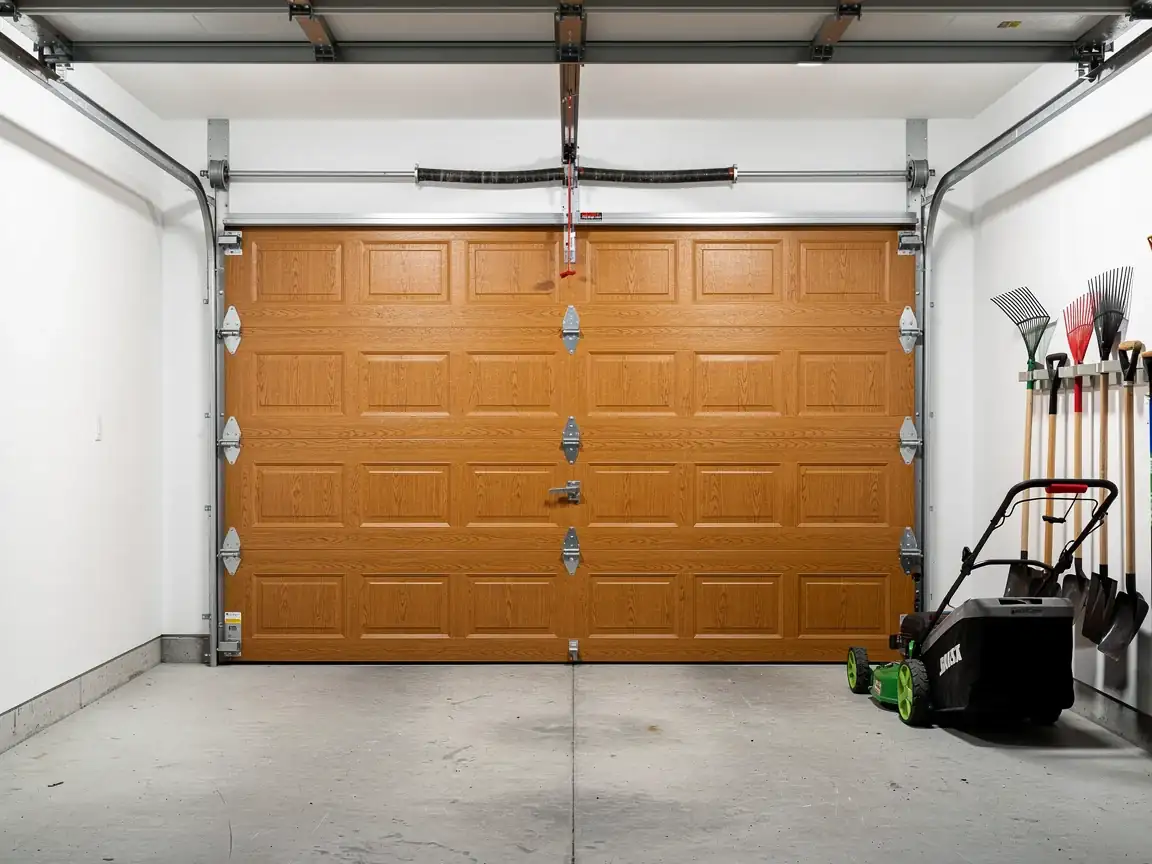
Which puts it ahead of the broader service area's 1968 median by close to a decade. That matters more than it sounds like it should. A garage built in the late 1950s was almost never designed with an automatic opener in mind - the door itself, the header, and the track geometry came first, and the opener got bolted on later, sometimes much later, sometimes by a previous owner with a kit from a hardware store. We see a lot of mismatched hardware here: an opener rated for a door twice as heavy as what it's lifting, or a torsion spring sized for a door that's since been swapped for a heavier insulated panel. If your door feels like it's fighting the opener on the way up, that mismatch is usually why, not a failing motor.
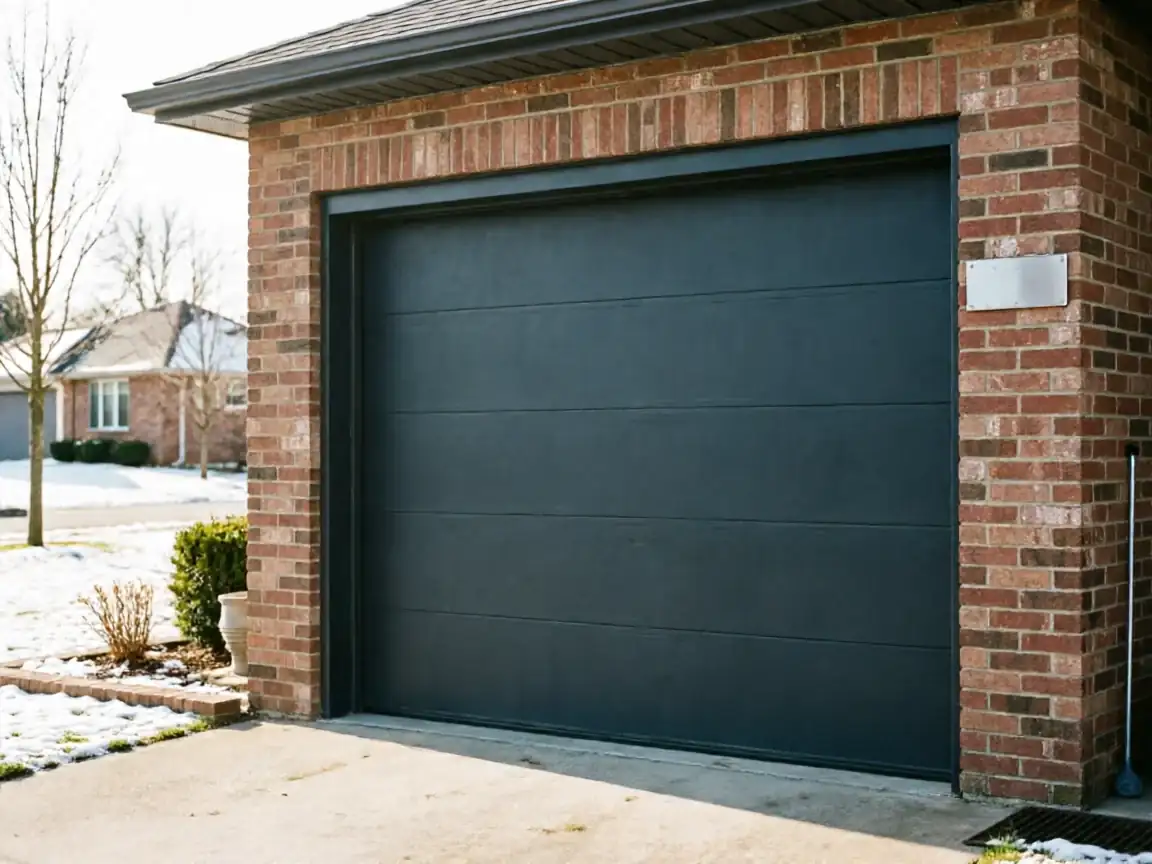
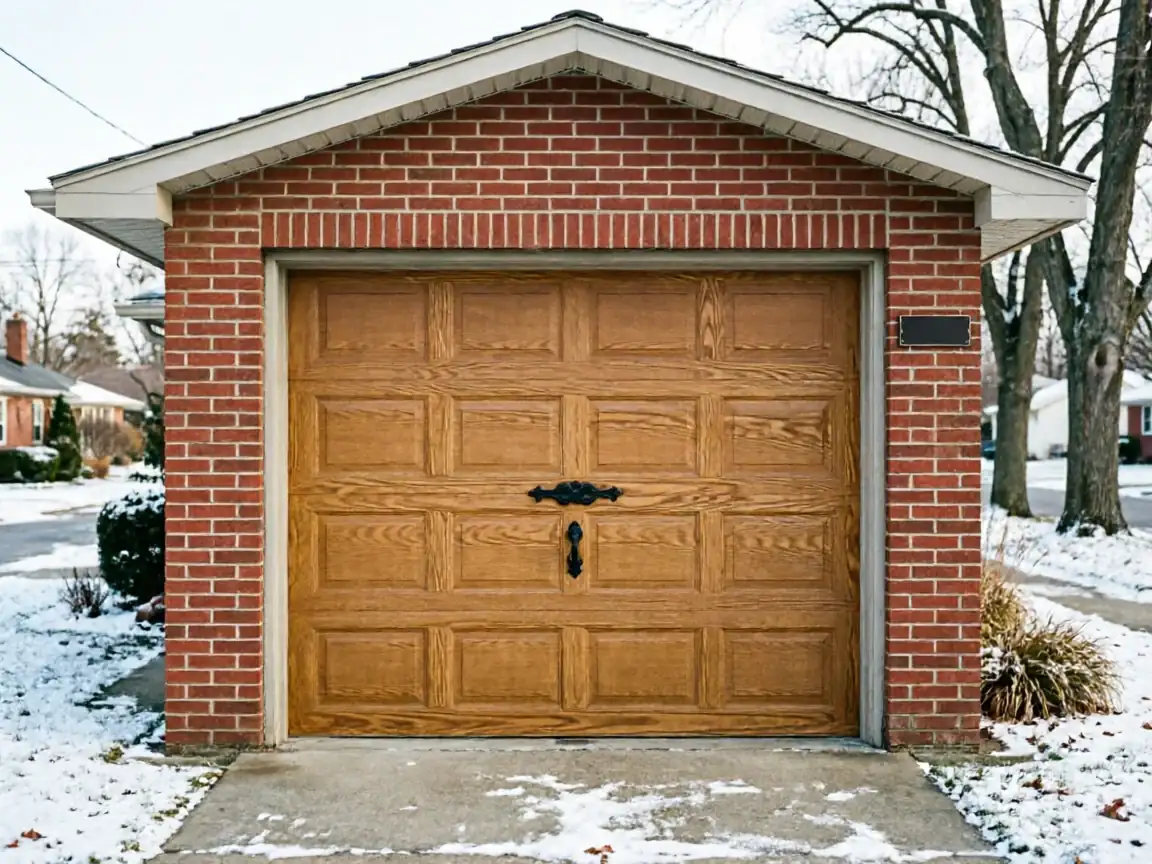
The other thing 1959 construction means is original wood jambs and narrower door openings than you'd find in anything built after 1970
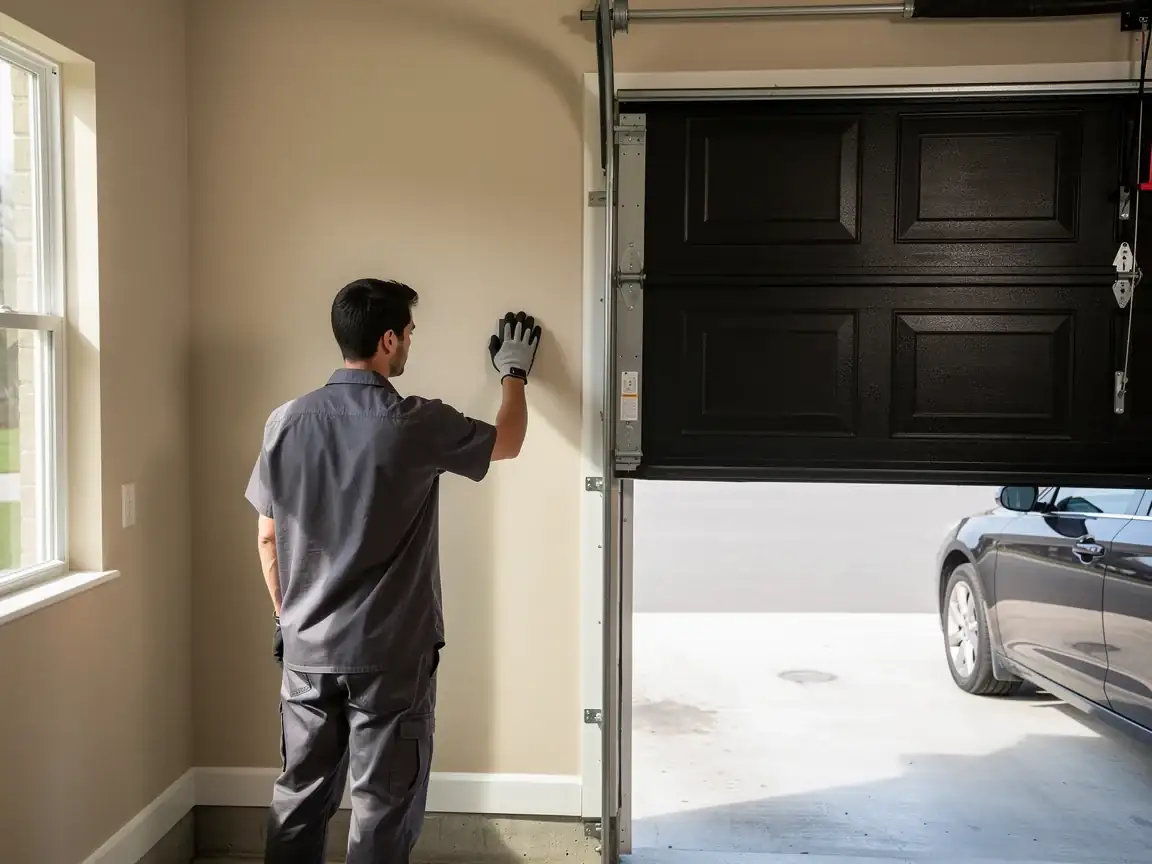
Replacement doors have to be measured, not assumed, because standard modern sizing doesn't always drop into a 60-plus-year-old rough opening without some adjustment at the track or the header.
The Houses Here
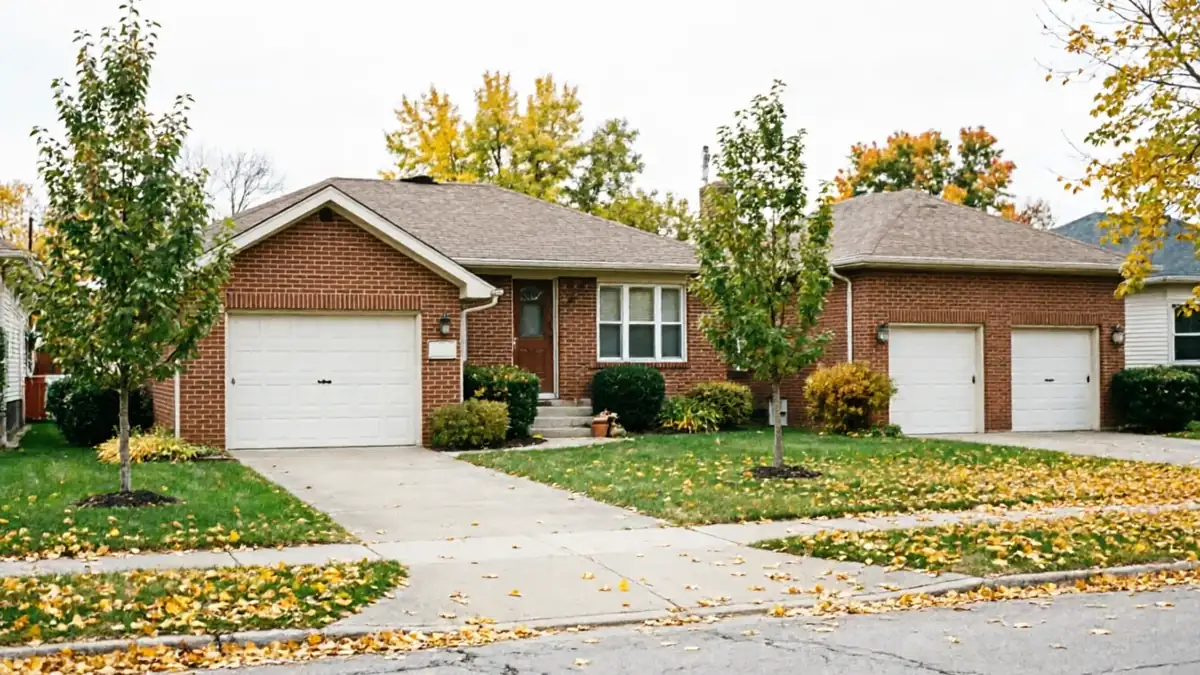
With roughly 6,104 households, Bay Village is a smaller, tighter area than the county-wide numbers suggest, and it's also a wealthier one - median household income here runs $122,083, well above the broader service area's $86,893. That income level tends to show up in the calls we get: more requests for insulated steel doors and quieter belt-drive openers, fewer calls where cost is the only question being asked. It doesn't mean nothing breaks here. Original springs and worn rollers don't care what a house is worth.
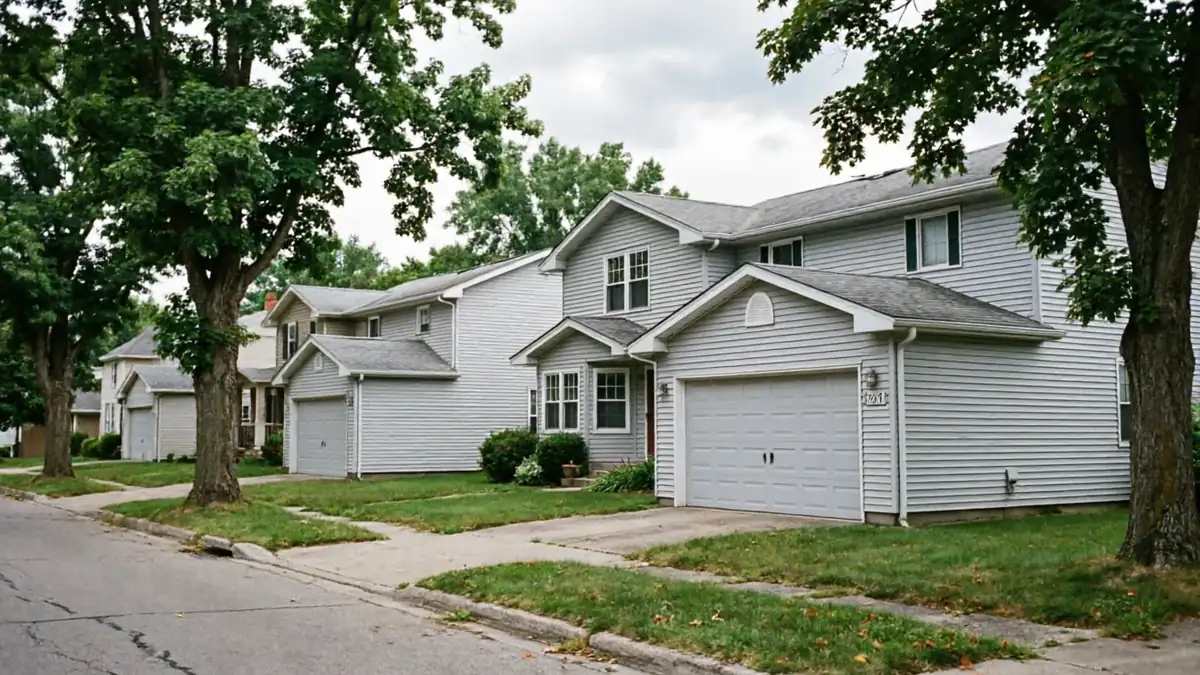
We're not going to pretend every house in Bay Village is the same age or style - a town built out mostly in one era still has additions, remodels, and the occasional newer build mixed in. But the 1959 median is the baseline worth knowing before you call anyone, because it tells you what's likely original and what's likely already been replaced once.
Getting Here
Bay Village sits about 13 miles from our shop in Lorain. We don't run a second location or a drop box out here - every job means a truck making that drive, which is worth knowing up front since it's part of why we ask a few questions before we come: what's broken, how old the door is, whether the opener is original. It helps us bring the right spring size and the right opener parts the first time instead of a second trip.
We're honest that this isn't a five-minute response the way a shop based in Bay Village itself could offer. If you need someone standing in your driveway within the hour, we're not that. If you can work with a scheduled visit from a crew that knows cold-climate hardware and 1950s-60s construction, that's the trade we're making.
What People Here Ring About
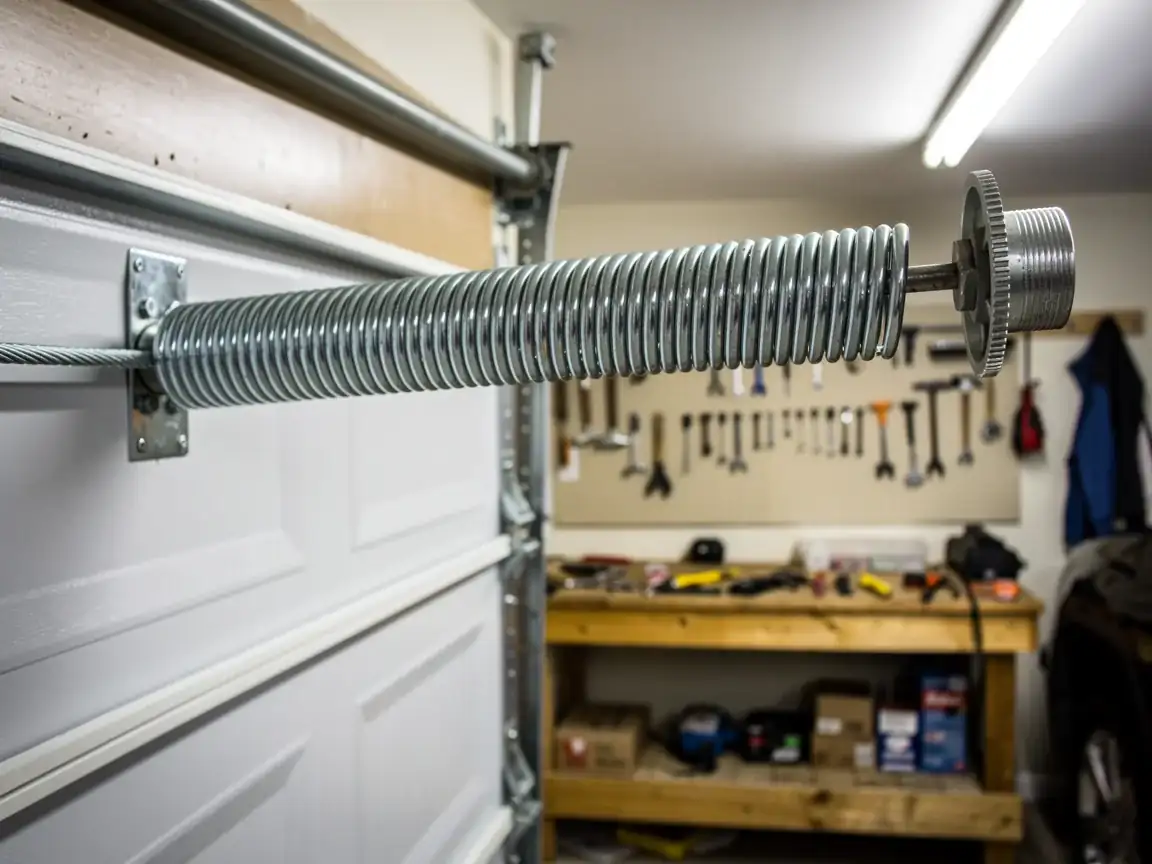
Given the age of construction, the calls we get from this area lean toward torsion springs that have simply run out of cycles
Springs don't fail from age alone, they fail from use, and a 60-year-old spring has usually seen its last one. We also get openers that are clearly newer than the door itself, installed at some point as an upgrade, now out of sync with worn track or a sagging panel that the opener is straining against.
Cold-weather calls fit the area's climate band too
Grease that's thickened up in an unheated garage, metal tracks that have shifted slightly with the freeze-thaw cycle, cables that have lost a little tension overnight. None of that is unique to Bay Village, but it's consistent with what a 1959-median, cold-moderate climate area actually produces, which is different from guessing.