Can You Do This Yourself
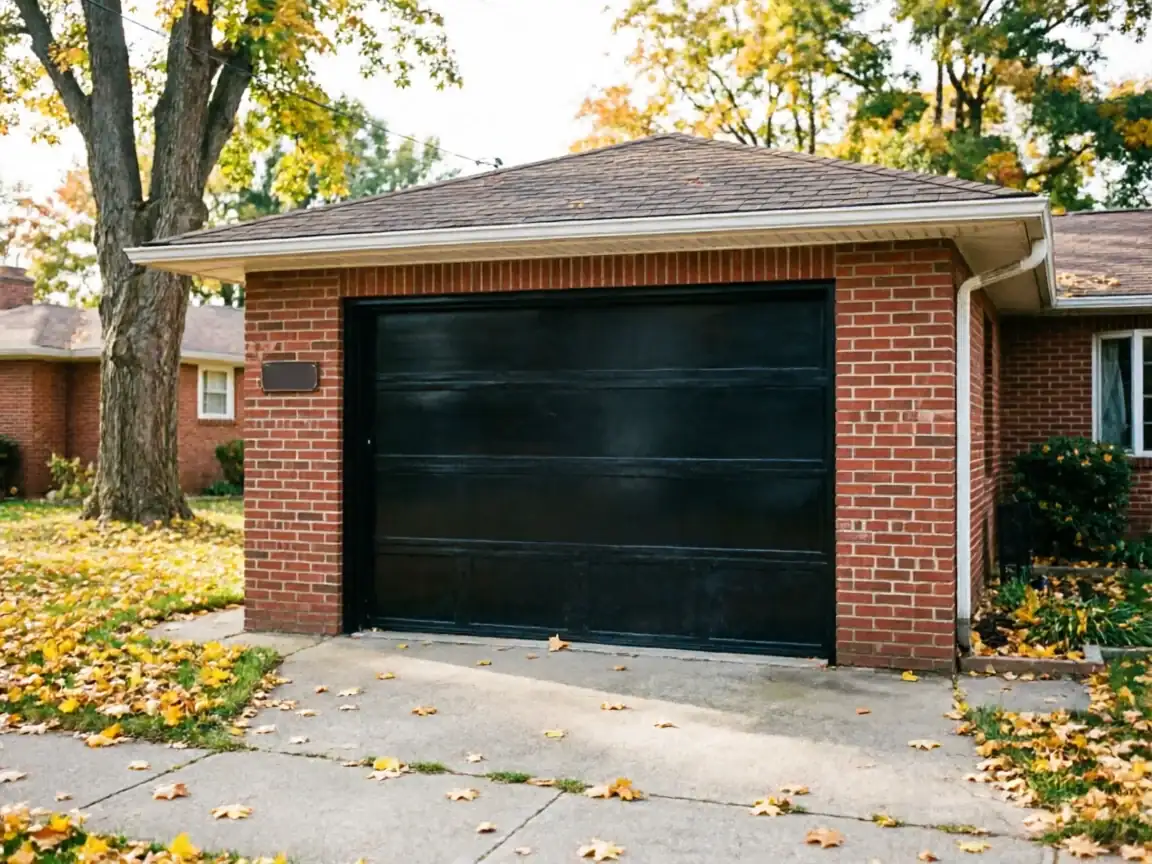
Most garage doors in Amherst went up when the median house here was built, around 1971
Which means a lot of them are still carrying their original steel rollers running in steel track - not the nylon rollers you'll find on anything installed in the last fifteen years. Those steel rollers were fine for their time, but five decades of rolling steel on steel wears a groove into the track itself, and once that groove is there, a swap-in roller won't ride smooth no matter how new it is.
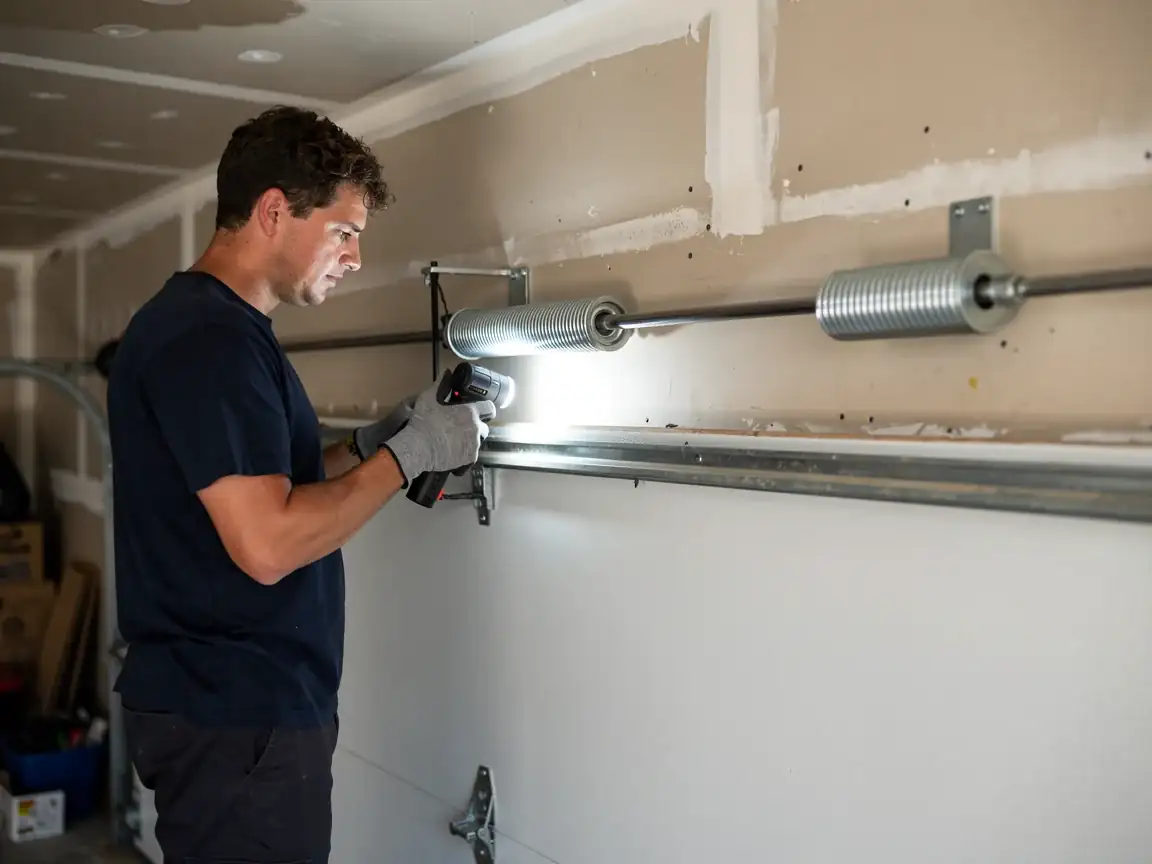
You can replace a roller yourself if the door is down, the spring is holding tension safely
And you're comfortable pulling a hinge pin without the whole section shifting on you. The part itself is cheap. What trips people up is figuring out whether the track is worn enough that a new roller still won't fix the noise or the binding - that's a judgment call that's hard to make from a video. If a section won't sit flush against the next one once the new roller's in, the track is the actual problem, not the roller, and that's a different job.
How to Book
We work out of Lorain and cover Amherst as part of that same run - it's a short trip, about 4 miles, so getting a truck out to one of Amherst's roughly 4,854 households doesn't mean a special trip or an add-on charge for distance. You can see what we cover on the Amherst area page, and if you're not sure roller replacement is actually what your door needs, the Lorain roller replacement page covers the service itself in more depth.
When you call, tell us the rough age of the house if you know it - a door installed when the house was built in the 1960s or 70s behaves differently than one put in during a remodel. That one detail tells us whether we're likely bringing steel rollers, nylon rollers, or a full track section, and it saves a wasted first trip where we show up and have to order a part.
The Complications
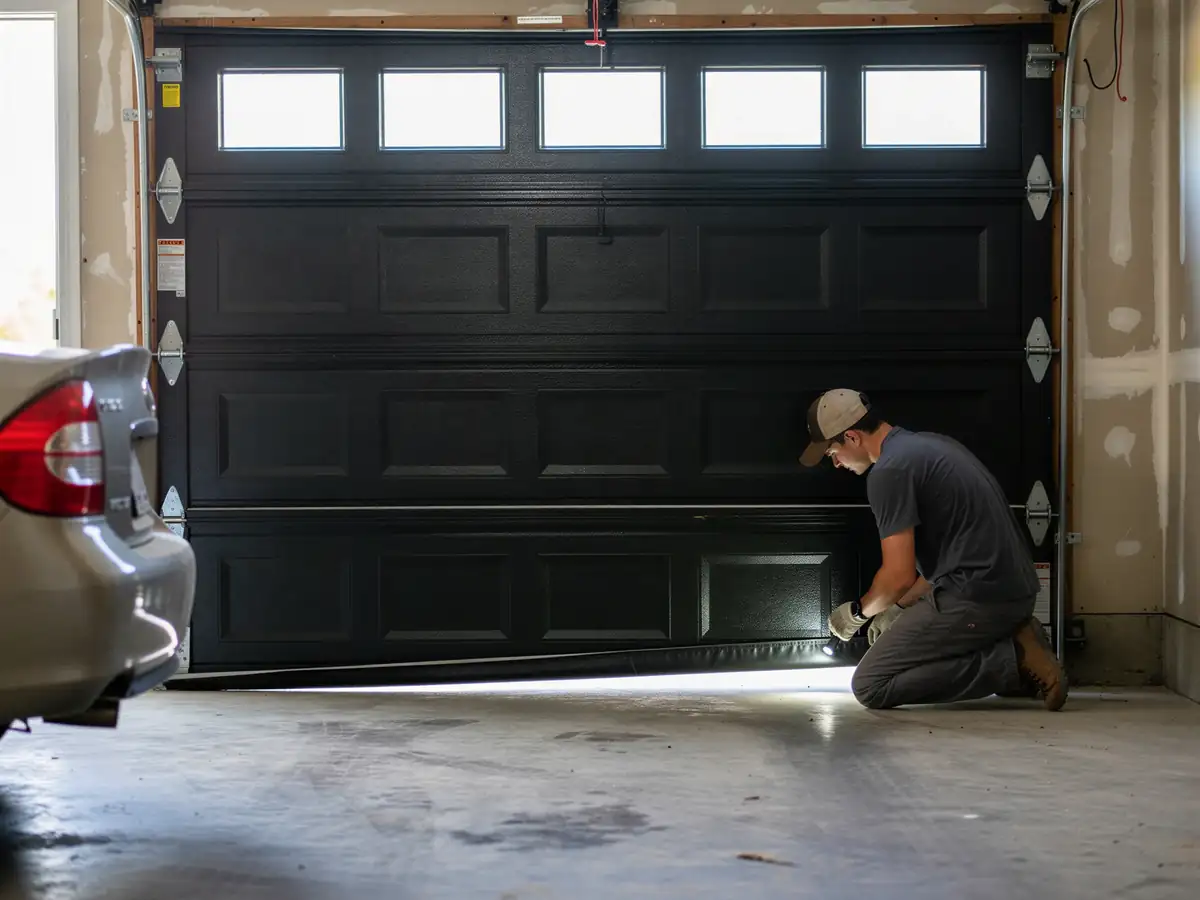
The complication in Amherst isn't usually the roller - it's what's attached to it. On a door this old, the roller bracket is often rusted to the track hardware or the hinge, and pulling one out can crack a panel that's already brittle from fifty winters of cold. Lorain's climate runs cold enough, long enough, that steel contracts and expands on a yearly cycle for decades, and that's what makes old brackets seize rather than slide free.
We can't always tell you over the phone whether a bracket will come apart clean or whether we'll be dealing with a stripped bolt once we're on site. That's an honest limitation - some of these jobs turn from a twenty-minute roller swap into replacing a hinge or a section of track once we see the actual hardware, and we won't know which one it is until the door's open in front of us. If the whole door is past the point where new rollers make sense - rust through the panel, a track bent from years of strain - replacing the roller alone just delays a bigger job, and we'll tell you that rather than sell you a part that won't hold.
What the Fix Involves
On a door from this era we're usually pulling 10-ball steel rollers and putting in either sealed nylon rollers or, if the track itself is worn
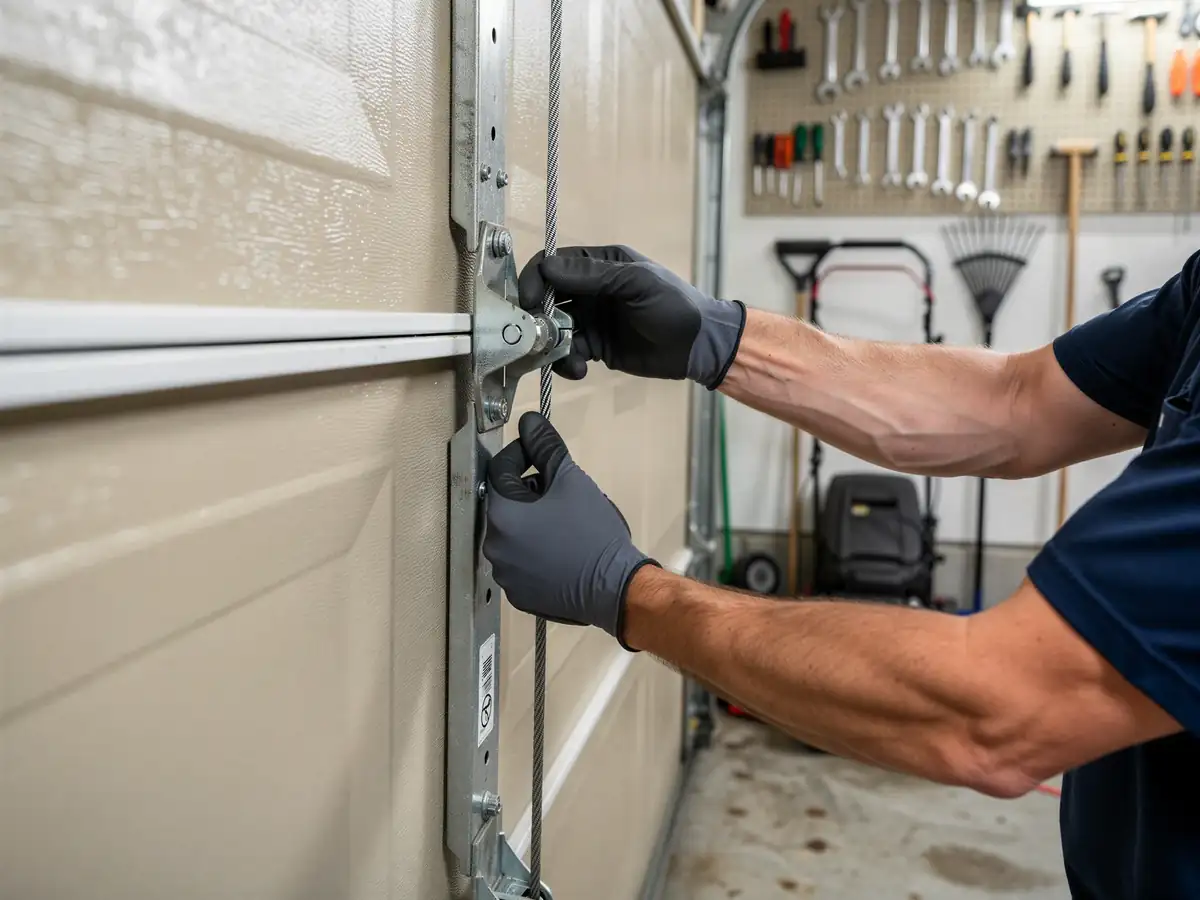
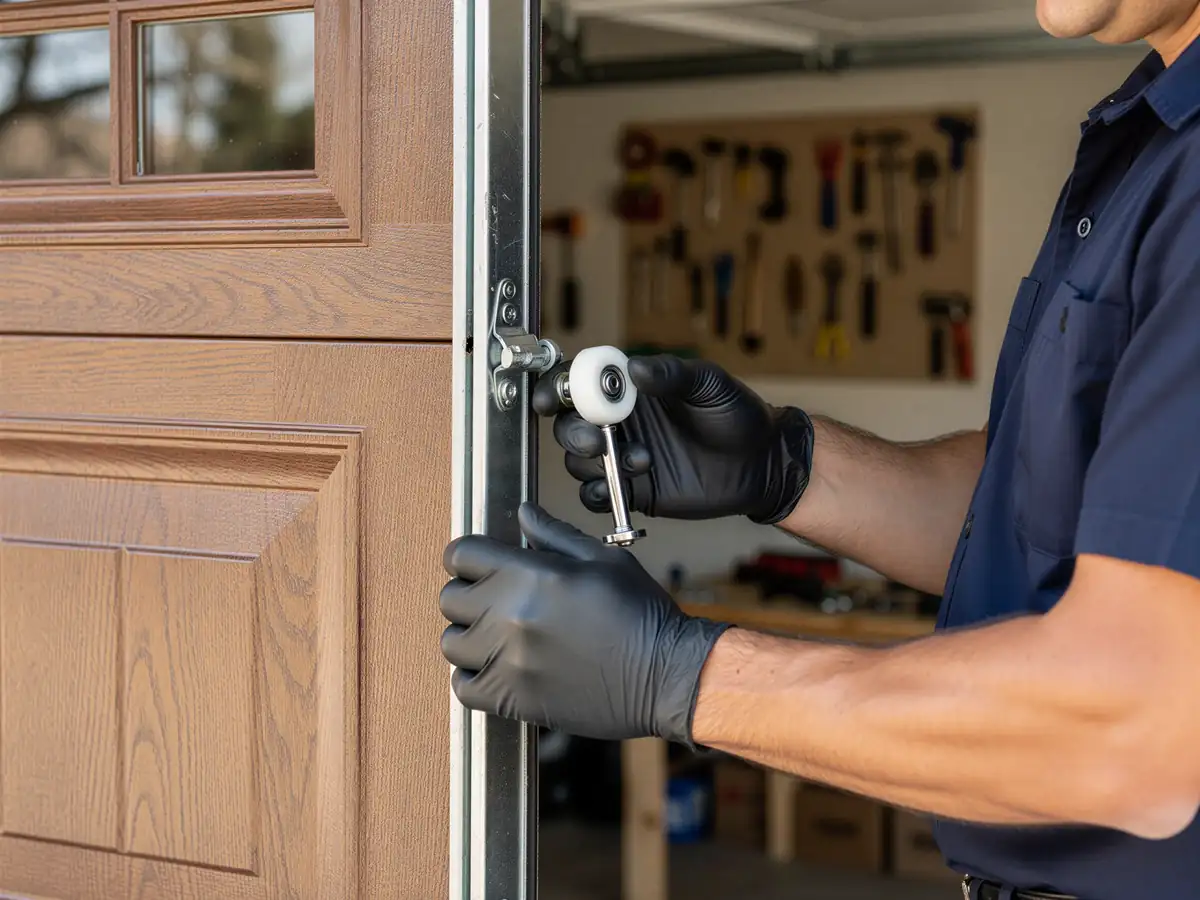
A matched steel roller sized to the existing groove - mixing roller types on one door causes uneven travel, so we match what's already there unless we're replacing the whole set. Each roller comes out with its hinge pin, gets checked against the stem length of the one it's replacing, and goes back in with the bracket re-seated so the section hangs square.
If the track shows the wear pattern you'd expect from original 1970s-era rollers
A visible channel worn into one side - we'll flag it before closing out the job rather than install new rollers into a track that's going to chew through them again in a year or two. For a standard double door that's four rollers on the house side and the rest paired down the track; a single door runs fewer. We bring stock for the common sizes but a less common stem length can mean a short wait on the part rather than a same-visit fix.