Can You Do This Yourself
Amherst sits four miles from our shop in Lorain
Close enough that a torsion spring job or a bent track doesn't turn into a half-day wait. That short drive matters because it means a tech can look at the door, price the job, and still have time to pull a part from the truck if it's a common size - which most are here, given how many houses in this area were built around the same year.
A lot of what breaks is not a DIY job
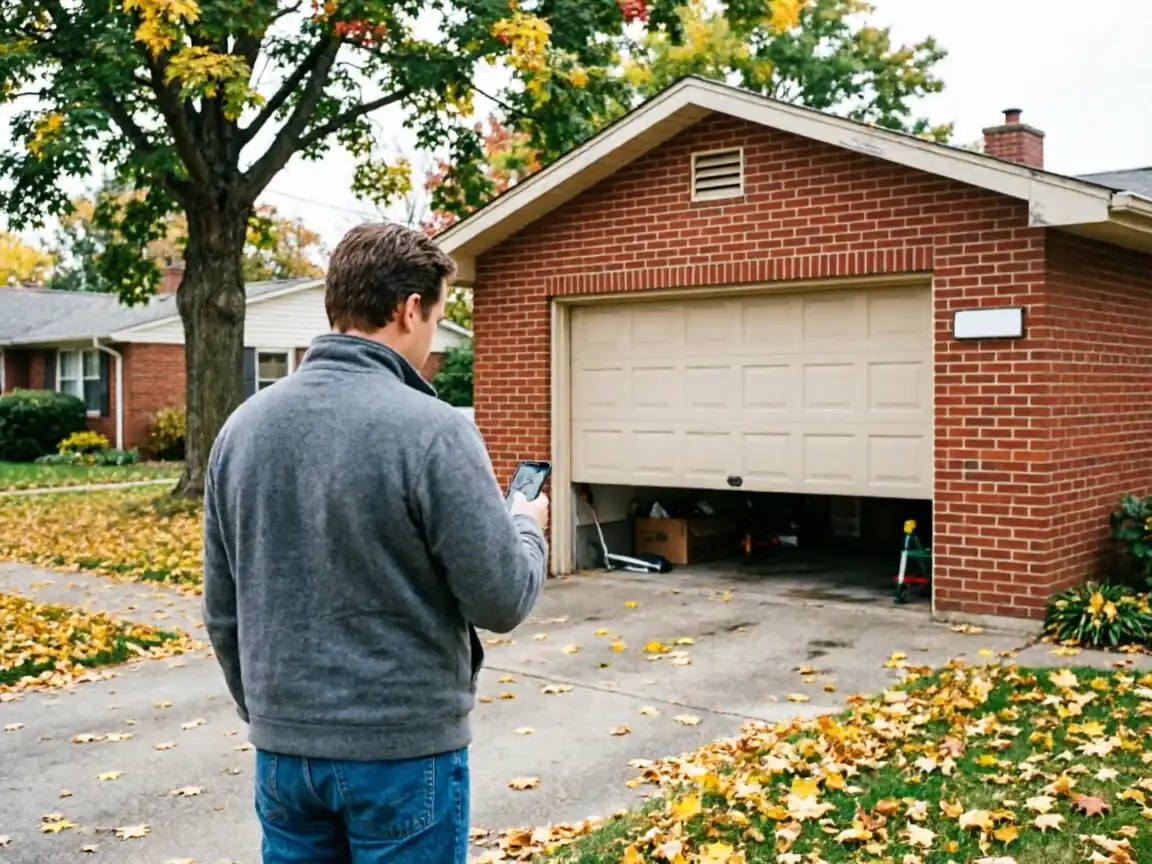
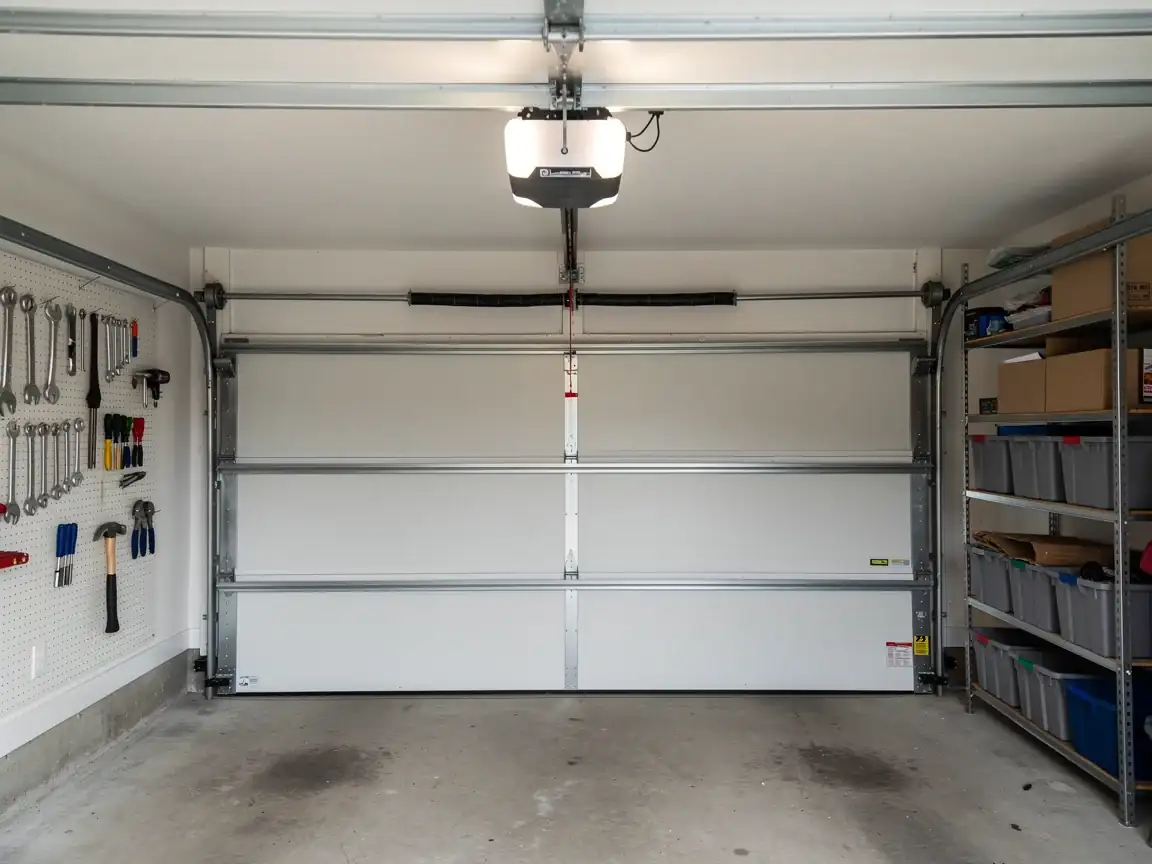
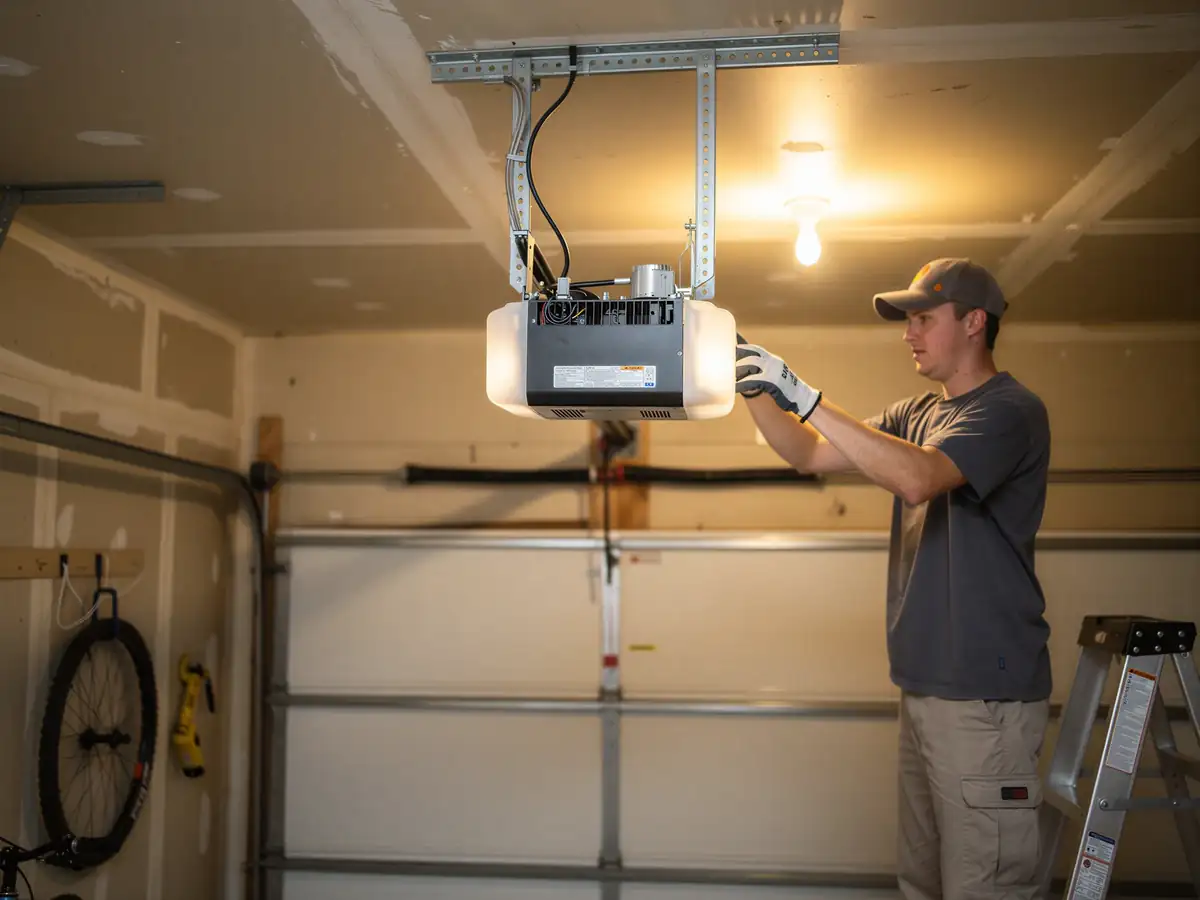
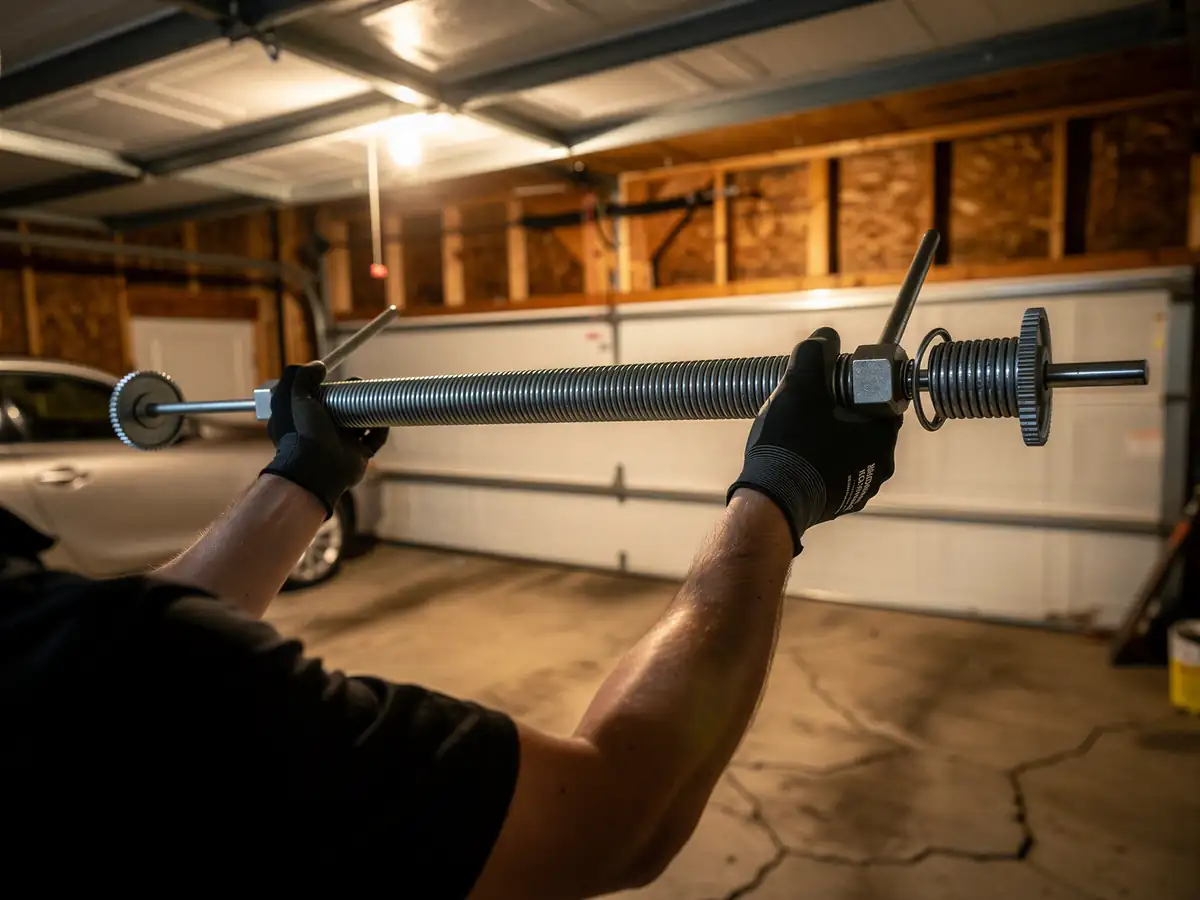
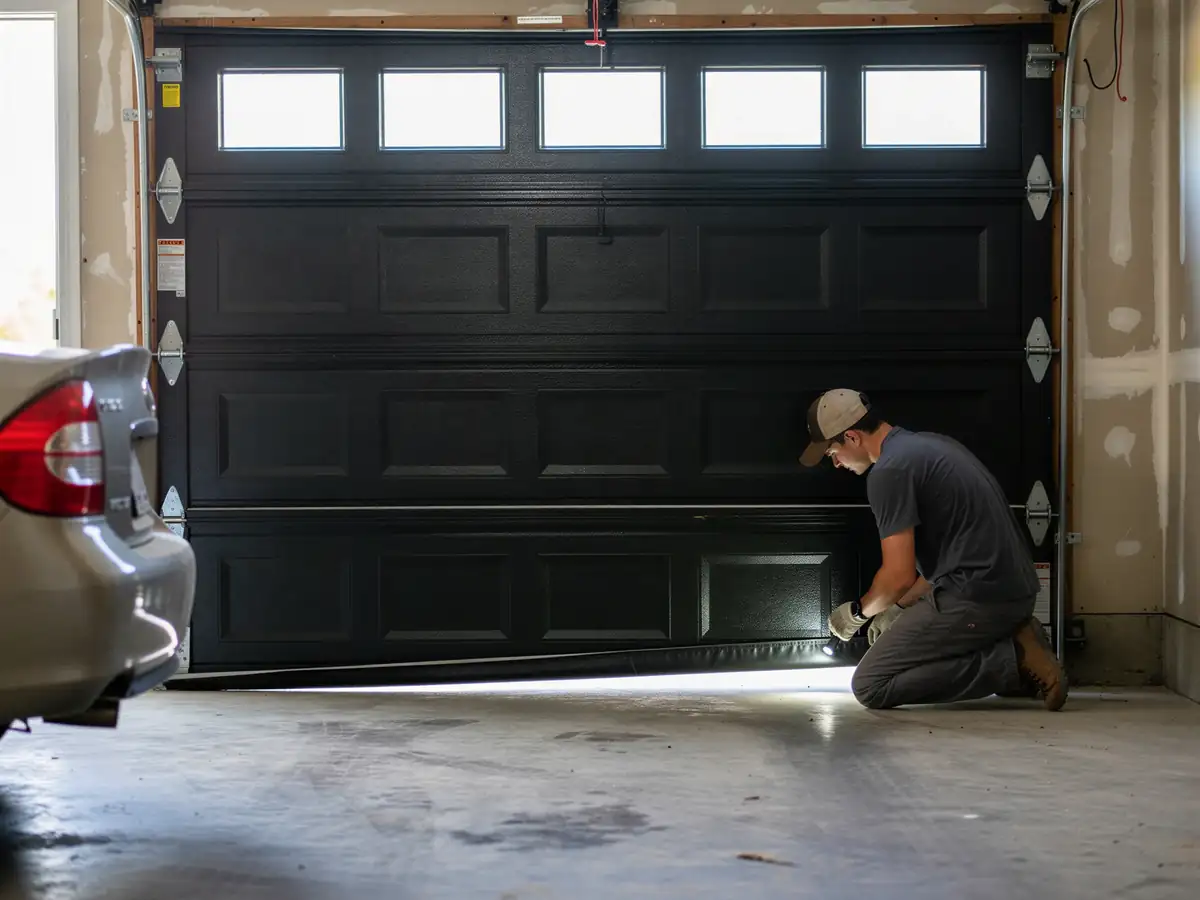
And we'll say that plainly: torsion springs are under enough tension to break bones if you unwind them wrong, and most opener circuit boards aren't worth troubleshooting yourself once they start acting up intermittently. What you can check before calling: whether the door is binding on one side only (track alignment), whether the opener light blinks a set number of times (most boards have a code sticker), and whether the springs look stretched or gapped at the coil. That alone can save a wasted trip if the fix is as simple as a bent roller bracket.
How to Book
We run this job out of Lorain, four miles out, so there's no separate Amherst branch or crew - just a shorter leg on the drive than some of the other towns we cover. Call and describe what the door is doing: won't open, opens partway and reverses, makes a grinding noise on the way up. That tells us whether we're bringing spring stock, a new logic board, or just tools for an adjustment.
Have the door's age or rough build year handy if you know it, along with whether it's a single or double door. With median homes here going up around 1971, a lot of the double-door garages still run on the original torsion hardware, and knowing that before the truck leaves saves a second trip if the part isn't a standard size. We don't do same-day guarantees - the drive is short, but the schedule still fills.
The Complications
Houses in this part of the service area were mostly built in the 1960s and 70s, and Amherst's median build year of 1971 sits right in that window. That means a good number of garage doors still have the original one-piece or early sectional hardware - torsion springs sized for a door that's heavier than what gets installed today, and drums that don't match current spring charts. Swapping in a generic spring without checking the drum size is how a door ends up unbalanced within a month.
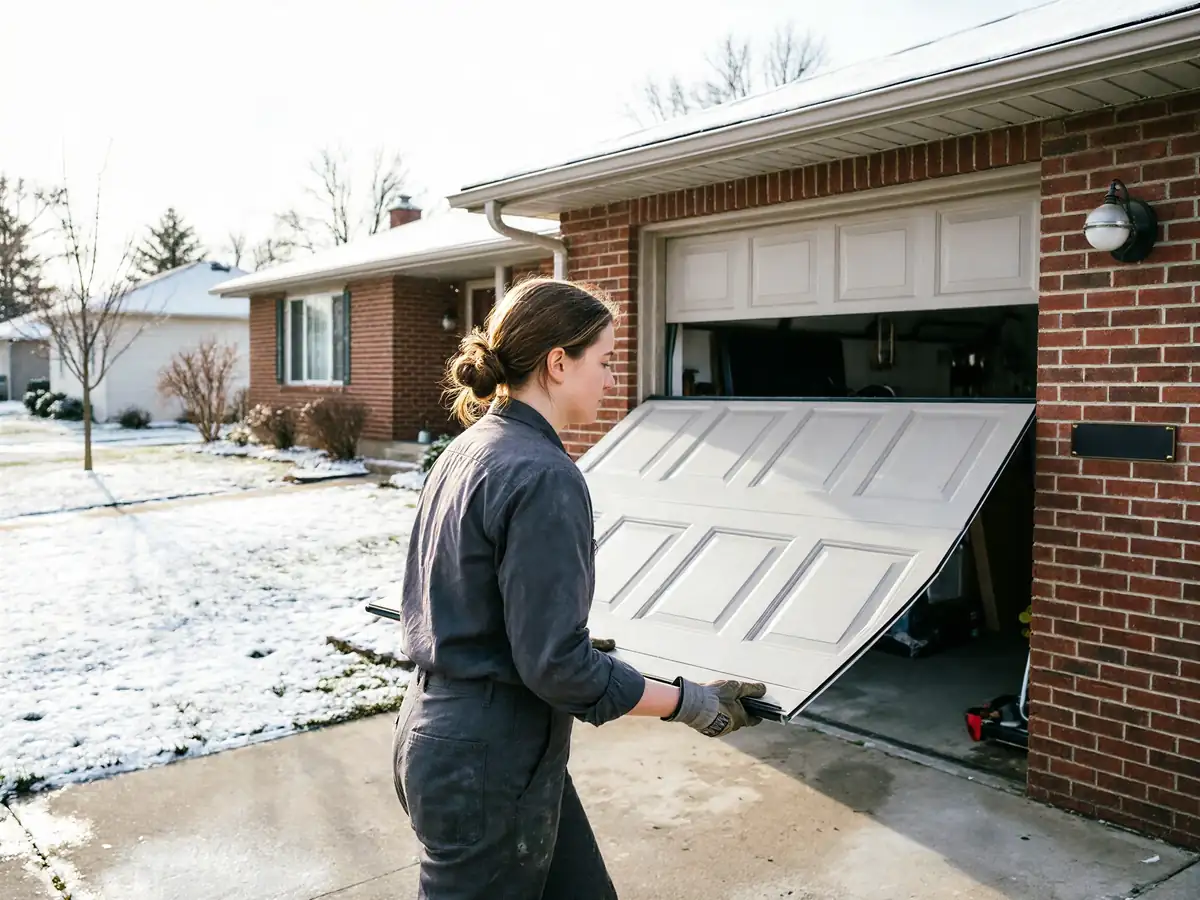
The cold-moderate climate here adds its own wear pattern: steel tracks and hinges go through a freeze-thaw cycle every winter, which loosens fasteners and lets rollers wear unevenly even on doors that look fine. We see this more on older housing stock than on anything built in the last fifteen years, which is one more reason the age of the house tells us more about the likely fault than the symptom does on the phone.
The honest limitation: if a spring or drum size turns out to be a discontinued pairing from that era, we may need a day or two to source the exact part rather than force a mismatch that won't balance right.
What the Fix Involves
For a torsion spring replacement on a door from the 1971-era stock common here
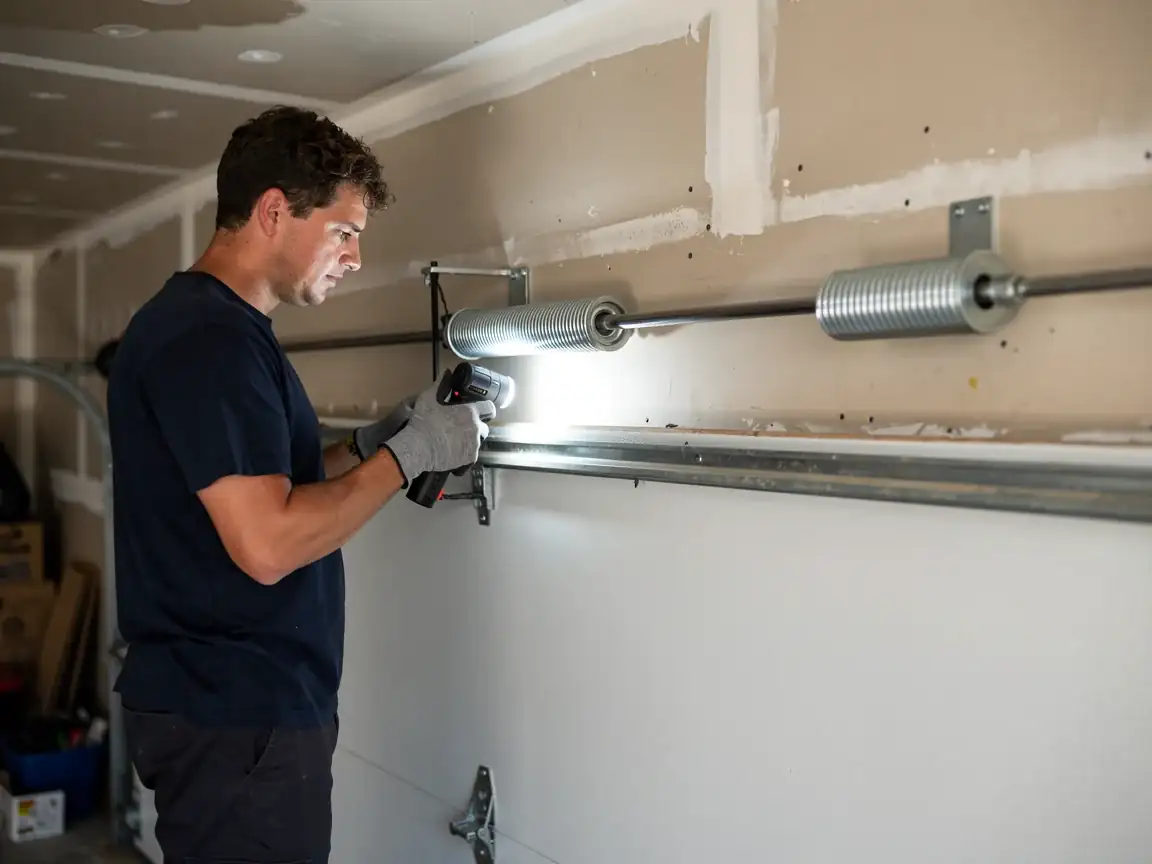
That means unwinding and removing the old spring, checking the drum and cable condition since they're usually original too, and installing a correctly wound replacement sized to the door's actual weight - not just whatever was pulled off. On a double door, we check both springs even if only one broke, since the other is carrying the same decades of cycles.
Opener repairs usually come down to the logic board, the drive gear, or the safety sensors going out of alignment
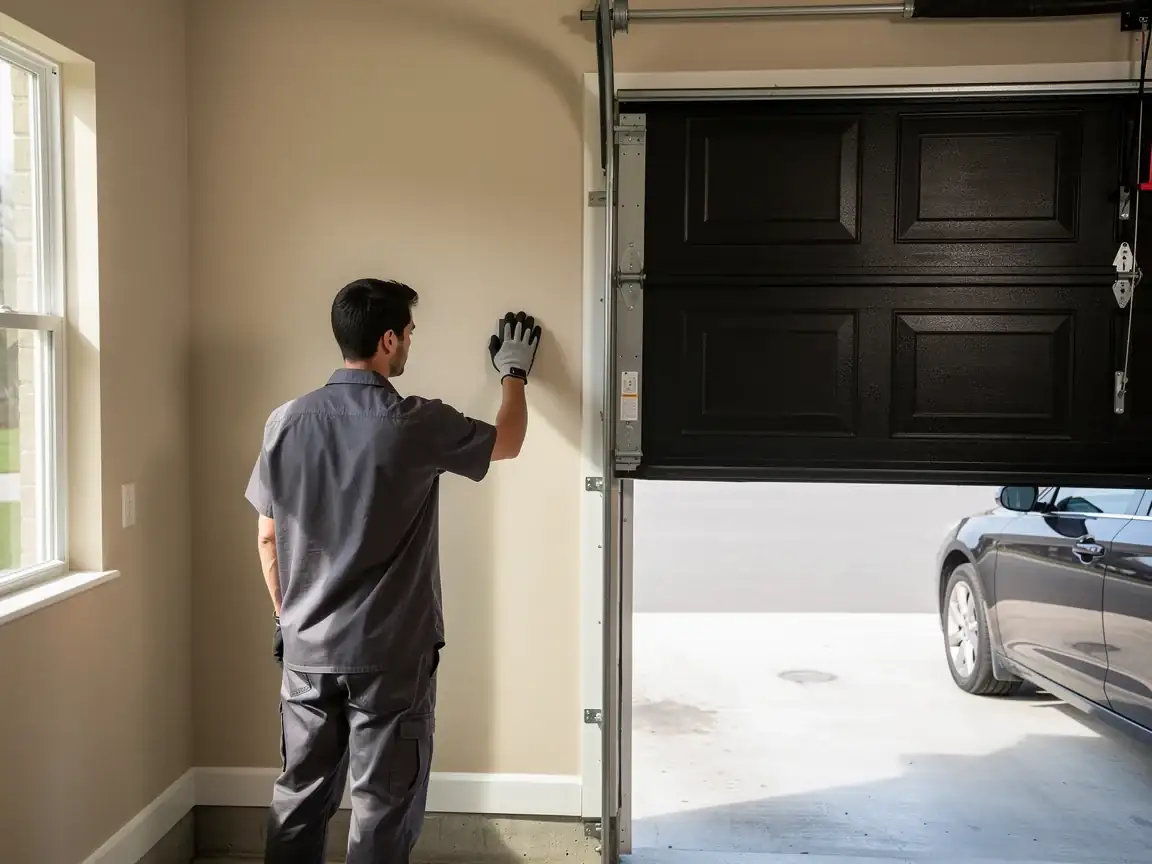
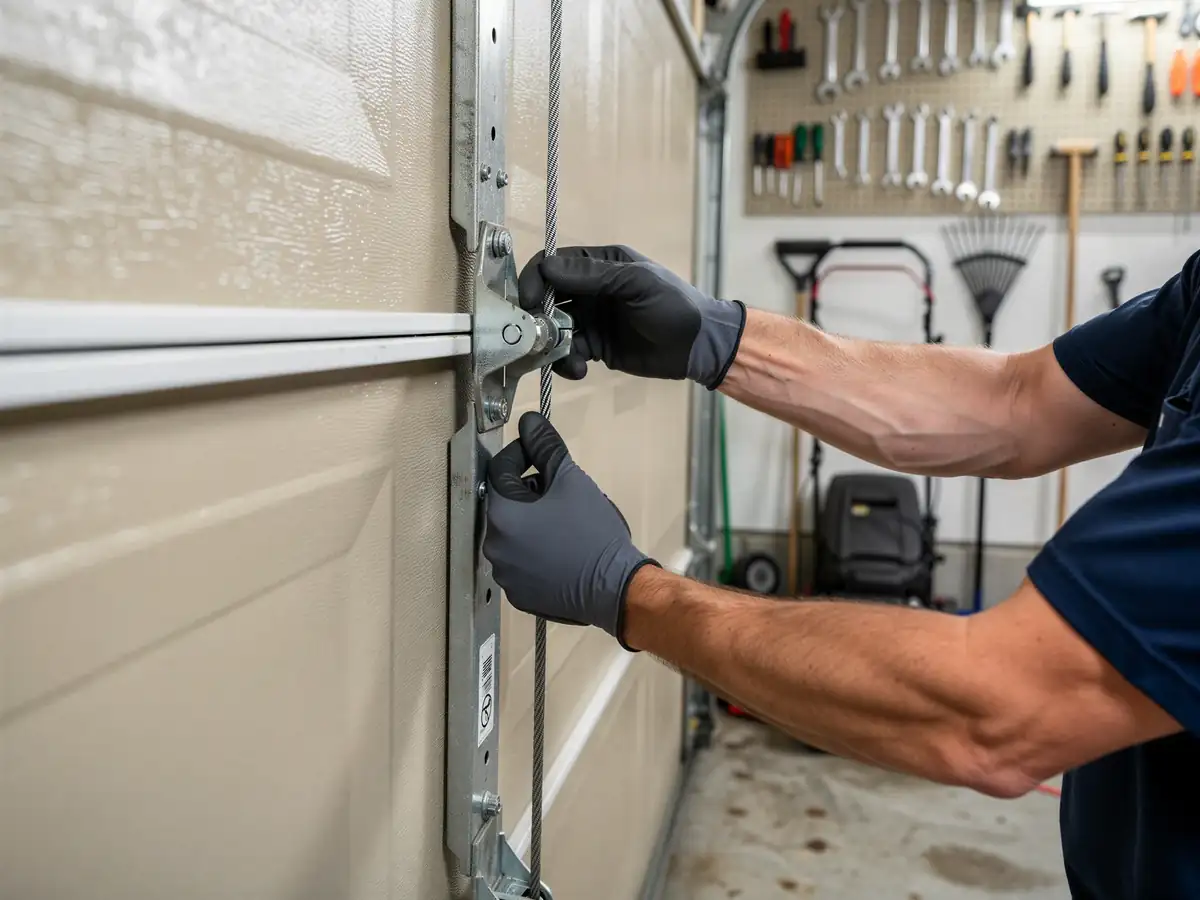
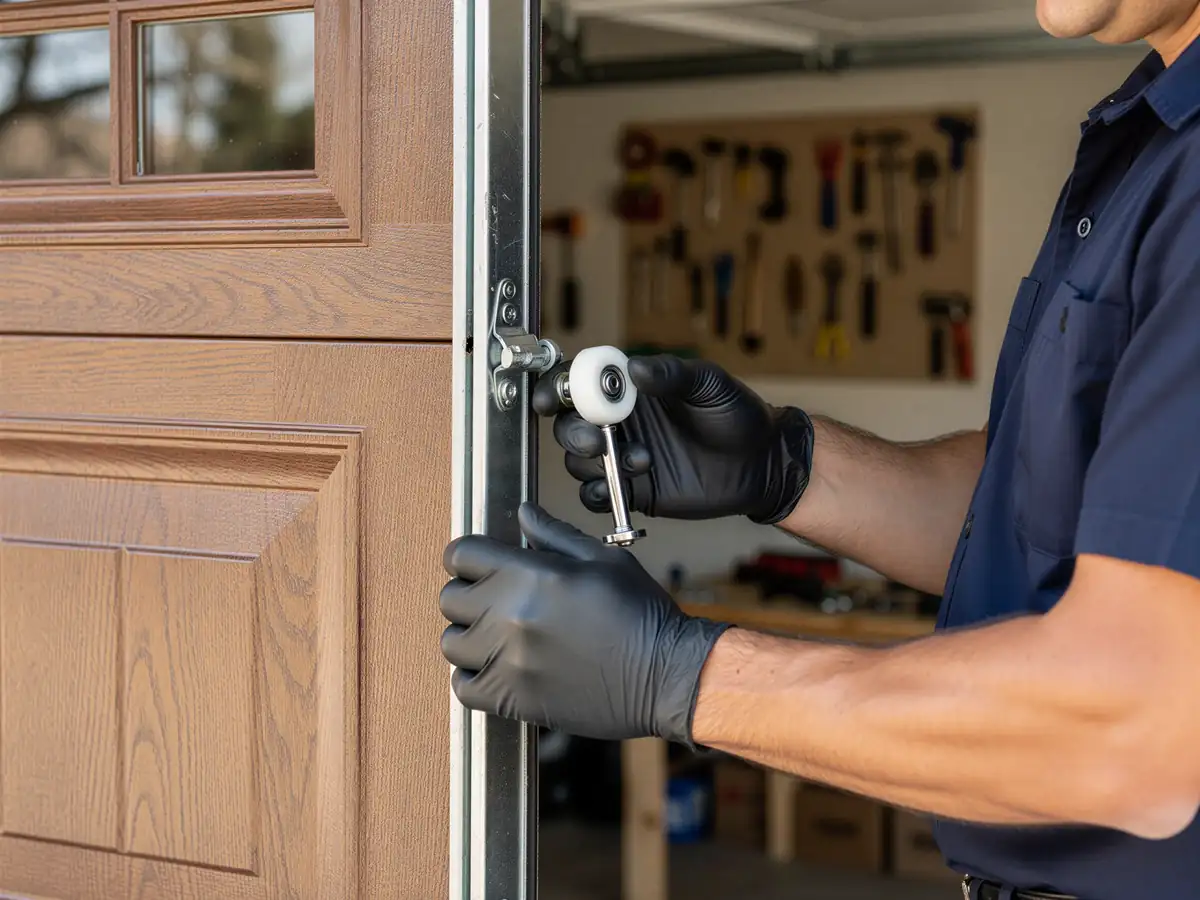
Common on older openers that have outlived a couple of board revisions. Track and roller work means squaring the track to the frame, not just tightening what's loose, since a frame that's settled over fifty-plus years rarely sits perfectly plumb anymore.
We price the job after we see the door, not before
Because a spring job and a full torsion-and-cable job look the same from the driveway but aren't the same bill.