Why So Many Lorain Garage Doors Were Never Built to Keep the Cold Out
Most Lorain homes date to the 1960s and 70s, before insulated garage doors were standard. Here's what that means for your door, your spring, and your winter energy bill.
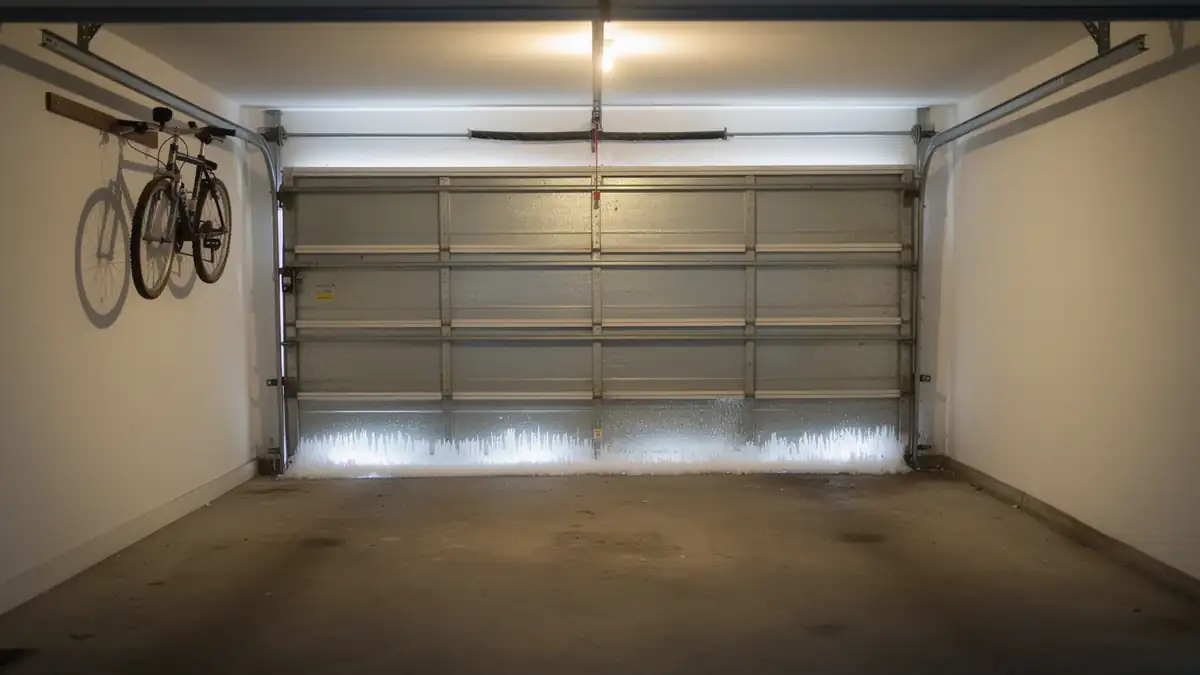
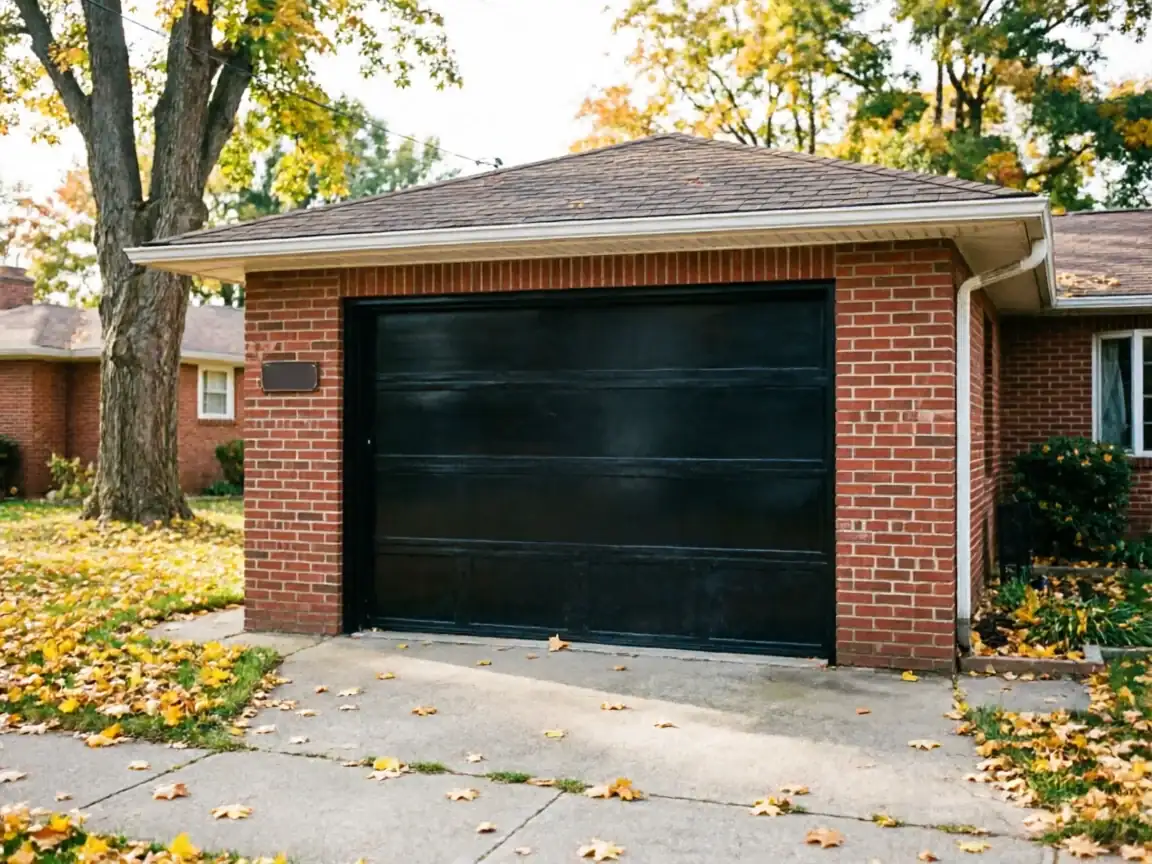
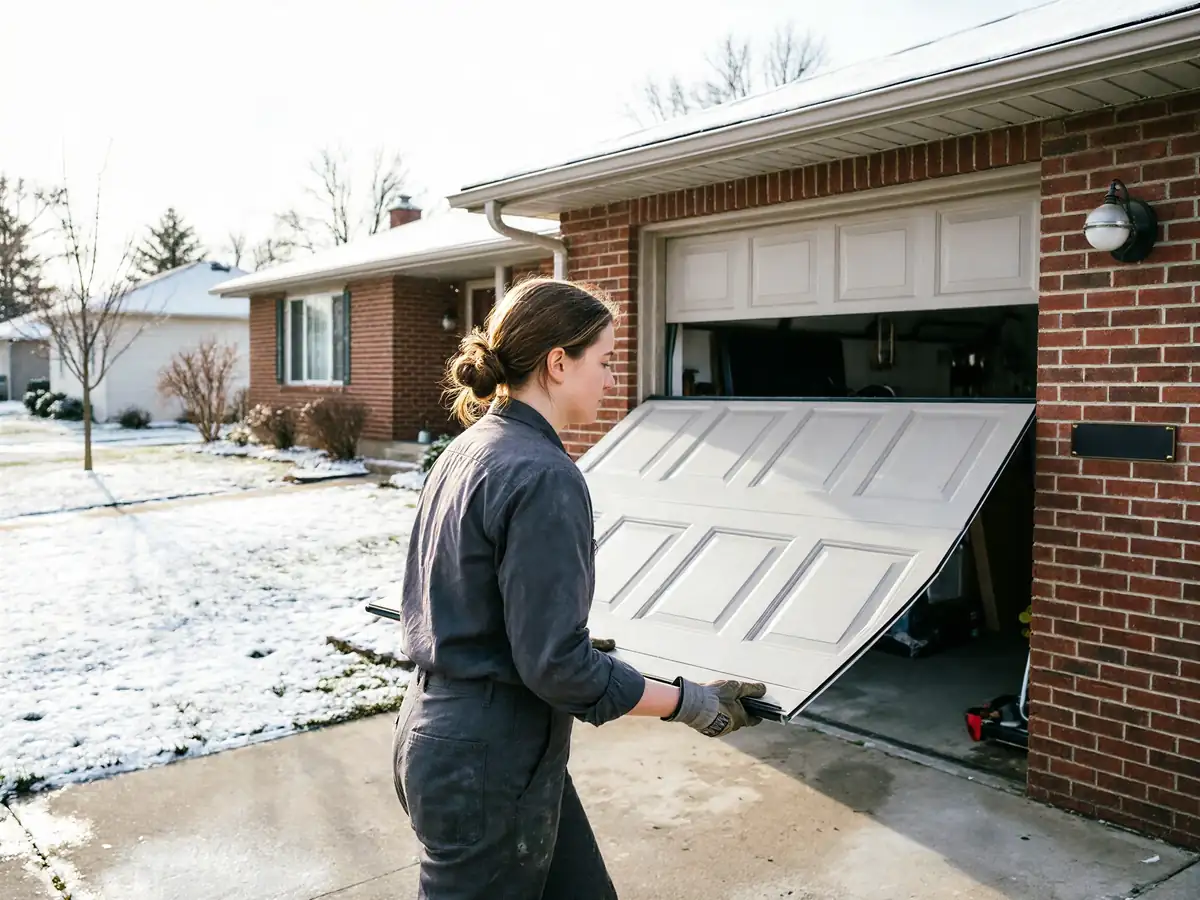
Housing in this area was mostly built between 1938 and 2002, with the typical house going up around 1968. That puts a lot of Lorain garage doors square in the middle of a build wave - the 1960s and 70s - that predates any requirement for insulated doors. Across the 22 named areas that make up this service territory, the pattern repeats: single-layer steel or wood panel doors, no foam core, no thermal break between the inside of the garage and the outside air. Nobody cut corners putting these doors in. Insulation simply wasn't part of the code or the expectation at the time. The result is a door that was built to keep weather and intruders out, full stop, not to hold a garage at a livable temperature. If your garage shares a wall with a bedroom or laundry room, or if you've ever noticed frost forming on the inside of the door panel, that's the original design doing exactly what it was built to do - which is less than what a lot of owners now expect from it.
The Seasonal Bit
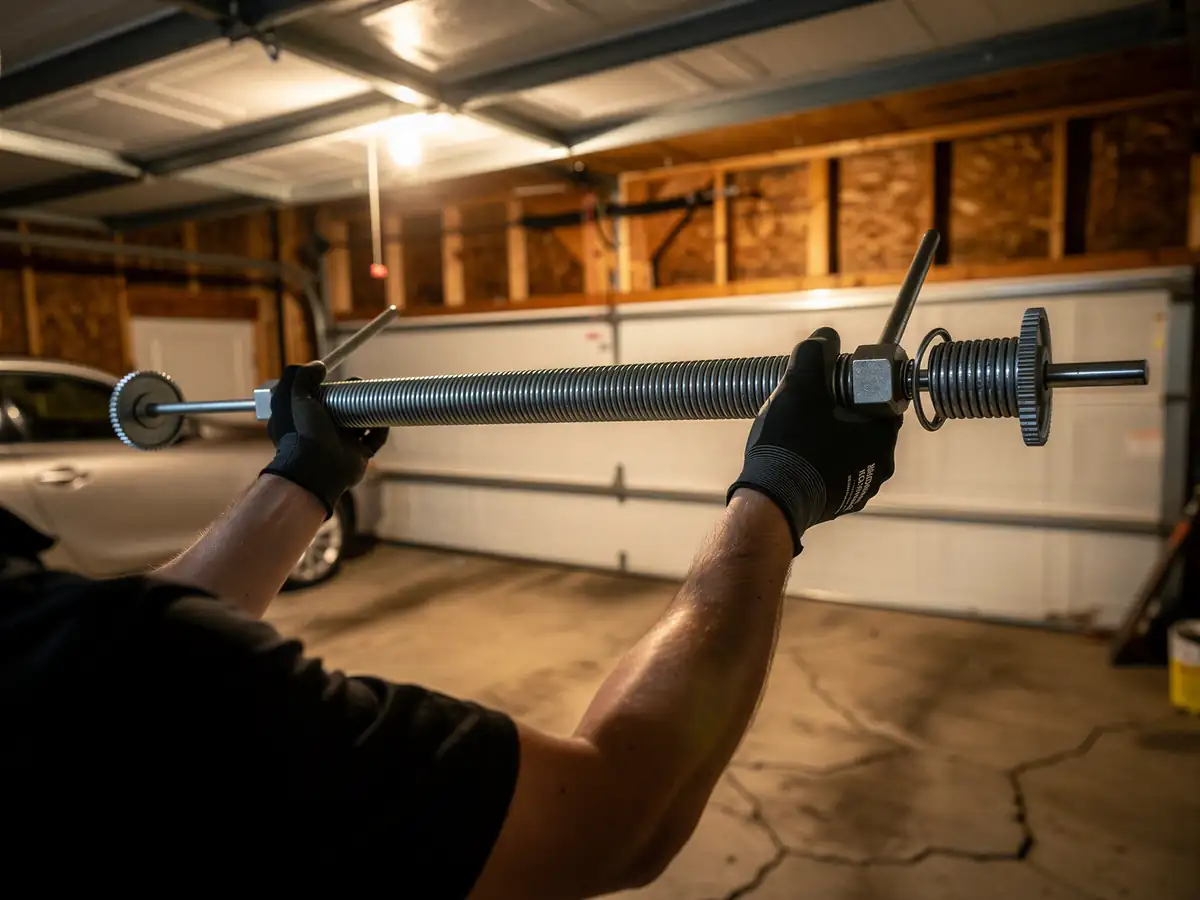
This area sits in a cold, moderate climate band - real winters, real temperature swings, not a mild coastal pattern. An uninsulated door built in the 60s or 70s handles that swing badly. Steel contracts in the cold, which tightens tolerances on tracks and rollers that were already decades old. Condensation forms on the inside face of an uninsulated panel when warm house air meets a cold garage, and that moisture works on wood panels and the bottom edges of steel ones over years, not days. Springs lose a little tension efficiency in deep cold too, so a door that opens with a clean, even pull in July can feel heavier and jerkier in January. None of this means the door is failing today. It means a door built for an older, lower bar is being asked to perform in weather it was never insulated against, year after year, and the wear shows up exactly where you'd expect: at the bottom seal, the corners, and the spring.
Where People Go Wrong
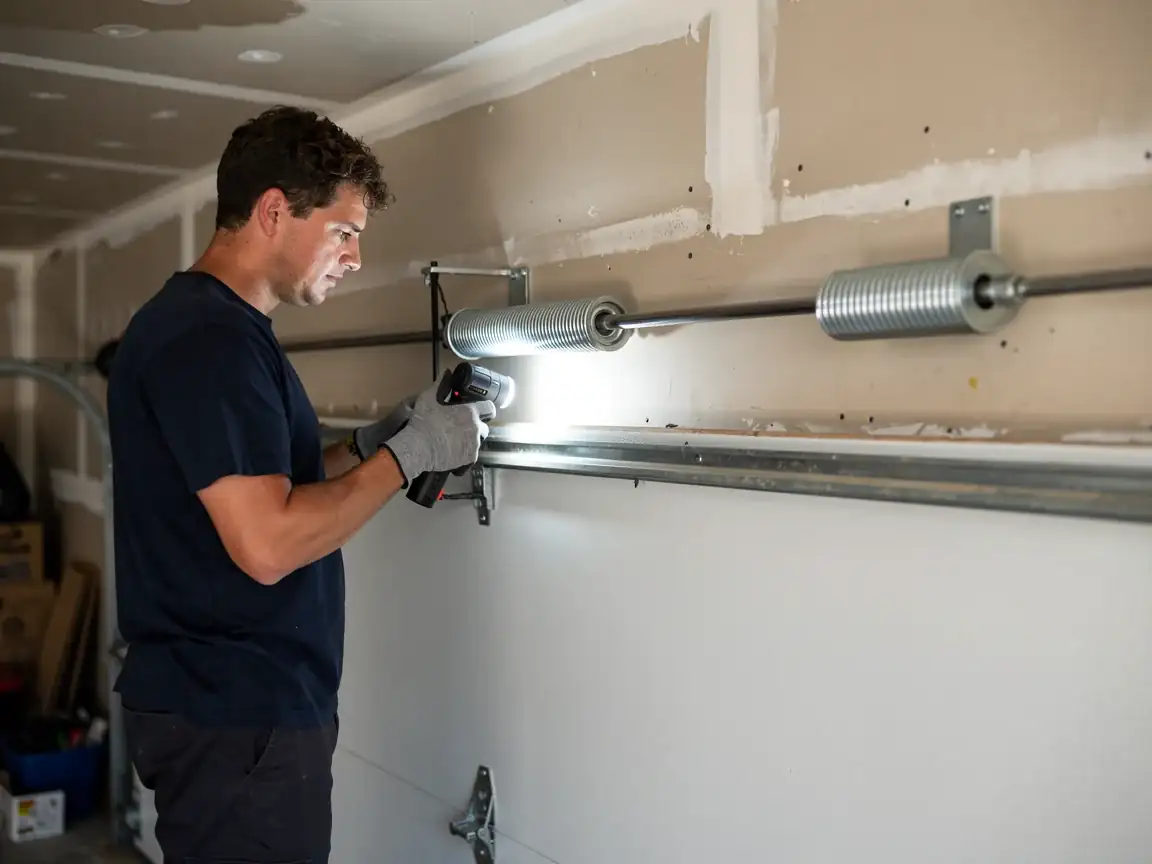
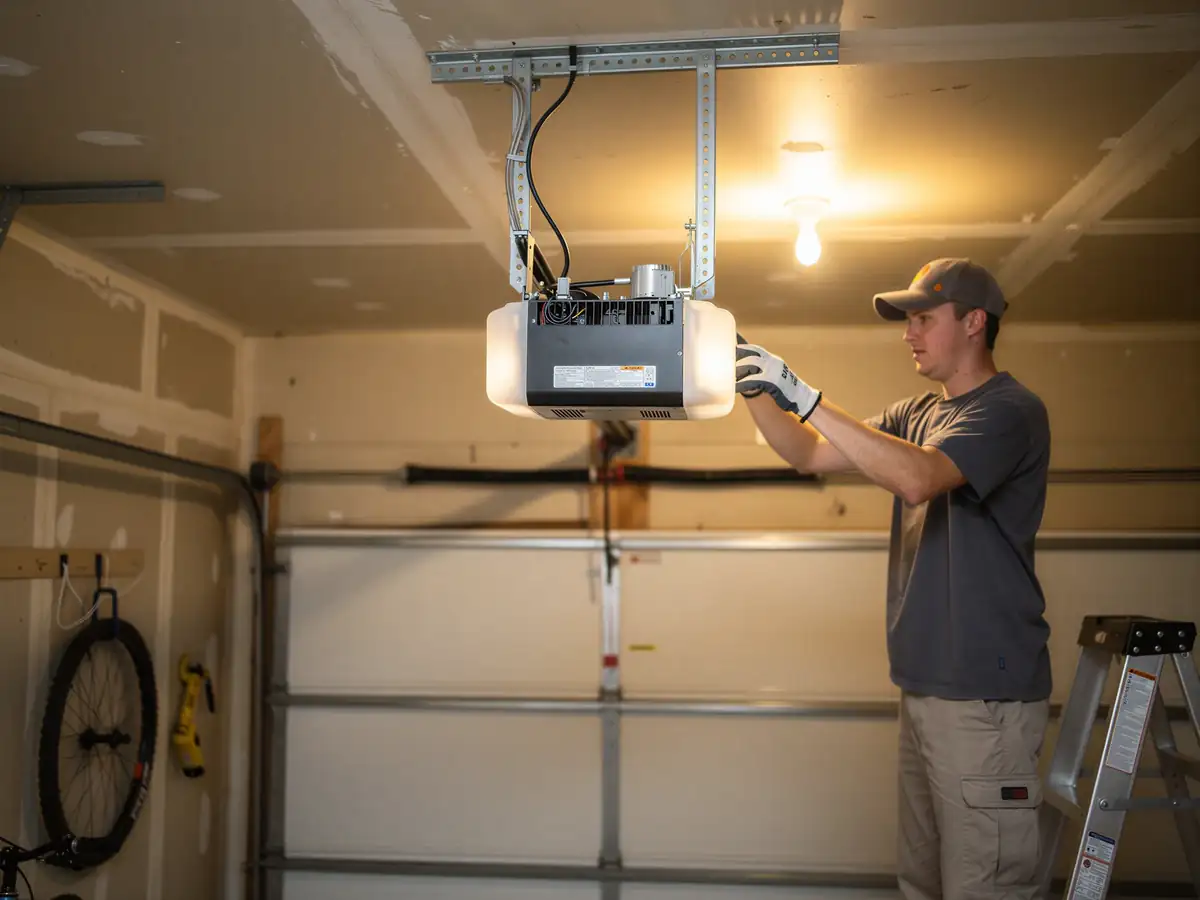
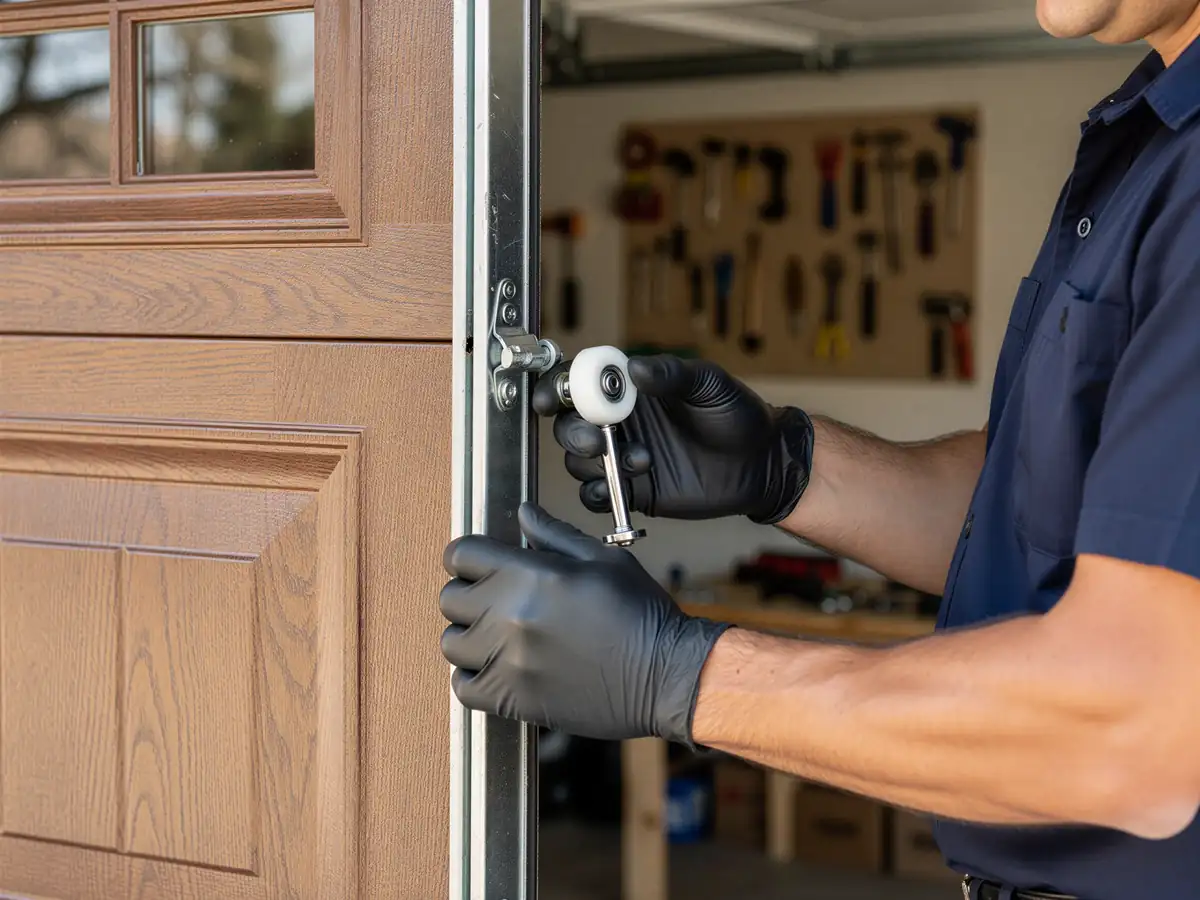
The most common mistake is treating the symptom instead of the door. Homeowners add a new bottom seal or a bead of weatherstripping around the frame and expect the cold draft to stop - it helps a little, but the panel itself is still a single sheet of metal with nothing behind it. Others replace the opener, thinking a stronger motor will fix a door that's gotten heavy and sluggish in winter, when the real issue is a spring that was sized for the original lightweight door decades ago and is now straining against age and cold. We also see people hang insulation kit panels inside an old door without checking whether the existing spring can handle the added weight - that's a quick way to turn a cosmetic project into a snapped spring or a bent track. If the door is original to a house built in this era, any upgrade needs to start with the spring and hardware, not the trim.
How Local Conditions Play In
Put the housing age and the climate together and you get a specific, recurring job: original-era doors, cold-rated hardware fatigue, and owners who want a warmer garage without replacing everything. We see it in Lorain and just as often a few minutes out toward Sheffield, Sheffield Lake, or Amherst, where the same 1960s-70s build wave shows up. The honest answer isn't always a full insulated-door replacement - sometimes the spring and seal are the real problem and the panel still has years left. But if a panel is original to a house built before 2002 and shows rust-through or warping at the bottom section, patching it rarely holds up through a second winter. One limitation worth saying plainly: insulated replacement doors aren't a same-day stock item in every size, so if yours needs a specific width or style, expect a lead time before installation, not a same-visit swap.
How it works
From “it’s stuck” to “it’s fixed”
01
Tell us what’s wrong
Describe the symptom - won’t open, loud bang, opener runs but the door won’t move.
02
On-site diagnosis
A technician tests the door under power and by hand and finds what actually failed.
03
Clear, up-front plan
You get the fix that’s needed and what drives the cost - before any work starts.
04
Repaired & tested
The repair is done, the door is set true and tested, and the work area left clean.
Not sure which repair your door needs in Lorain, OH? Describe what it’s doing - every job starts with a diagnosis.
Why does my garage door feel so much heavier in winter?
Cold tightens steel and stiffens spring tension slightly, and if your door is original to a house built in the 1960s or 70s, the spring was sized for that era's lighter, uninsulated panel. Add age and cold together and the door can feel noticeably harder to lift by hand or strain the opener.
Is it worth insulating an old garage door instead of replacing it?
Sometimes. If the panel itself is sound - no rust-through, no warping - an insulation kit can help. But check the spring first; adding weight to a door built for a lighter original panel can overload hardware that's already decades old.
Why does my garage door get condensation on the inside in winter?
Uninsulated steel or wood panels, common on houses built before insulation rules were standard, let the inside face of the door run cold. Warm, moist house air hitting that cold surface condenses, which is a normal sign of an older, uninsulated door rather than a defect.
Ready to get your garage door sorted?
Tell us what it’s doing and where you are in Lorain - we’ll take it from there.