Can You Do This Yourself
At a median household income of $93,043, most Amherst homeowners can afford to replace instead of patching a door that's been failing for a year
That's the number that should drive the decision, not the age of the door by itself. A single steel section, a worn bottom seal, or a dented panel on an otherwise sound door is a repair - swap the part, move on. But once you're pricing a new opener, new track, new springs, and a panel repaint on a door that went in when the house was built, you're paying repair money for a fraction of a new door's life.
- $93,043 median household income
Most houses in this part of Amherst date to around 1971
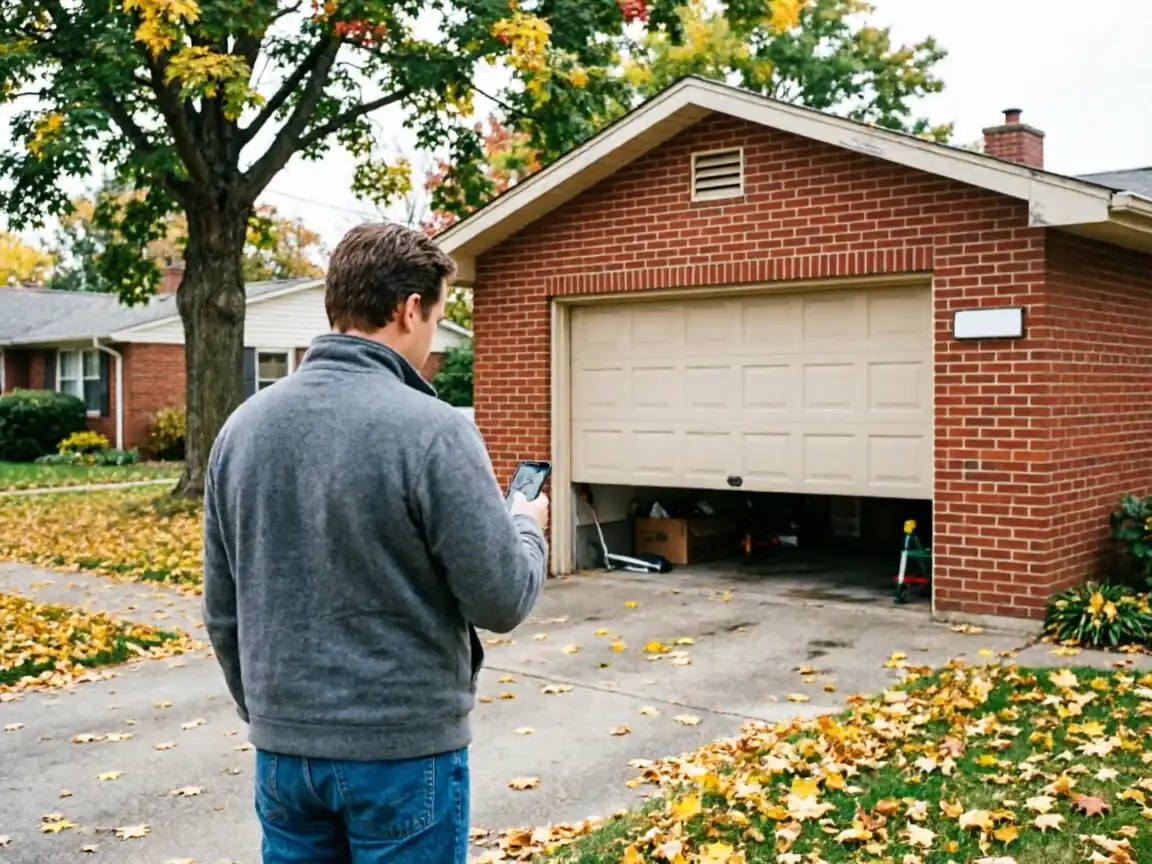
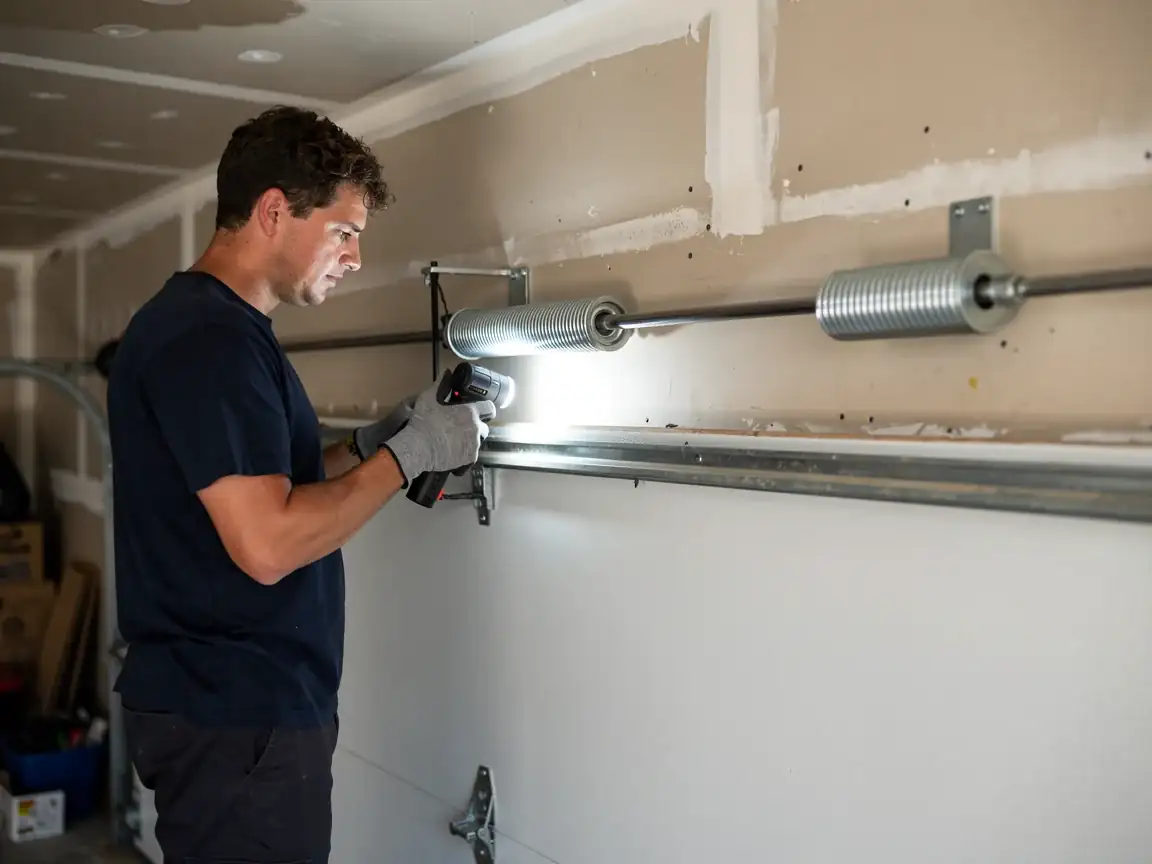
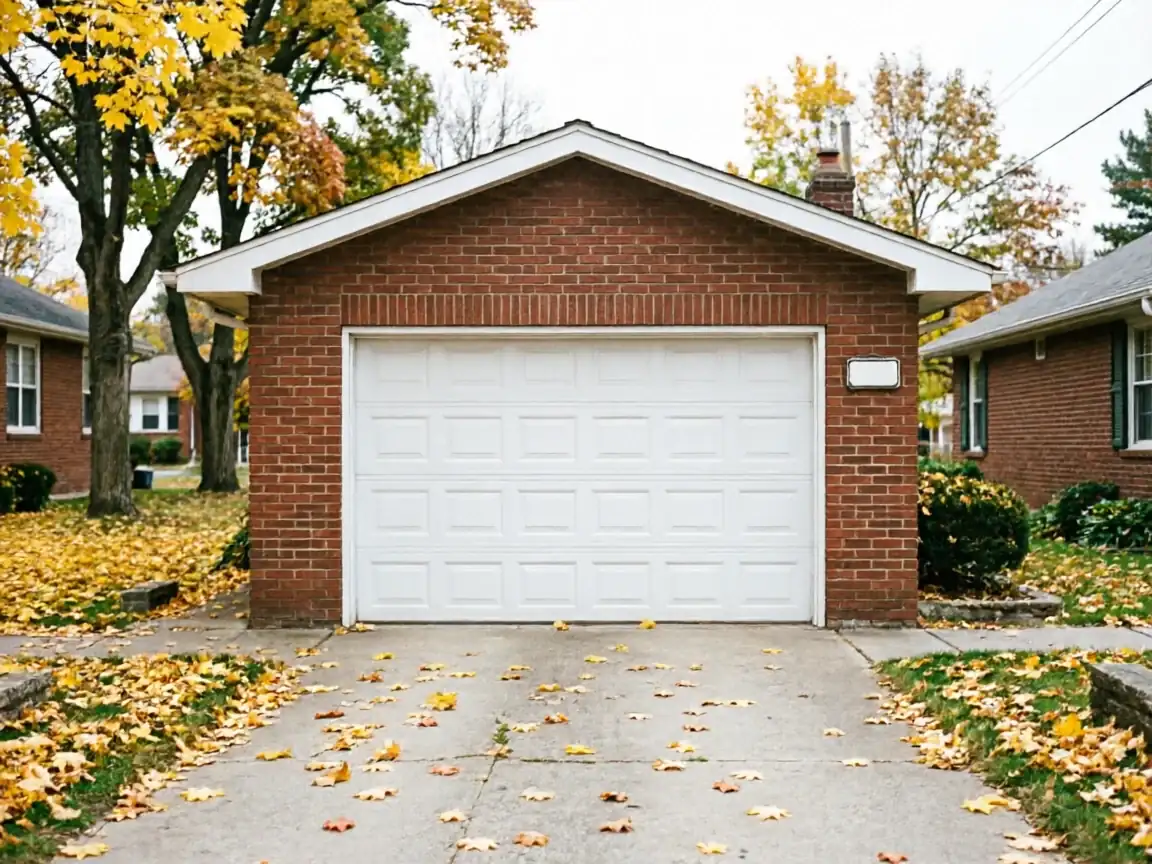
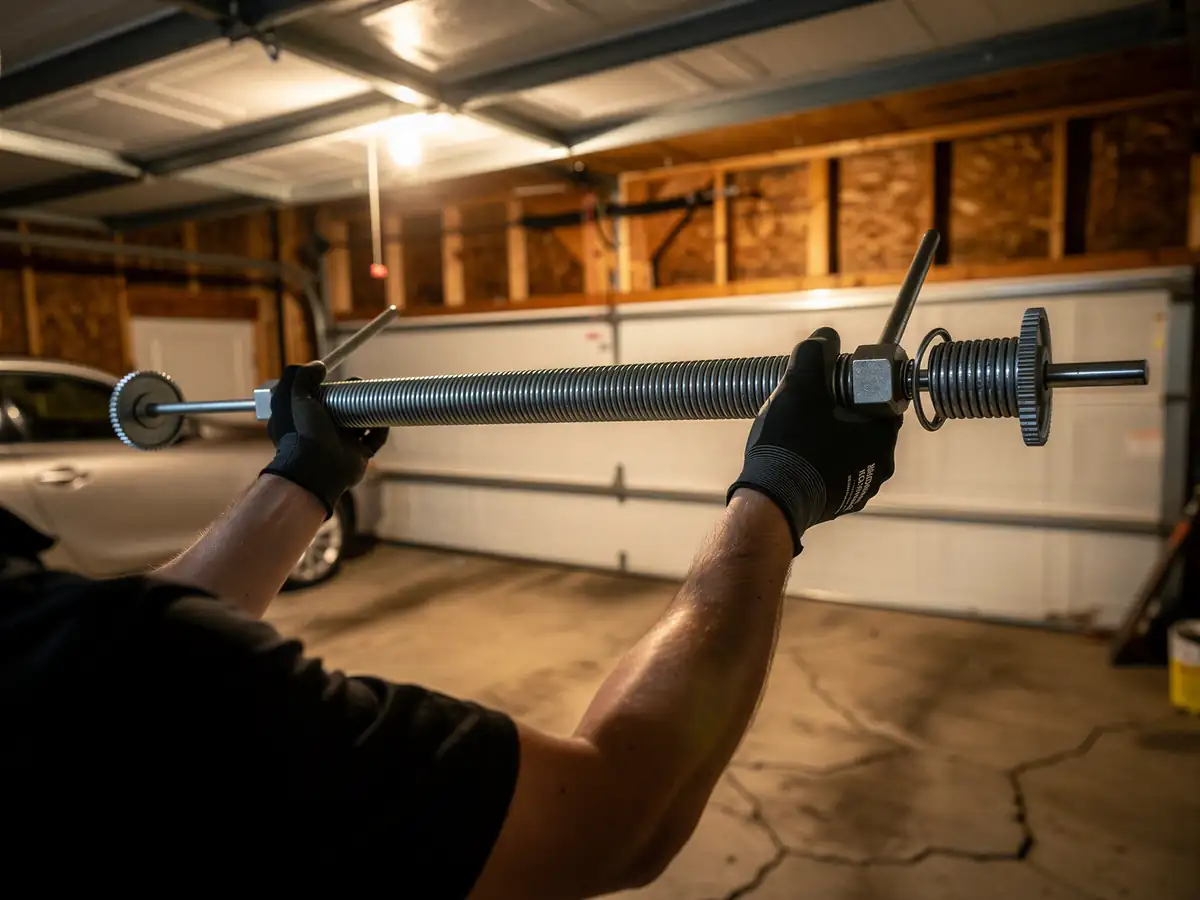
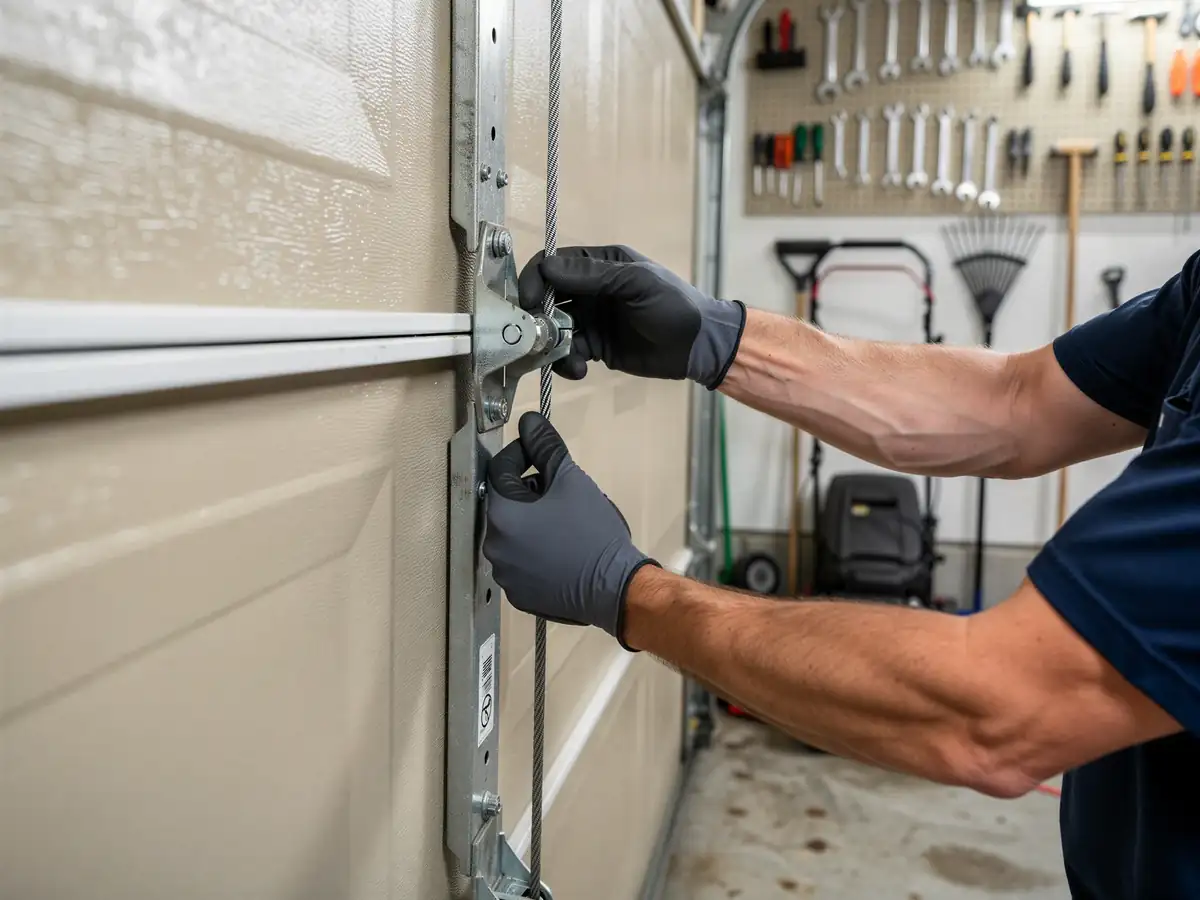
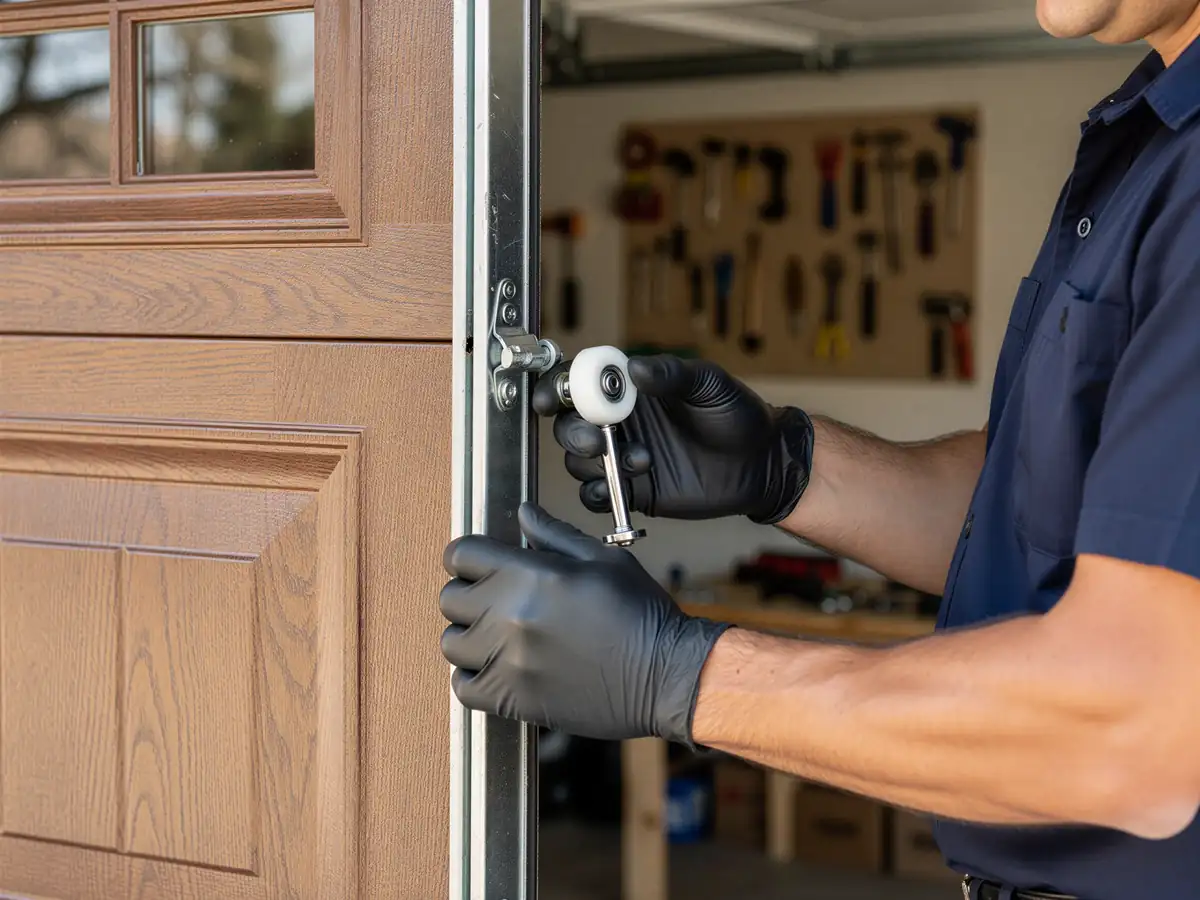
Which puts a lot of original or first-replacement doors well past the point where parts match current hardware. Torsion springs and rollers sized for a 1970s door opening aren't always a clean swap with what's stocked today, and an installer ends up modifying brackets to make an old track fit new springs. That's not a weekend DIY job - misjudging spring tension on a torsion system can put you in the ER, and a door that's out of square on the track will bind an opener motor until it burns out. If you're comfortable with a reciprocating saw and a torque wrench, swapping a bottom seal or a single hinge is fine. Replacing the whole door, the track, and the opener in one job is not.
How to Book
We run this job out of Lorain, about 4 miles from Amherst, so scheduling works the same as it does for any town on this side of the county - you call, we talk through what's actually going on with your door, and we book a measure-and-quote visit. Because we're not based in Amherst itself, we don't promise same-day on every call; we fit the drive into the day's route. For a full install, that's usually a two-visit job: one to measure the opening and confirm track clearance, one to install.
If your door is original to a house built around 1971, tell us that up front - it changes what we bring on the truck. Older openings sometimes run a hair narrower or use jamb spacing that doesn't match the stock sizes most manufacturers cut to today, and knowing that before we show up saves a second trip. You can see what else we cover out of Lorain on the Amherst area page, and if you're also weighing other garage door work for the same house, the main Lorain installation page covers the broader service list.
The Complications
Amherst sits in the same cold-moderate climate band as the rest of this service area, which matters more for a new install than people expect. A door and opener spec'd for a mild climate will struggle here - insulation value in the panel, the grade of weatherstripping at the bottom seal, and the opener's cold-start torque all need to match winter swings, not just summer convenience.
The other complication is the housing stock itself. Construction across this area runs from 1938 to 2002, with most of it concentrated in the 1960s and '70s, and Amherst's own median lands at 1971. That means openings built to older framing standards, sometimes slightly out of square after fifty-plus years of settling, and headroom that doesn't always match what a new opener bracket expects. We won't quote a job sight unseen for that reason - a stated price before we've measured the actual opening is a guess, and we don't guess on a job involving a 150-plus-pound door and torsion springs under load.
We also won't install a new door on track or jambs that are rotted or out of square without addressing that first. Bolting a new door to bad framing is a comeback call waiting to happen, and we'd rather tell you that before the install than after.
What the Fix Involves
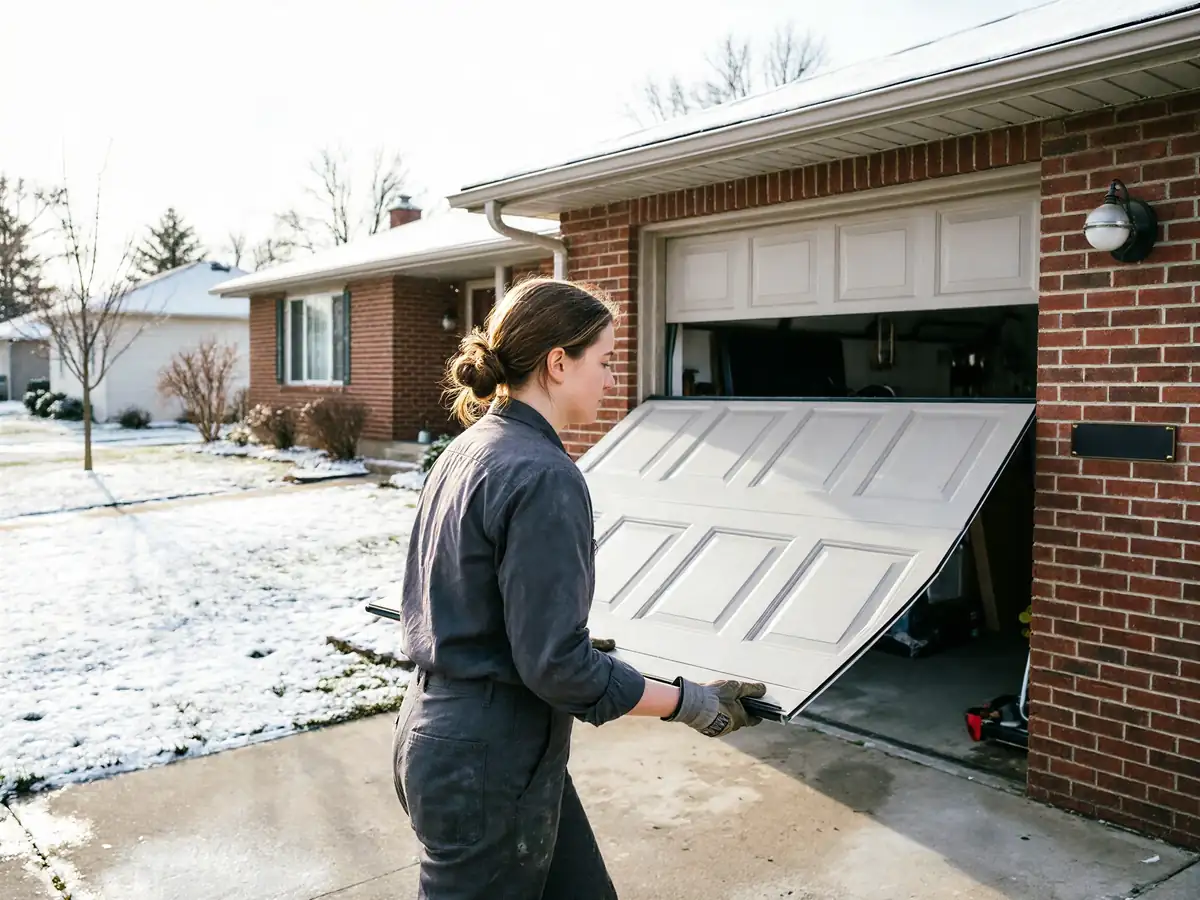
A full new-door install on a house from the 1971 era usually starts with pulling the old door, track, and often the spring system together
Since hardware from that period rarely carries over cleanly to current door weights and spring ratings. We re-square the jambs if settling has pushed them out, set new vertical track, and size the torsion spring to the actual door weight rather than reusing the old spring's rating - a mismatch there is one of the most common causes of early opener failure.
For this climate band, we spec panels with insulation suited to real winter swings
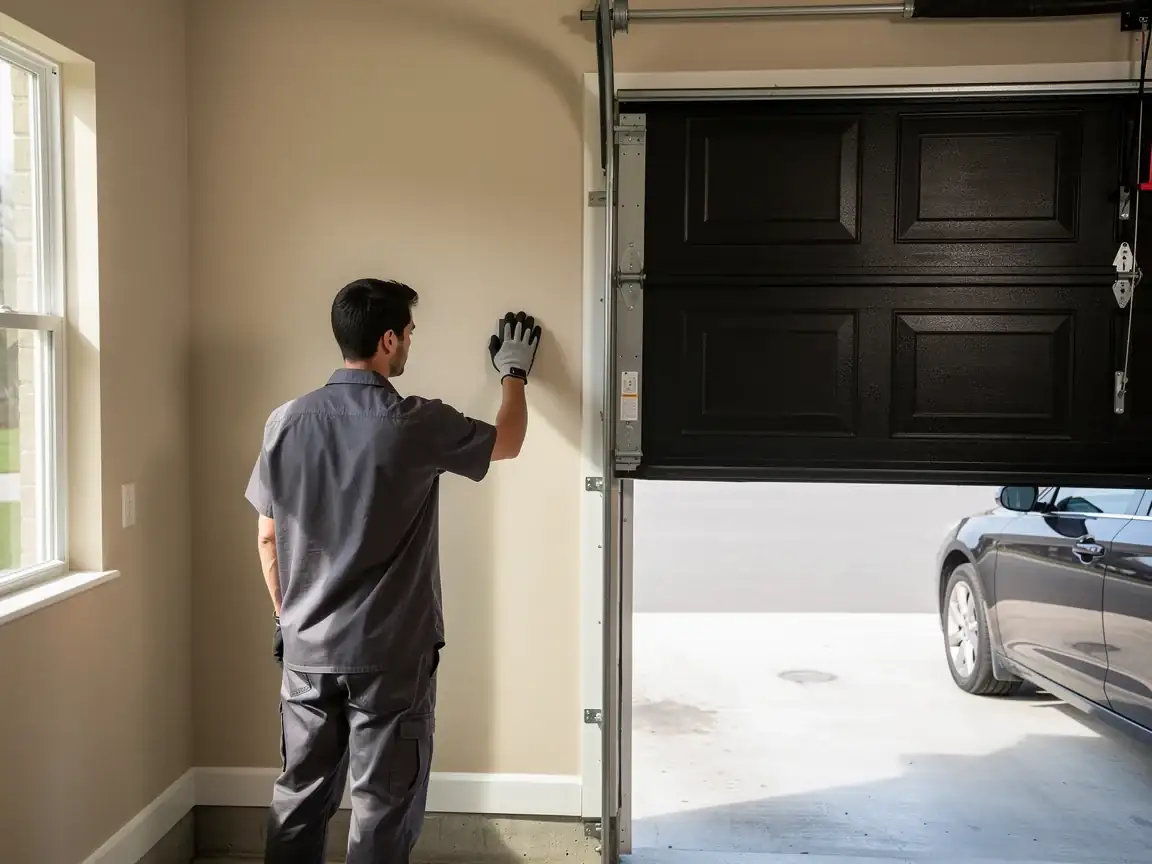
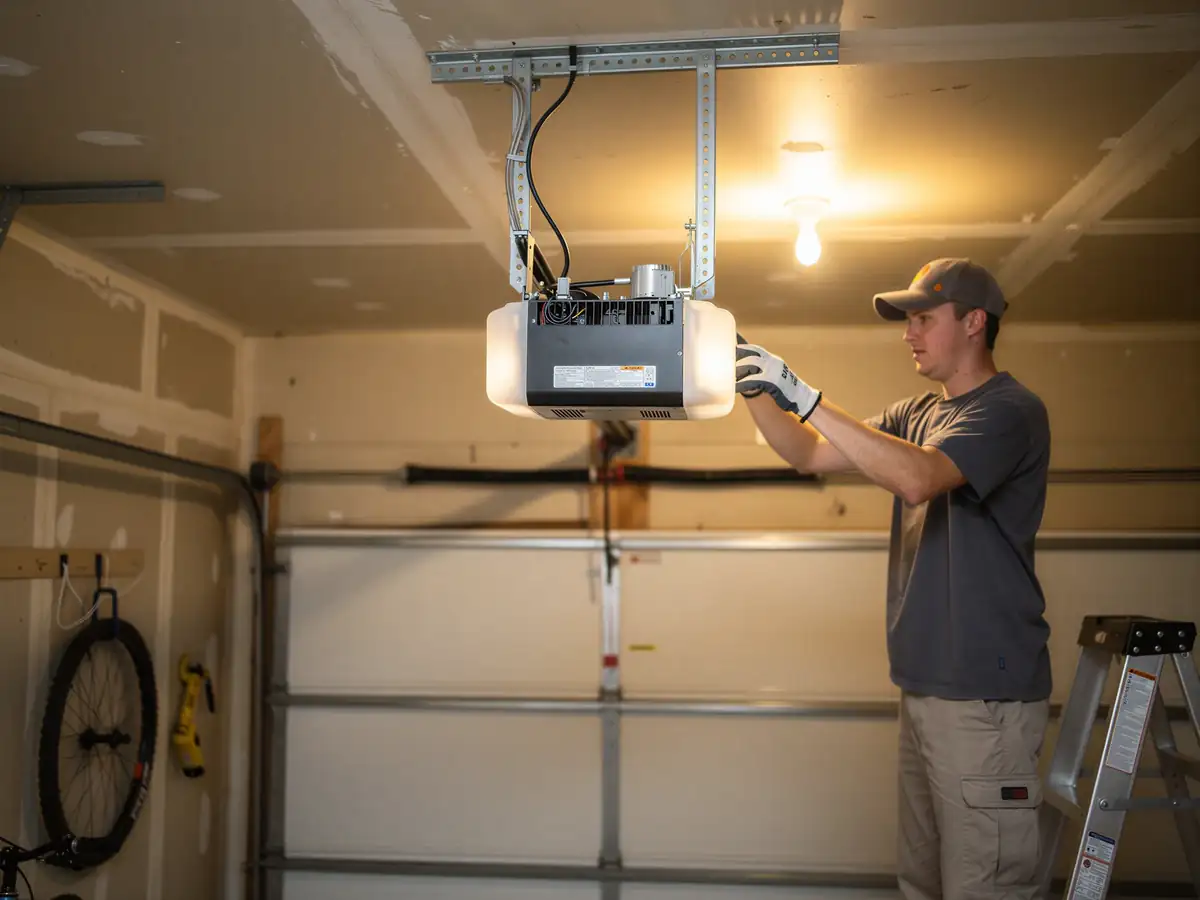
Not a builder-grade door meant for a milder region. The opener gets matched to the new door's weight and the bracket height of the actual opening, not a universal setting. Last step is balance-testing the door by hand before the opener ever takes the load - a door that isn't balanced will shorten opener life no matter how good the motor is.
One limit worth naming
If the garage's electrical isn't set up for a modern opener circuit, that's outside what we handle on an install visit - that's an electrician's call, and we'll tell you if we see it.