The Cost of This Job
A roller replacement job isn't priced the same everywhere
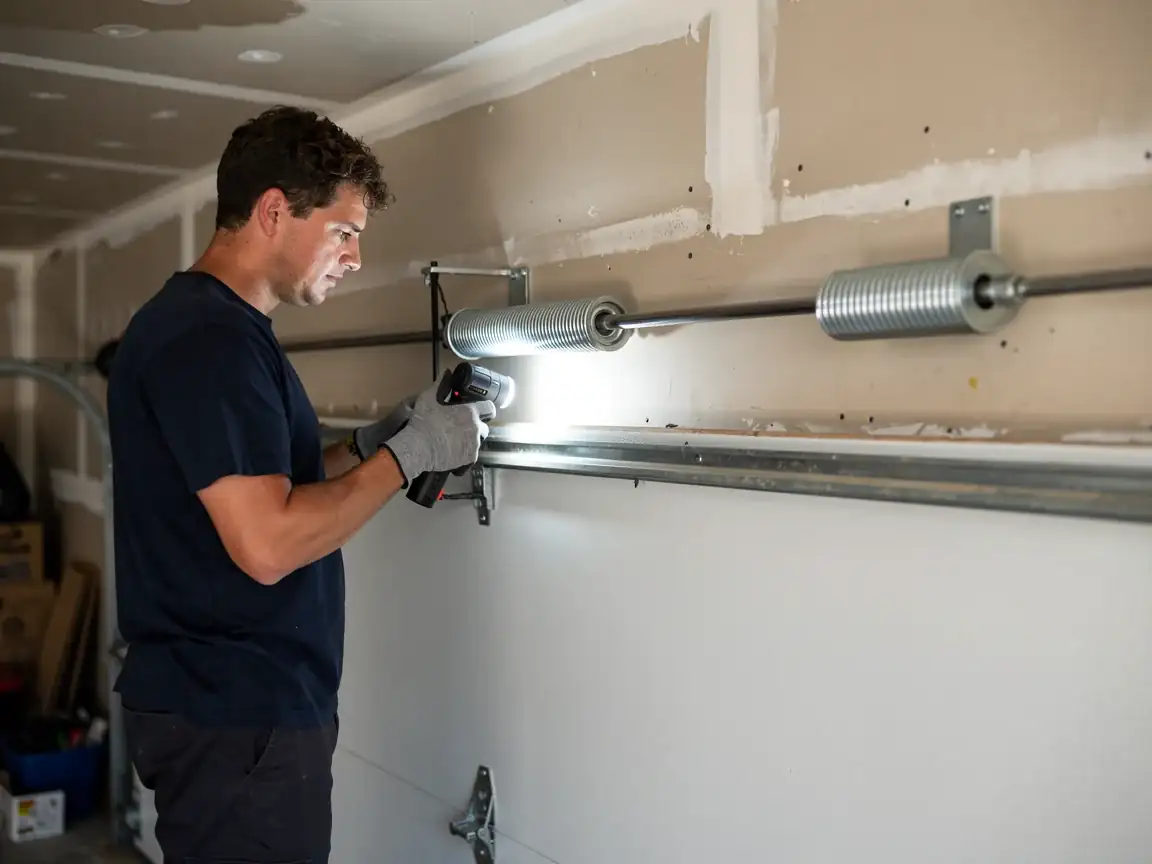
And we're not going to throw out a number that doesn't hold up once a tech is standing in your driveway. What drives the bill is how many rollers are shot, whether they're steel or nylon, and whether the track itself got bent from riding on worn wheels for months. On a lot of the houses we see across this service area - built anywhere from 1938 up through the early 2000s, with most of the stock dating to the 1960s and '70s - the original steel rollers are long past their service life, and by the time a homeowner calls, it's often not just rollers. It's a bent track section too, because a hopping roller eventually chews the horizontal rail.
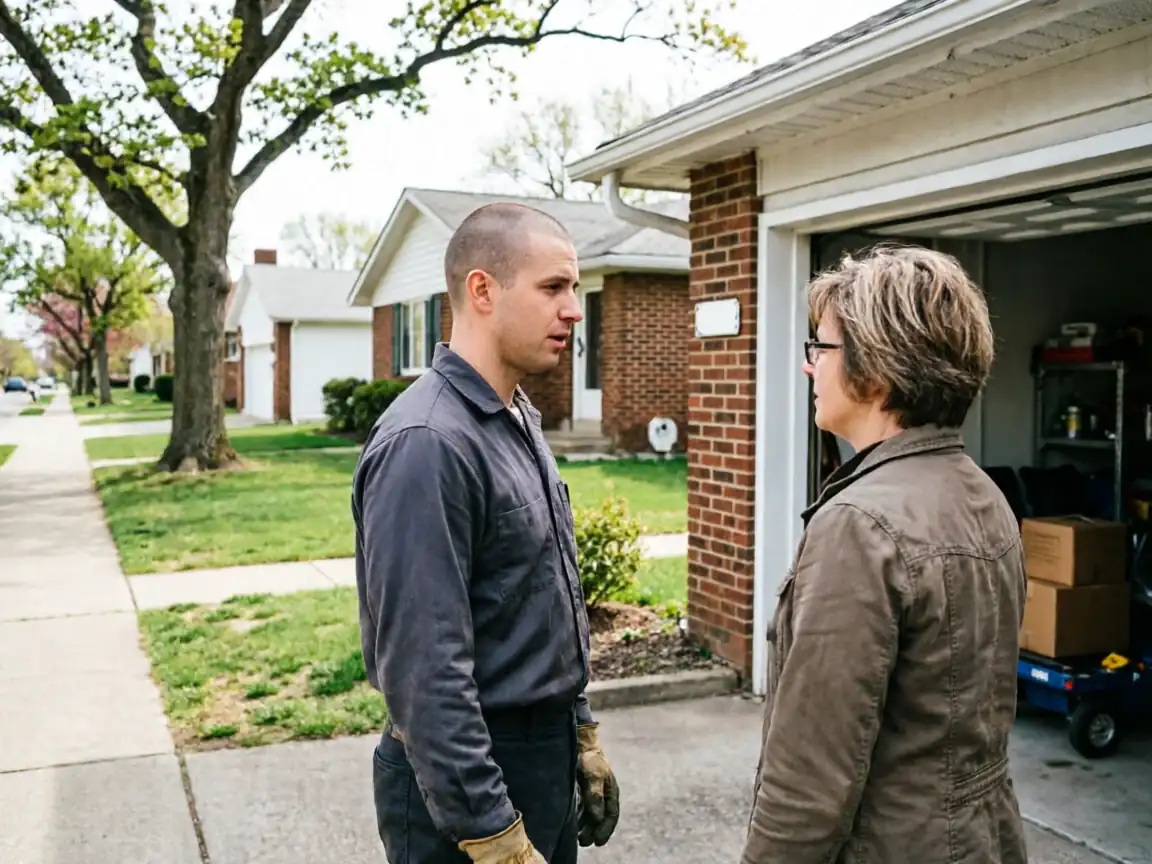
We'll tell you straight if full roller replacement is the right call or if you're better off putting that money toward a new opener or door instead
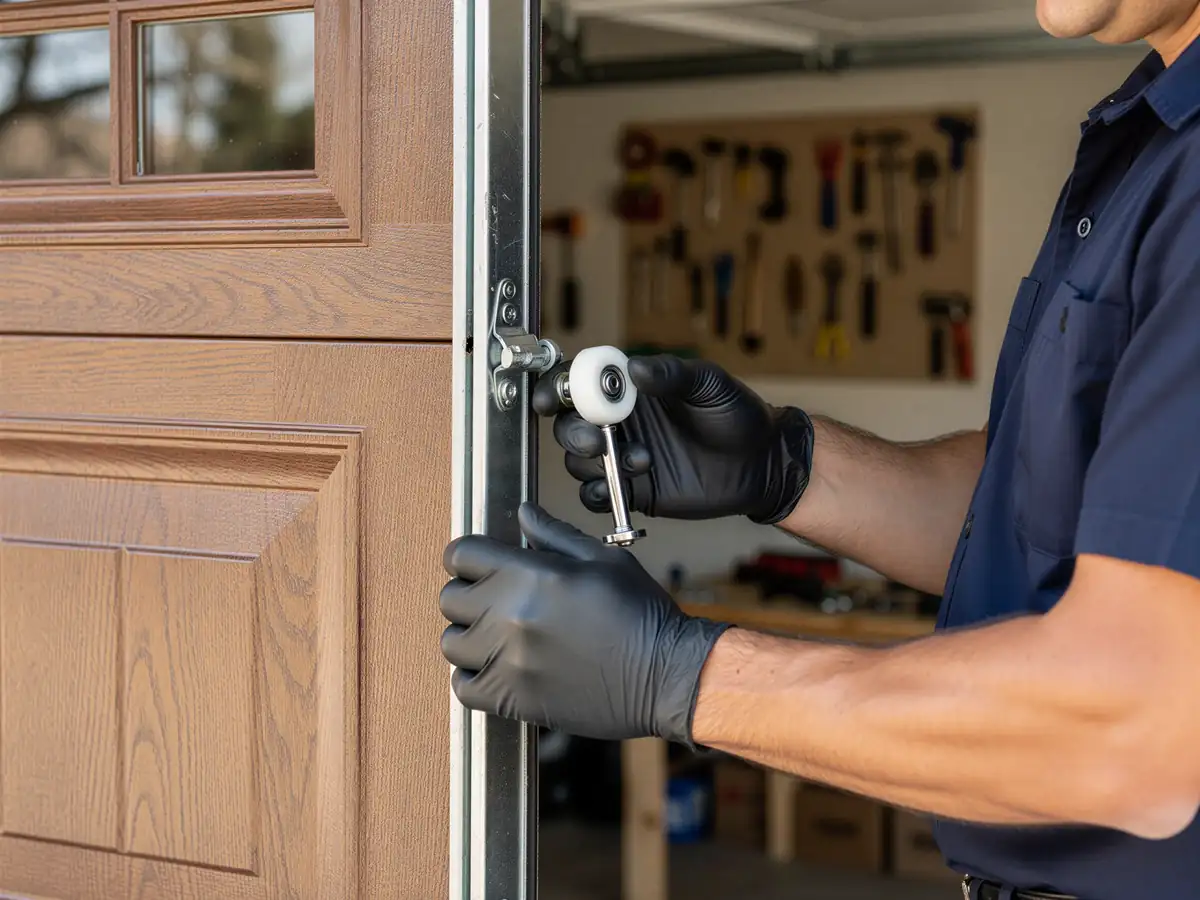
Nylon rollers cost more up front than steel but run quieter and don't need the grease schedule steel does, which matters if your door sees daily use. We don't sell a job bigger than it needs to be - if six of your ten rollers are fine, we're not replacing ten.
How It Shows Up
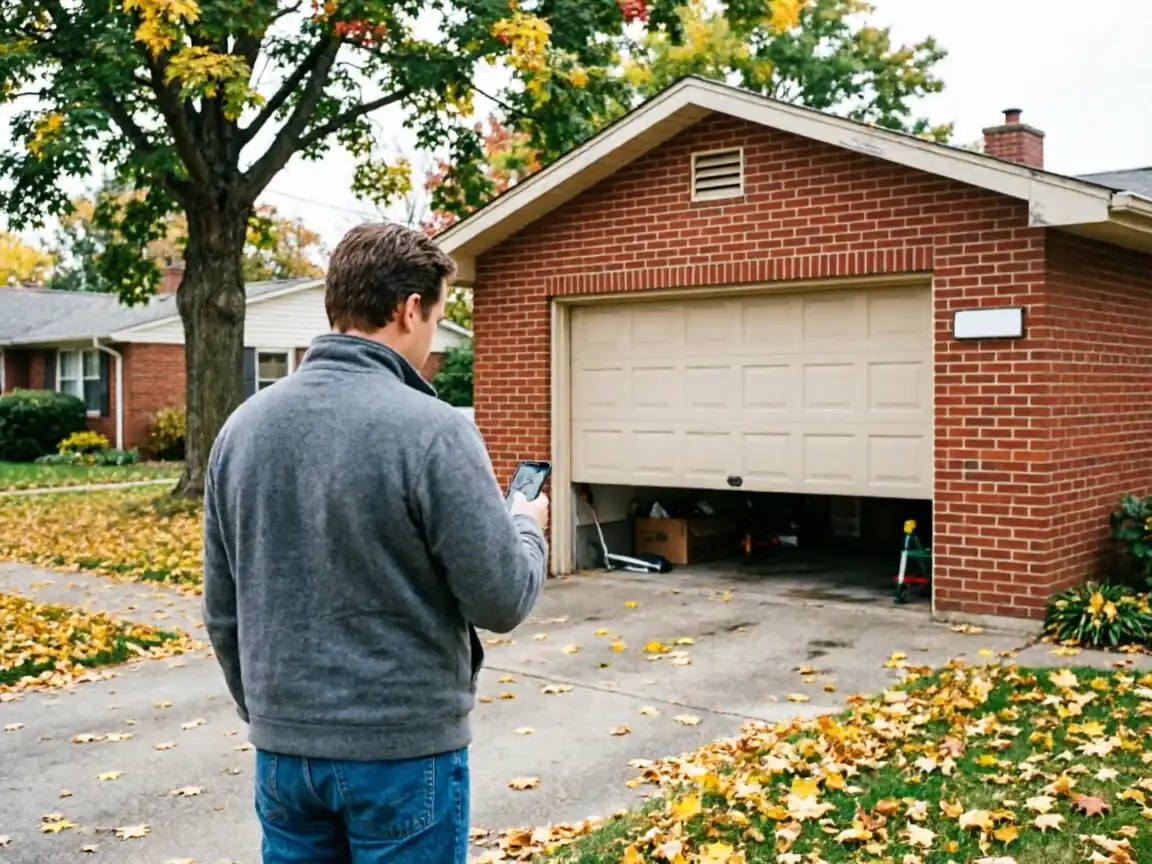
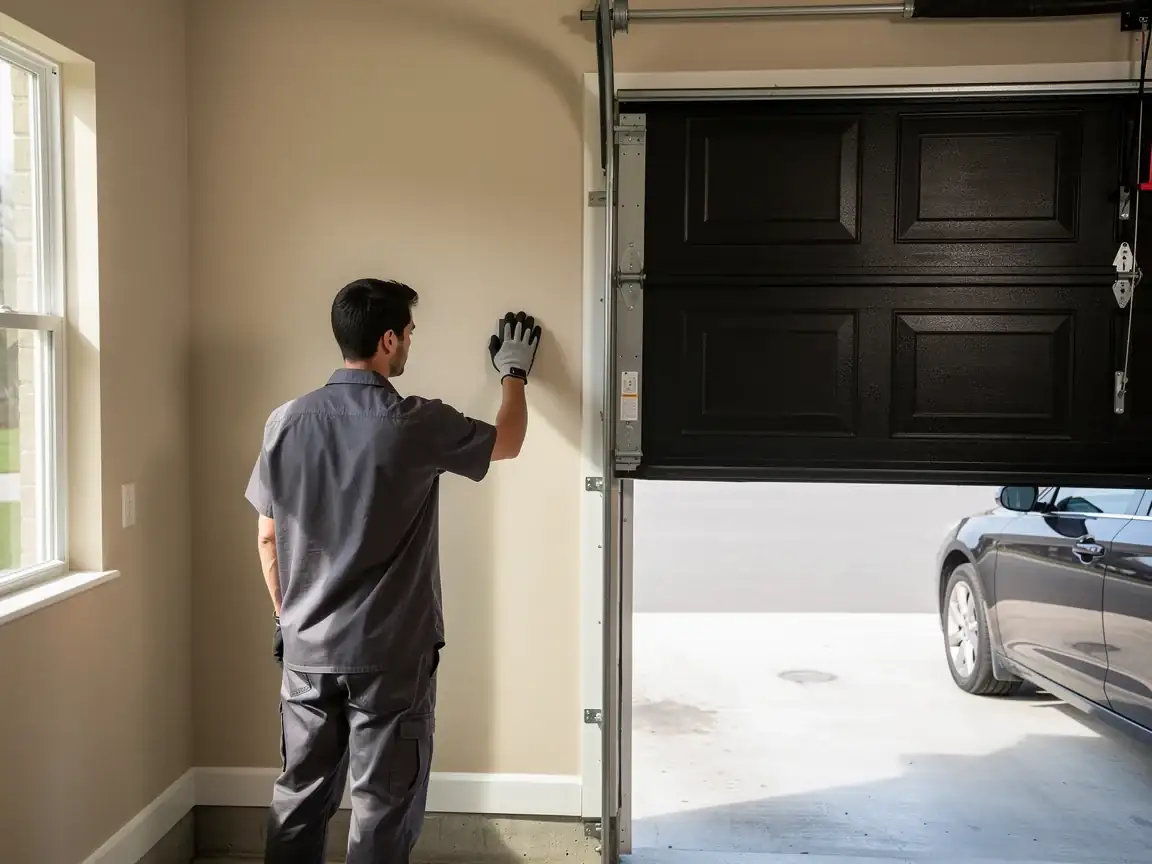
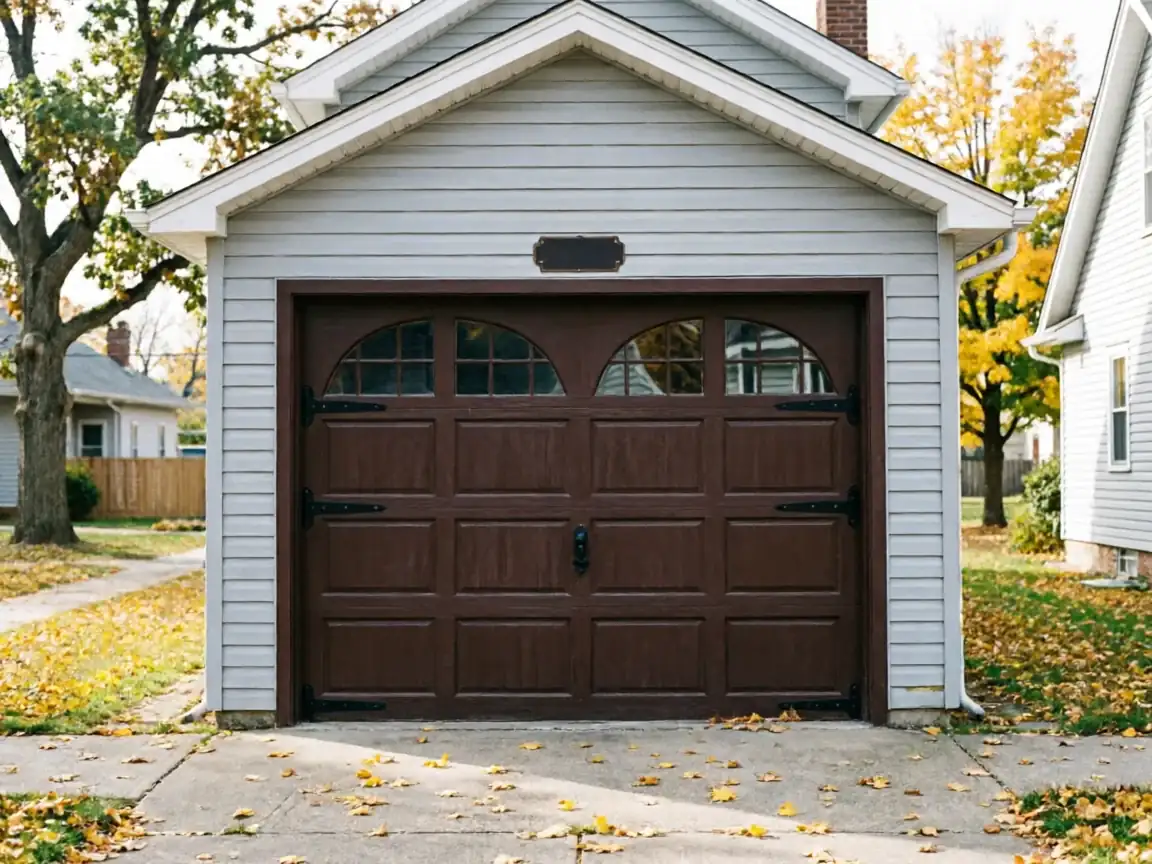
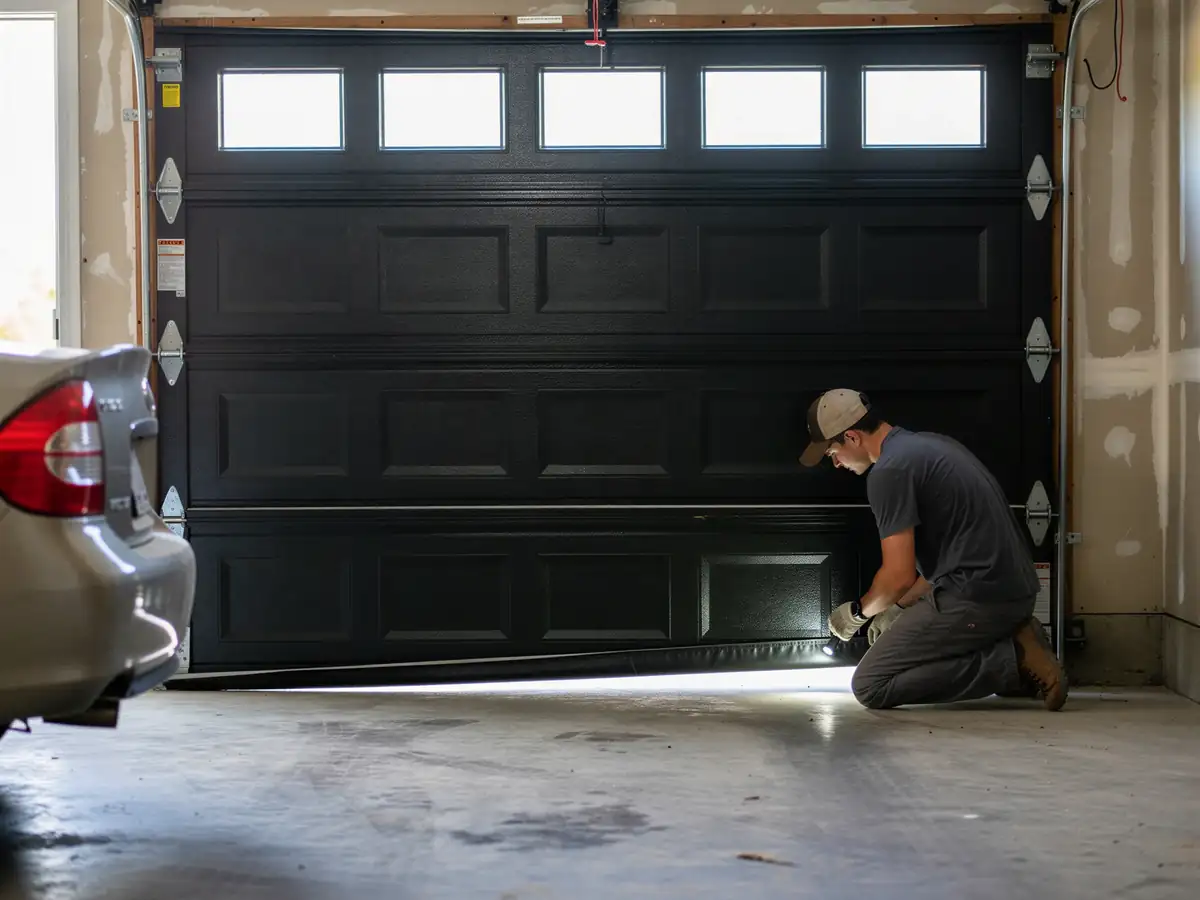
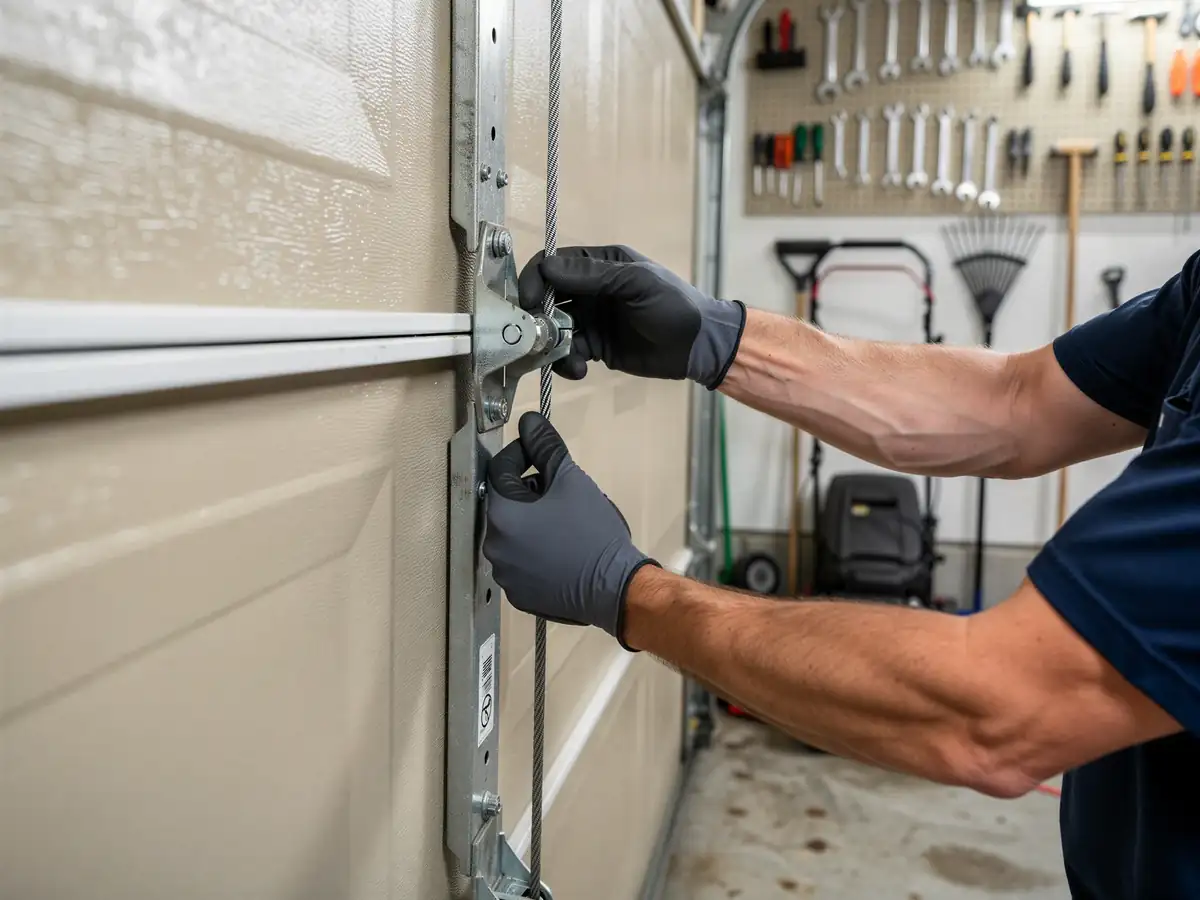
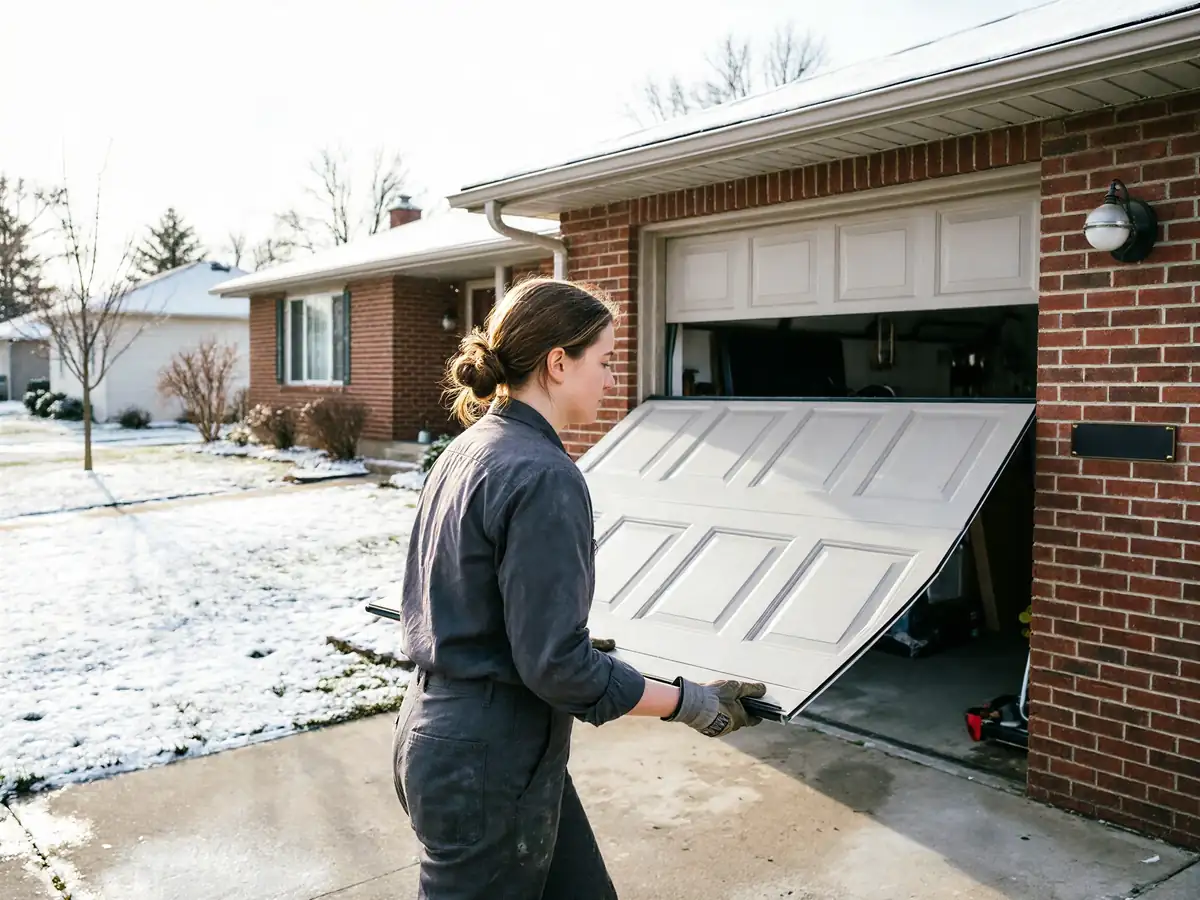
The door grinds instead of gliding. You hear a rhythmic thunk every few seconds as a flat-spotted steel roller rolls over itself on the way up or down. Sometimes a roller pops clean out of the track and the door hangs crooked on one side, stuck halfway. On older steel rollers - common on the 1960s and '70s-built houses that make up most of this area's housing - the bearings dry out and the wheel itself develops flat spots from sitting in one position all winter.
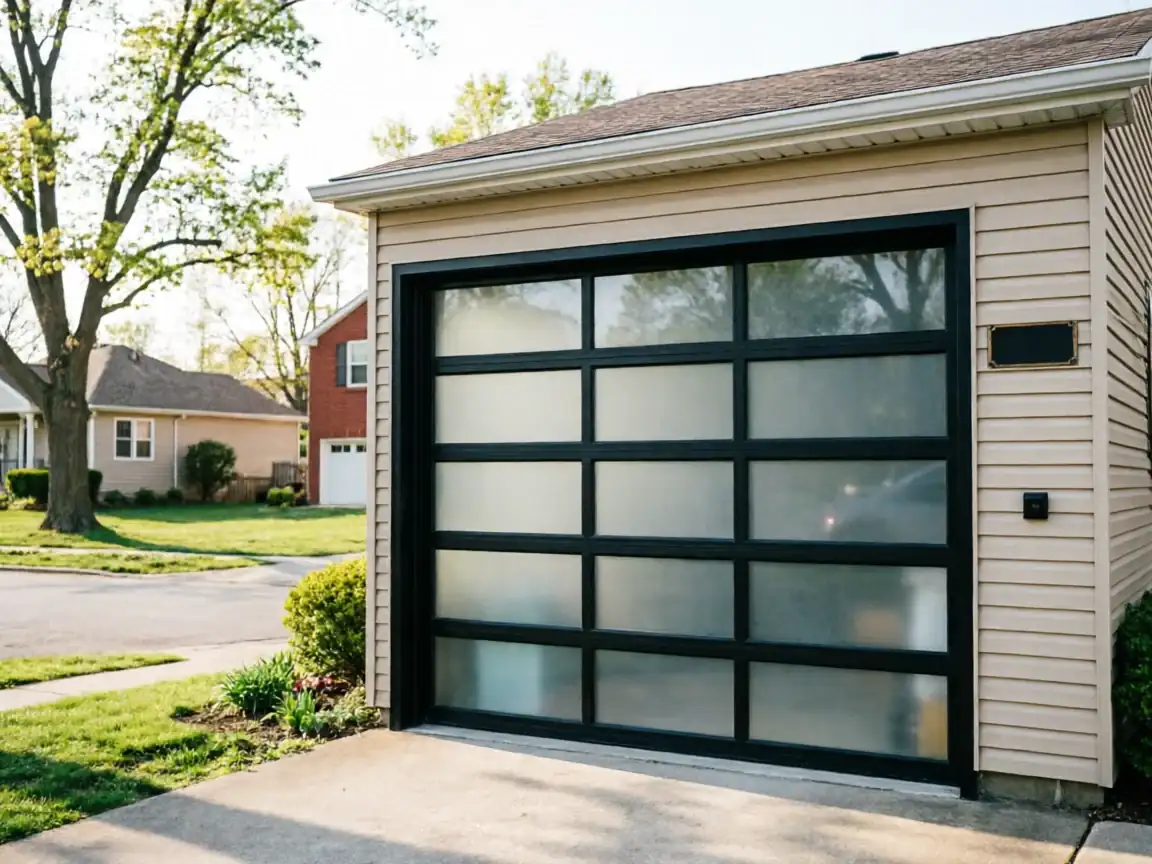
In households that run the door multiple times a day, the wear shows up faster at the bottom rollers, which carry the most load and see the most road grit and salt tracked in off the driveway. If you've got a two-car door on an older track system, a single bad roller near the bottom corner can throw the whole panel out of alignment, which is why what starts as a $20 part problem can turn into a bent track if it sits too long.
Why It Happens Here
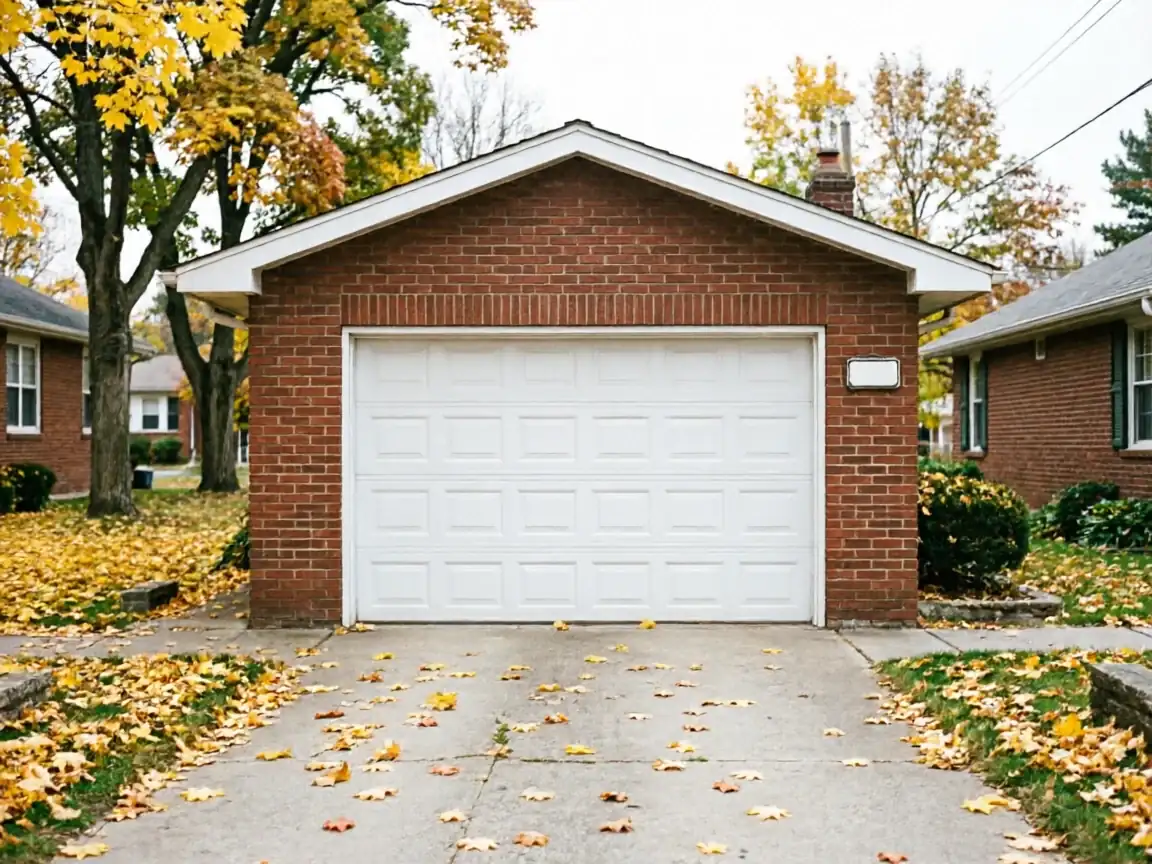
This area's housing stock skews old - median build year sits around 1968, with homes going up as early as 1938 and as recently as the early 2000s across the 22 named communities we cover. That means a huge share of the doors out there still have original or first-generation hardware, including steel rollers that were never designed to last 50-plus years.
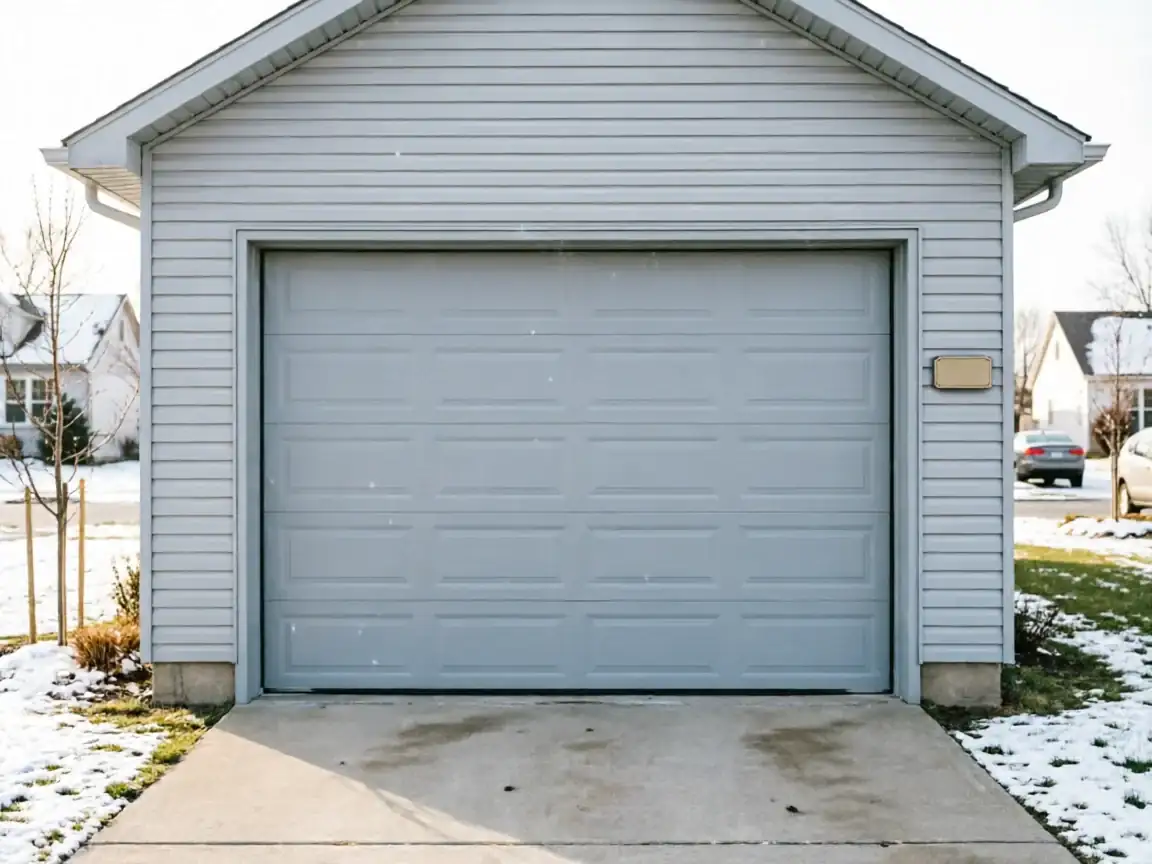
The climate does the rest of the work. This is a cold-climate zone with real freeze-thaw cycles, and that matters for rollers specifically: steel contracts in the cold, grease stiffens, and a roller that was already worn seizes up faster on a 20-degree morning than it would in mild weather. Road salt tracked into the garage off driveways and cars accelerates corrosion on steel roller stems and bearings, which is a slower death than people expect - it's not one bad winter, it's fifteen of them. Combine 1960s-70s hardware with decades of salt and freeze-thaw and roller failure isn't a surprise, it's a schedule.
How to Book
Call or use the contact link on our site and tell us what the door's doing
Grinding, a popped roller, a door that won't sit level in the track. That's enough for us to bring the right rollers on the truck instead of guessing on-site. We serve the Lorain service area and the surrounding towns, including Amherst, Sheffield, Sheffield Lake, Vermilion, Avon, Avon Lake, and the other communities within roughly a 20-mile radius of Lorain.
One honest limitation
If your track is badly bent or your opener is original to a 1960s build, roller replacement alone won't fix the door - we'll tell you that up front rather than replace rollers on a track that's going to keep chewing through them. We'd rather do the job once.