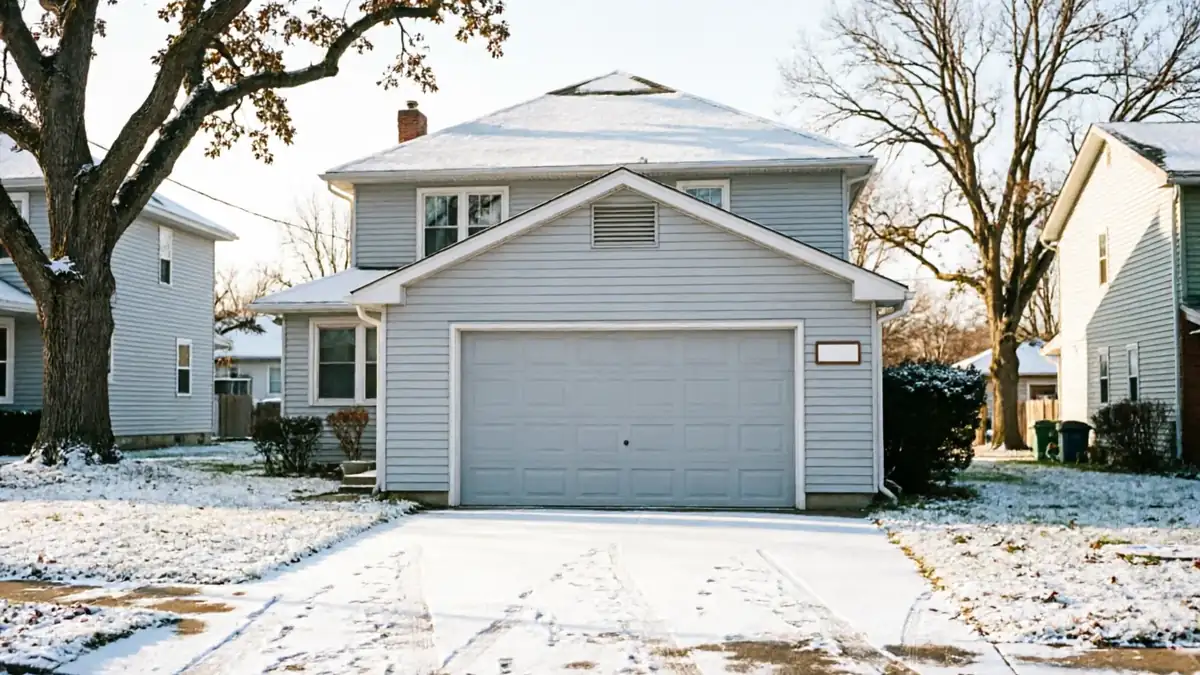
The Seasonal Bit
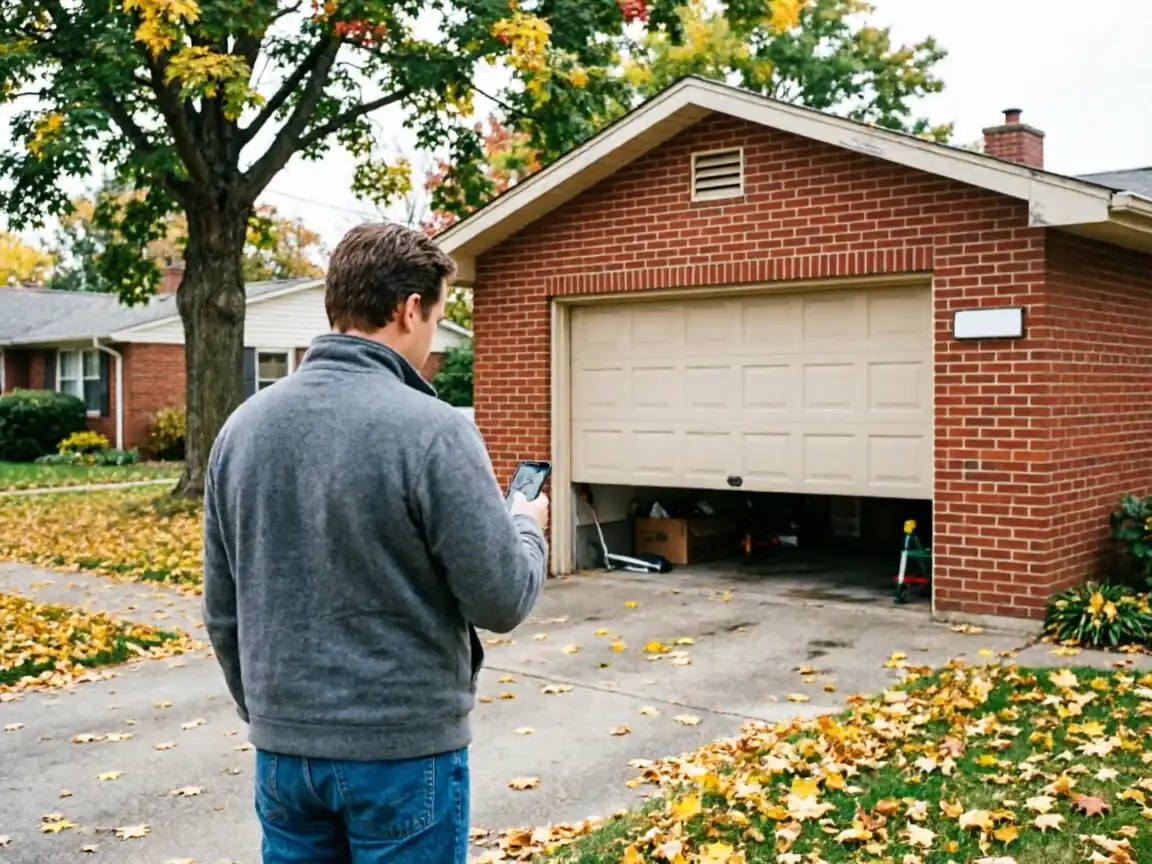
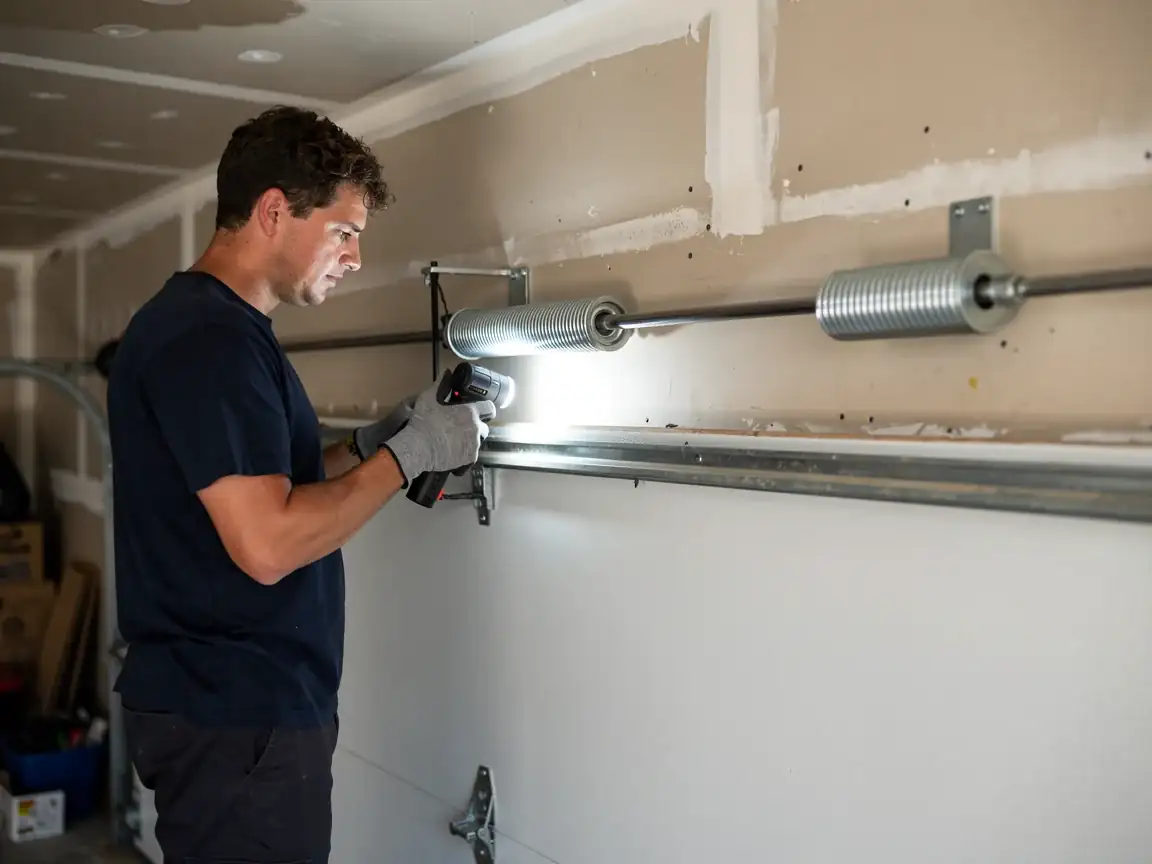
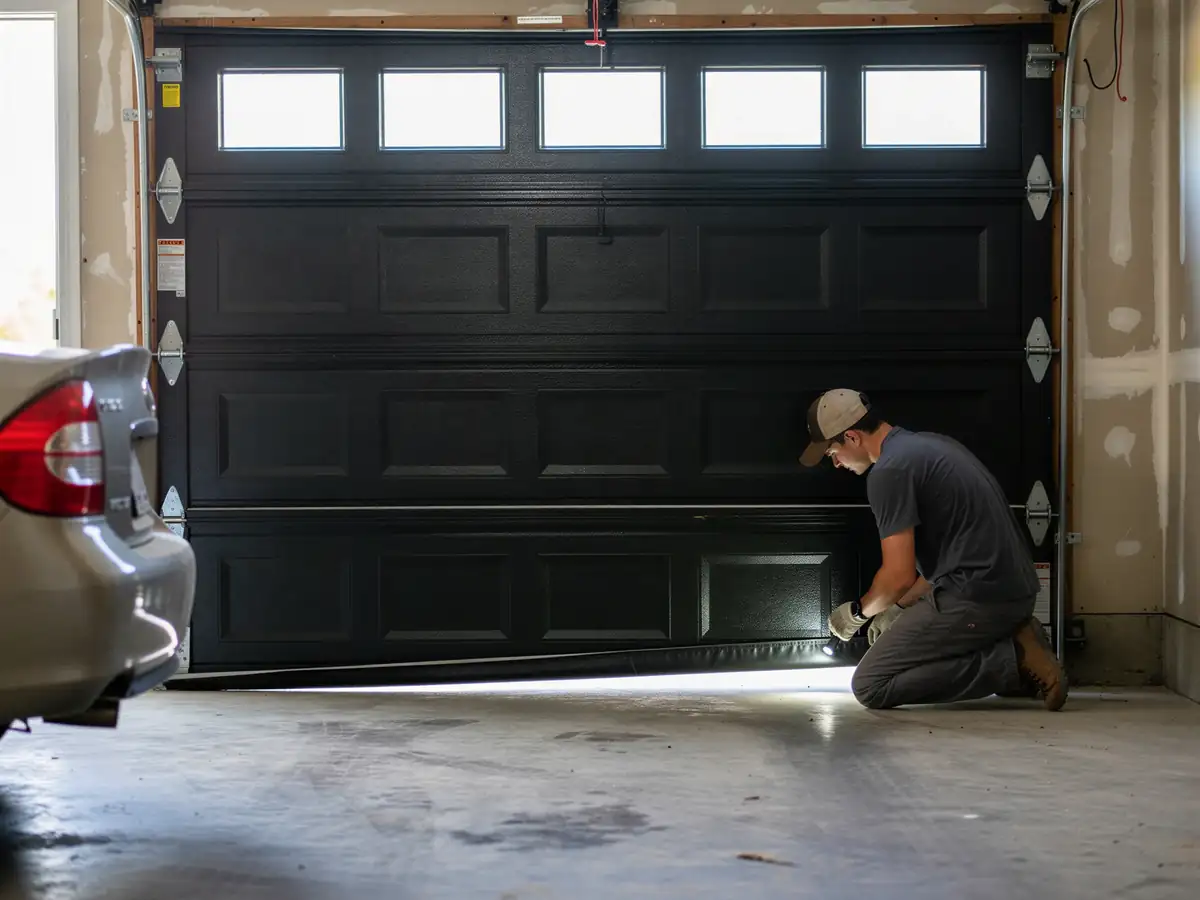
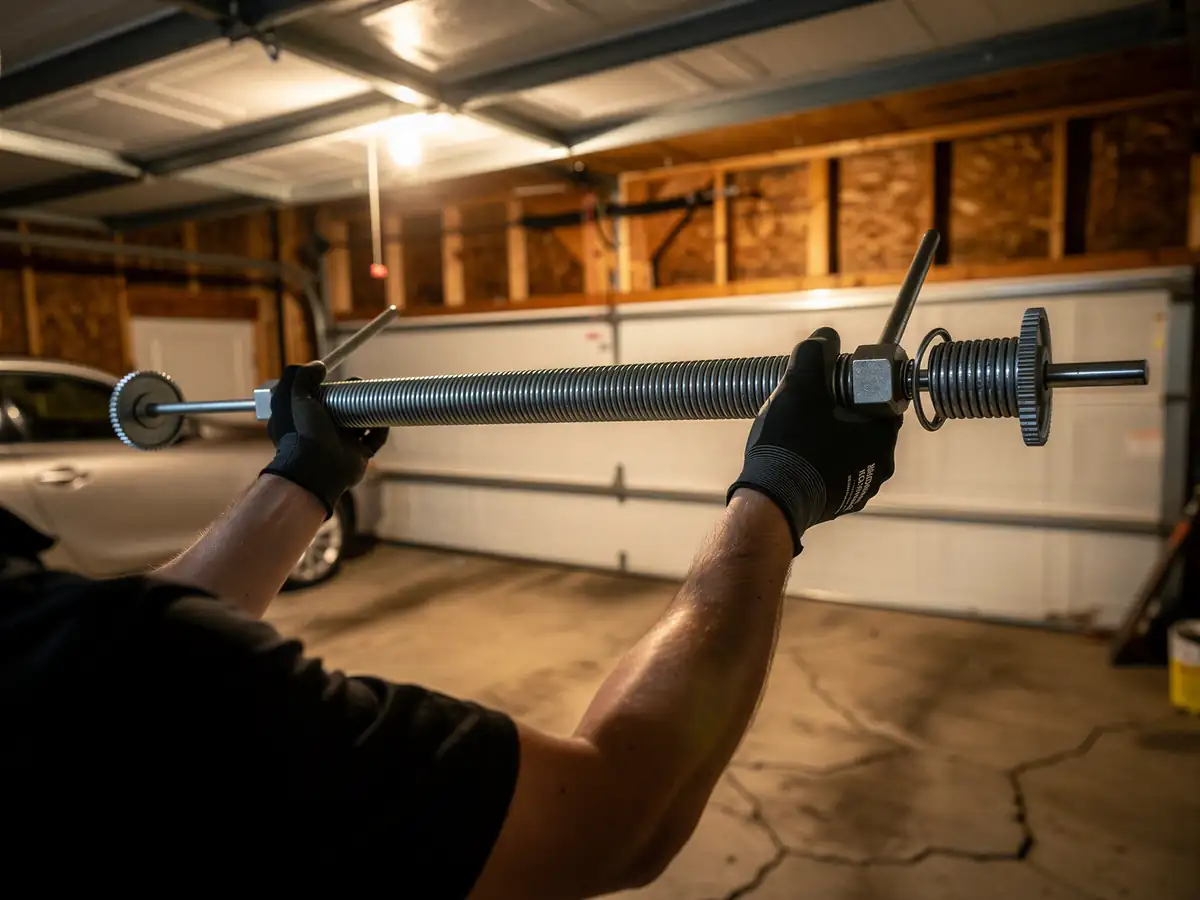
Lorain sits in a cold, moderate climate band, and that matters more for springs than most people think. Steel contracts as the temperature drops, and a torsion spring that's already fatigued from years of cycling loses flexibility right when the cold tightens the coil. The spring that would have held through another summer snaps instead on a January morning. Grease and lubricant inside the coil and on the bearing plates thickens in the cold too, adding drag that puts extra strain on a spring already working near its limit. We see the jump every winter: doors that worked fine in October stop working in December, not because anything new broke but because the cold is the last straw on a part that was already most of the way gone. It's not a coincidence that calls cluster in the cold months here - it's physics acting on hardware that was already due for failure before the first frost.
Where People Go Wrong
The most common mistake is reaching for WD-40 or an all-purpose spray on the spring coil. That thins out fast and strips away, which leaves the metal drier than before, not better protected. A silicone or lithium-based garage door lubricant holds up in the cold; household sprays don't. The second mistake is trying to adjust or unwind a torsion spring without the right winding bars - these springs store enough force to cause serious injury, whether the door is five years old or original to a 1968 build. The third mistake is waiting. A spring that's visibly stretched or has a gap between coils is close to done, and running the opener on a failing spring strains the motor along with the door. One honest limit: on the handful of pre-1960s one-piece doors still in service around town, we don't carry matching spring sizes on the truck, and those jobs take longer to source parts for than a standard torsion setup.