How It Shows Up
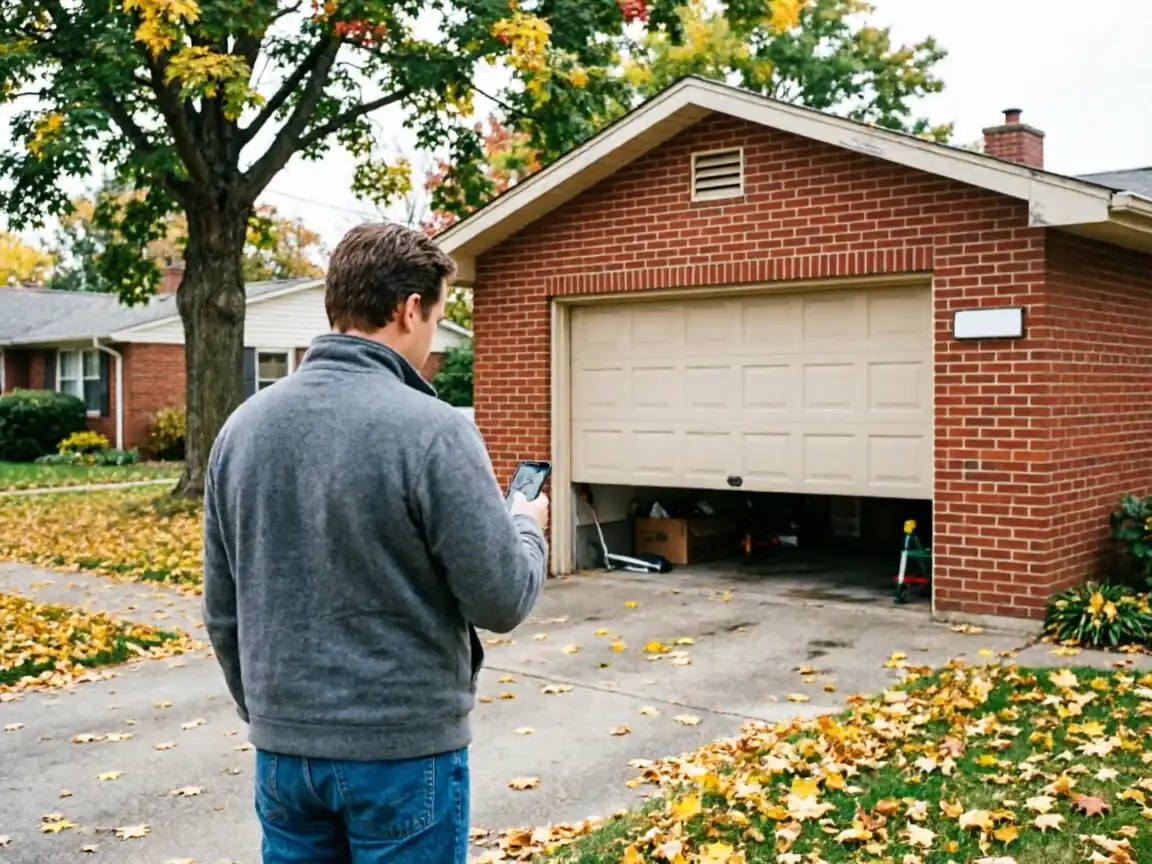
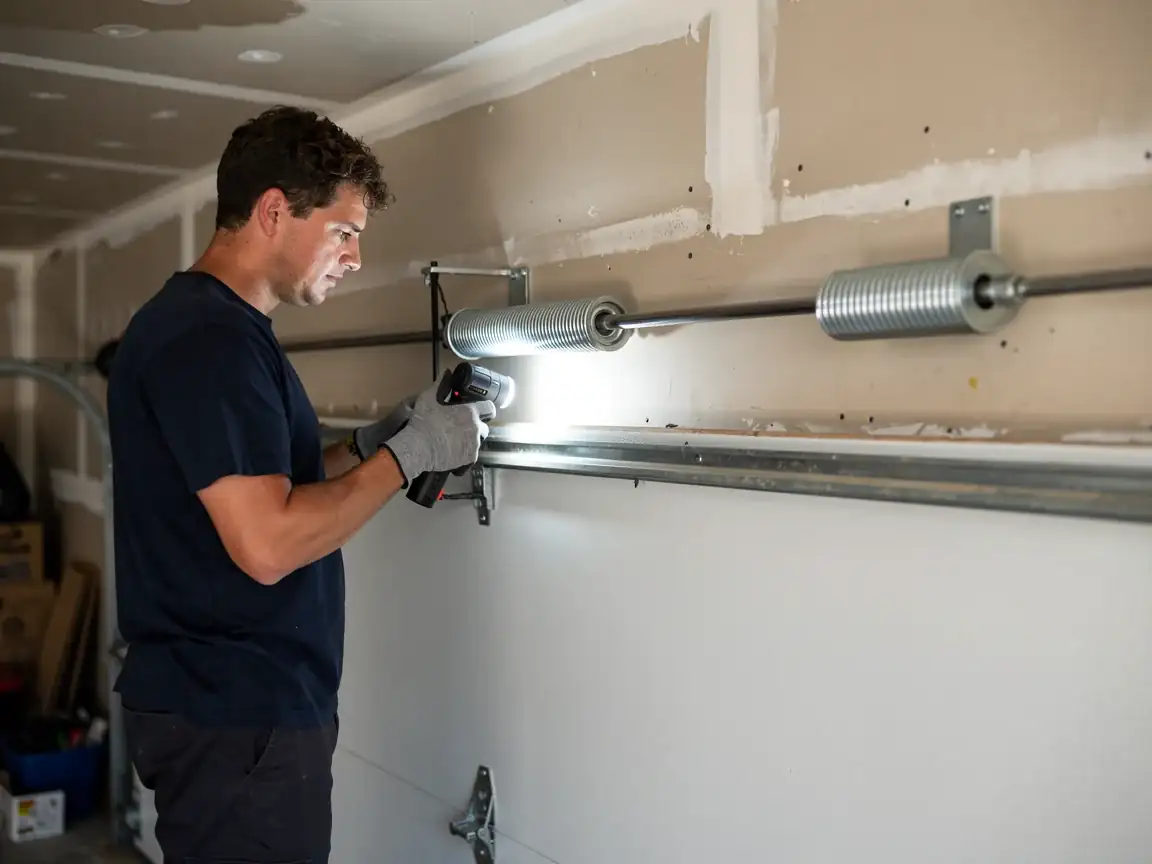
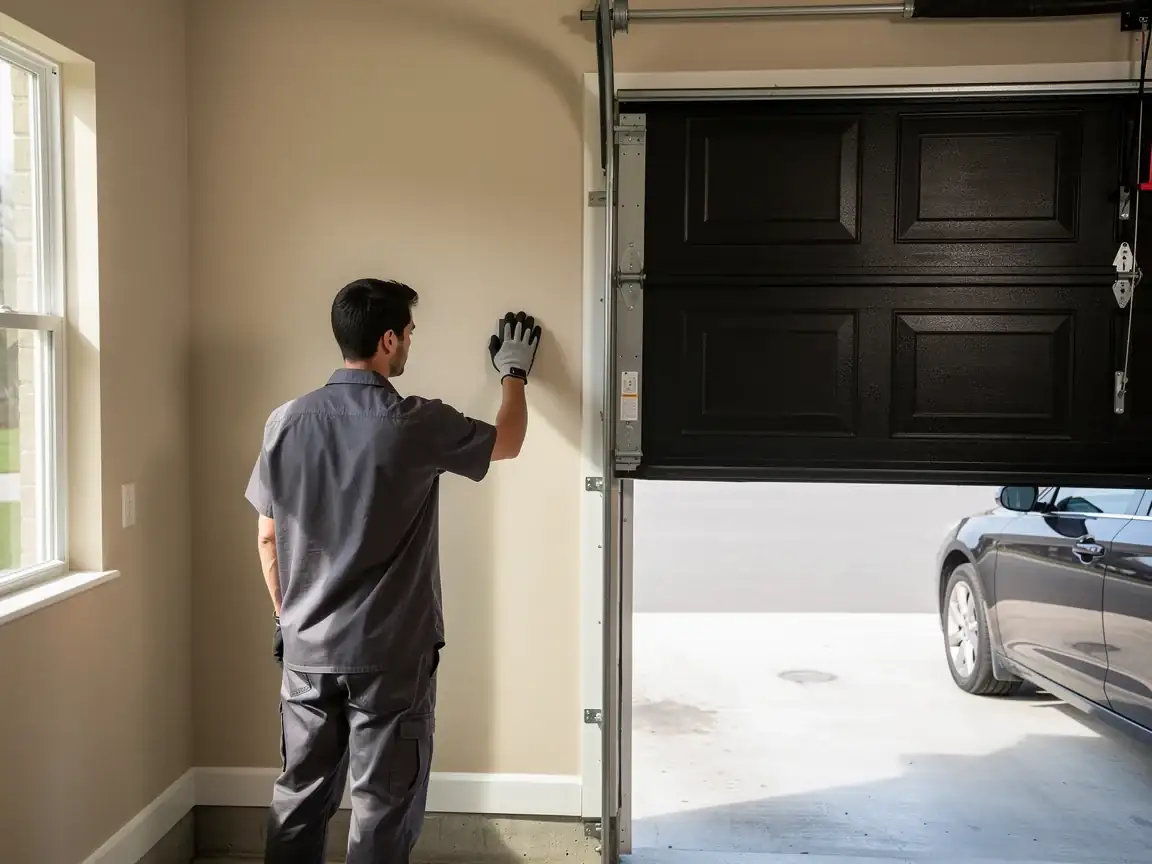
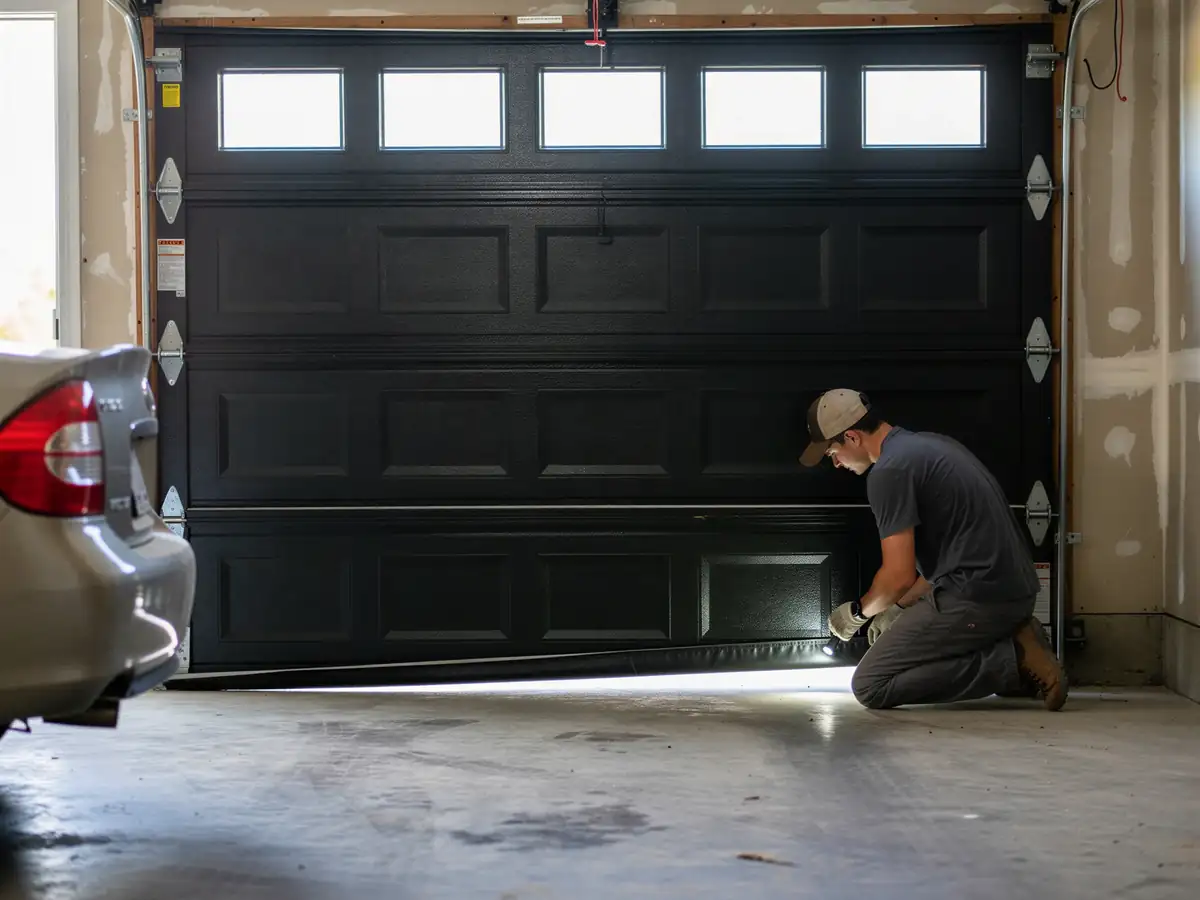
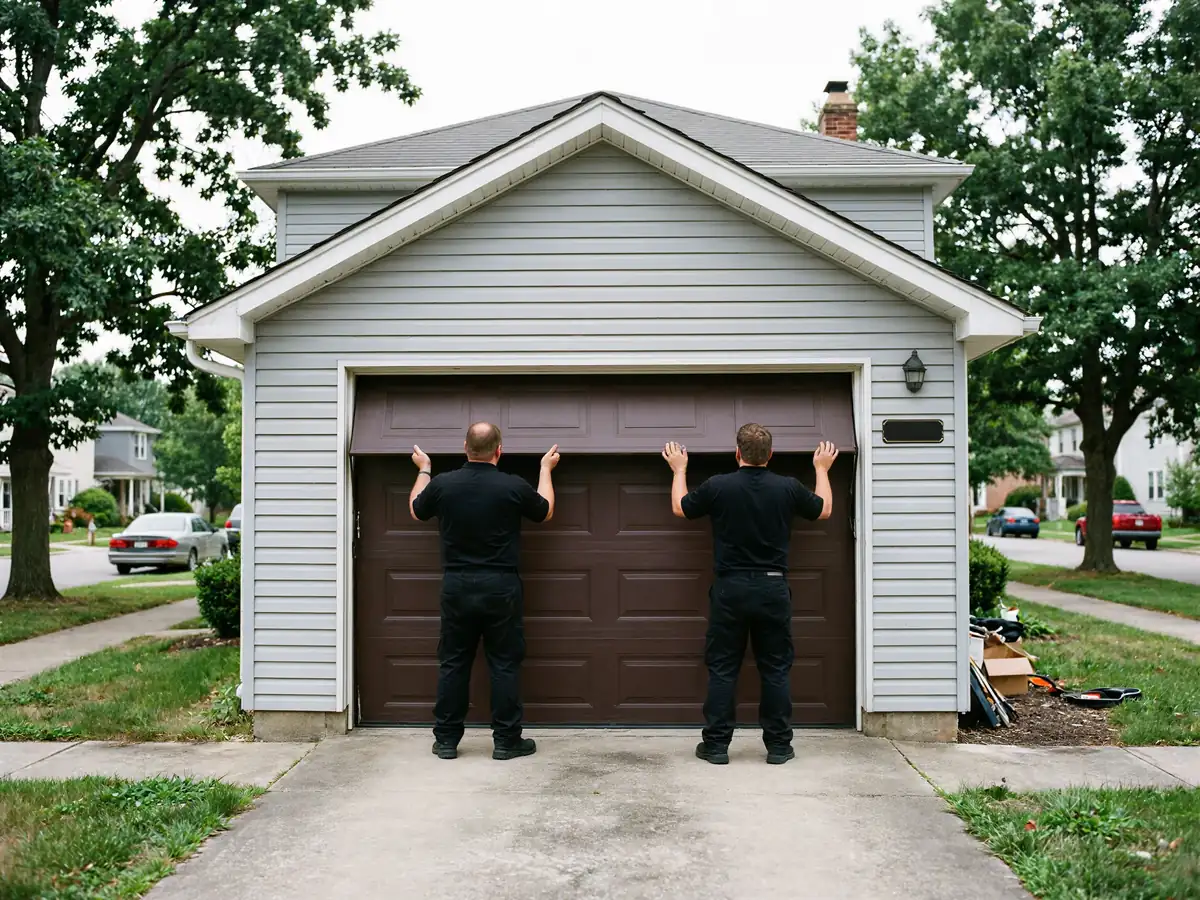
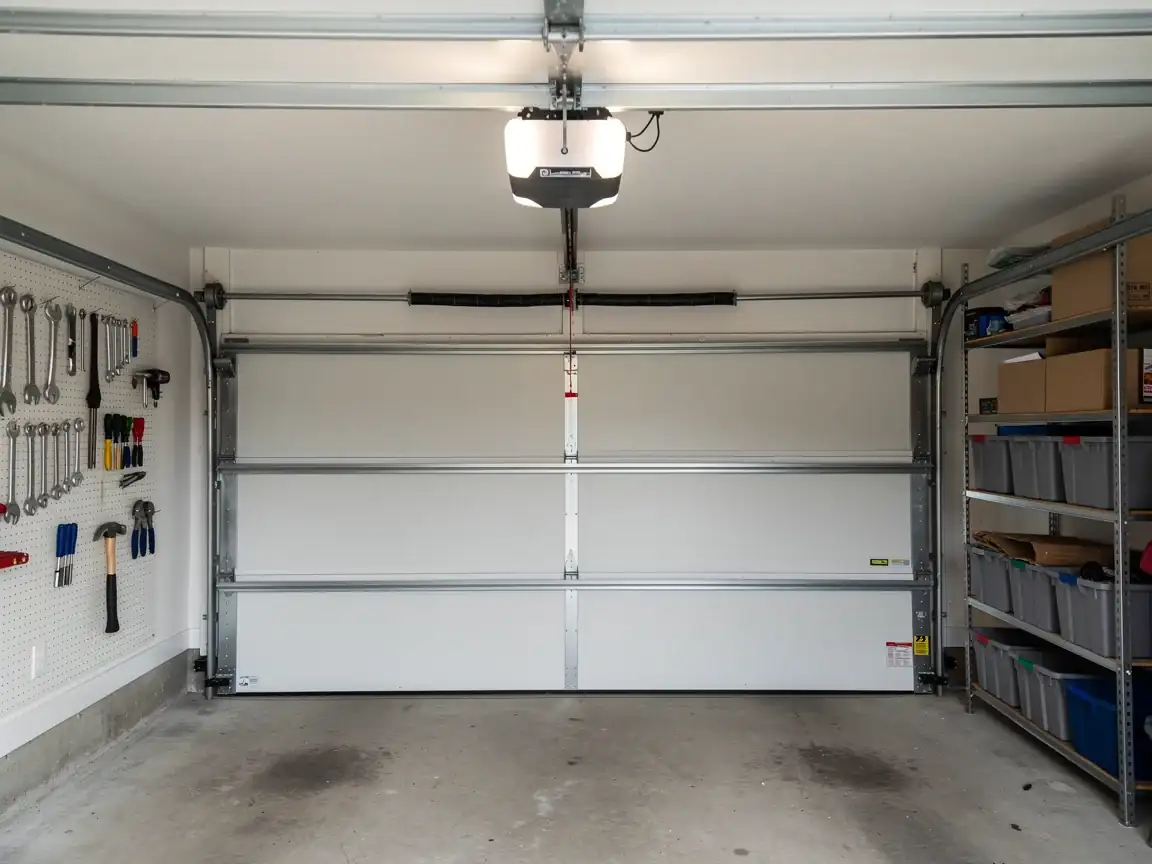
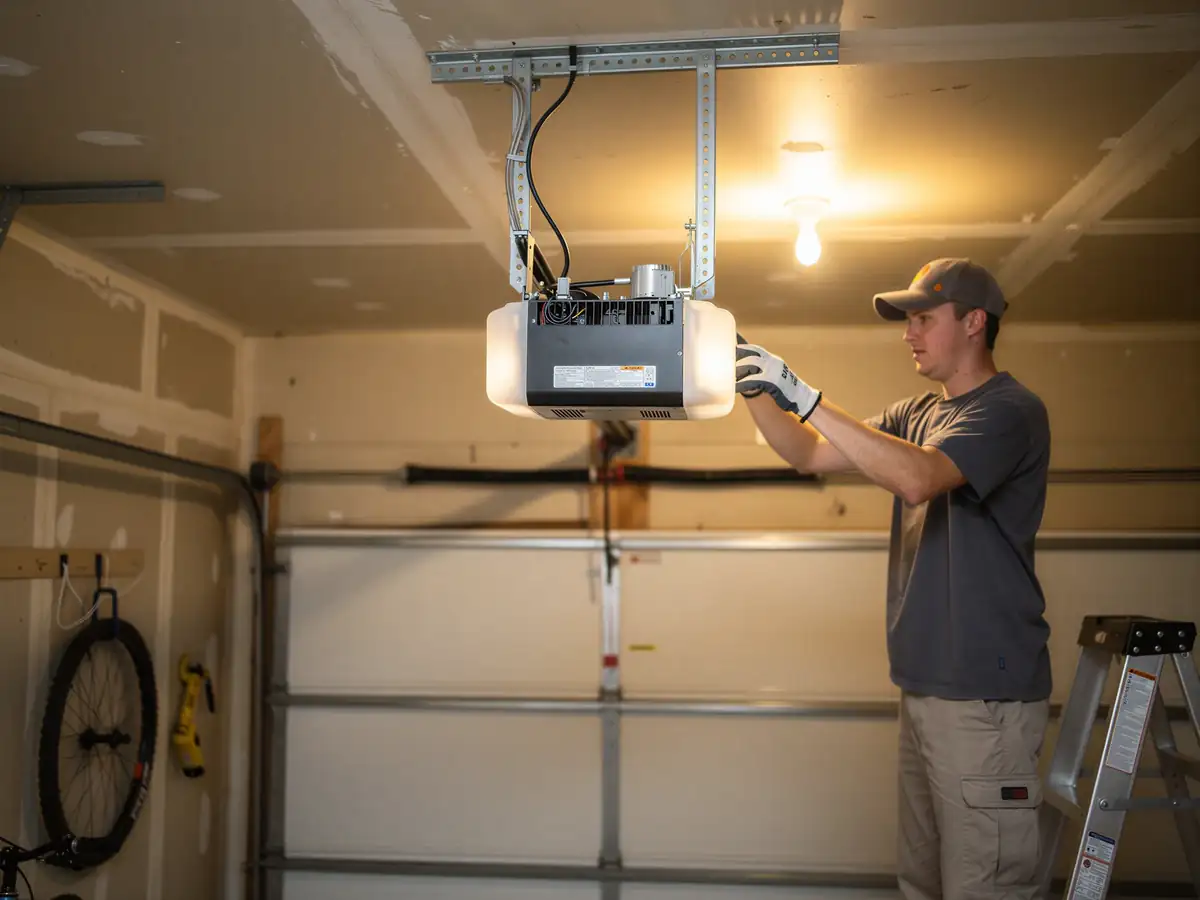
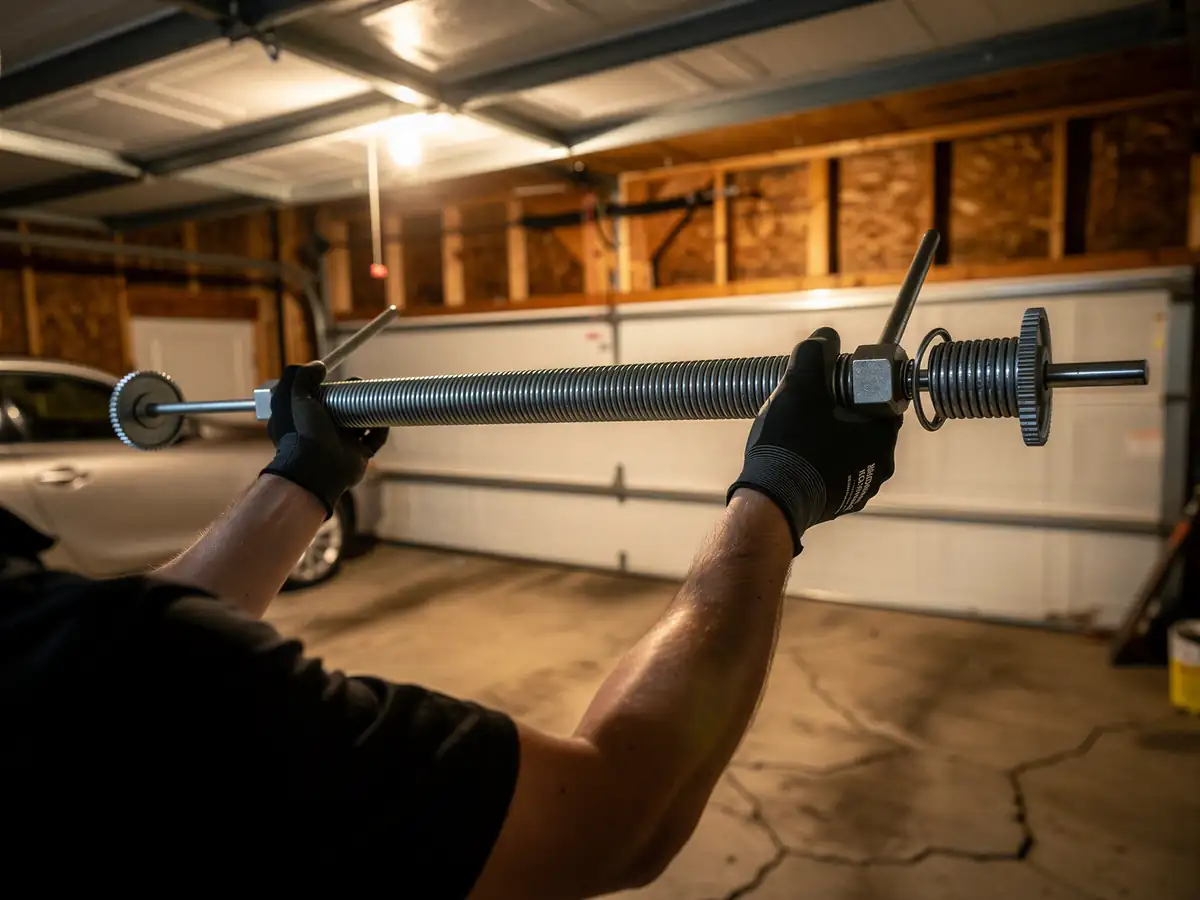
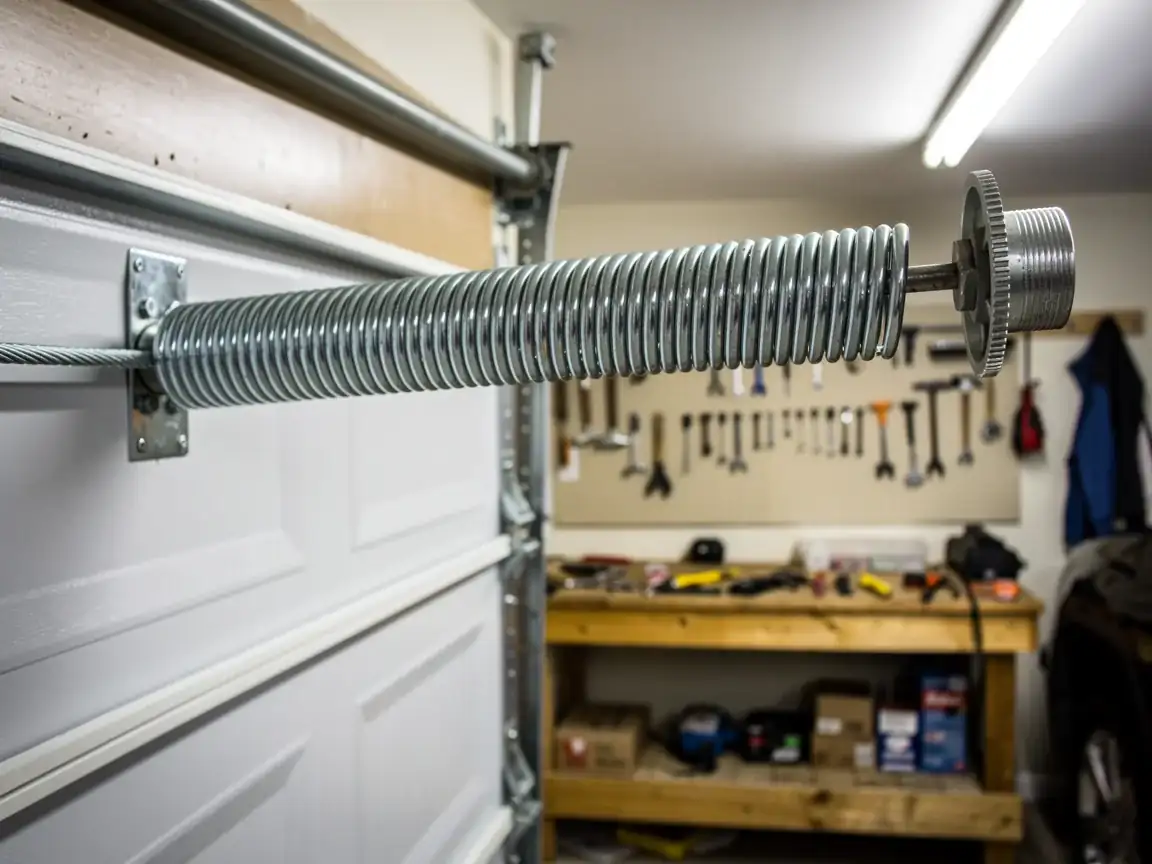
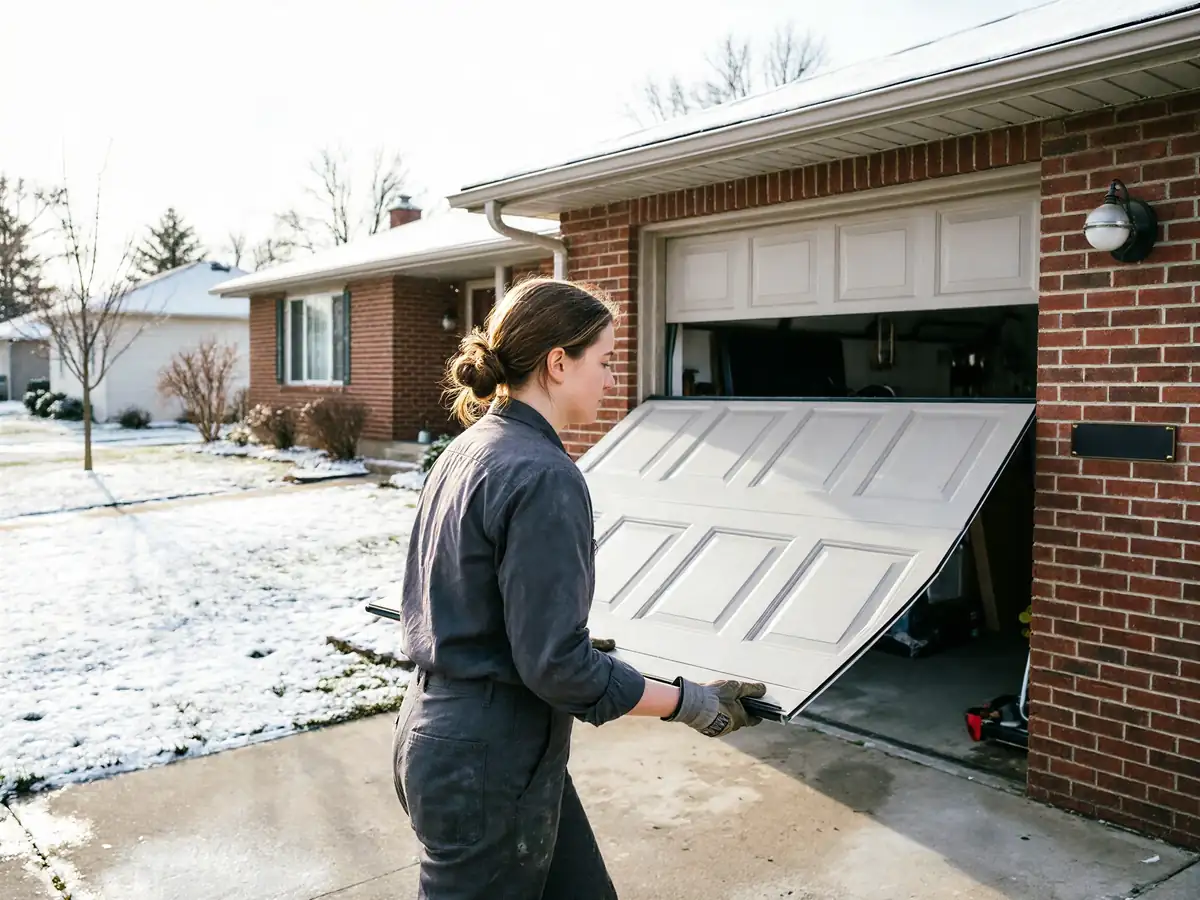
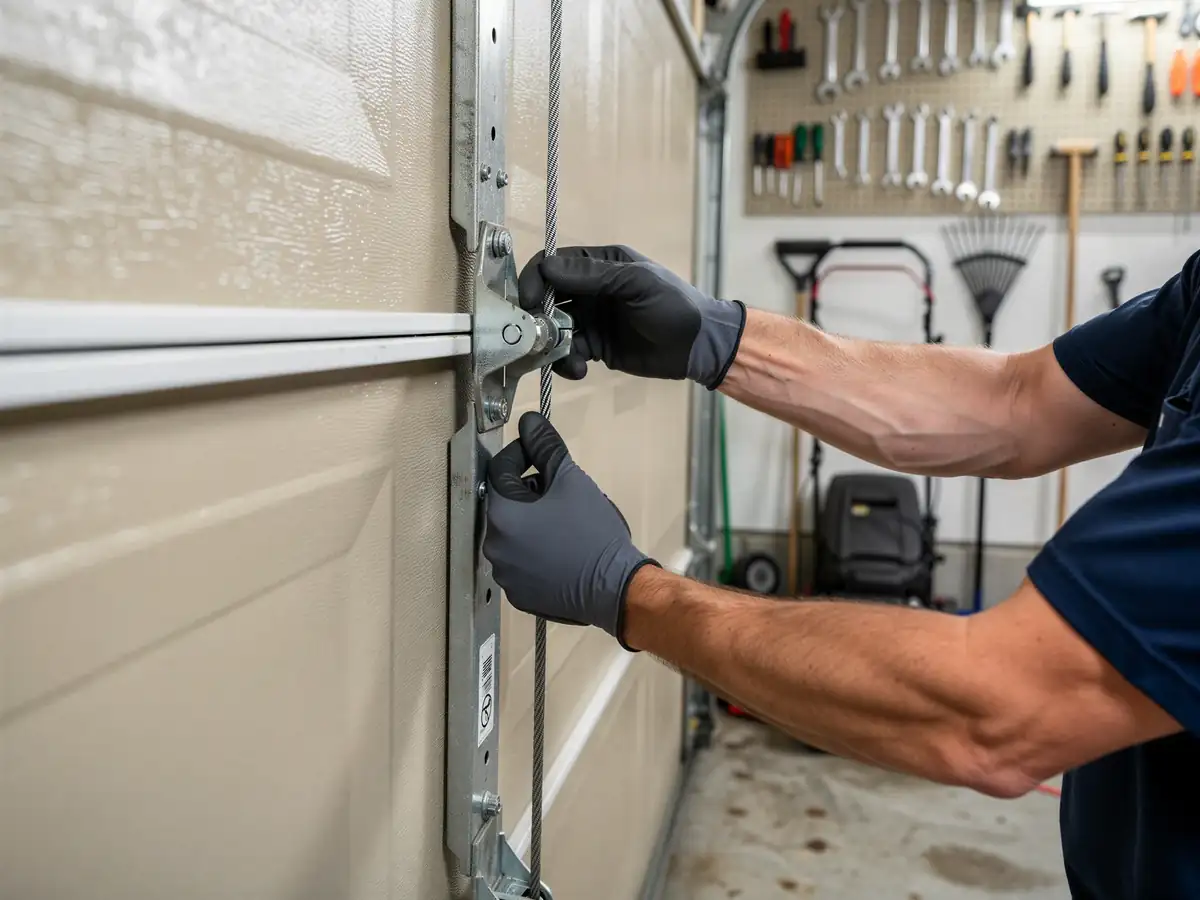
Most cable failures don't happen all at once. You'll hear a ping or a snap, or the door will hang crooked - one side higher than the other - right before or right after it happens. Sometimes it's slower: a cable frays strand by strand against a drum groove or a bottom bracket, and you get a grinding or popping sound on the way up for weeks before it finally parts. On older extension-spring setups, a worn cable can slip off a pulley and jam the door halfway open. On torsion systems, a broken cable usually means the door won't move at all, or it drops fast on one side because the spring tension has nowhere safe to go. Either way, a garage door hanging unevenly or refusing to budge is not a day-to-day quick fix - a door under spring tension with a broken cable can swing or drop without warning, and that's a job for a tech with the right bar and clamps, not a homeowner with a stepladder.
Why It Happens Here
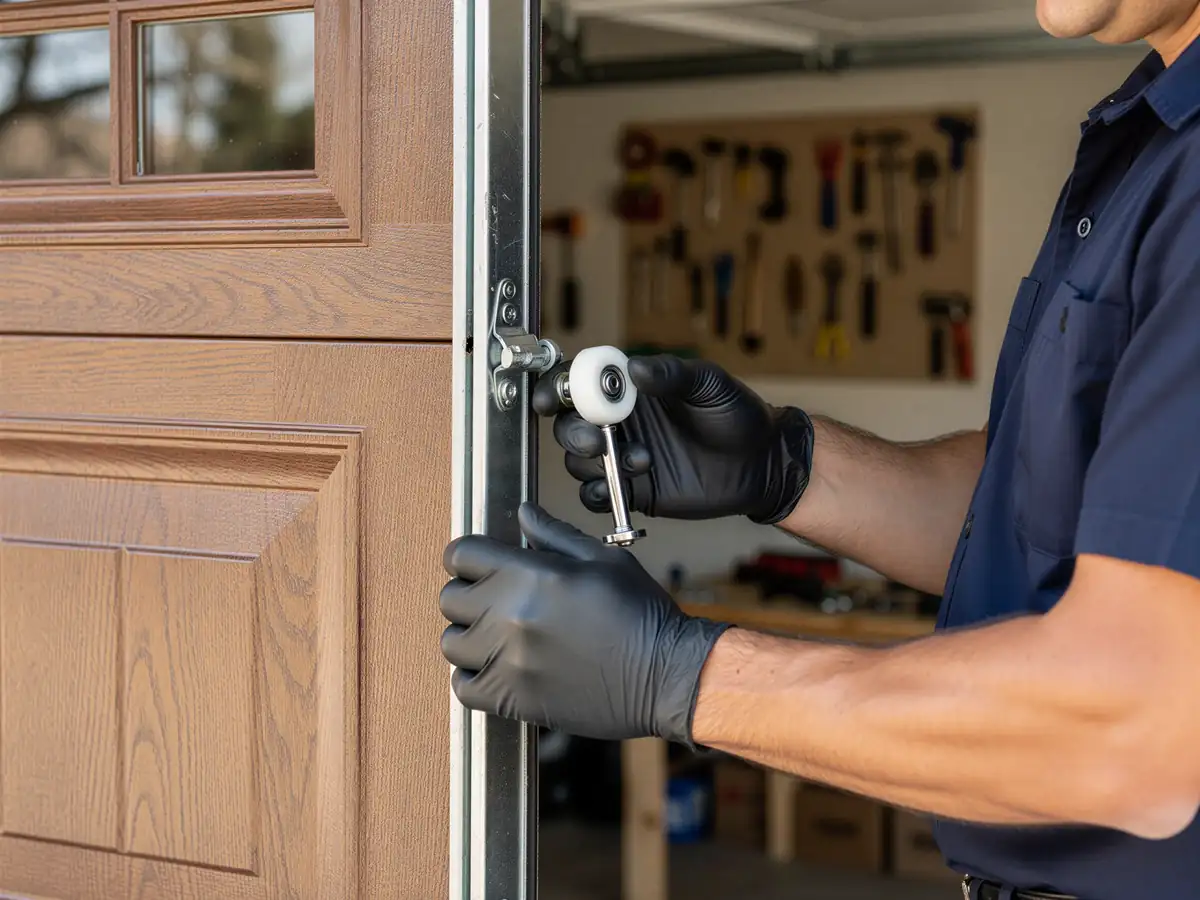
Housing in this part of Ohio skews older - our service area runs from homes built in 1938 up through 2002, with the bulk of the stock dating from the 1960s and '70s across the roughly two dozen neighborhoods we cover. That era of garage door hardware was built to a lower duty cycle than what's sold today, and a lot of these cables and drums have never been swapped, just repainted around. Add a cold-moderate climate with real winter swings, and you get steel cable that contracts, galvanized coating that flakes, and lubrication that gums up or dries out between seasons. Cold makes steel brittle at the margins and stiffens the nylon rollers and bearings that are supposed to keep a cable tracking straight in its groove. A cable riding slightly off-groove for a Lorain winter wears through faster than the same cable would in a mild climate, and on a door that's already 30, 40, or 50 years old, that's often the straw that breaks it.