What We Actually Do When We Come Out to Your House
A straight look at what happens when Lorain Garage Door Pros shows up for a service call, built around this area's 1960s-70s housing stock and cold winters.
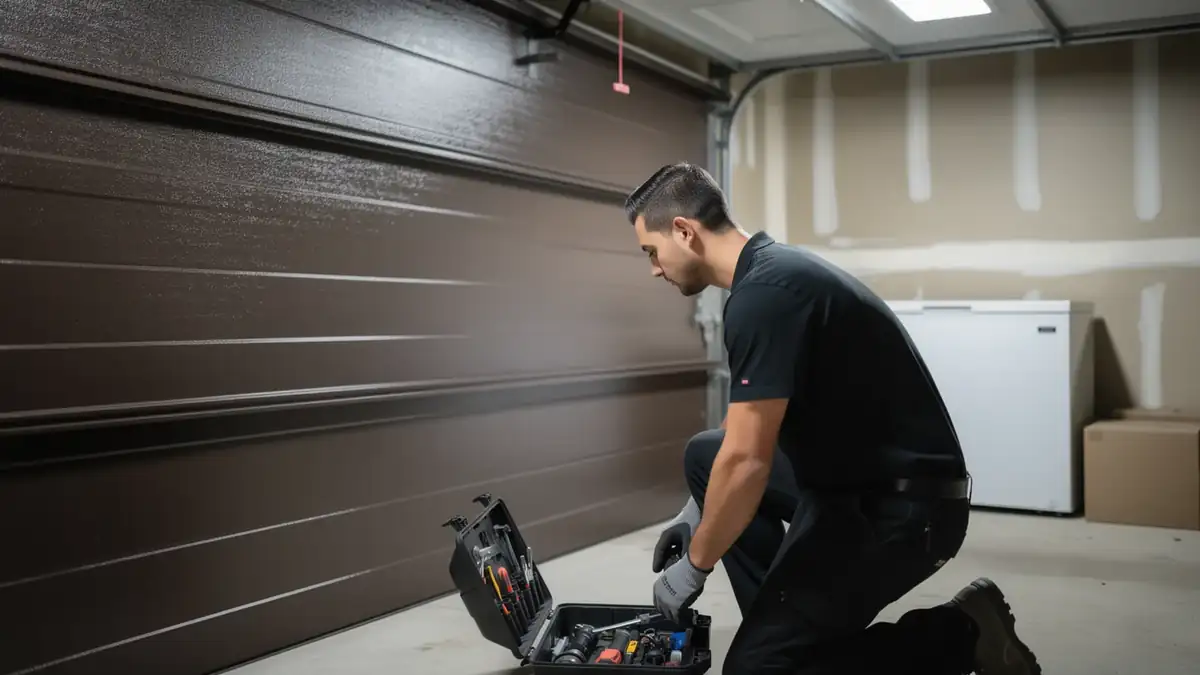
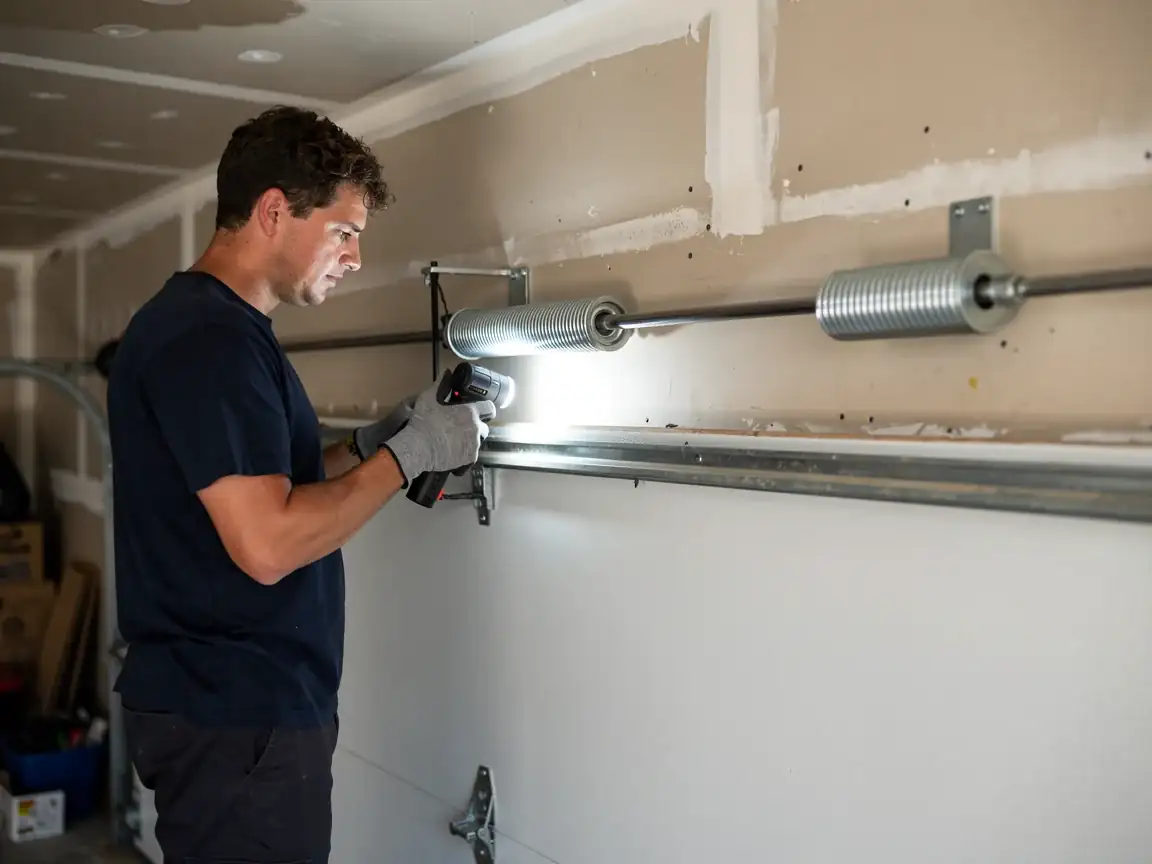
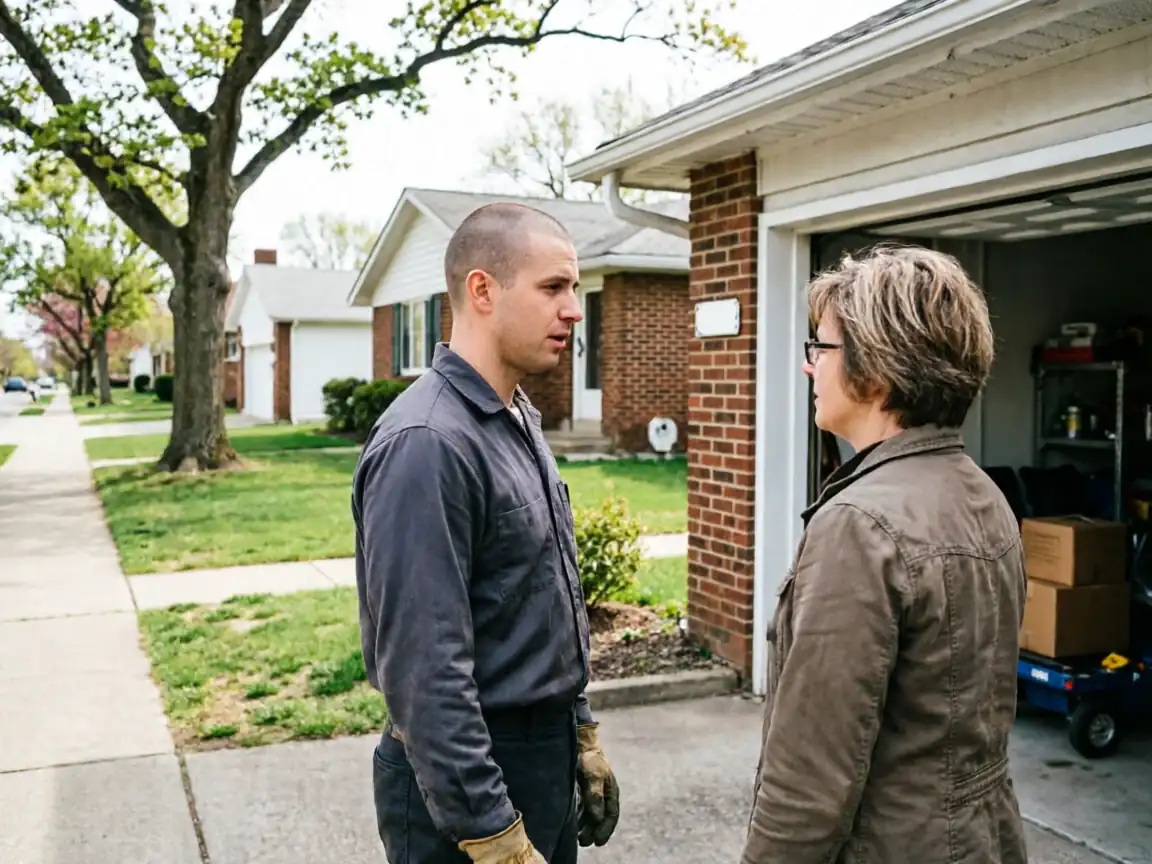
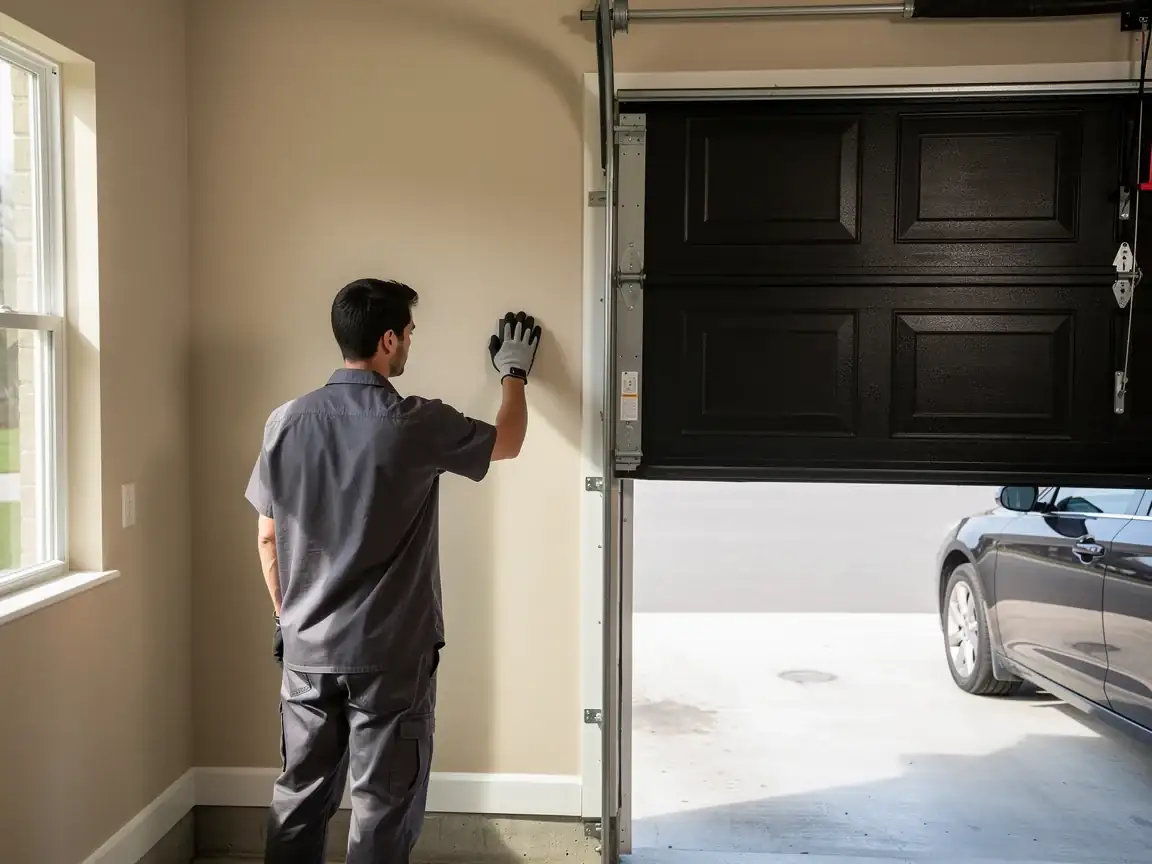
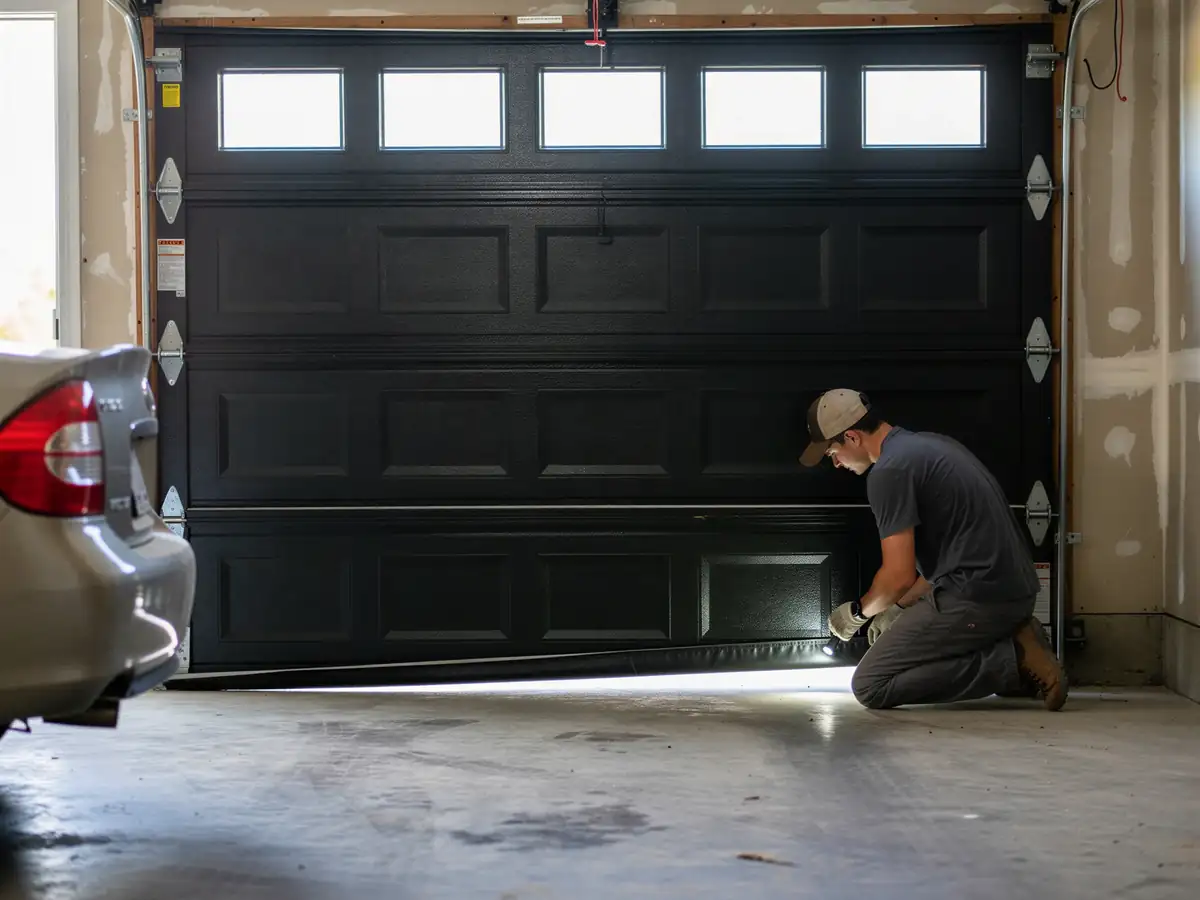
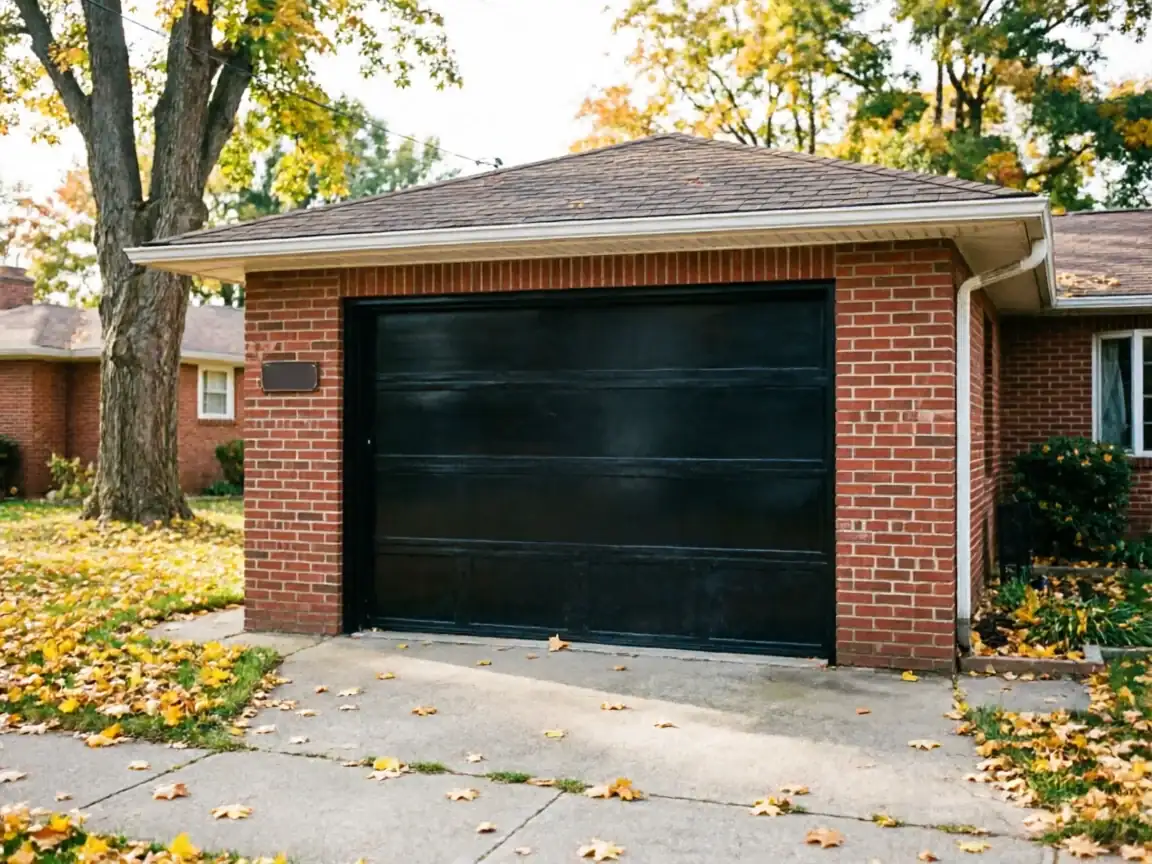
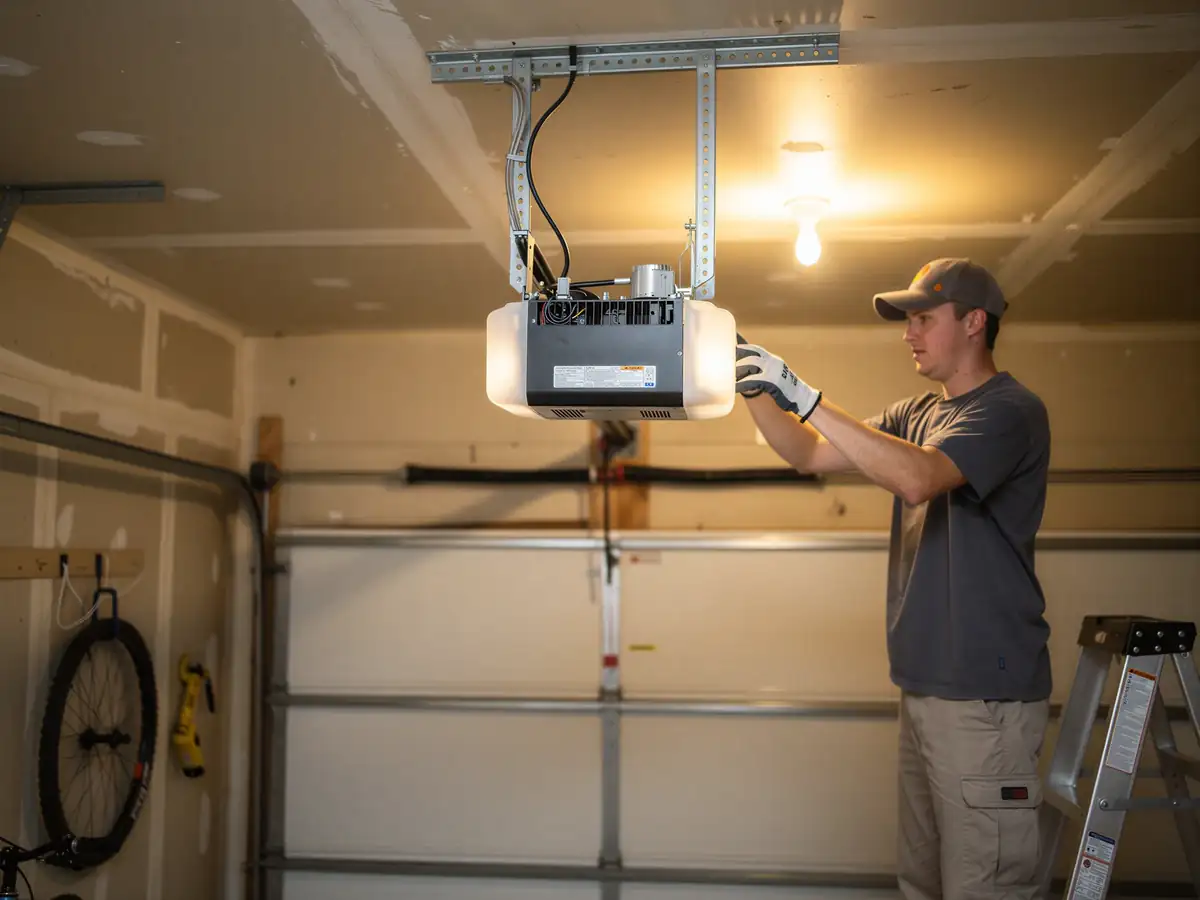
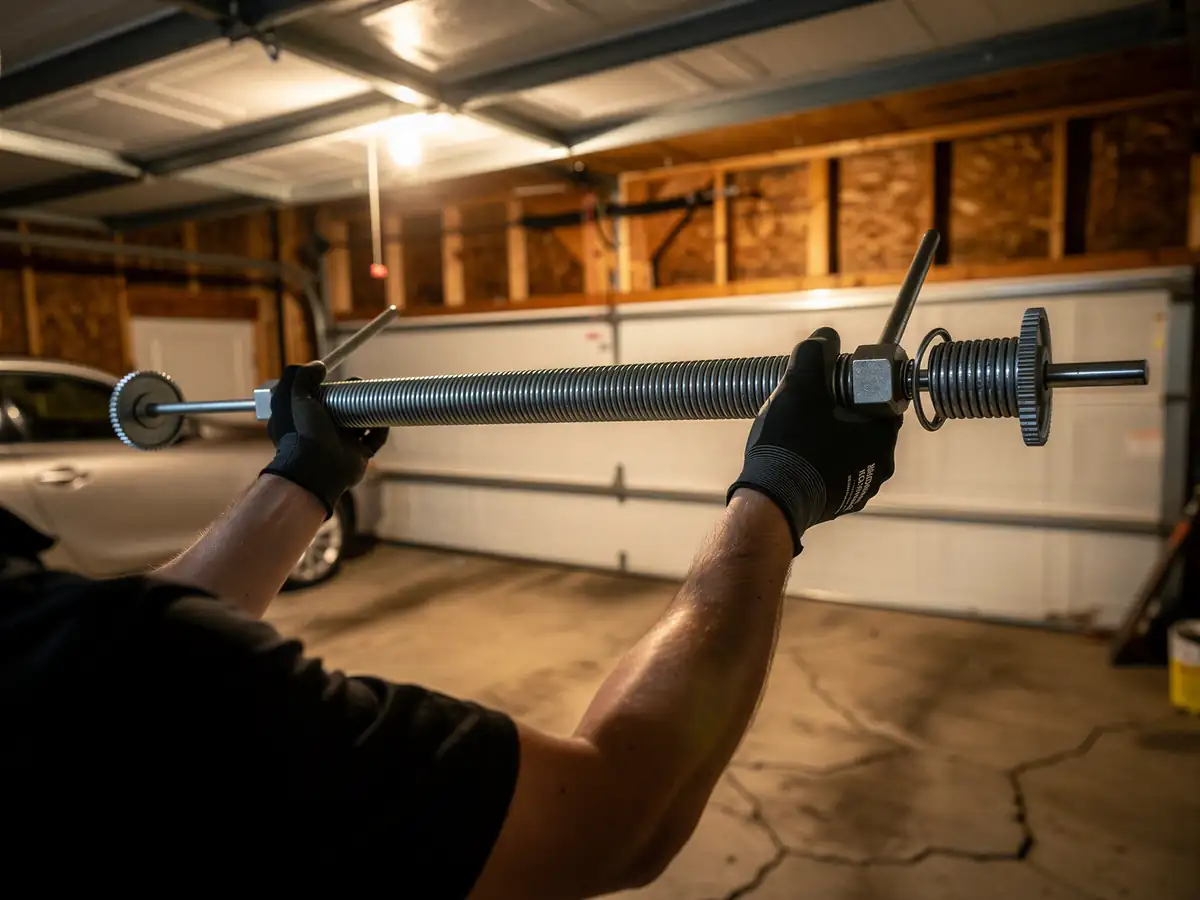
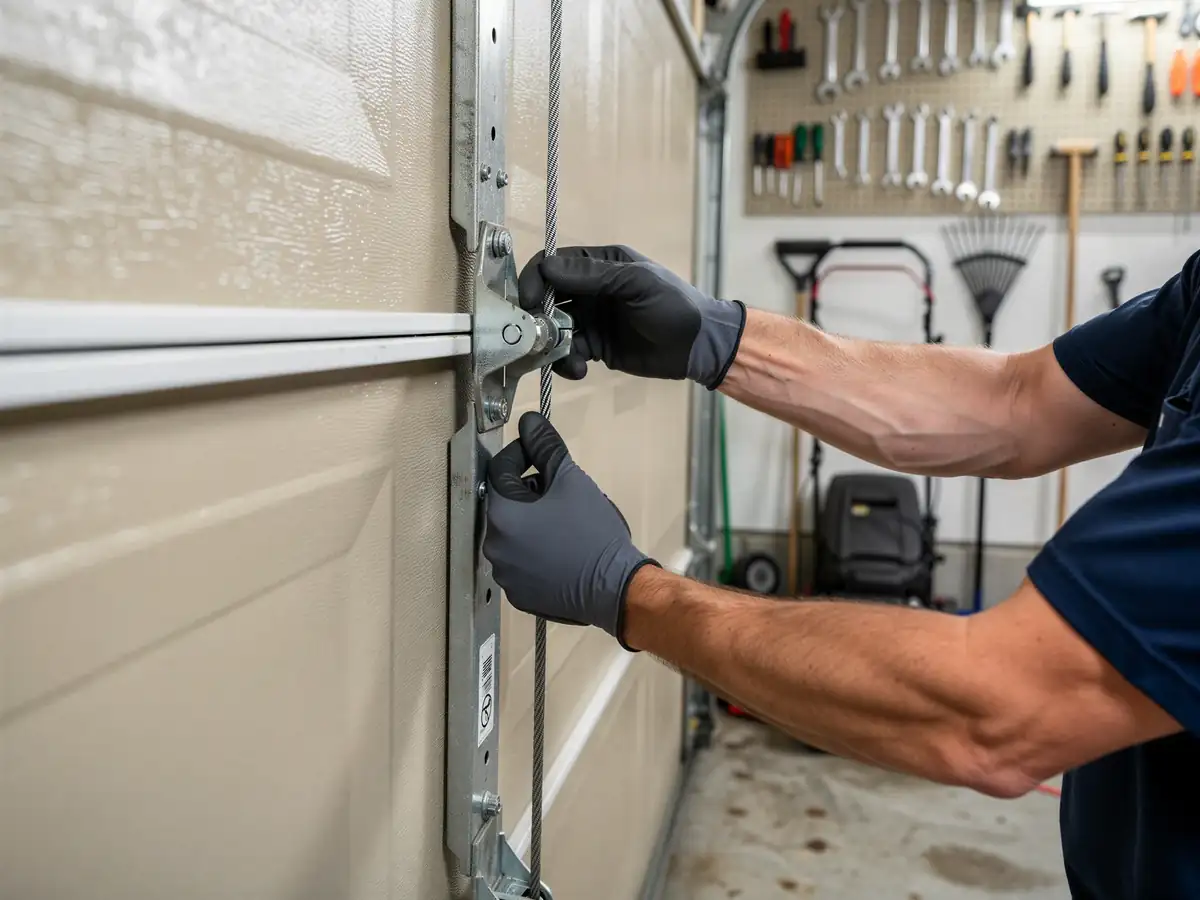
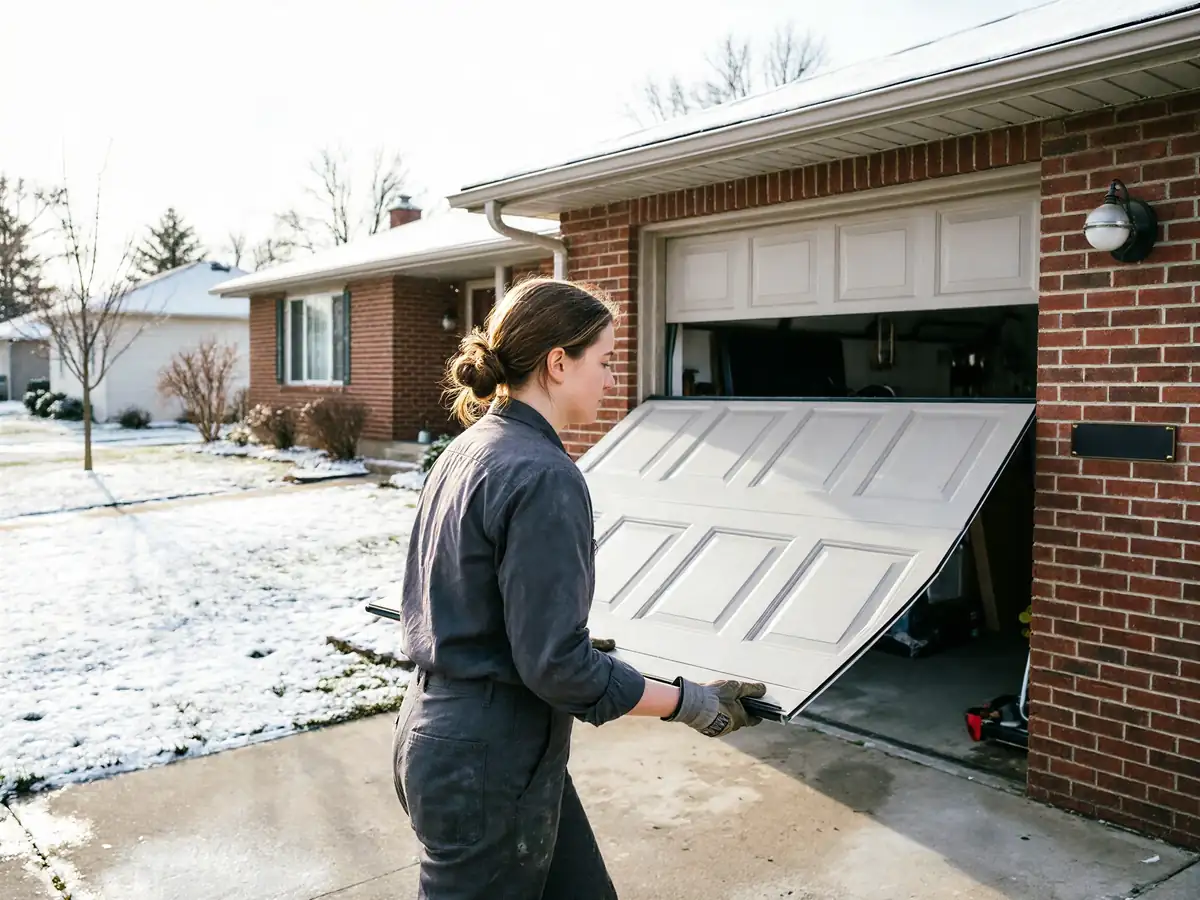
Most of the doors we open service calls on in Lorain were installed on houses built between 1938 and 2002, with the typical home dating to 1968. That matters more than people expect. A door from that era wasn't built to the same tolerances as what's sold today, and the opener bolted to it has usually been swapped out once or twice already, which means the mounting holes, the header bracket, and sometimes the track spacing are a mismatch from the factory kit a tech pulls off the truck. A service call isn't just "look at the door." It's figuring out what decade of hardware you're actually dealing with before you touch a wrench to it. We check the spring size and wind against the door weight, we check the track plumb, we check whether the panels are original steel or a later retrofit, and we check the opener's age against the rail and arm it's riding on. None of that shows up until someone's standing in the garage with a tape measure. On a house built in 1968, half the job is figuring out what's actually there before we figure out what's wrong with it.
The Seasonal Bit
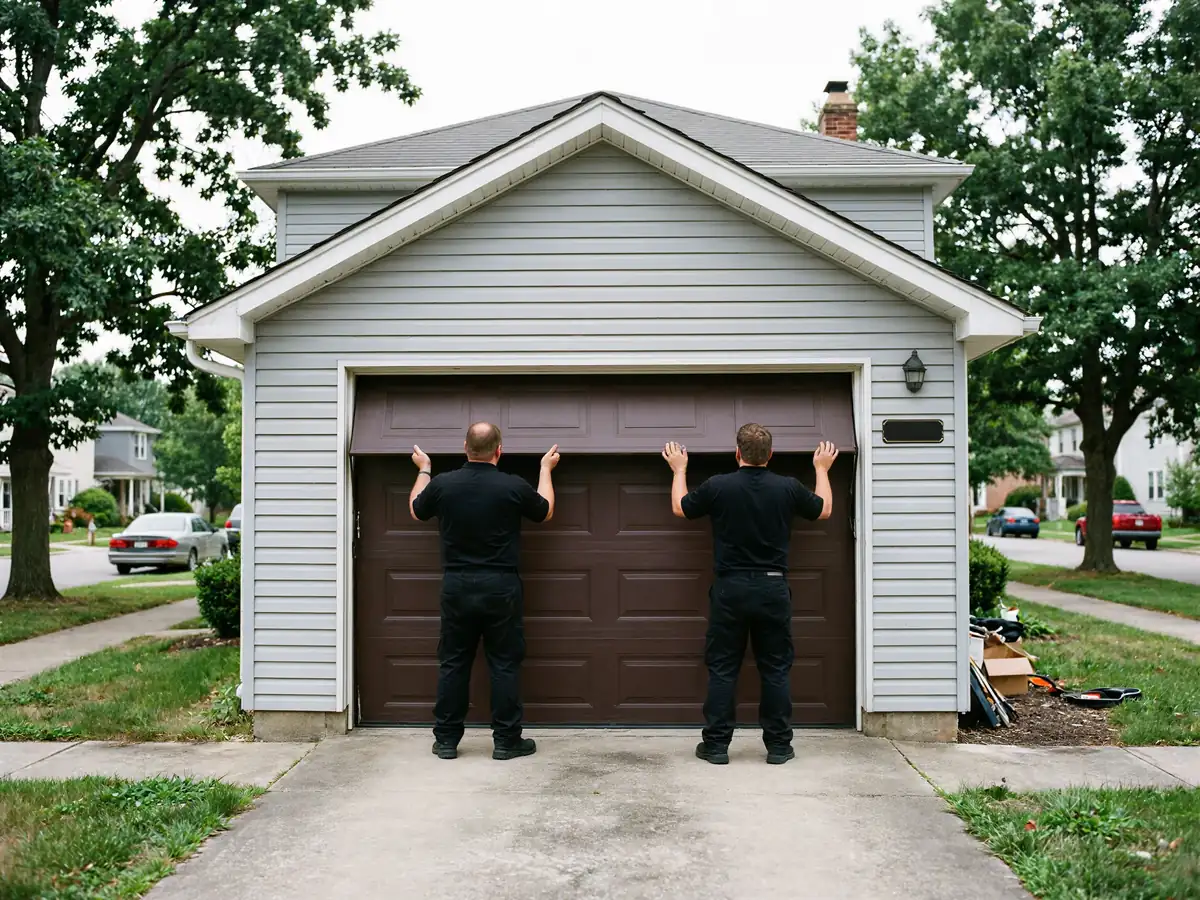
Lorain sits in a cold-moderate climate band, which means the service call in January looks different from the one in July. Cold tightens steel. A torsion spring that's been fine all summer can snap in a hard overnight drop because the metal's lost flex it had in warmer months, and the rollers on an older track bind up when the lubricant thickens. We also see openers struggle to pull doors that have gotten heavier with ice or packed snow on the bottom panel, which looks like a motor problem but is really a weight problem. On the other end, summer humidity swells wood jambs on the older builds in this area, which throws off the seal at the sides and can bind a door that ran smooth all winter. A service call in this climate has to account for which season made the complaint, because the same symptom - a door that won't fully close - comes from opposite causes depending on the month. We don't diagnose a spring issue the same way in February as we would in August.
Where People Go Wrong
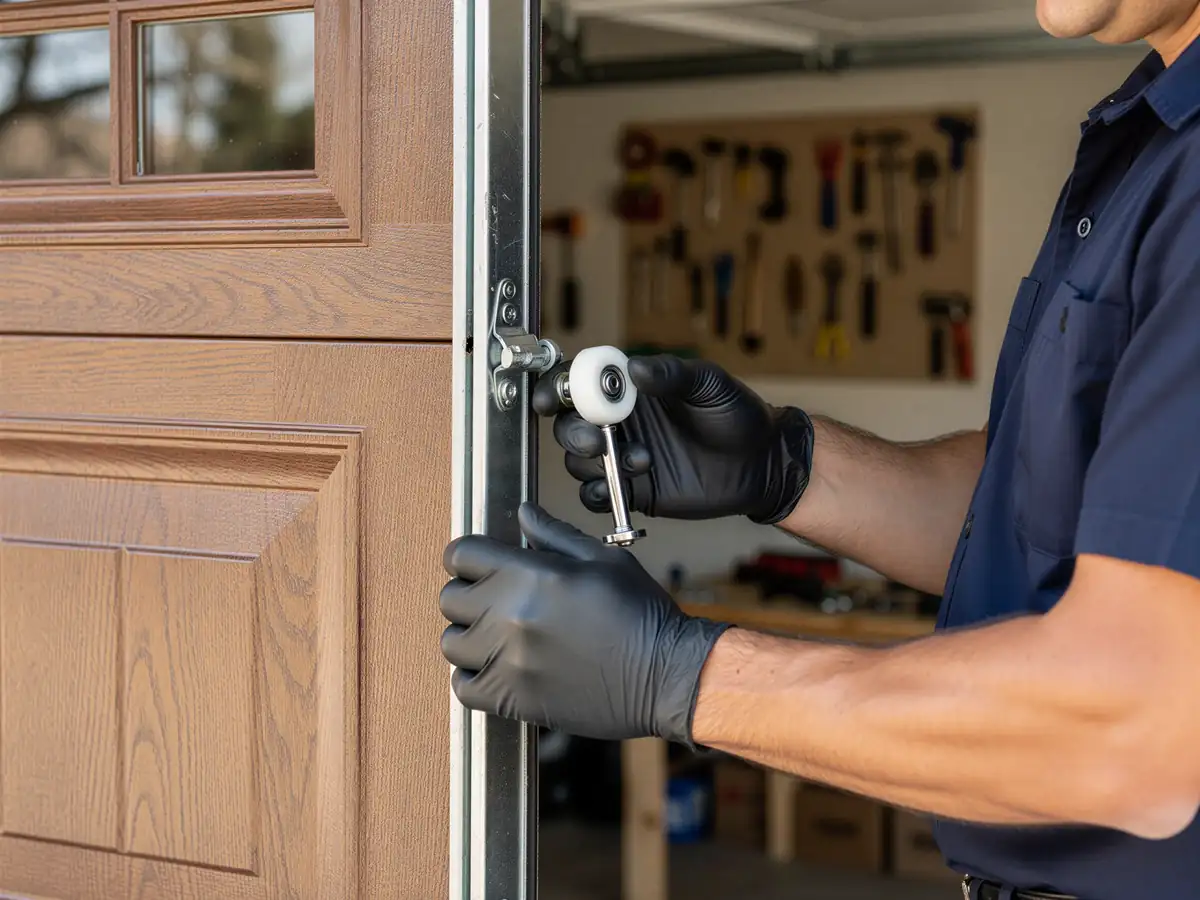
The biggest mistake we see is someone replacing a single component - usually a spring or a sensor - without checking what else on a 1960s or 70s-era setup is tied to it. A lot of those builds across the neighborhoods we cover still have the original jamb framing, which doesn't match the measurements on a lot of today's stock doors or openers. Swap in a new spring sized for a modern lightweight panel on an old heavy wood-core door, and it'll fail again inside a year, sometimes faster. The other common error is calling for an opener repair when the actual problem is track alignment that's shifted slightly over fifty-plus years of settling. We've also watched people chase a noisy door by oiling hinges when the real noise is a worn roller bearing that oil won't fix for long. Here's the limitation worth saying plainly: if the track or jamb on an older house is bent or rotted past a certain point, patching it is a short-term fix, and we'll tell you that instead of billing you twice.
How Local Conditions Play In
We're pulling parts and running calls for places like Amherst four miles off, Sheffield at five, and out past Oberlin at eleven, which means we're seeing the same housing-era patterns repeat across a fairly tight radius rather than one neighborhood in isolation. That consistency actually helps diagnosis - when a spring size or track width shows up wrong on one 1968-built house, it tells us what to expect on the next one a few streets over. With a median household income of $86,893 across the service area, we see homeowners asking us to quote repair against replacement a lot, since the math only tips toward a new unit when repair costs climb close to half of what a new door runs. A service call ends with that number laid out plainly - what the fix costs, what a replacement would cost, and which one actually makes sense for the age of the door we're standing in front of. We don't push replacement on a door that still has life in it, but we won't talk someone into a third repair on hardware that's done.
How it works
From “it’s stuck” to “it’s fixed”
01
Tell us what’s wrong
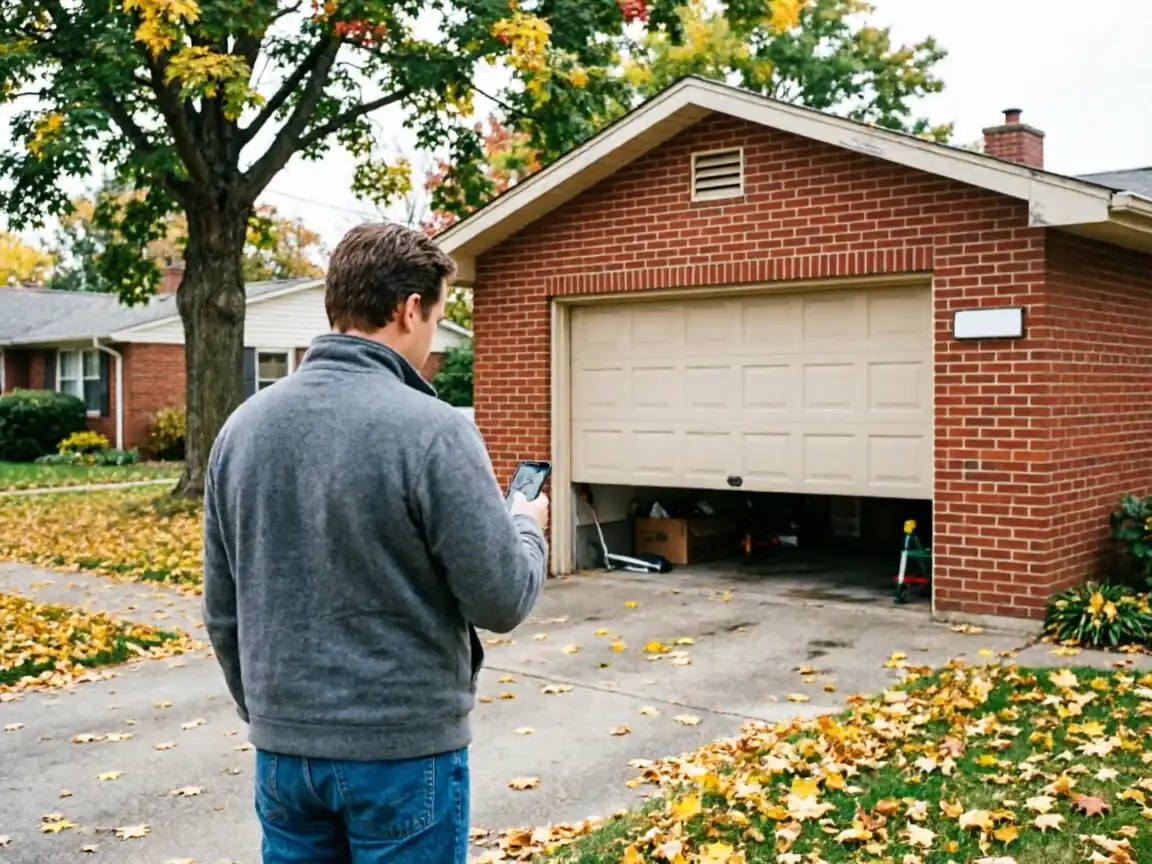
Describe the symptom - won’t open, loud bang, opener runs but the door won’t move.
02
On-site diagnosis
A technician tests the door under power and by hand and finds what actually failed.
03
Clear, up-front plan
You get the fix that’s needed and what drives the cost - before any work starts.
04
Repaired & tested
The repair is done, the door is set true and tested, and the work area left clean.
Not sure which repair your door needs in Lorain, OH? Describe what it’s doing - every job starts with a diagnosis.
It depends on what we find once the door's open, which is why we don't quote a fixed time over the phone. Checking spring size, track alignment, and opener condition on an older setup takes longer than a straightforward adjustment, so we give you a real number after the tech has actually looked at the hardware, not before.
Why does my door act up more in winter?
Cold steel loses flex, which is hard on torsion springs, and added weight from ice or snow on the bottom panel puts extra strain on the opener. Both of those show up more in a cold-moderate climate like ours than they would somewhere warmer, and the fix for each is different even though the symptom looks the same.
Is it worth repairing a door from the 1960s or 70s?
Often, yes - a lot of that stock is solid once the hardware is matched correctly. But if the jamb framing is rotted or the track is bent beyond straightening, patching it is temporary. We'll tell you straight if a repair is just delaying a replacement you'll need anyway.
Do you work outside Lorain itself?
We cover the surrounding area including Amherst, Sheffield, Sheffield Lake, Vermilion, Avon, Avon Lake, Oberlin, and several other towns within roughly a twenty-mile stretch. If you're not sure we reach your address, give us a call and we'll tell you straight.
Ready to get your garage door sorted?
Tell us what it’s doing and where you are in Lorain - we’ll take it from there.