How Long You Are Without the Door
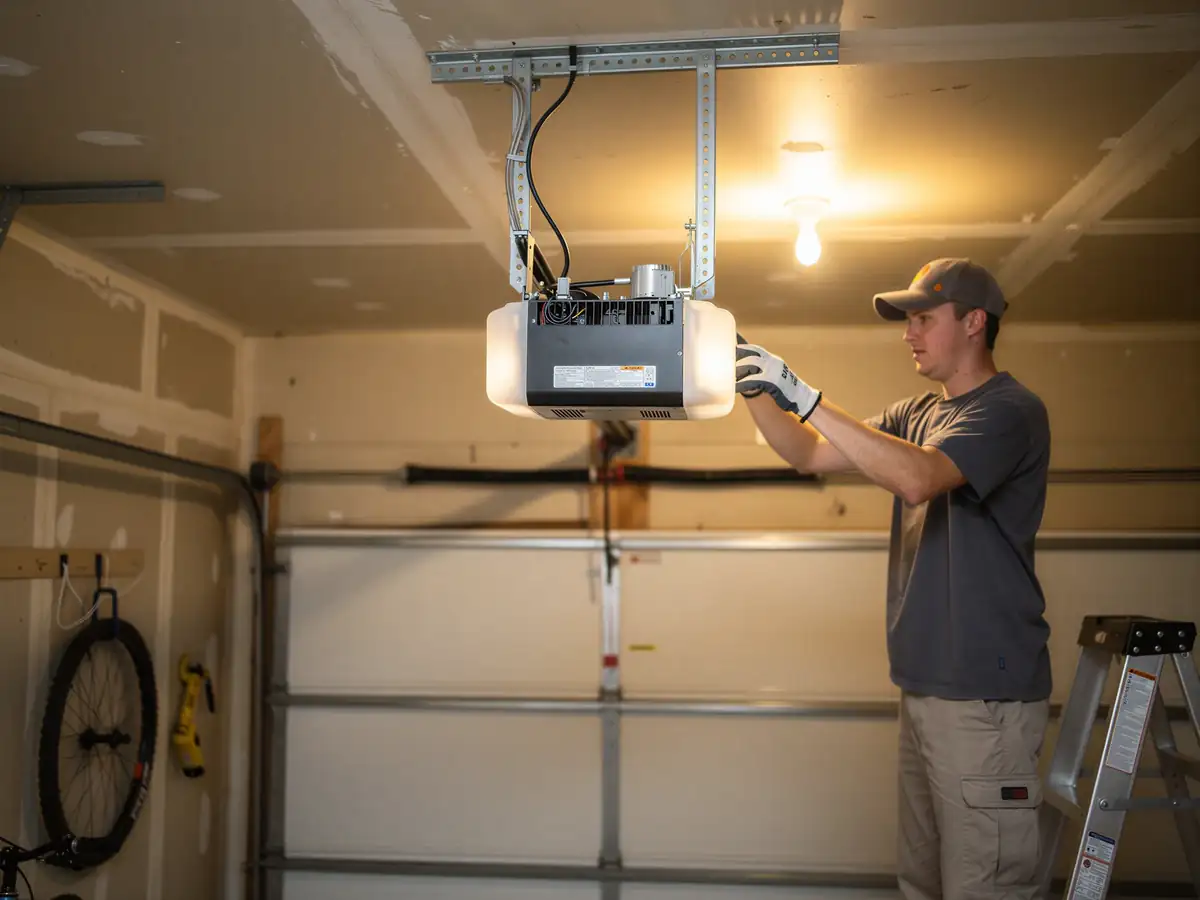
We don't publish a fixed turnaround for Westlake calls, since we're coming from Lorain and travel time plus parts on hand both factor in. What we can say: most opener repairs - motor, gear kit, circuit board, sensor replacement - are single-visit jobs once we've diagnosed the fault, because those are the parts that fail most on units from the 1980s and 90s housing stock common here. If a board or motor needs to be special-ordered rather than pulled from the truck, that adds days, not hours. We'll tell you on site which category your repair falls into before we start, not after.
Can You Do This Yourself
Swapping a wall control button or replacing a worn remote battery is well within reach for most homeowners, and we'd rather you do that than pay a call-out fee for it. Where it gets risky is anything involving the opener's drive gear, the motor housing, or the safety reversal sensors - those sensors are a legal and safety feature, not a convenience, and misaligning or bypassing them is how people get hurt. If your opener is original to a house built in the early 1980s, the unit may also be old enough that parts compatibility is a real question before you buy anything online. Our honest limit: if the opener is original equipment and the motor's gone, replacement is usually the better call than chasing parts for a thirty- or forty-year-old unit, and we'll tell you that straight rather than bill you for a repair that won't hold.
Parts We Carry
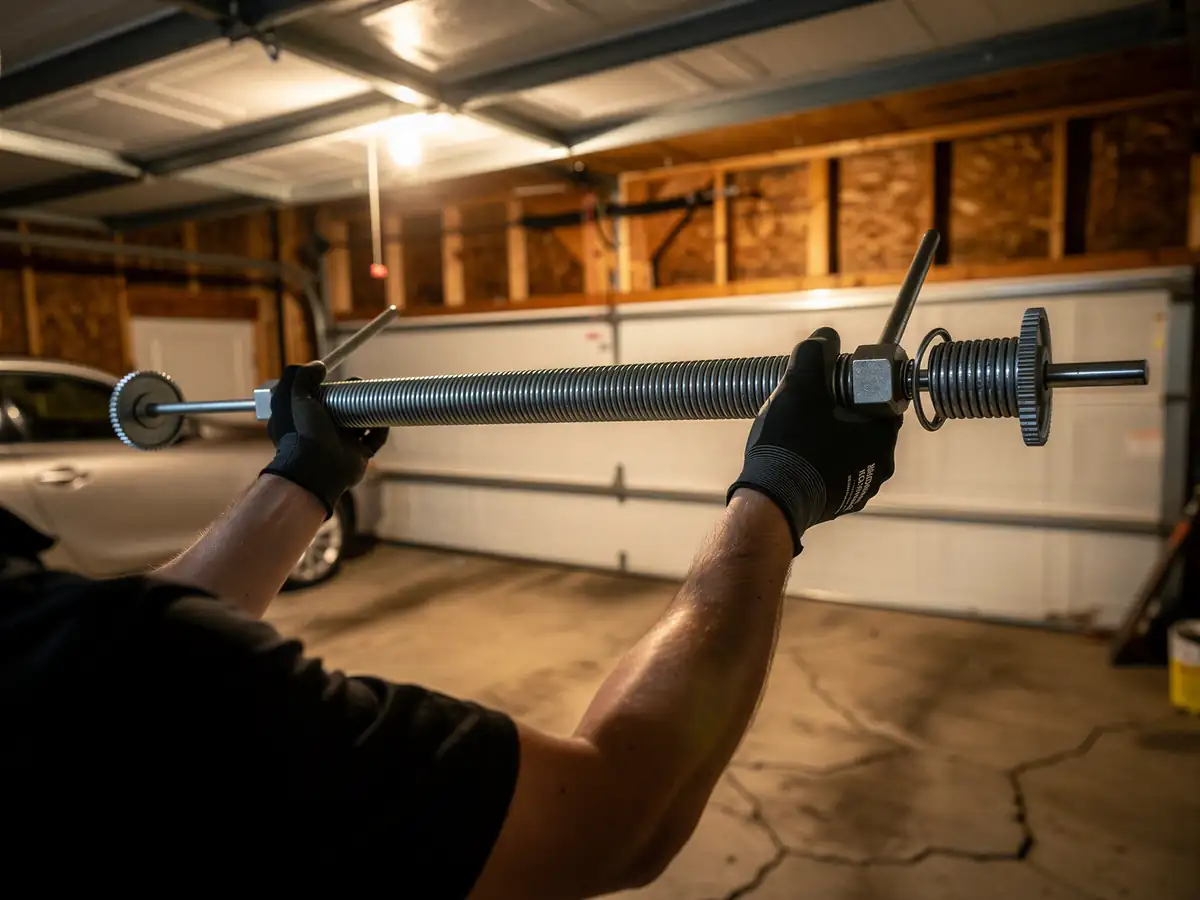
Our trucks carry the motors, gear-and-sprocket kits, logic boards, wall controls, and safety sensor pairs that fail most often on chain and belt-drive openers from the 1980s through the 2000s - the range that covers the bulk of Westlake's housing stock, where the median build year sits around 1983. We stock standard travel modules and capacitors too, since those are common failure points on older screw-drive units. What we don't carry on the truck: openers requiring smart-home integration hardware specific to a brand we don't stock, or obsolete control boards no longer manufactured - on those, we'll quote a lead time rather than hold you up guessing.
Why It Happens Here
Cold is the quiet factor in opener failures across this part of Ohio. In a moderate-cold climate, grease inside an opener's gear housing thickens in winter, which makes the motor work harder to turn a gear that's already worn - and worn gears are common once a unit passes the fifteen- to twenty-year mark, which a lot of Westlake's 1980s-installed openers have. Add in a household base here that's grown more affluent over time (median income in Westlake runs well above the wider service area's $86,893 figure), and we see more owners replacing rather than nursing along a dying opener, which is often the right call on a unit that old. Across the broader Lorain service area, with its mix of 1960s-70s and newer stock across 22 named communities, the opener failures we see trace mostly to original equipment finally reaching end of life - Westlake's slightly newer housing just means that clock runs a decade or two behind its older neighbors.