How Long You Are Without the Door
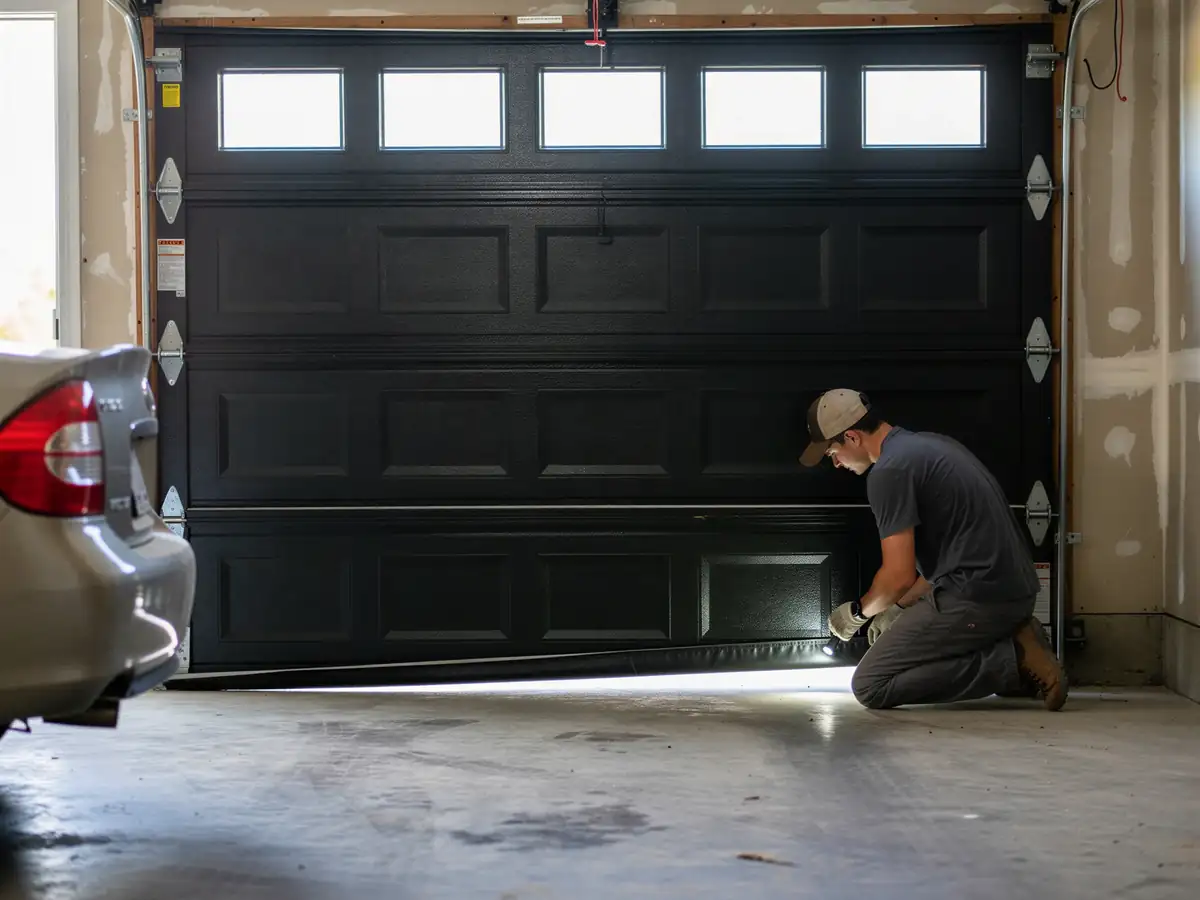
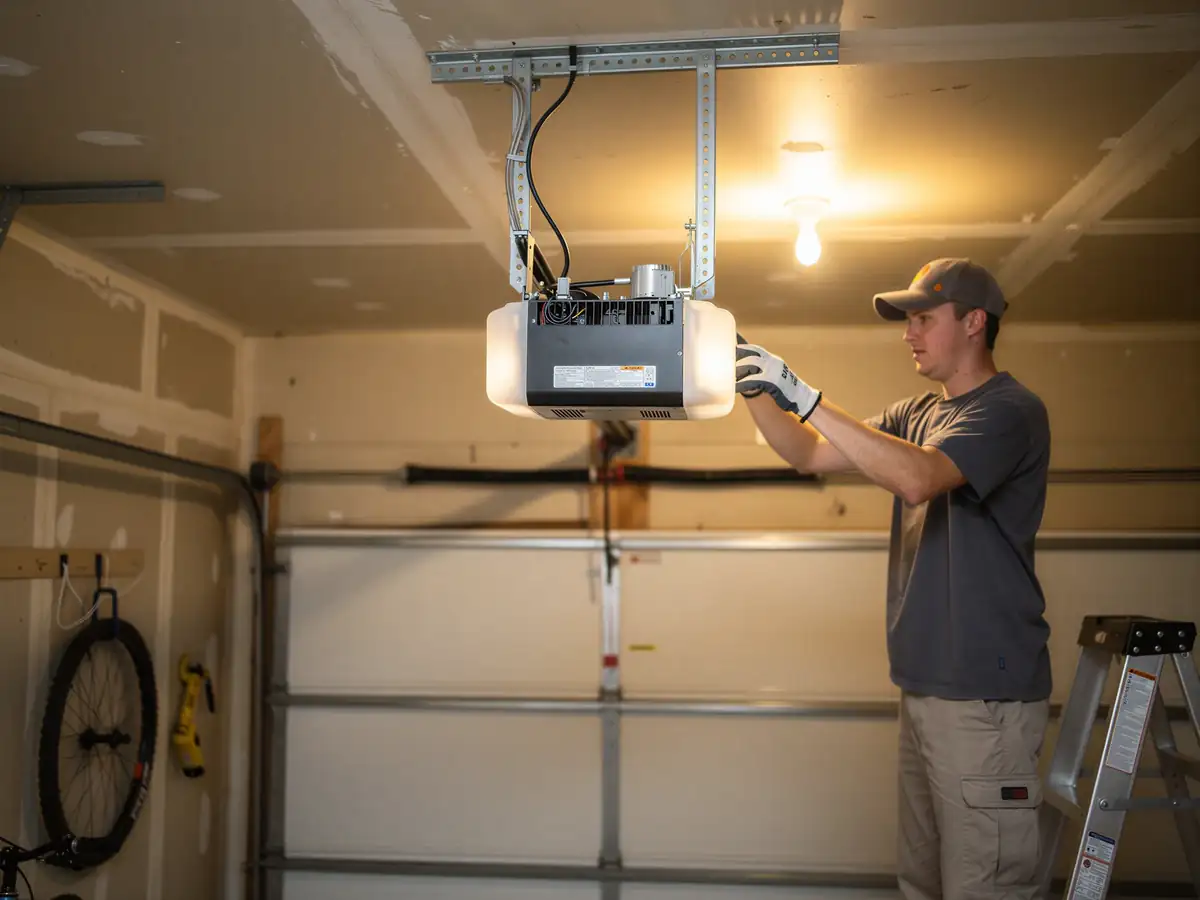
We travel from Lorain, about 13 miles out, so the drive is part of the timeline and we won't pretend otherwise. Once we're on site, a torsion spring replacement or cable job on a standard double door is usually finished in one visit. What stretches the job is parts availability - if the opener is an original unit from the build era and a specific gear or circuit board needs replacing rather than the whole opener, that part isn't always on the truck. We'll tell you straight if we need to order it rather than quote a timeline we can't hold to.
Can You Do This Yourself
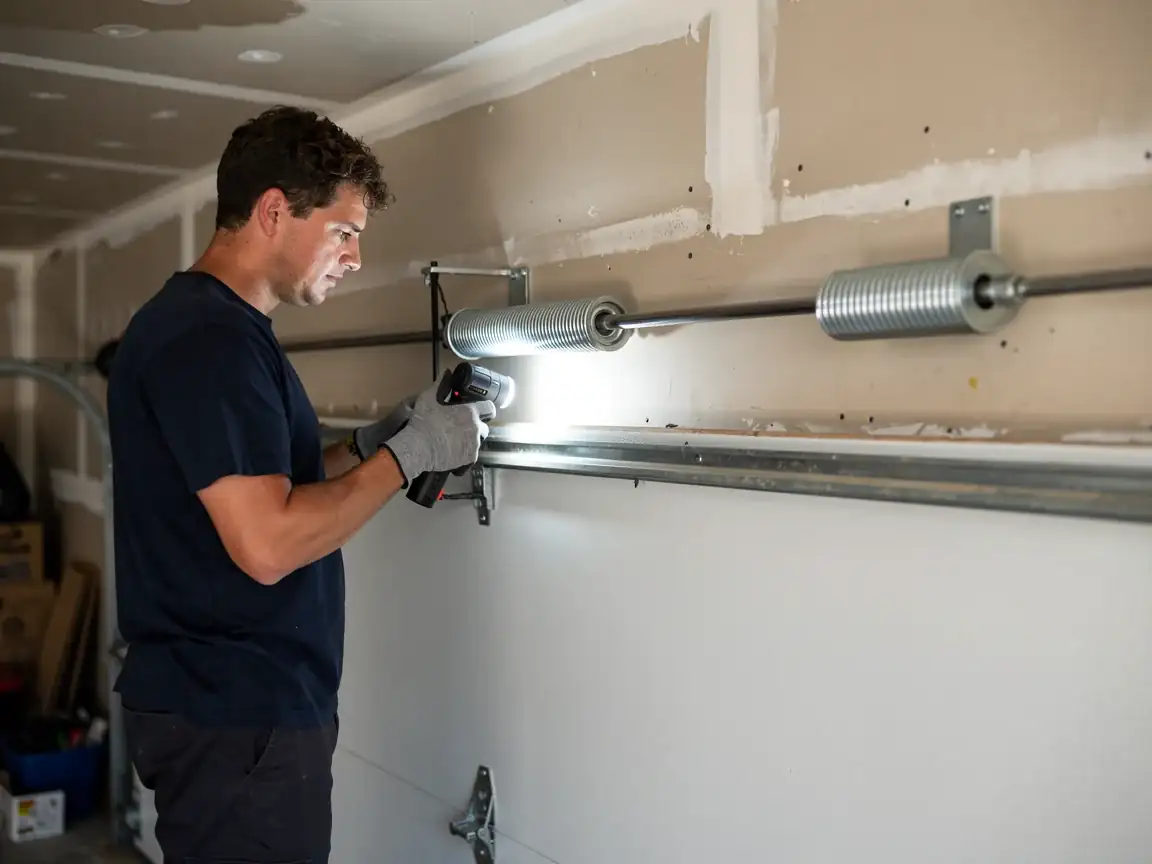
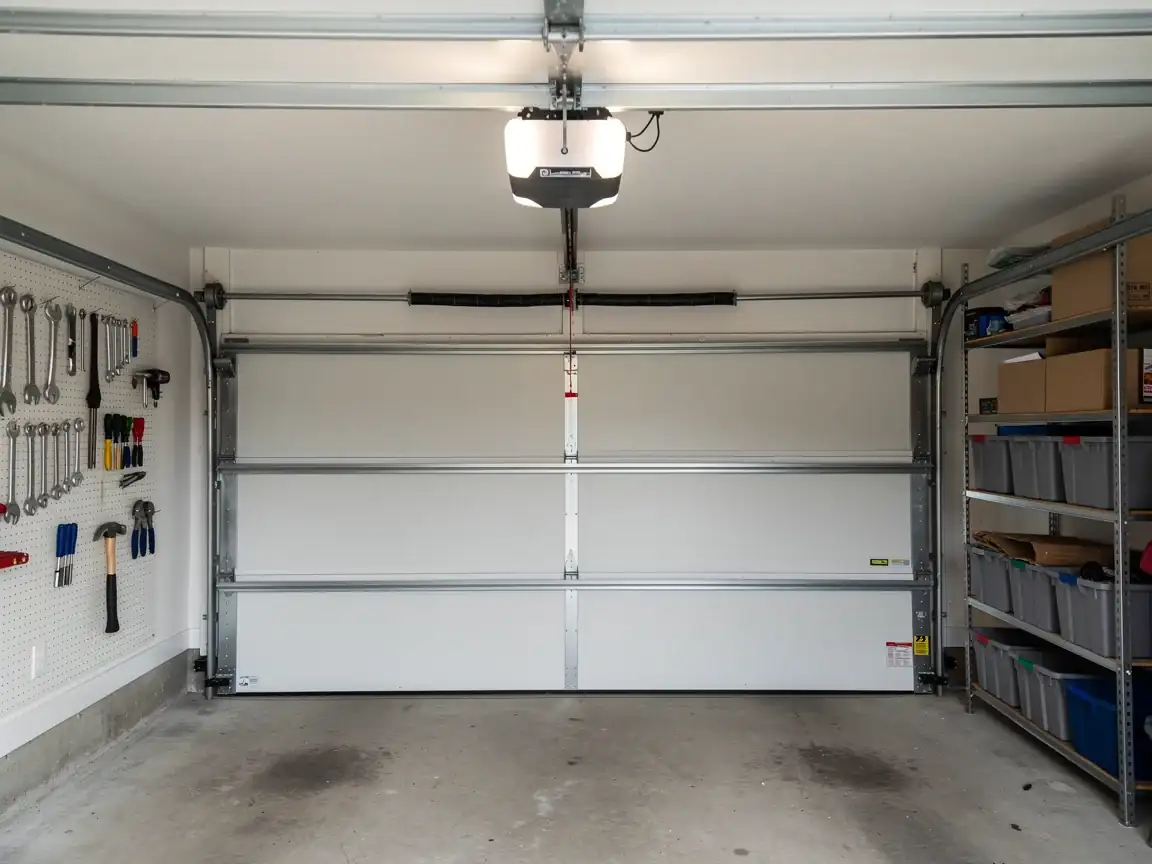
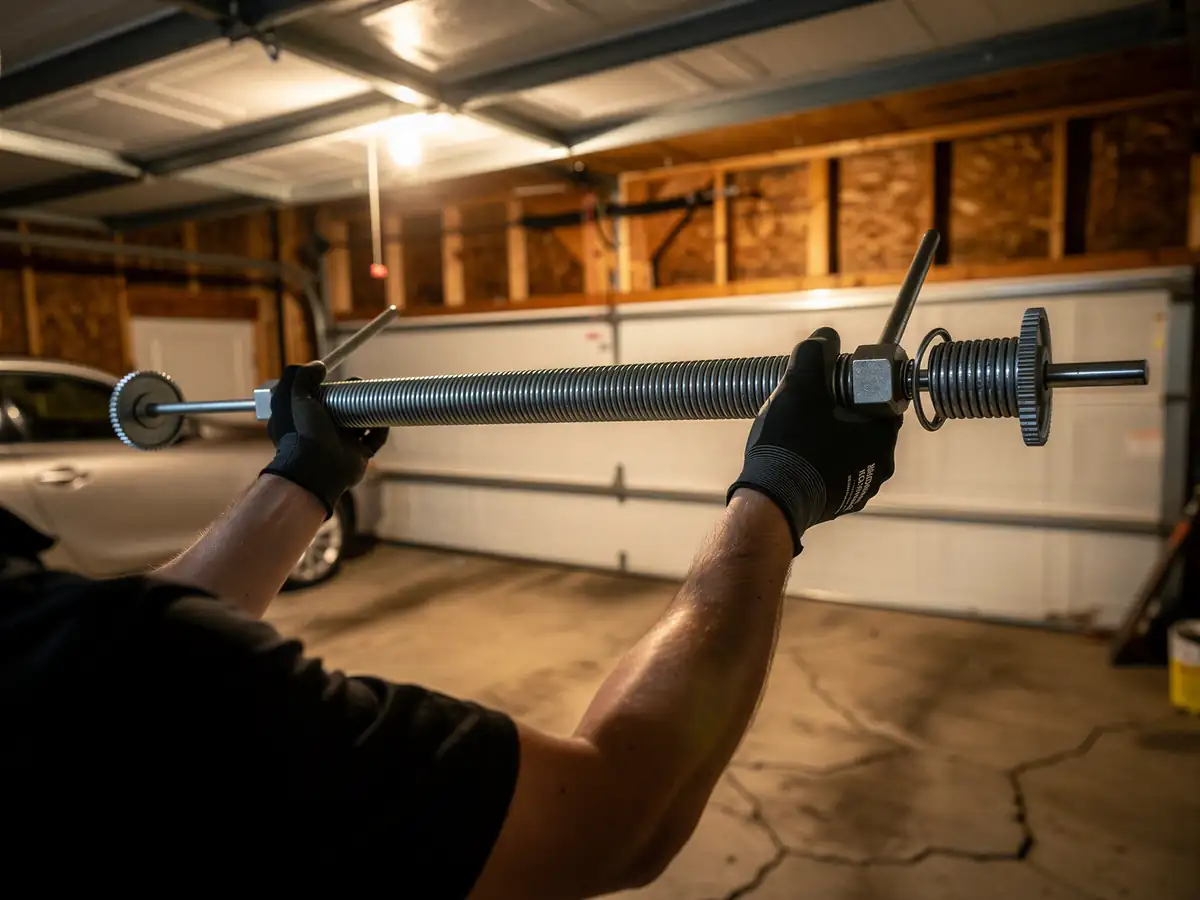
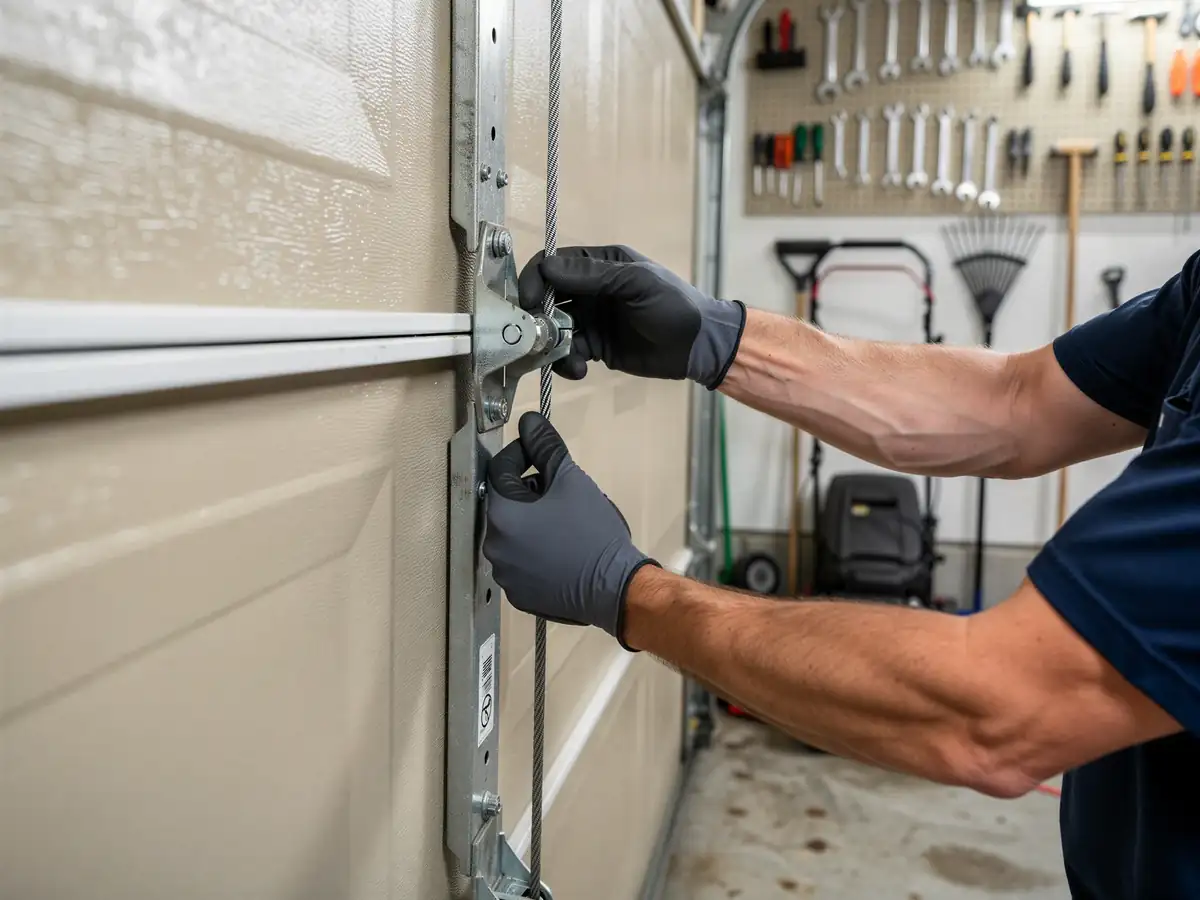
Tightening a loose bracket or lubricating a track is reasonable DIY, and we'd rather you do that than call us for it. Torsion spring work is not - the spring on a standard double door in this size range stores enough force to break a bone or worse, and on original 1983-era hardware the winding cones can be more corroded than they look, which makes them more likely to slip under load. If the opener just needs a new remote or the photo-eye sensors need realigning, that's a ten-minute job most owners can do with the manual. Anything involving the spring, the cable, or the drum, we'd tell you to call rather than guess.
Parts We Carry
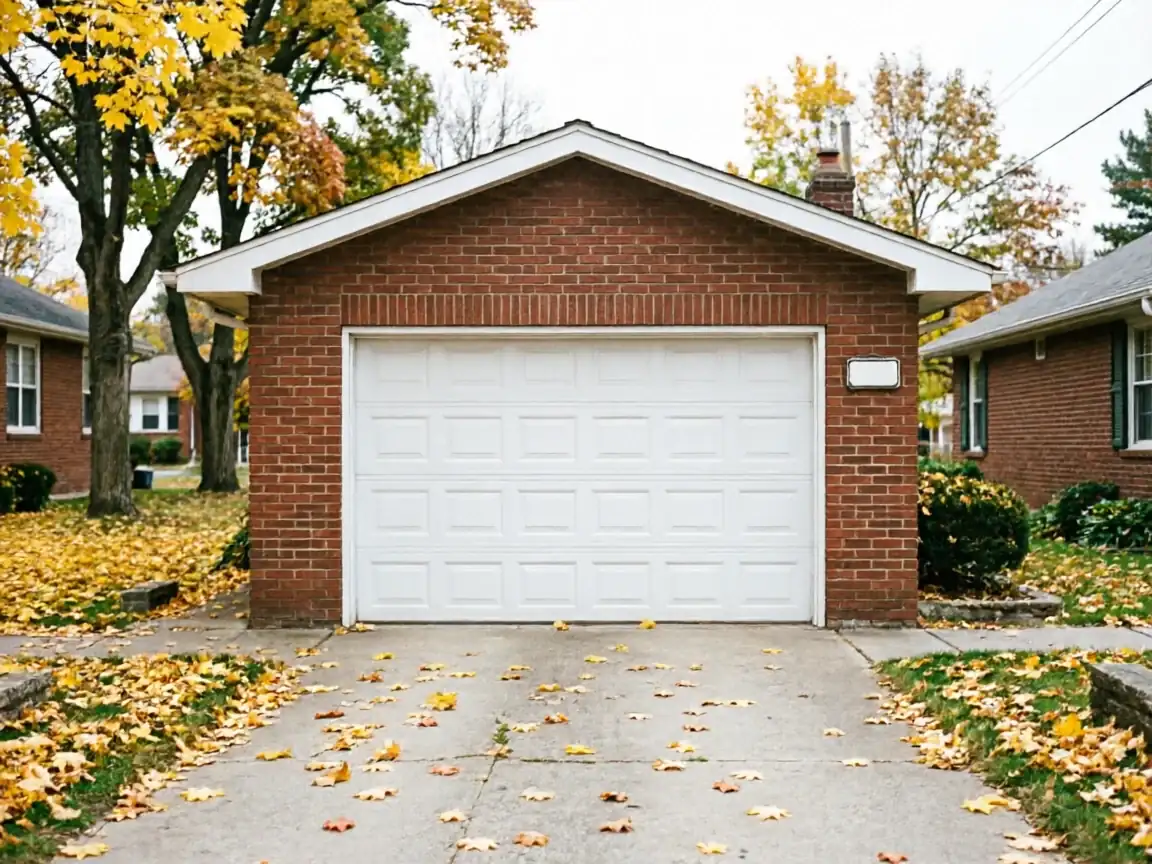
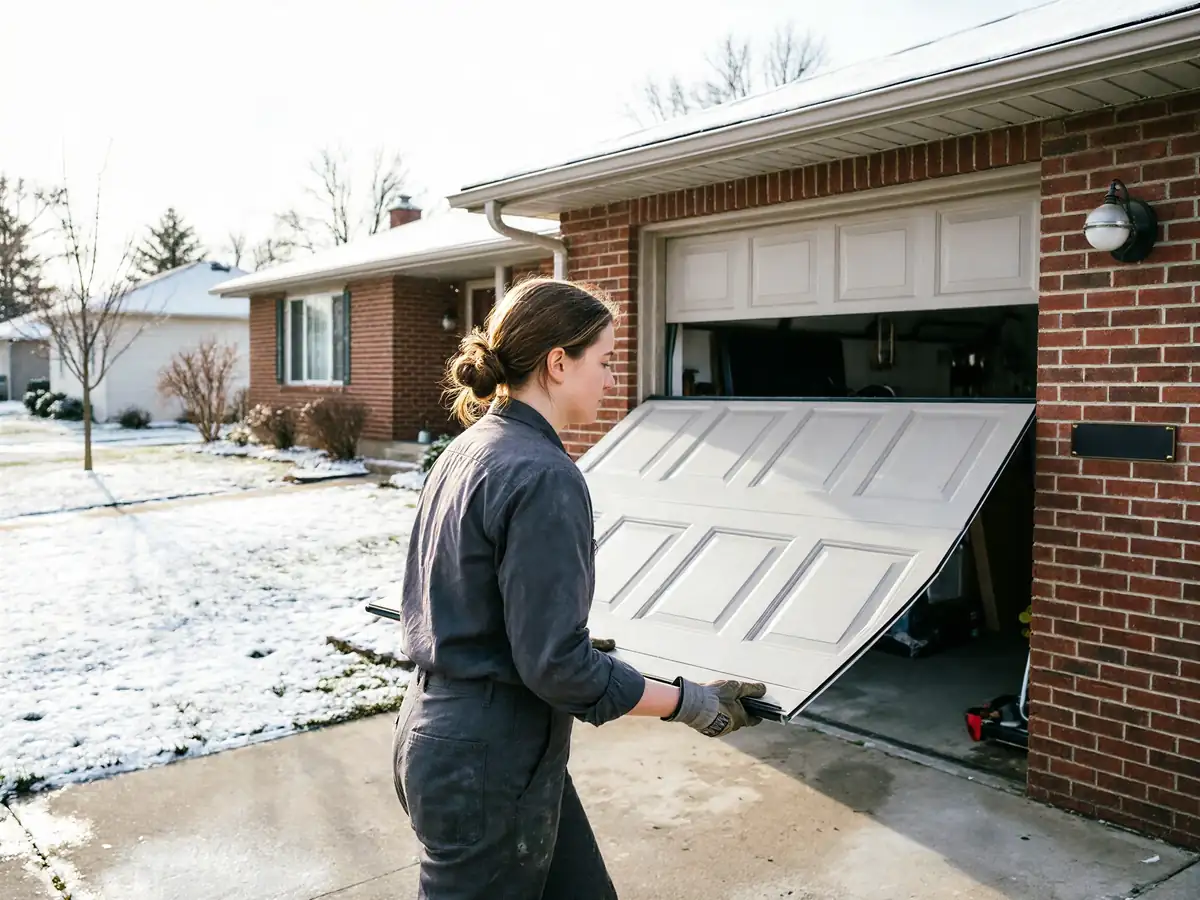
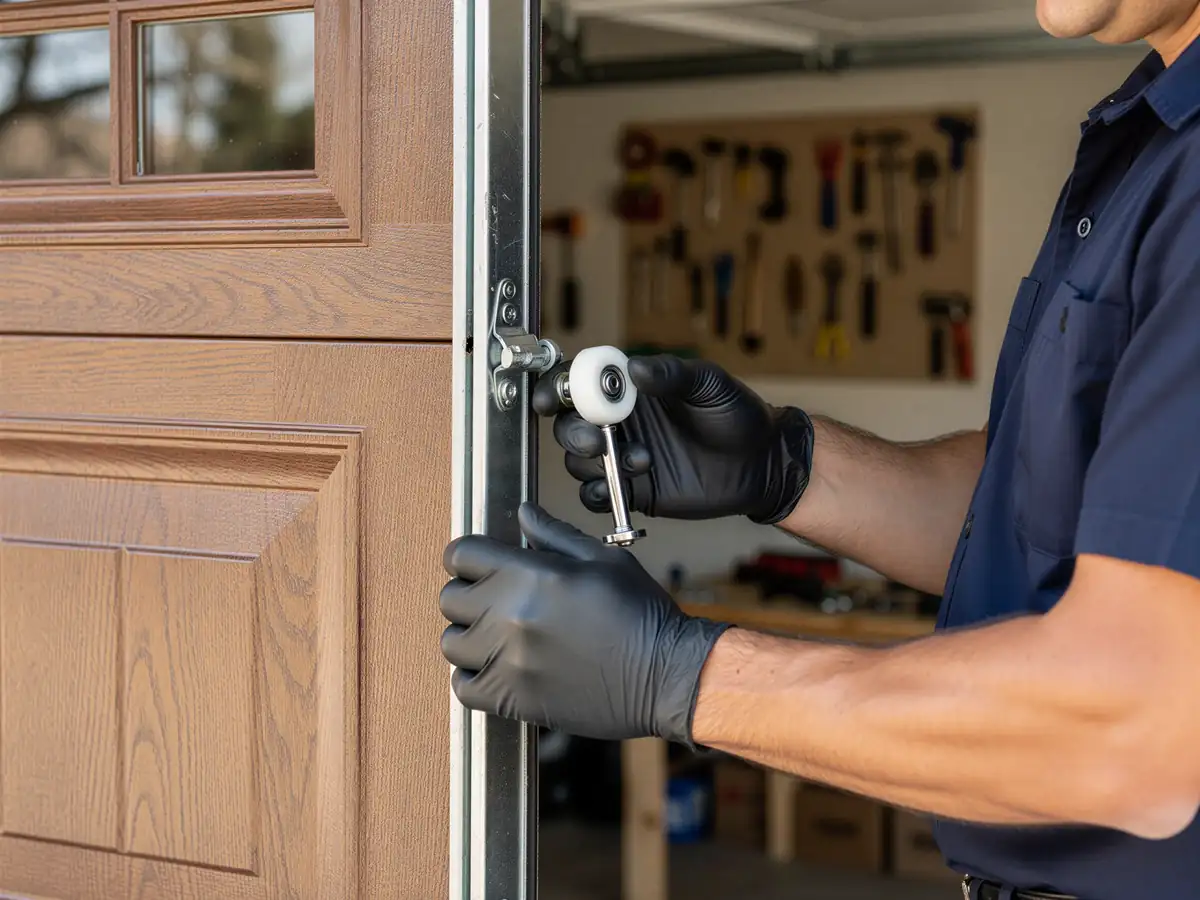
Because so much of Westlake's housing stock sits in that 1983 build window, we stock torsion springs and drums sized for the steel sectional doors that were standard through the 1980s, along with galvanized lift cable and the roller sizes that match. We also carry universal opener logic boards and gear kits, since a lot of these homes have had the opener swapped once already but kept the original door and track. What we don't always carry on the truck is a discontinued panel for a specific obsolete door model - some manufacturers stopped making matching sections for doors this old, and in those cases replacing the section is sometimes not possible, which pushes the conversation toward a full door replacement instead of a patch repair.
Why It Happens Here
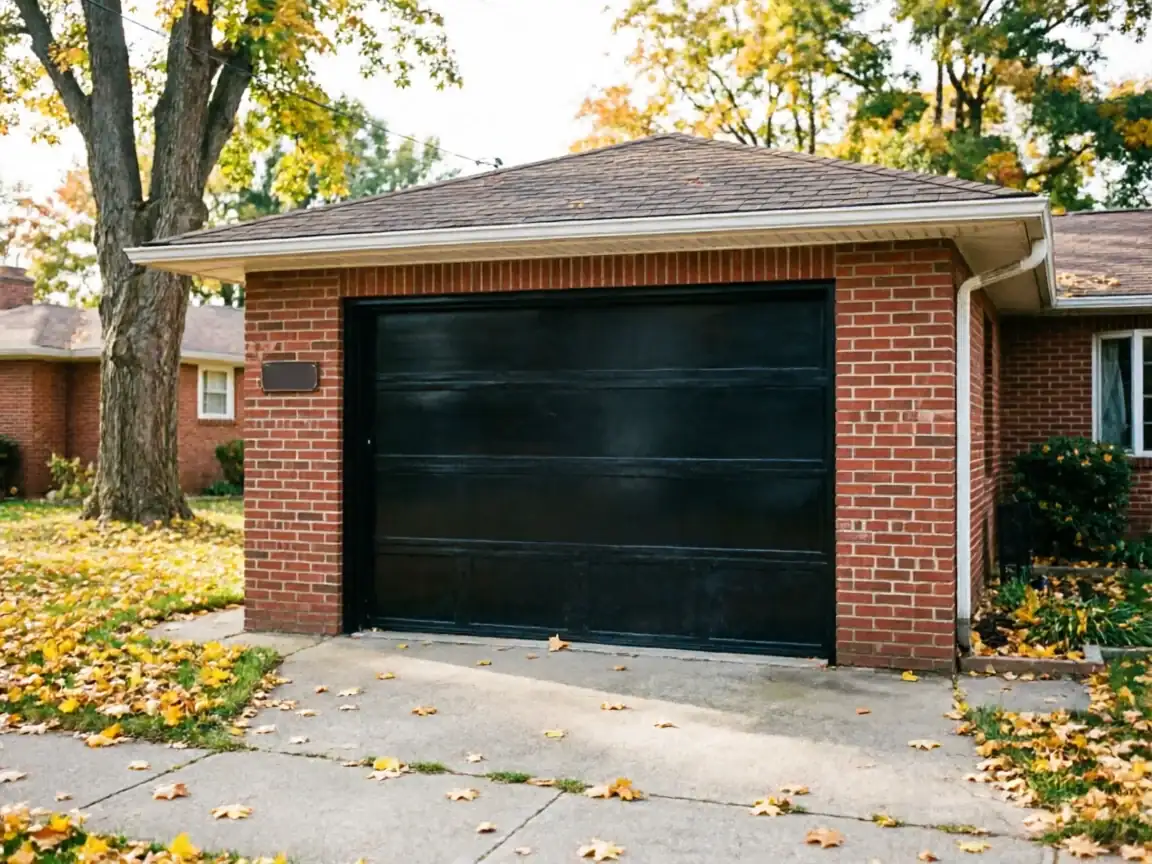
The cold-moderate climate here means freeze-thaw cycles work on steel and lubricant year-round rather than in one hard snap, and on a door that's been running the same hardware since 1983, that slow cycle is exactly what finally wears a spring past its rated cycle count or lets a track bolt work loose. It's not storm damage causing these calls - it's four decades of ordinary temperature swings on parts that were never upgraded. Newer subdivisions with doors from the 2000s on don't show the same pattern yet; give them another twenty years.