How Long You Are Without the Door
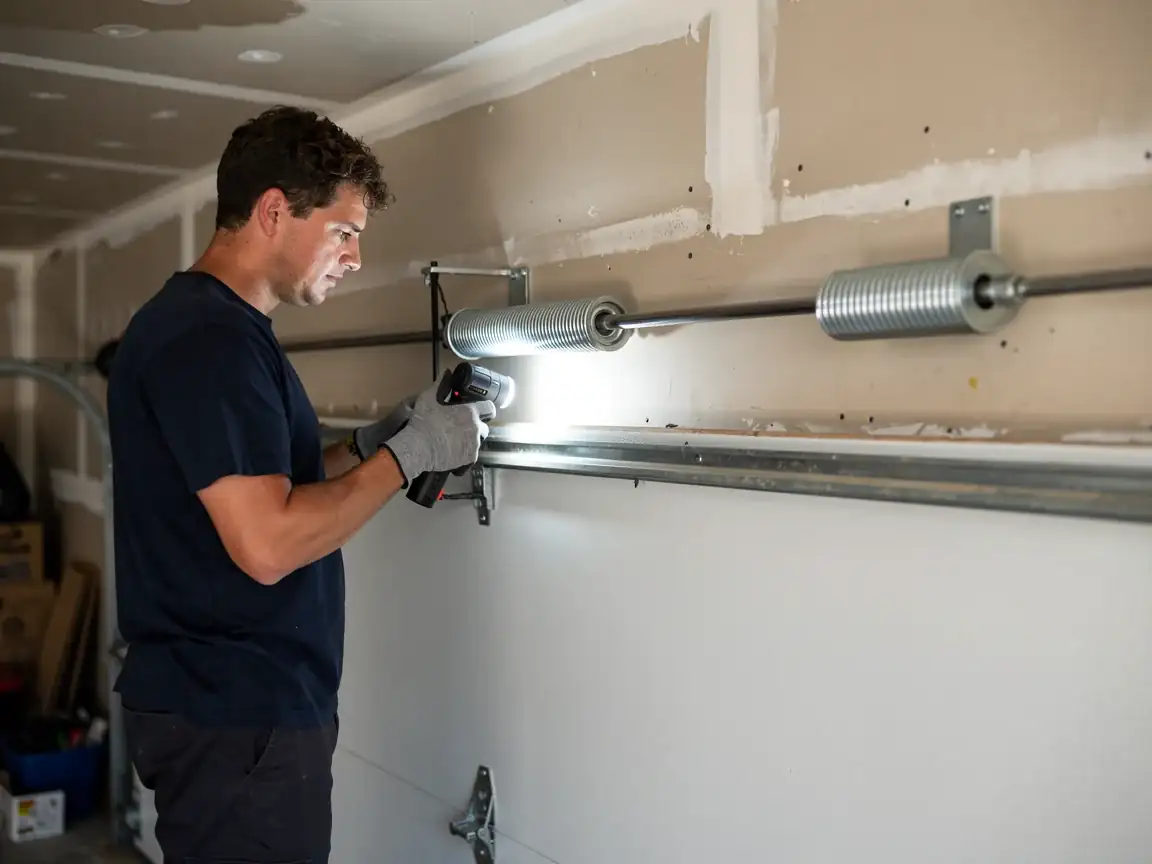
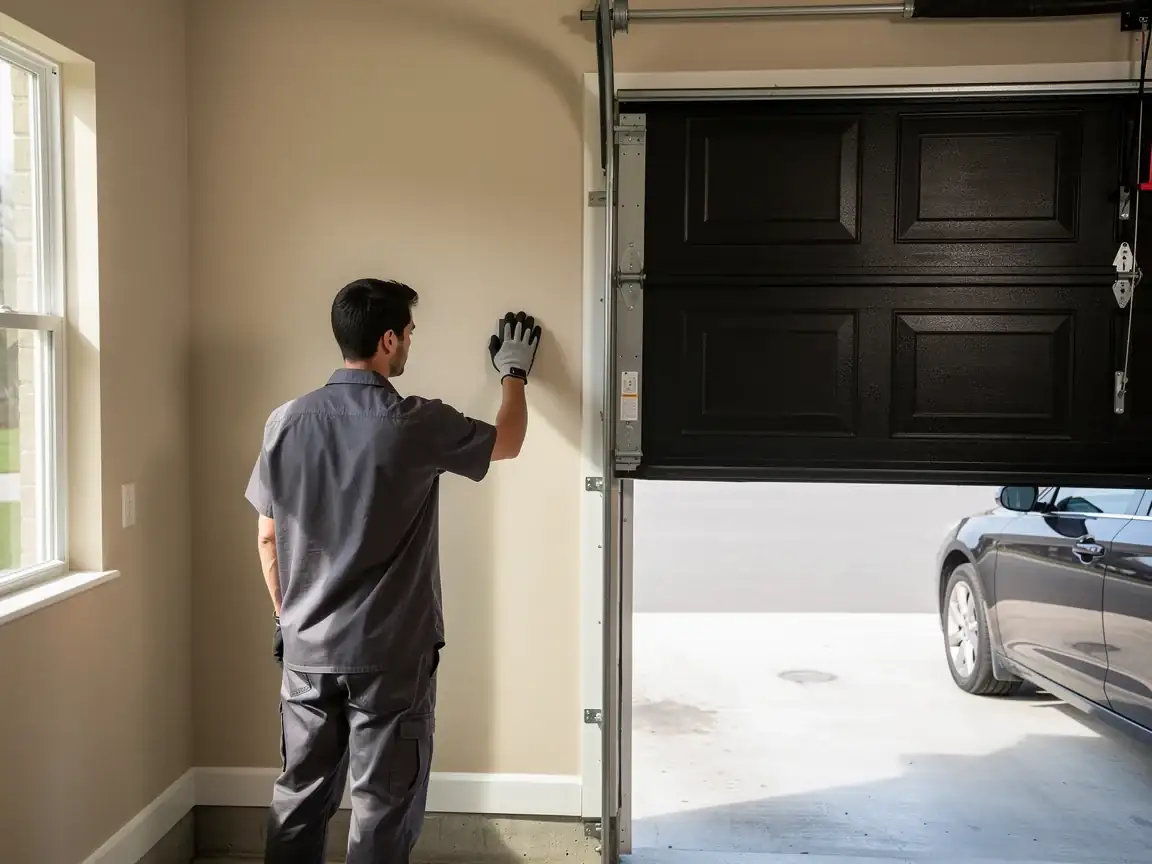
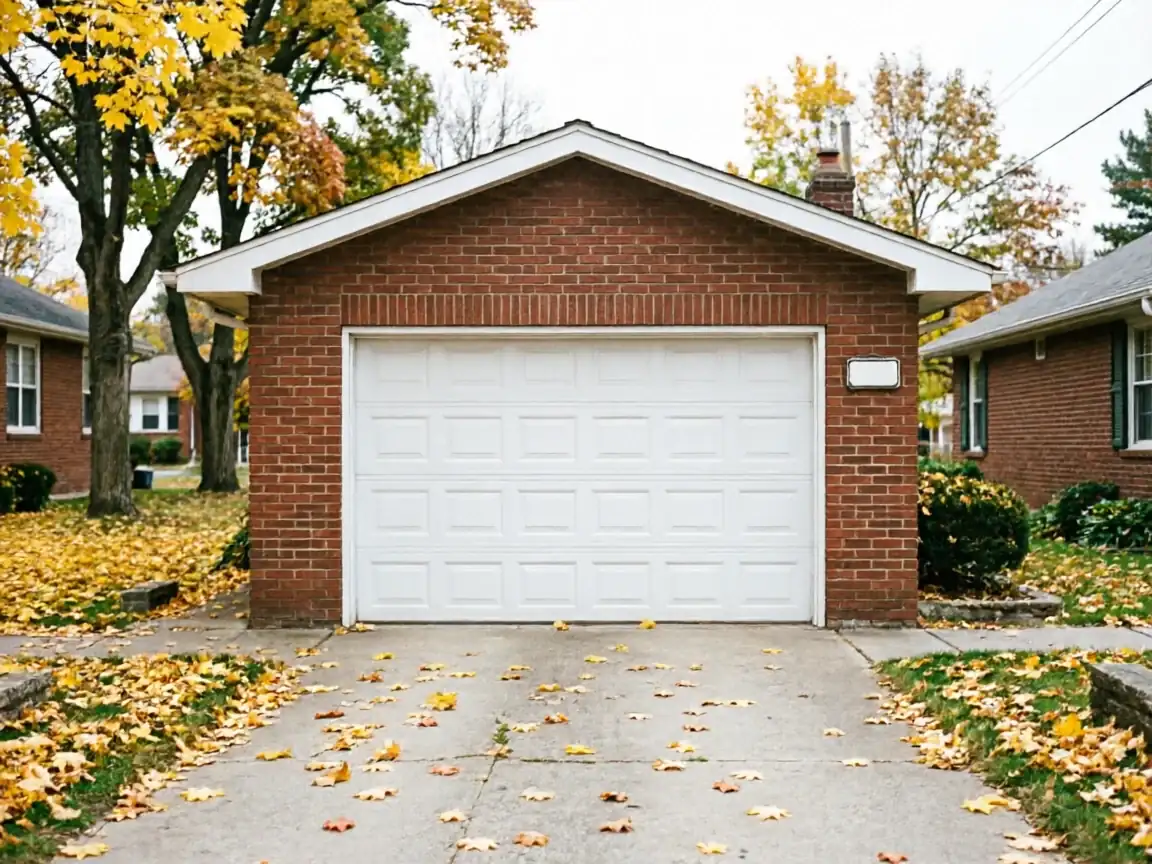
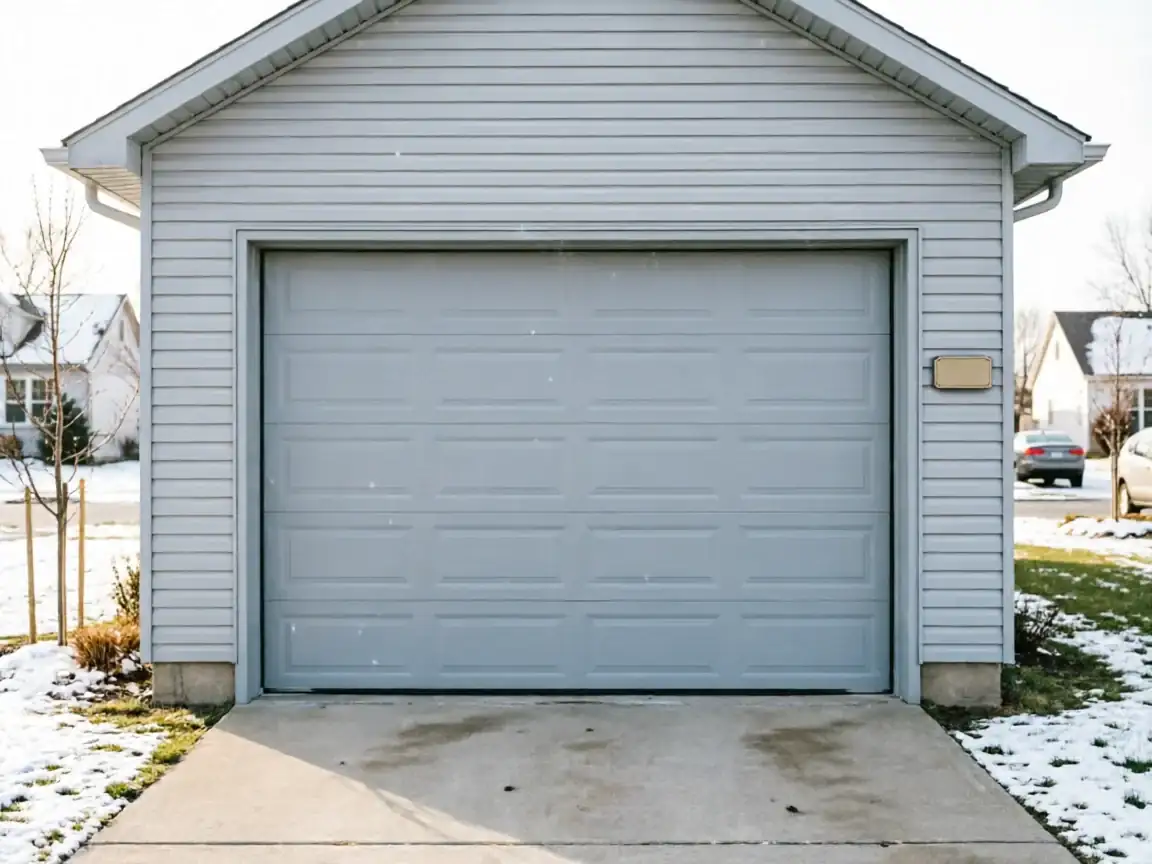
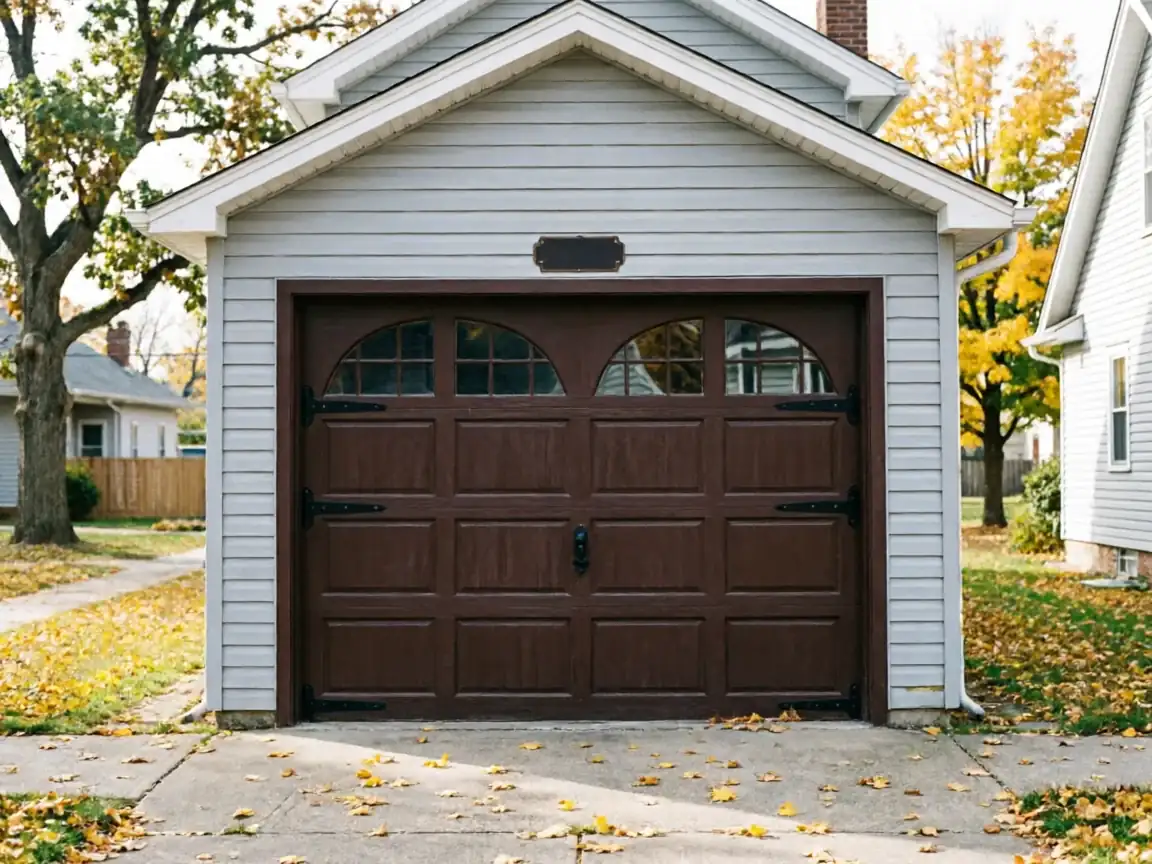
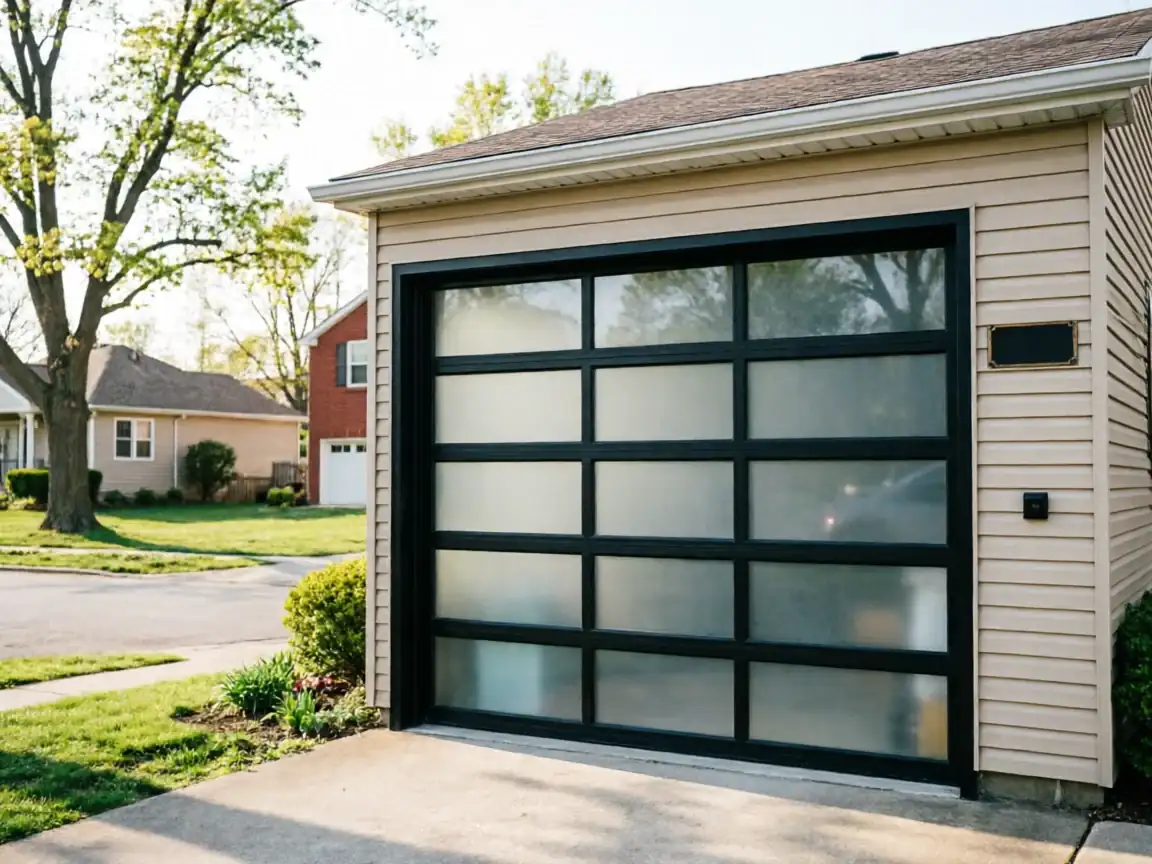
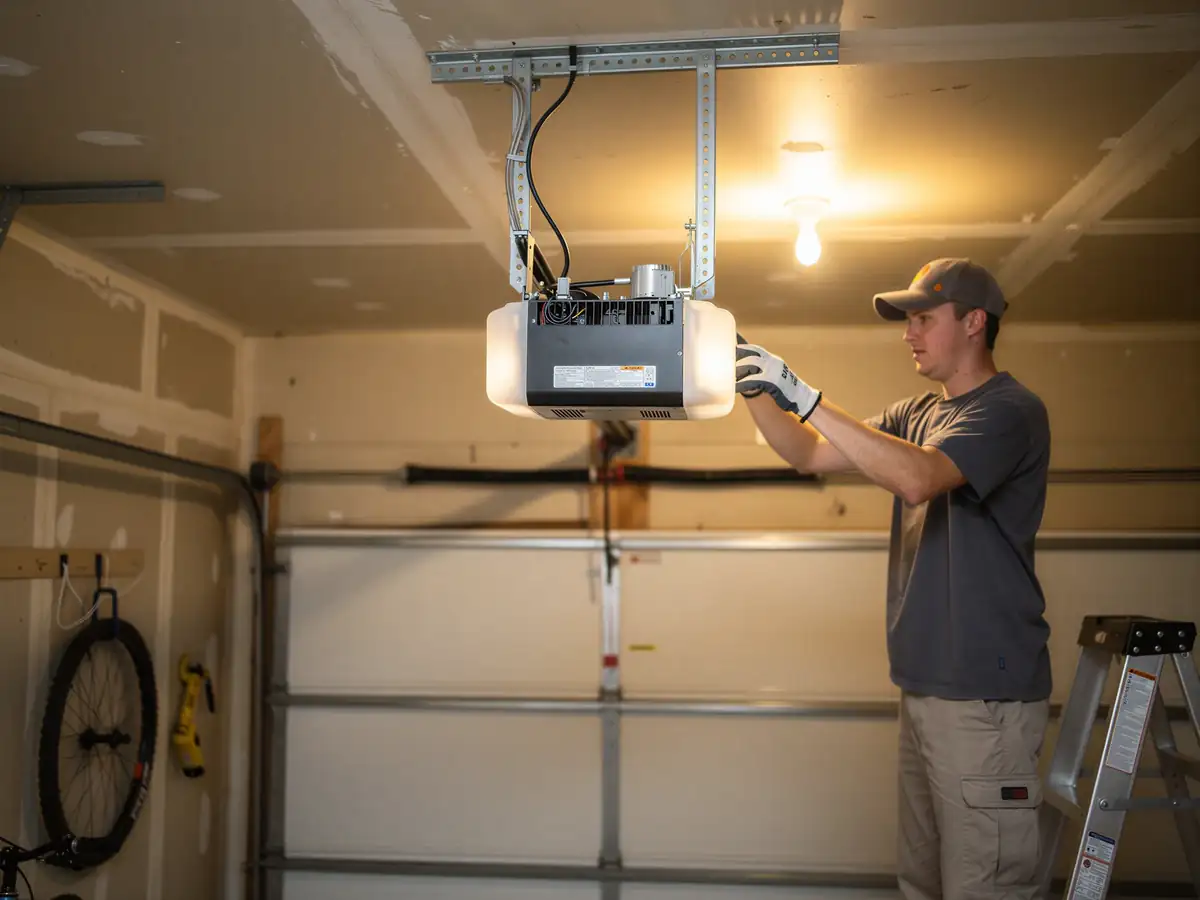
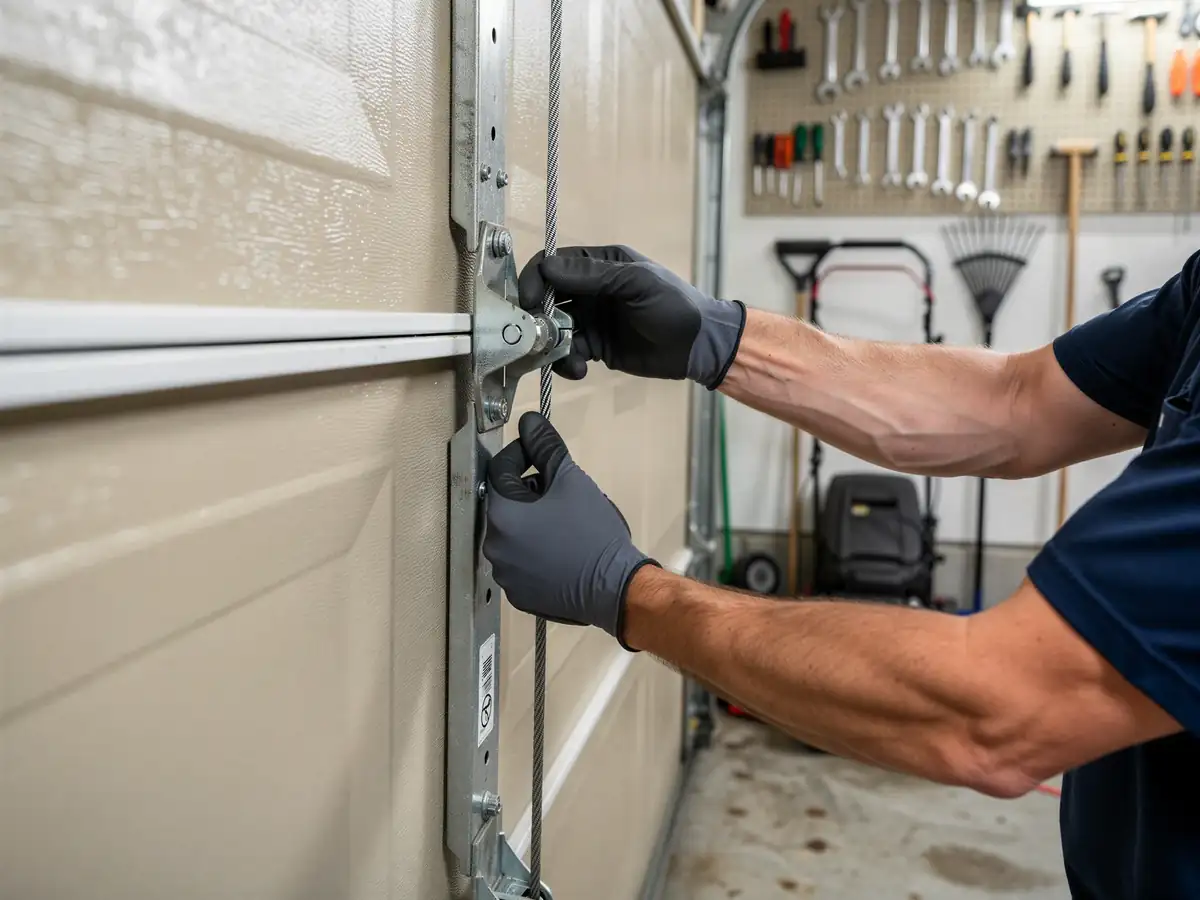
A single cable replacement on an extension-spring door like the ones common in Westlake usually runs under an hour once the truck is on site, since there's no torsion drum to wind and no high-tension spring to manage the way there is on older torsion setups. The door goes back into normal daily use the same visit. If both cables have gone (which happens when one snaps and the sudden drop puts a shock load on the other side), that adds time, since both sides need new cable run and matched for even tension. Either way, you're not looking at a multi-day wait - the limiting factor is almost always the drive out from Lorain, not the repair itself.
Can You Do This Yourself
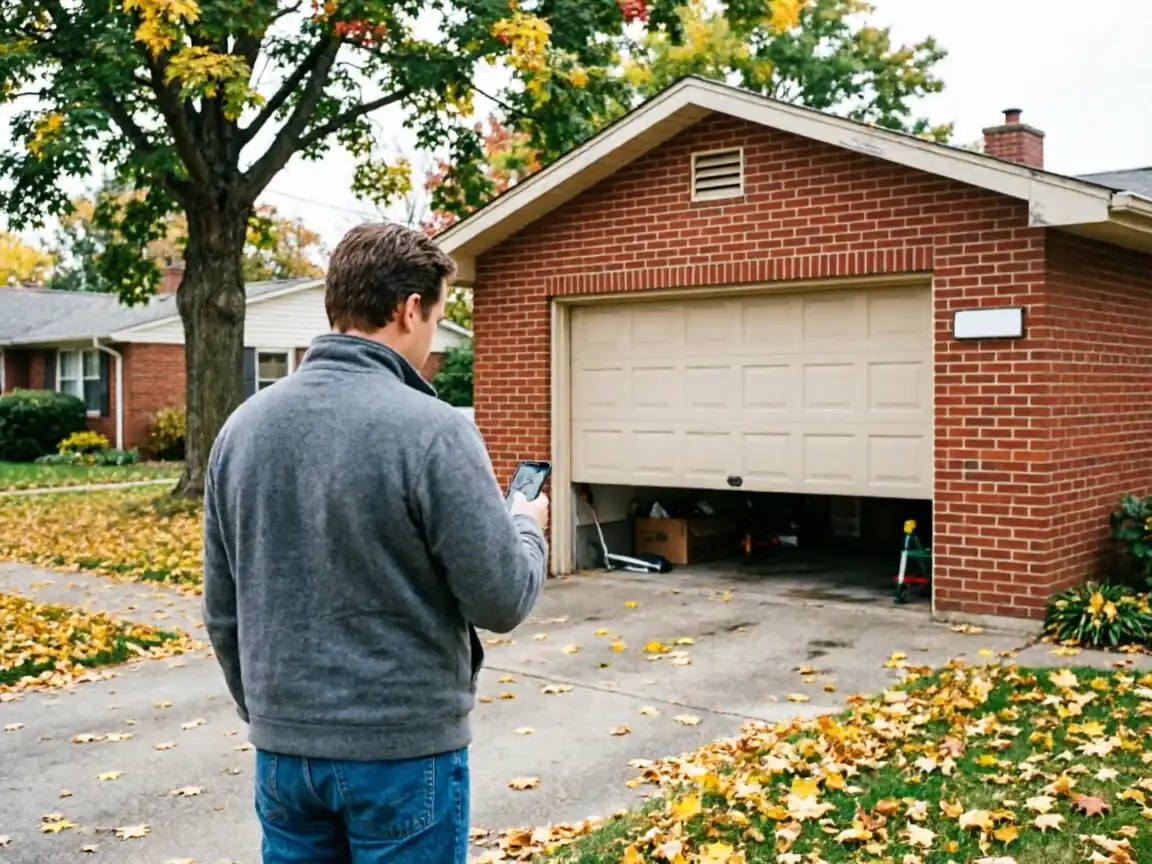
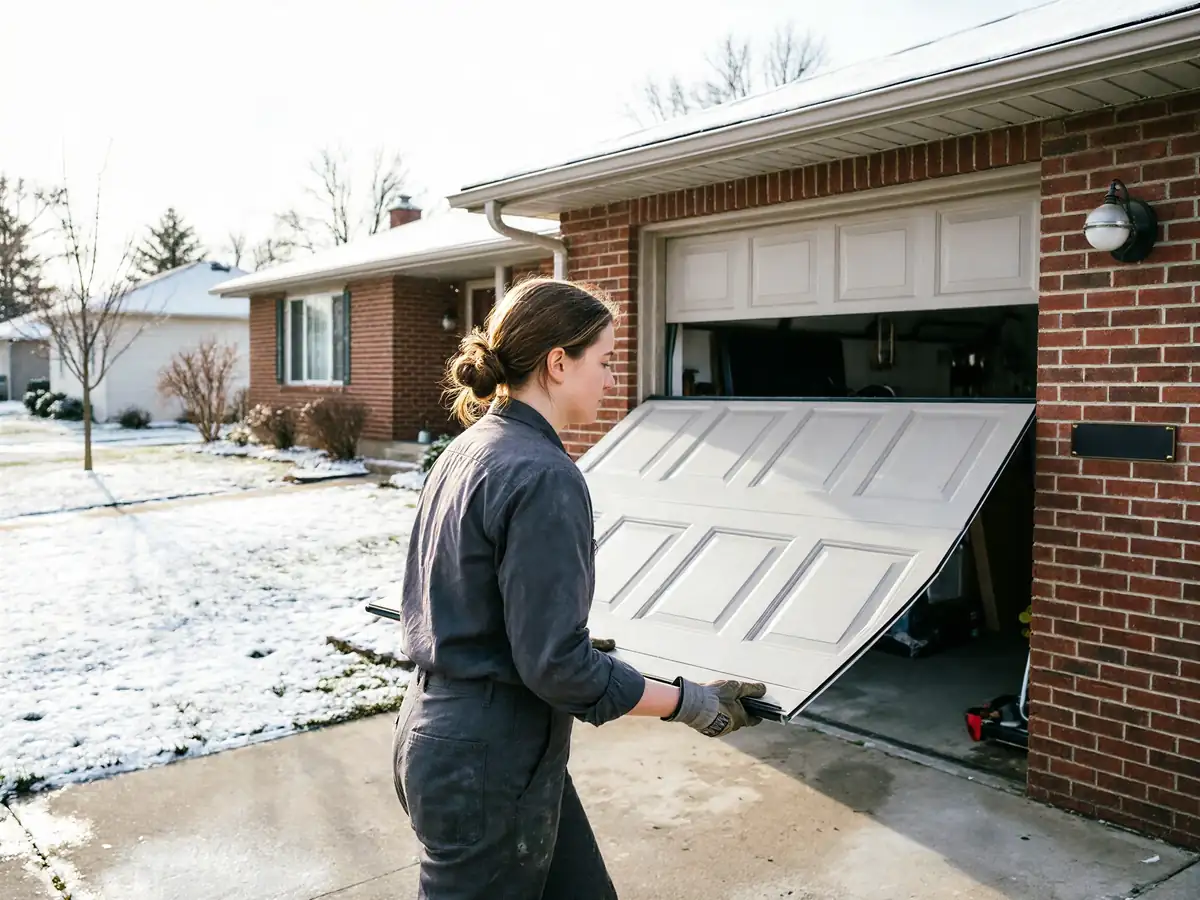
A lift cable under spring tension is not a safe DIY repair. Even on an extension-spring door, the spring is stretched and holding real force, and a cable that lets go while you're working near it can snap back hard enough to cause a real injury. If the door is already down and the cable is visibly snapped, the door is safe to leave alone - don't try to force it up on the opener, since that just strains the motor against a door with no lift support on one side. Leave the door closed, unplug the opener if you can reach it safely, and call. That part is genuinely yours to handle; the cable swap itself isn't.
Parts We Carry
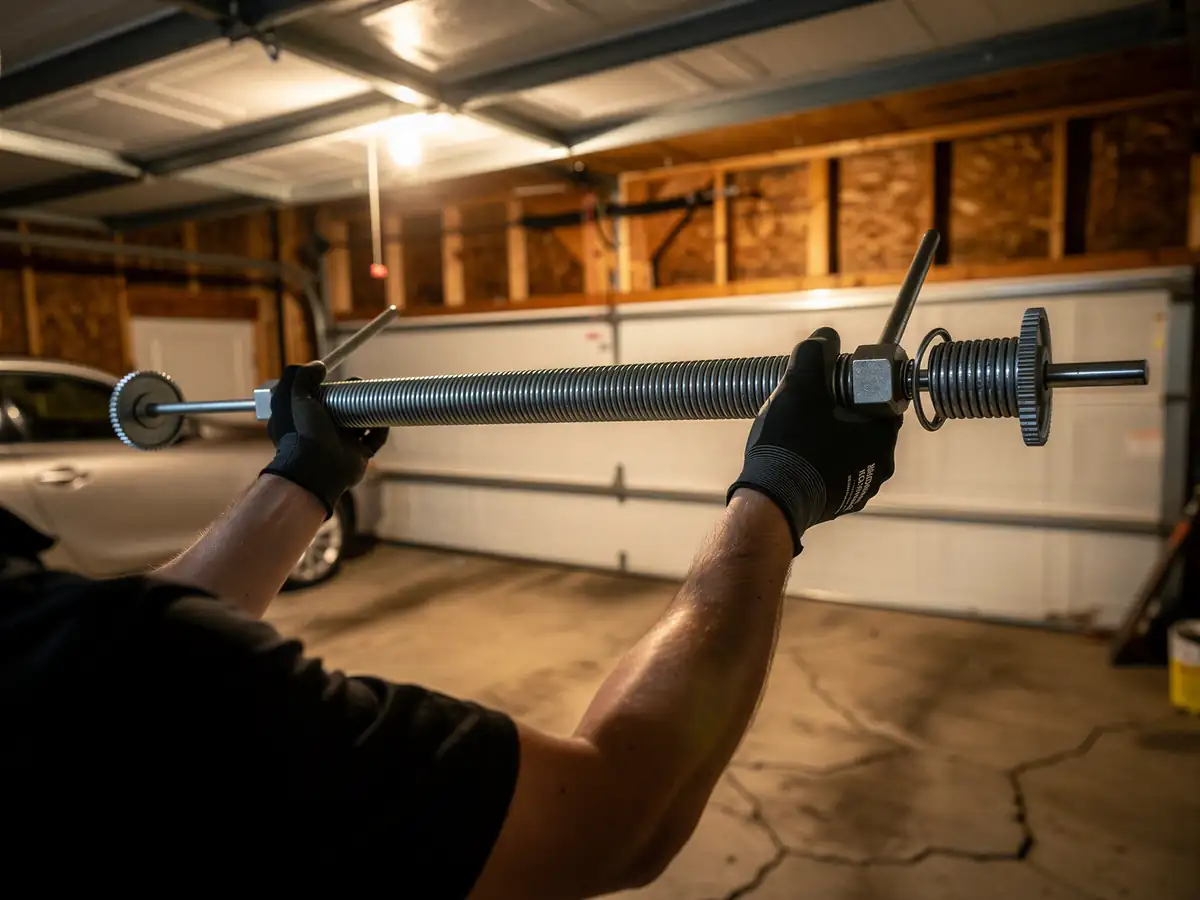
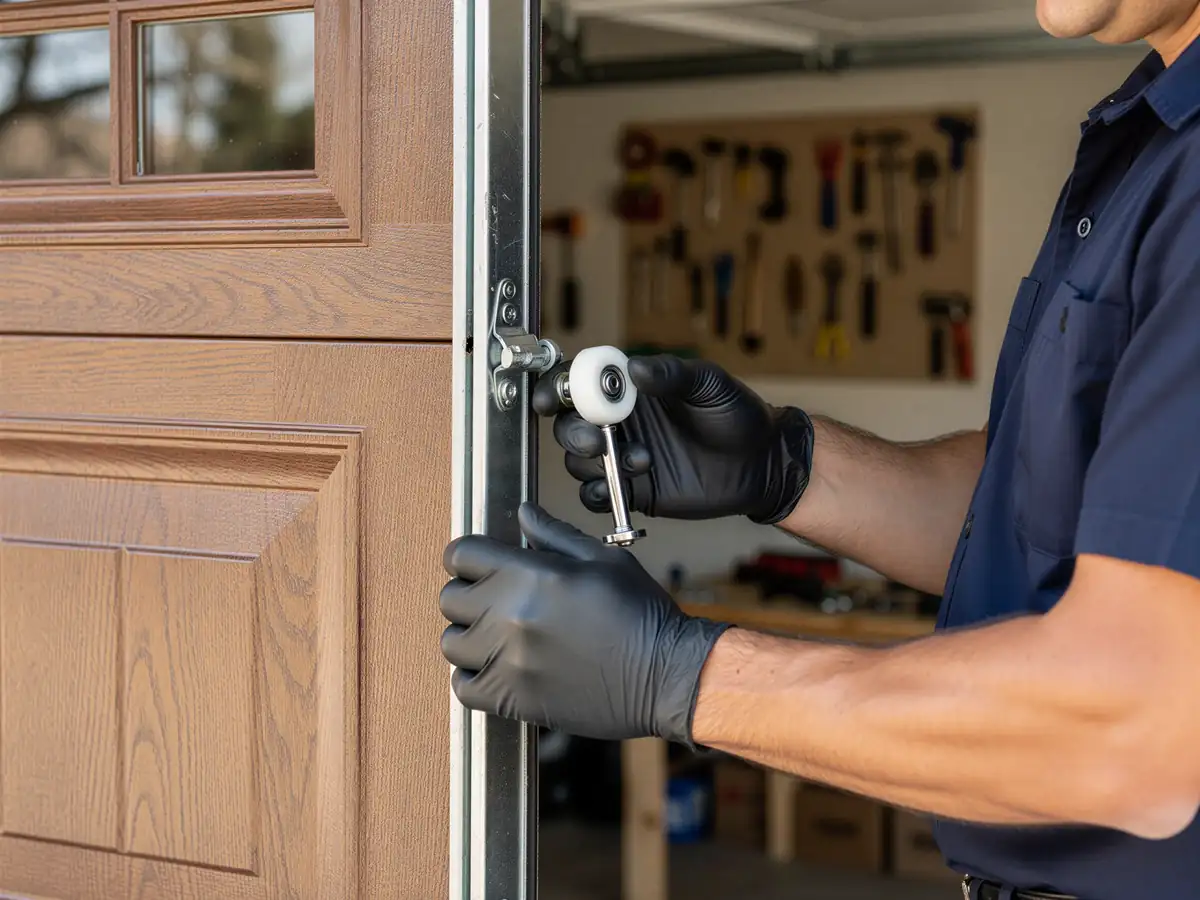
For doors built to the 1983-era standard common in Westlake, we stock galvanized aircraft cable in the gauges that match extension-spring sectional doors, along with the pulleys, fork brackets, and S-hooks that wear alongside the cable. We also carry the heavier cable gauge used on doors with added insulation or a thicker panel, since not every house in the area has the lightest standard door. What we don't stock on the truck is cable cut to length for torsion-drum setups, since that's less common on homes built in this era - if a house turns out to have an older torsion system, we may need a second trip to bring the right hardware.
Why It Happens Here
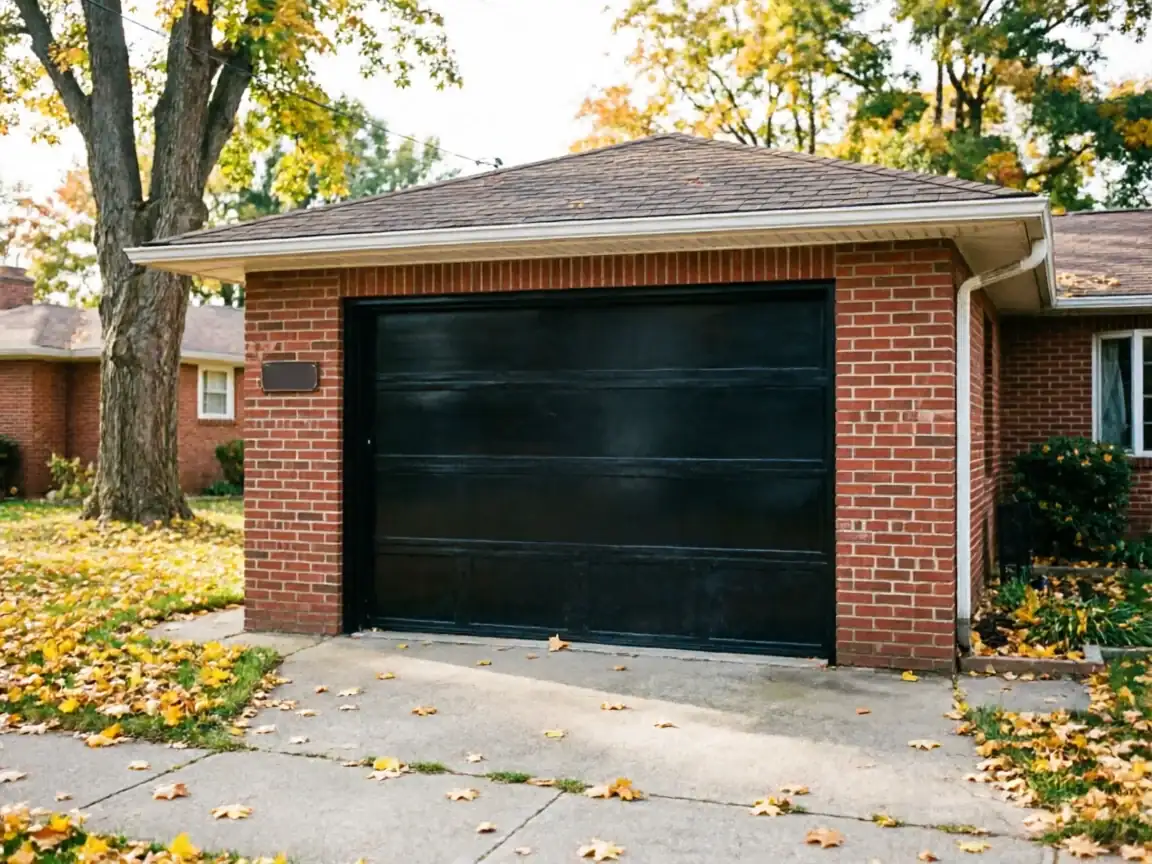
Lorain's wider service area runs a mix of housing from 1938 to 2002, with a lot of stock from the 1960s and 70s, but Westlake's homes cluster later, around 1983. That later build date lines up with a period when extension-spring doors with lift cables were standard builder-grade equipment, which is why cable wear, not spring failure, tends to be the recurring call here. Add in the region's cold winters: cable sheathing and the zinc coating on the strands both take a beating from repeated freeze-thaw cycles, and a cable that's been quietly fraying over several winters tends to let go on the coldest morning of the year, when the steel is stiff and the door is heaviest to lift by hand. Higher household income in Westlake ($110,101) doesn't change the hardware, but it does mean more of these doors carry heavier insulated panels than the original builder-grade door, which puts extra load on a cable that was sized for a lighter panel decades ago.