What the Fix Involves
Most of the calls we get from Westlake aren't the same calls we get from the older parts of our coverage area
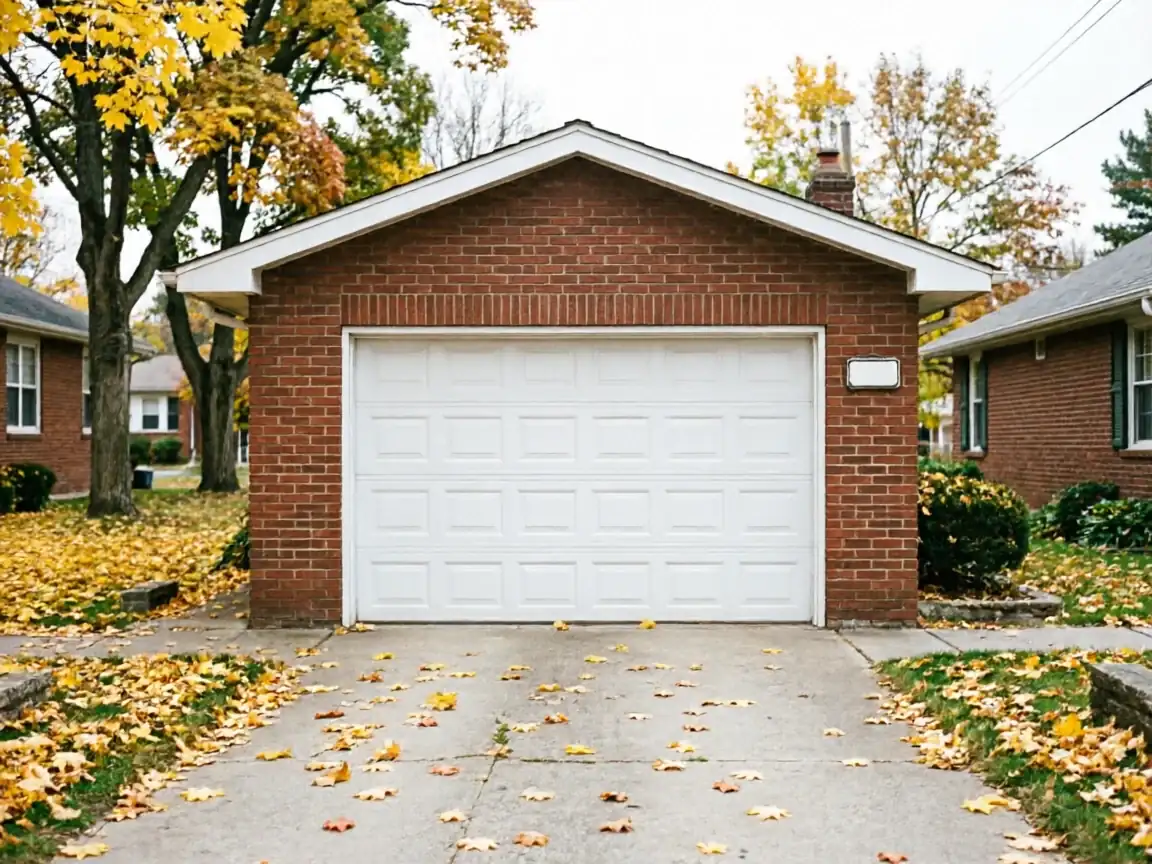
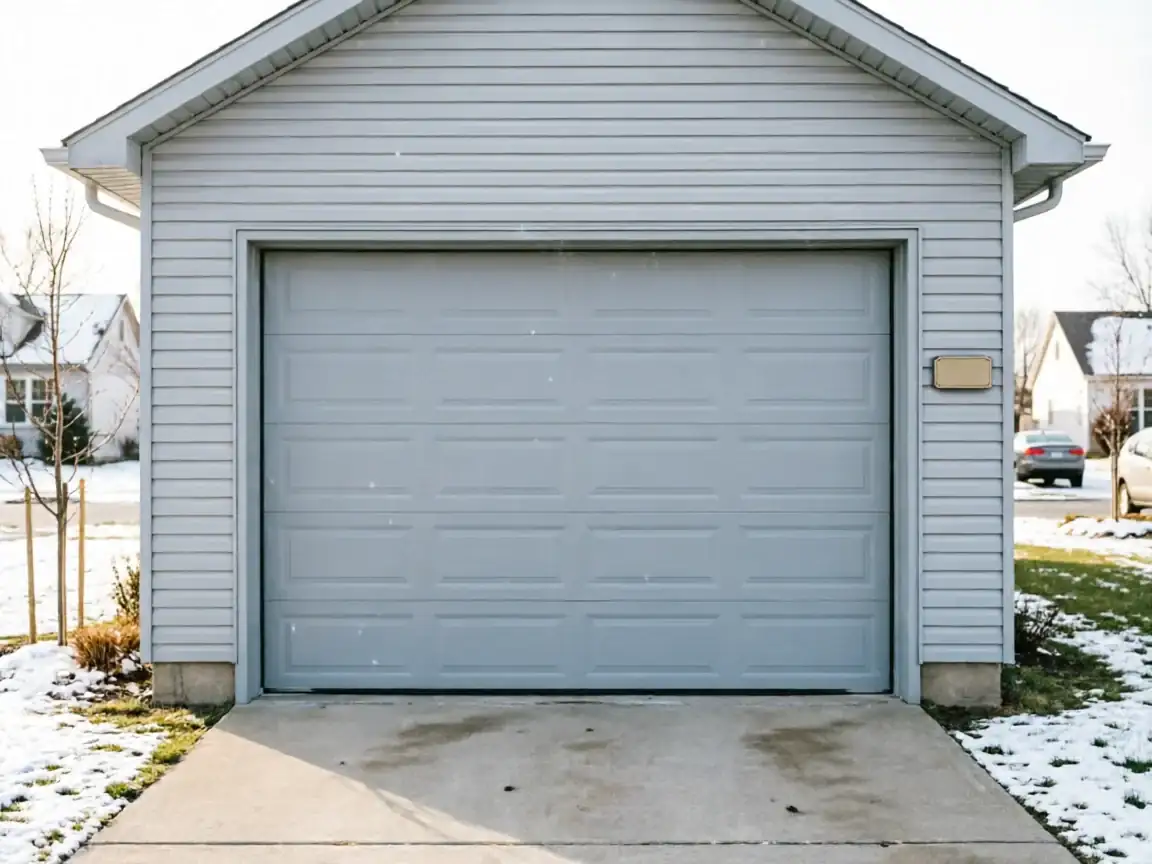
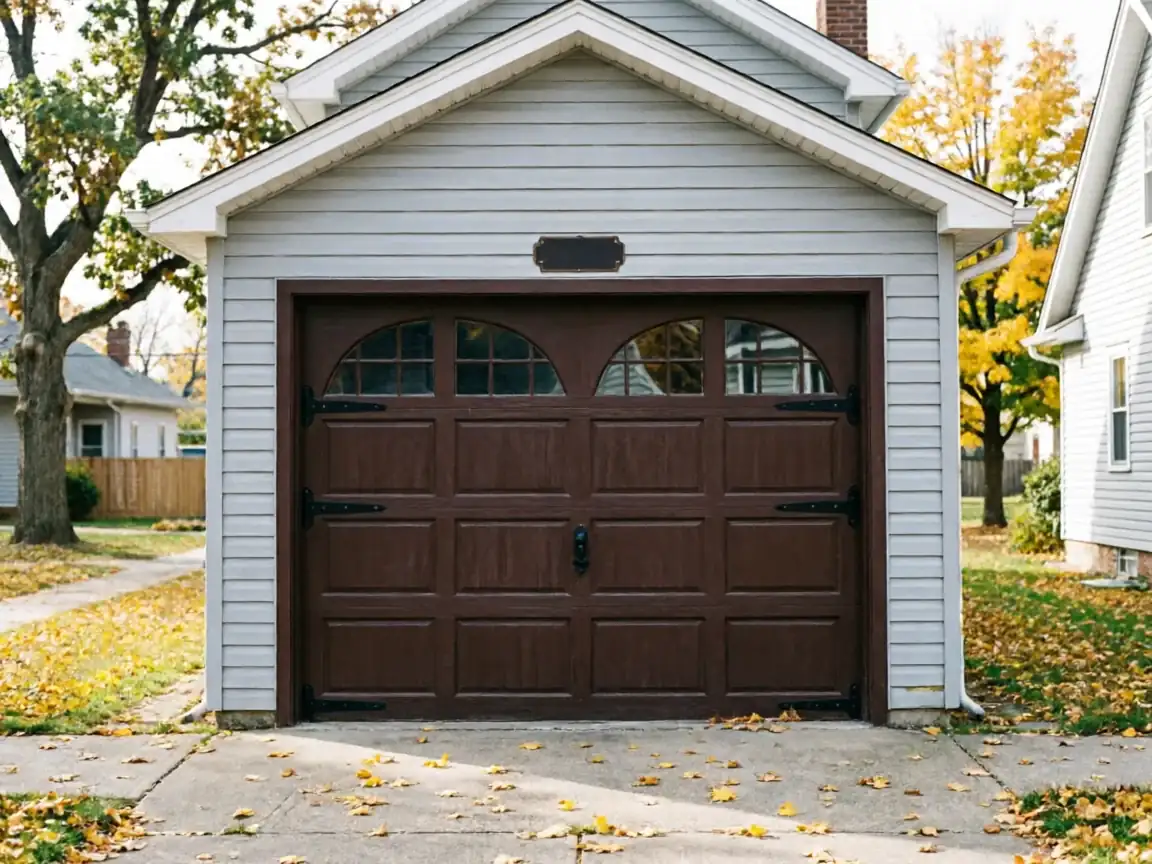
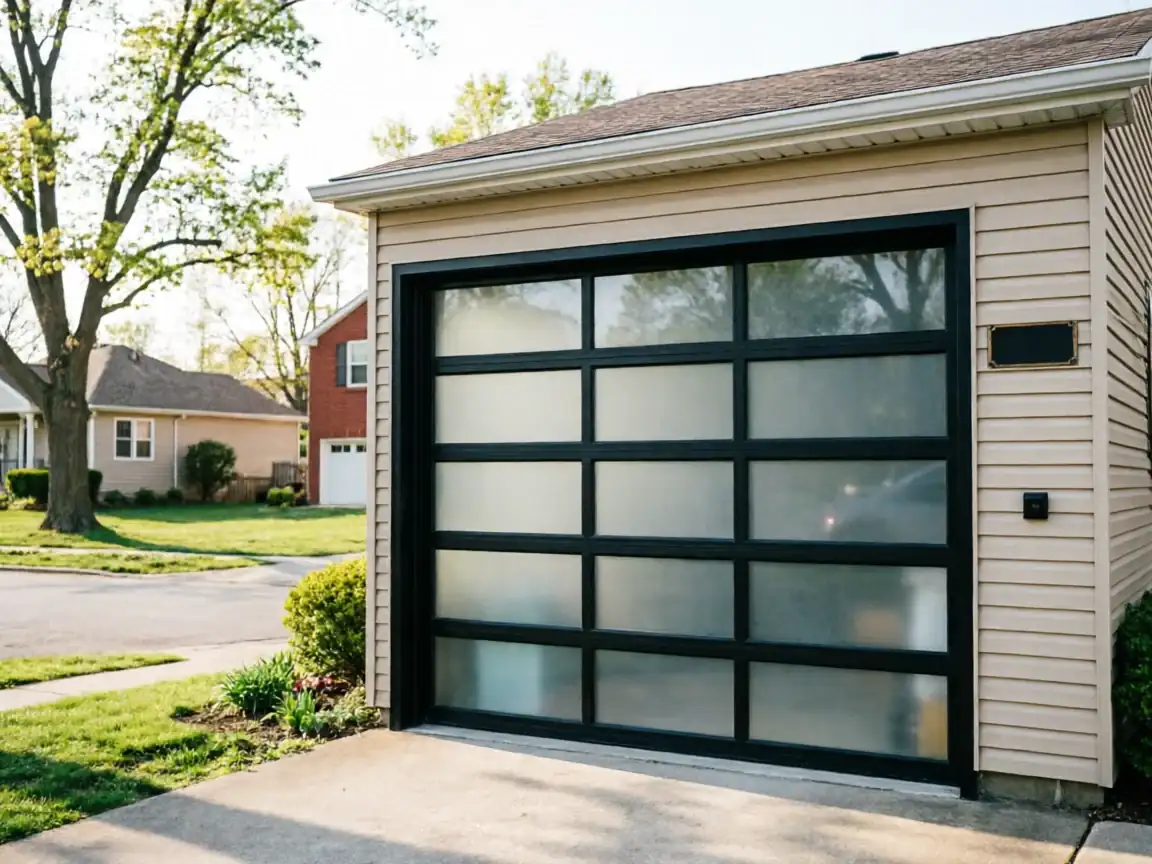
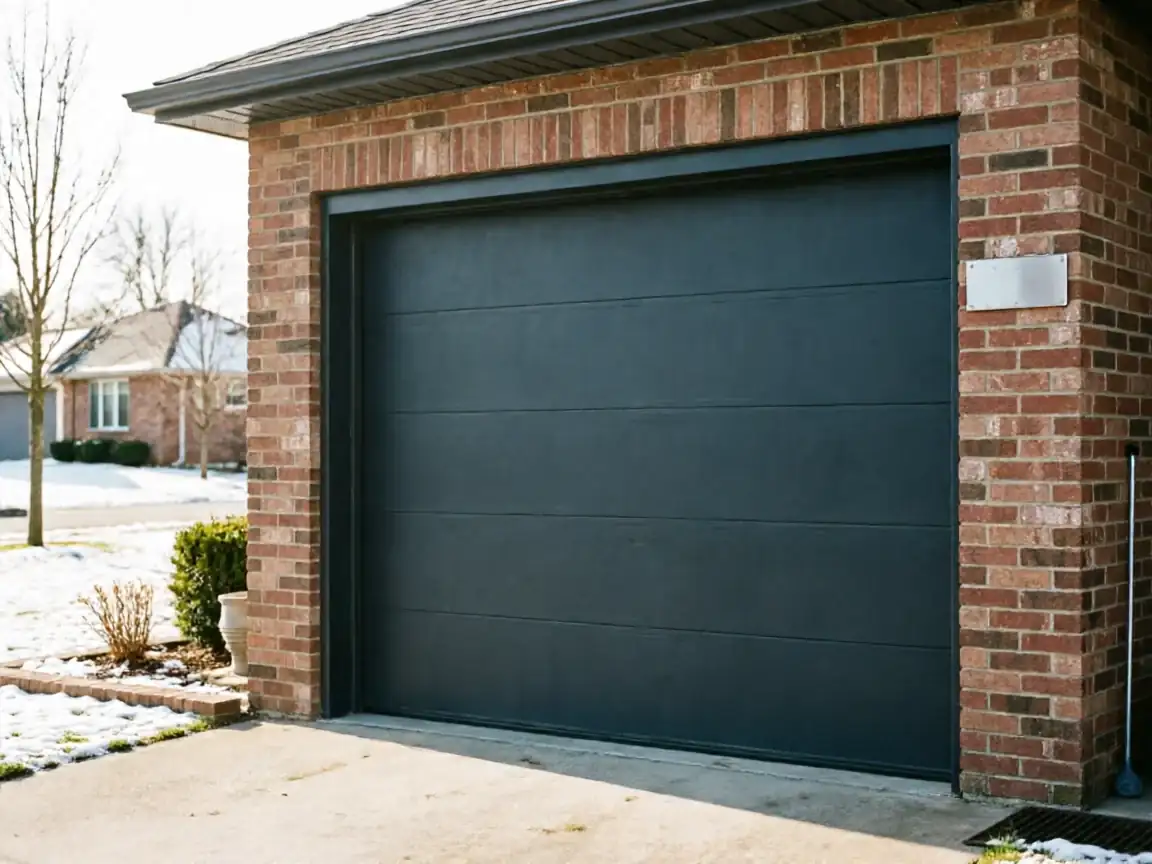
The median home here went up around 1983, which puts a lot of these garages a good 15 years newer than the typical house we work on elsewhere. That matters because a 1983 build usually came with a steel sectional door on an extension or early torsion setup, paired with a chain-drive opener that's since been swapped once or twice by a previous owner.
- 15 years
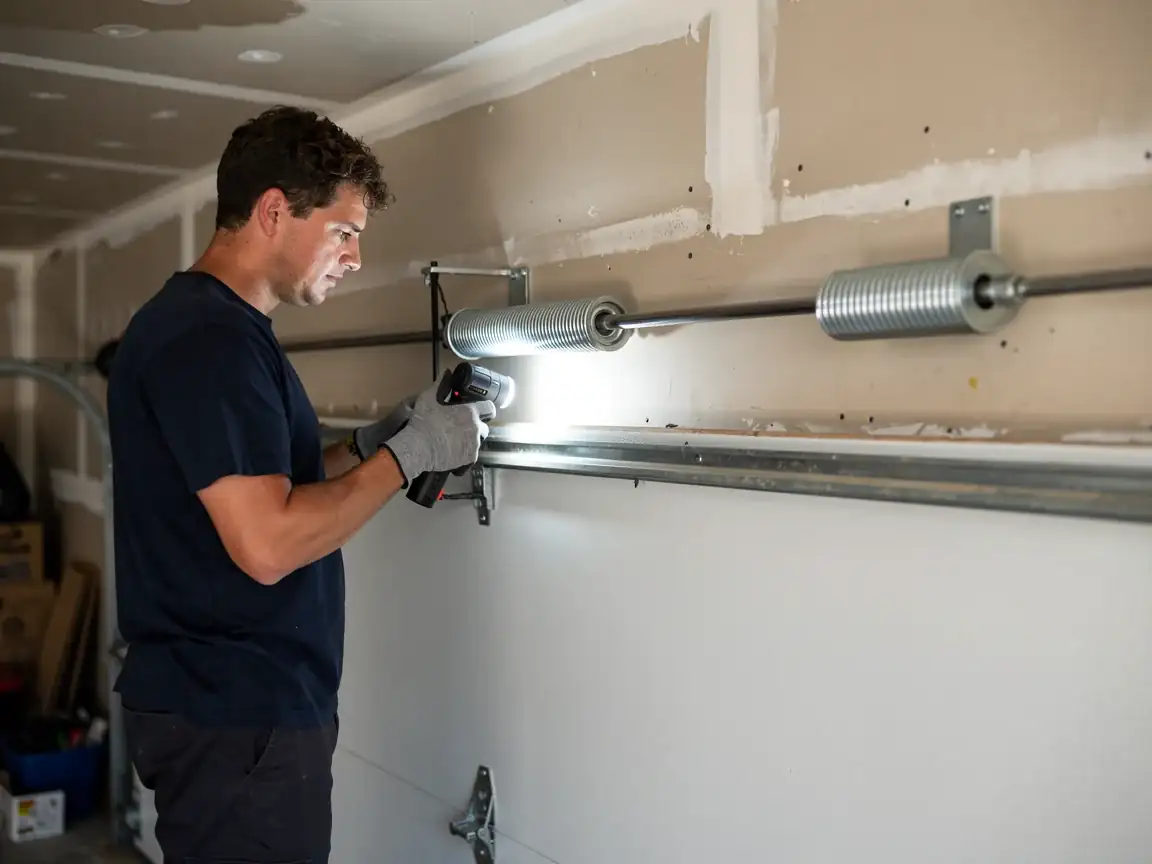
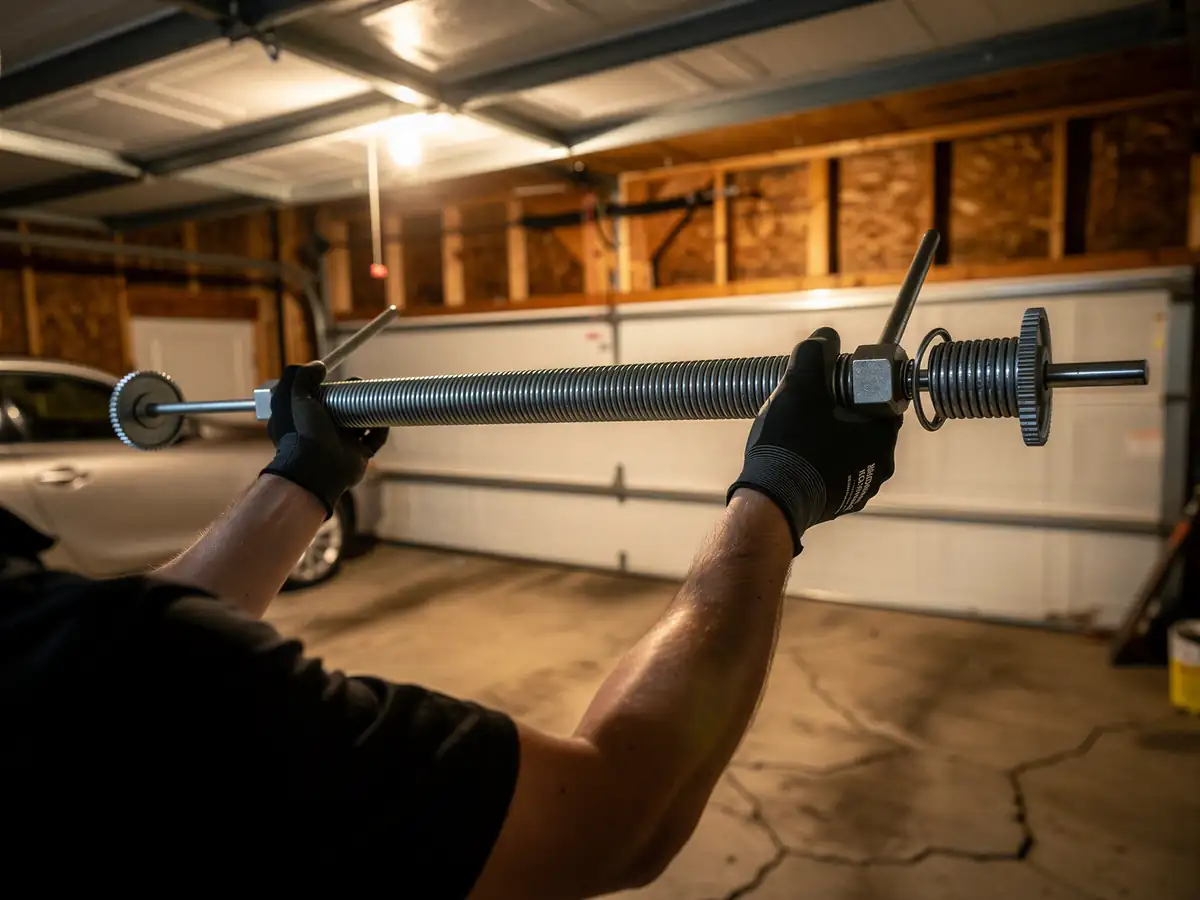
The fault we see most in this bracket is a worn extension spring pulley or a torsion spring that's simply reached the end of its cycle count
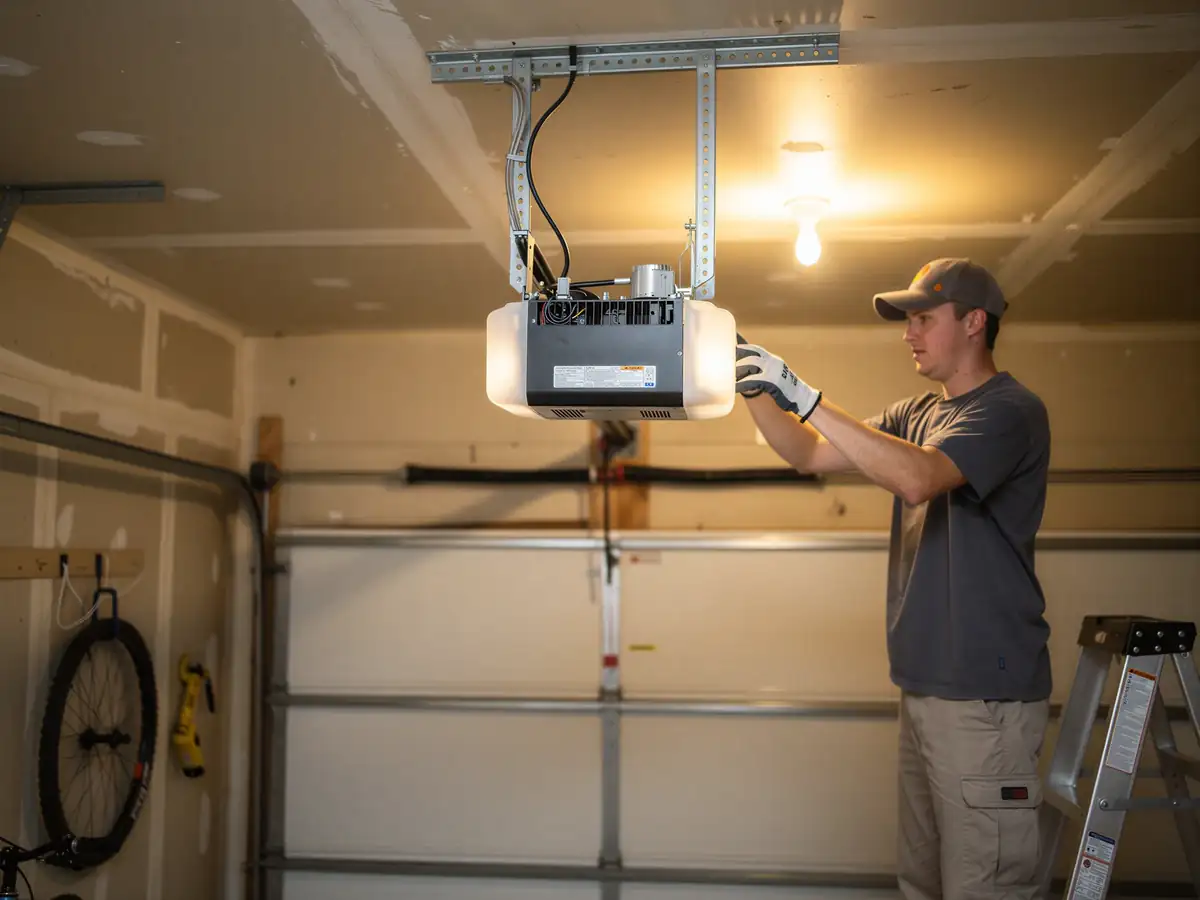
Somewhere around 10,000 to 15,000 open-close cycles for standard residential coils. On a house built in the late 1930s that spring might have been replaced three times already. On a Westlake door from the early '80s, it's often still the original, and it goes without warning on a cold morning. A secondary issue we check for on this era of door is the opener's logic board - many from that period are long out of production, so a board failure usually means a full opener swap, not a part swap.
How Long You Are Without the Door
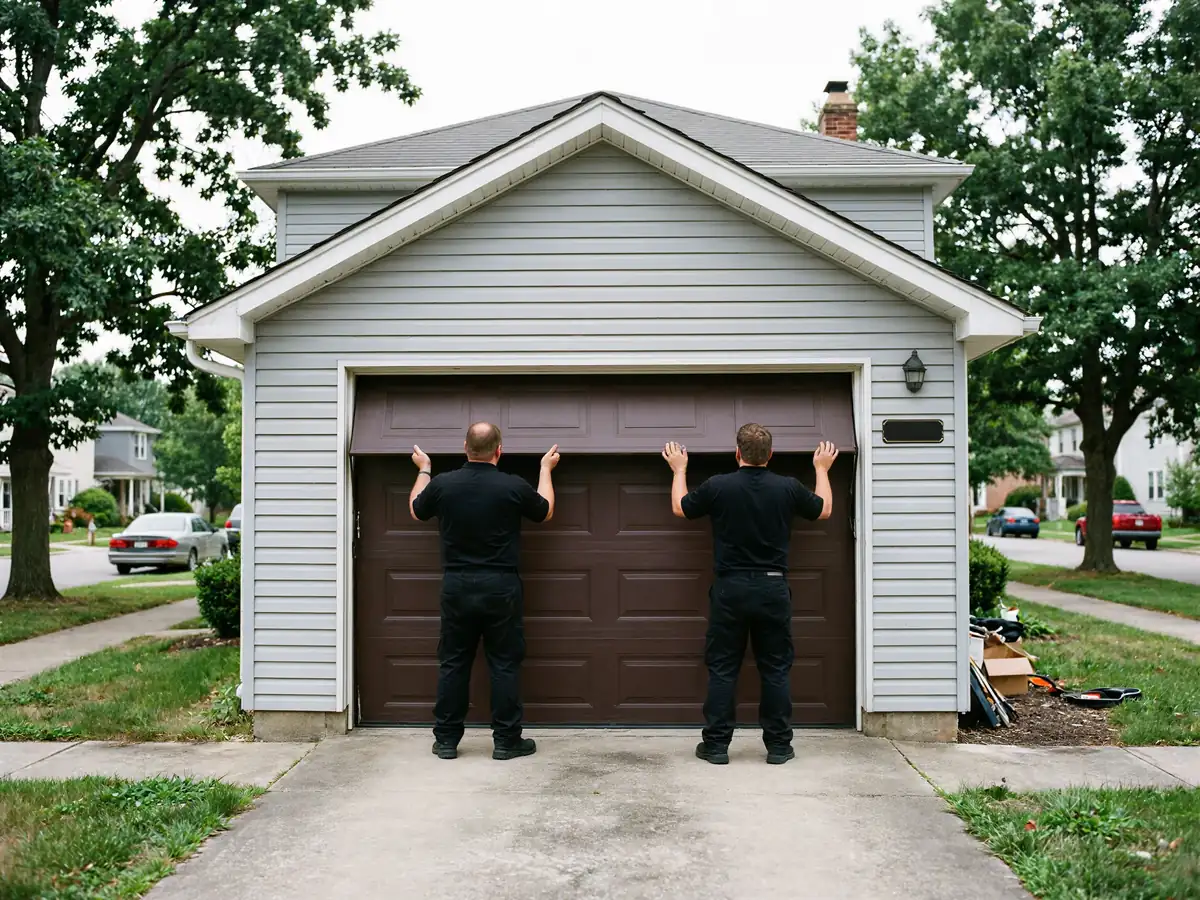
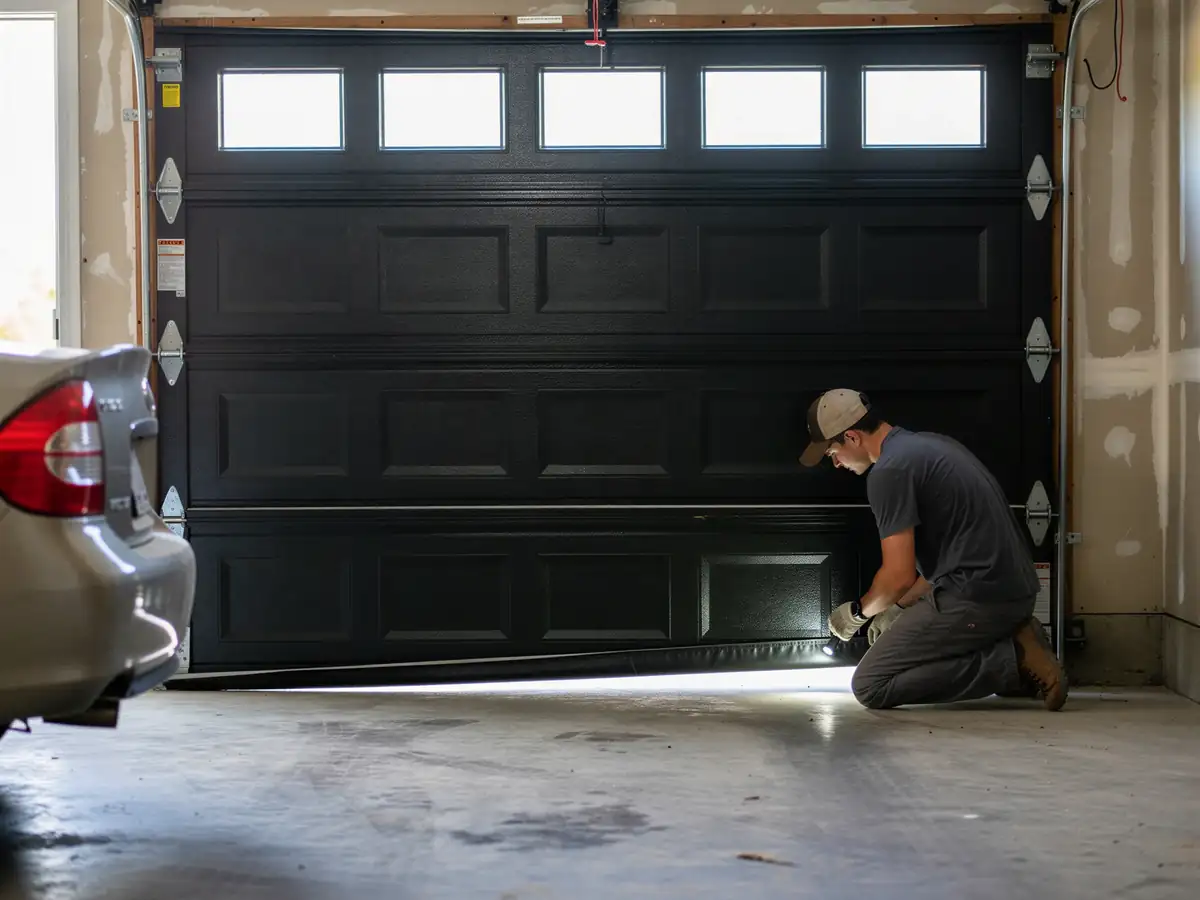
A spring replacement on a standard double door is usually a same-visit job once we're on site, and most homeowners are back to using the garage before we pack up the truck. Track misalignment and roller replacement run similarly short. Where it stretches out is the opener logic board scenario mentioned above - if the board for an older chain-drive unit isn't something we carry on the truck, that becomes a parts order, and we'll tell you honestly if that's the case before you commit to anything.
We come from Lorain, about 13 miles out, so factor that drive into when we can get to you rather than assuming a same-hour arrival. We don't keep a branch or crew stationed in Westlake - it's one truck making the trip, which is worth knowing if you're comparing us to an outfit that's based closer.
Can You Do This Yourself
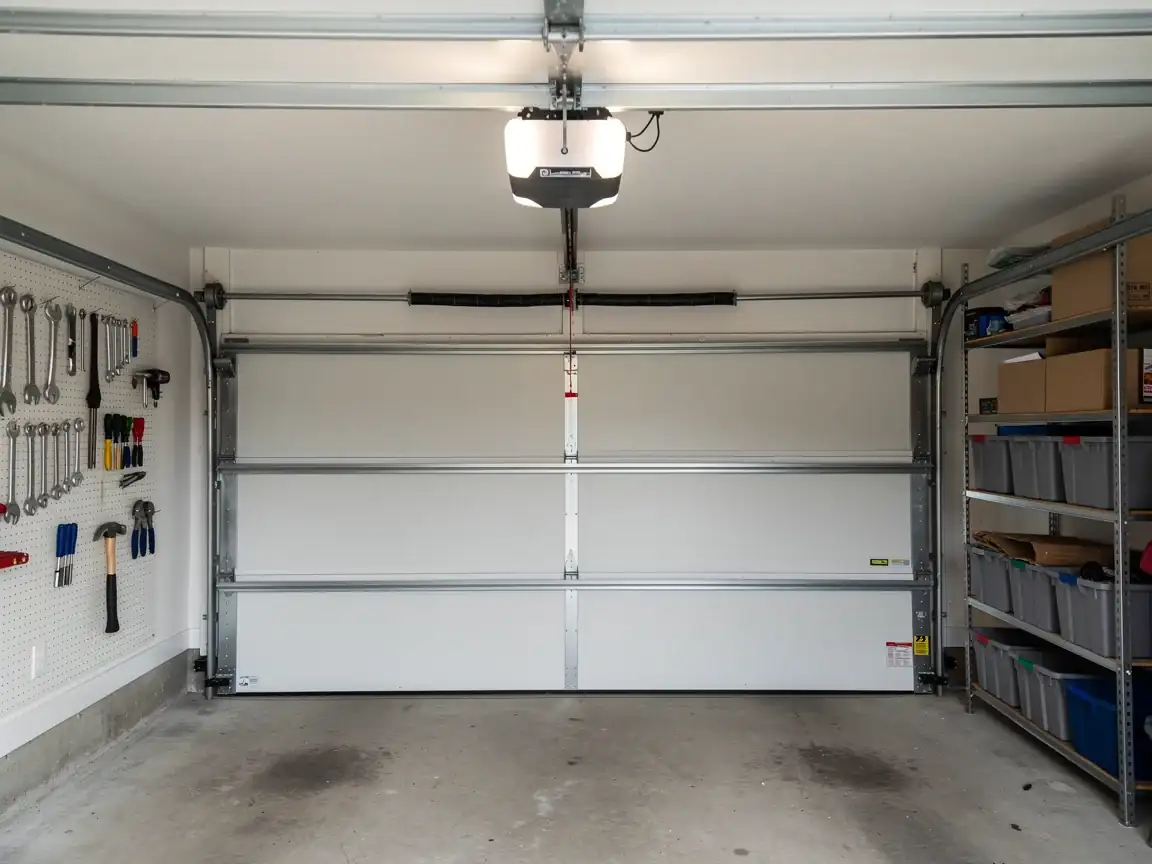
Rollers, weatherstripping, and tightening loose hardware are reasonable DIY jobs if you're comfortable on a ladder and the door is currently working. Torsion springs are not. A wound torsion spring holds enough stored energy to break a finger or worse, and the tools to do it safely aren't something most garages have lying around. If your door won't open and you can see a gap in the coil above the door, that's a torsion spring - leave it.
One honest note: if your opener is original to a 1983-era build and the logic board has failed, replacing just the board usually costs close to what a new opener costs, since parts for that generation are scarce. In that situation we'll tell you replacement is the better call rather than quoting a repair that doesn't make financial sense.
Parts We Carry
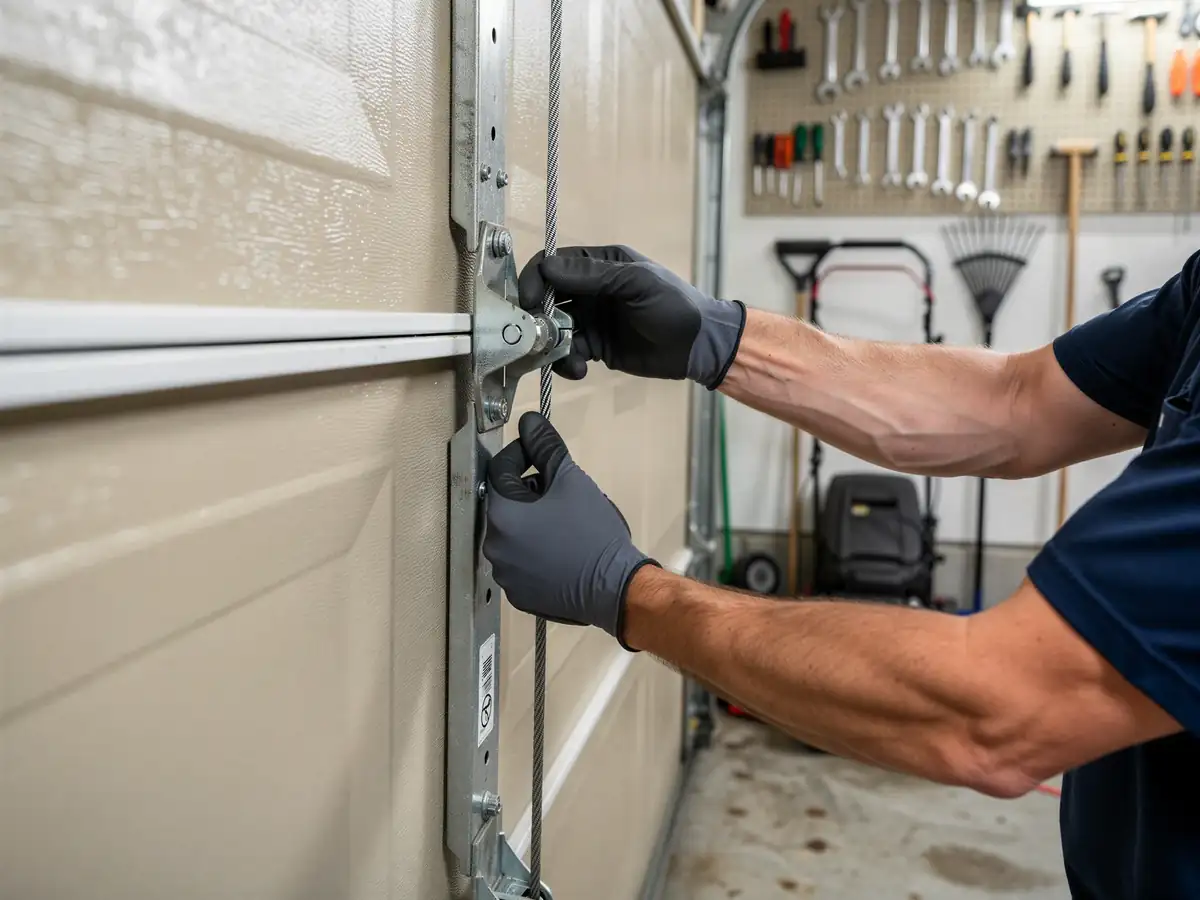
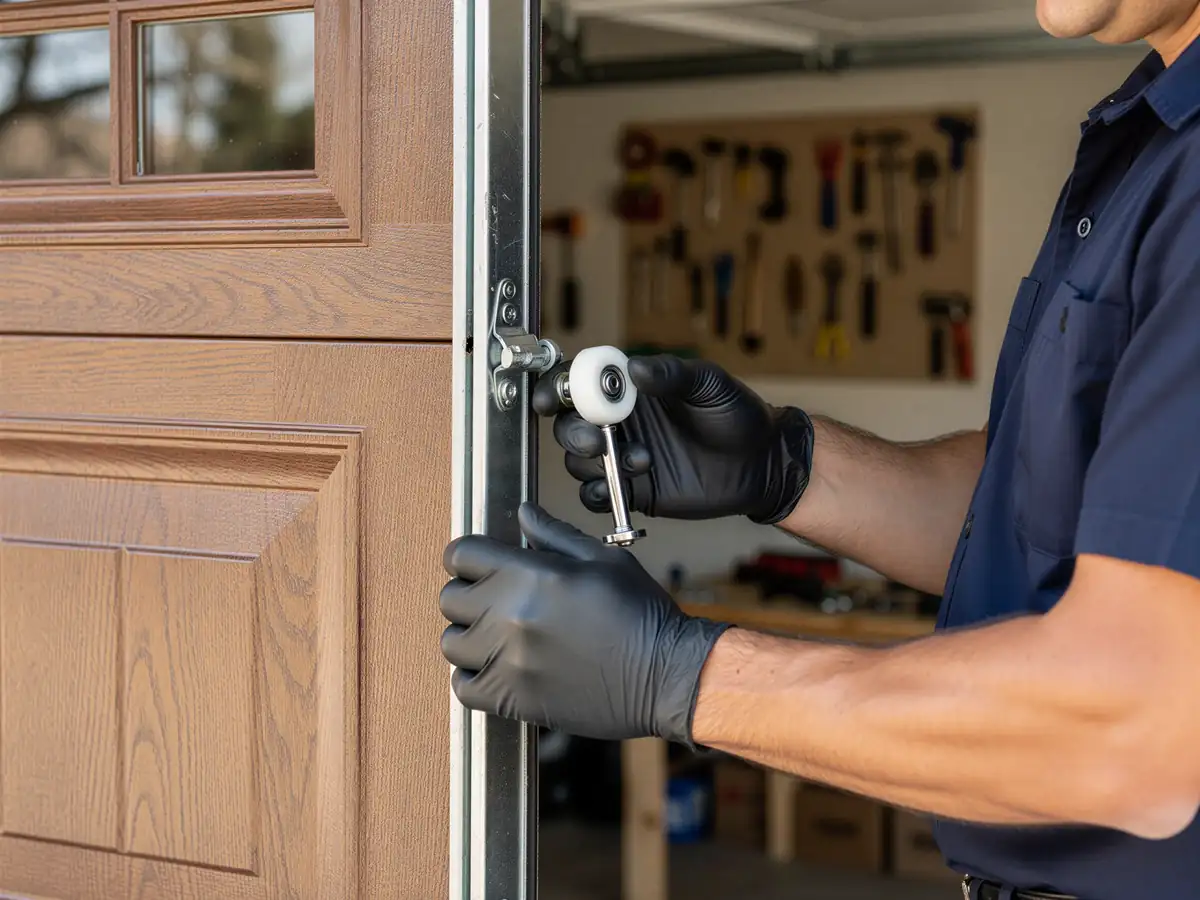
We stock standard torsion and extension springs sized for typical residential double and single doors, rollers, cables, and hinges on the truck for same-visit work. Opener parts are more hit-or-miss depending on the brand and age of the unit - a board or gear kit for a unit from the early '80s to mid '90s isn't always something we carry, since manufacturers have discontinued a lot of that generation's parts. If that's your situation, we'll quote the wait honestly rather than promise a part that isn't on the shelf.
Why It Happens Here
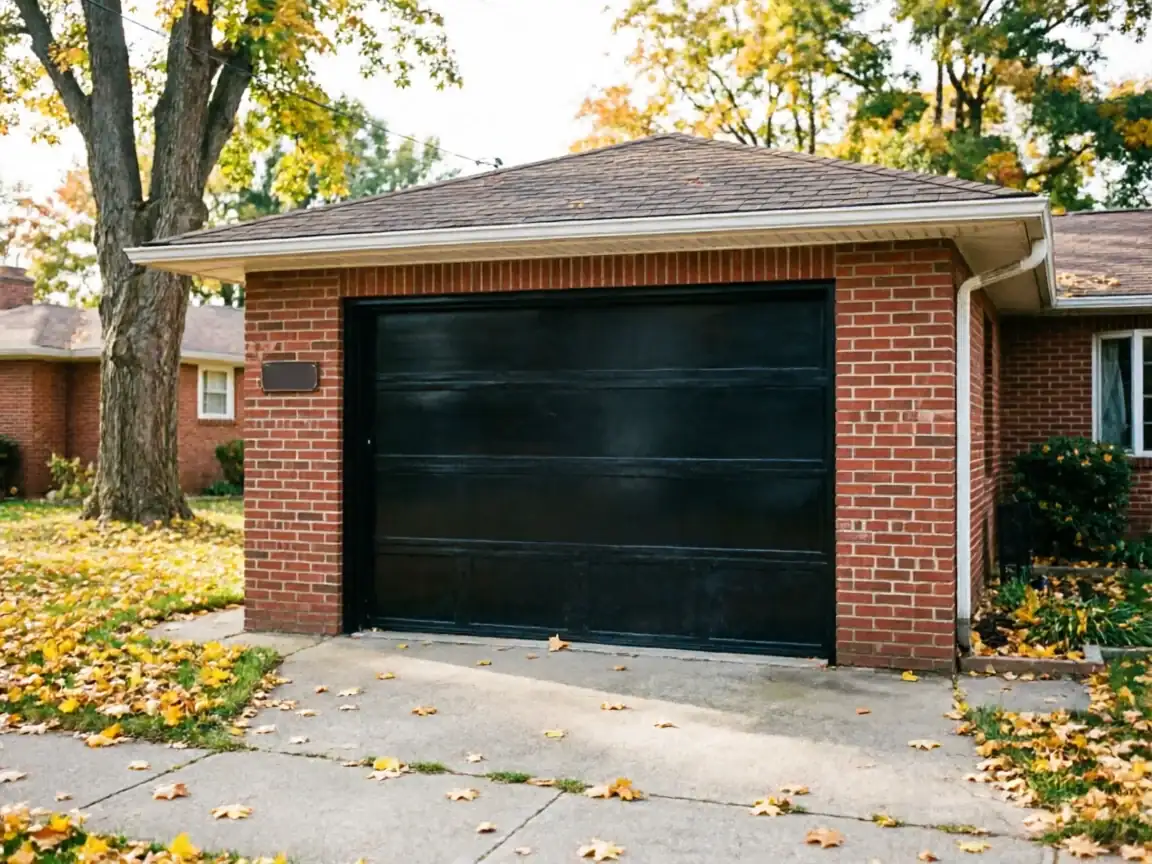
The housing stock across our service area spans 1938 to 2002, but Westlake sits well toward the newer end of that range at a median build year of 1983. That later build date means fewer of the original one-piece wood doors you'd find on the oldest housing in our coverage area, and more steel sectional doors on torsion hardware that's now 40-plus years into its service life - old enough to fail, but newer than the double-wound coils we see on 1940s houses.
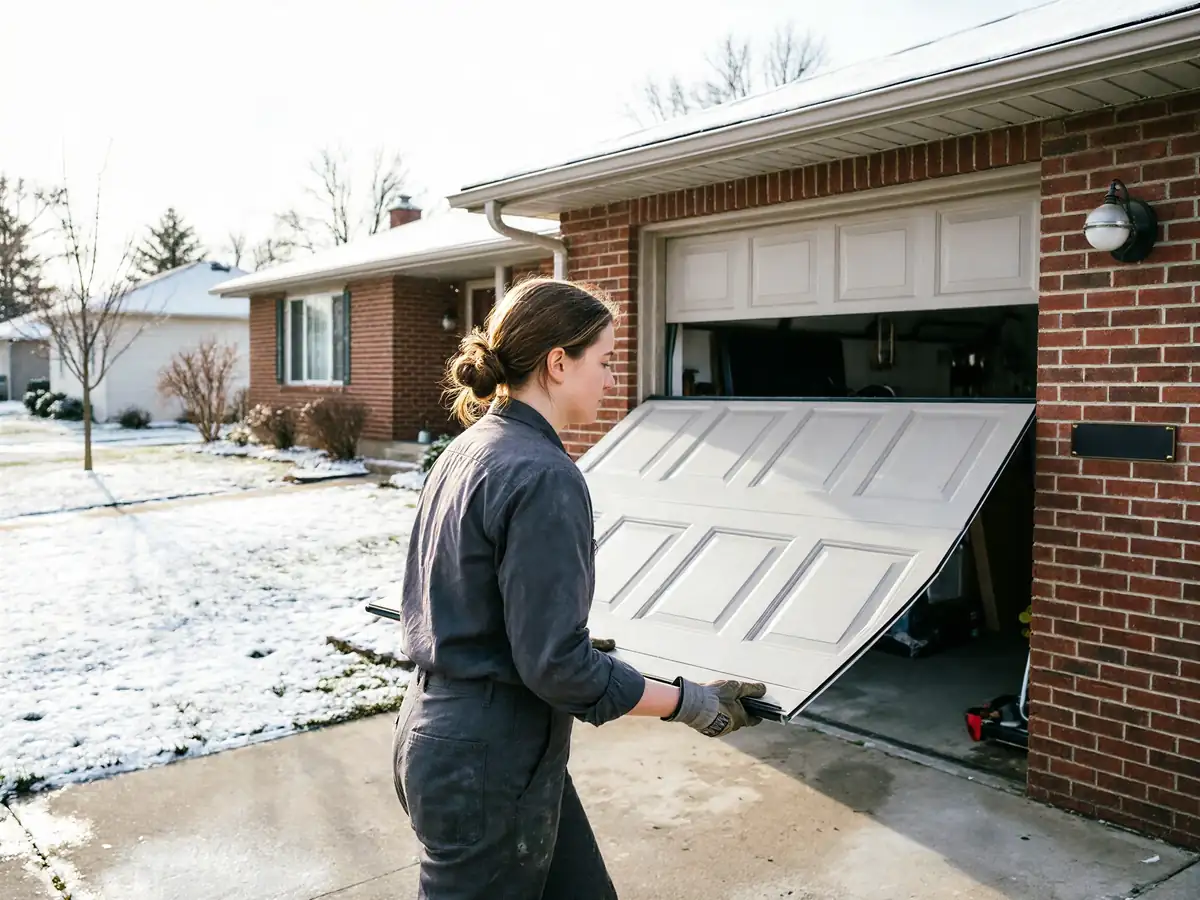
The region sits in a cold climate band with real winter swings, and cold makes brittle, aging springs more likely to snap on the first hard pull of the morning rather than fail gradually. With roughly 14,574 households in Westlake and a later housing wave than much of our territory, the failure pattern here skews toward spring fatigue and opener electronics rather than the rotted wood panels we see on the oldest stock elsewhere.