How to Book
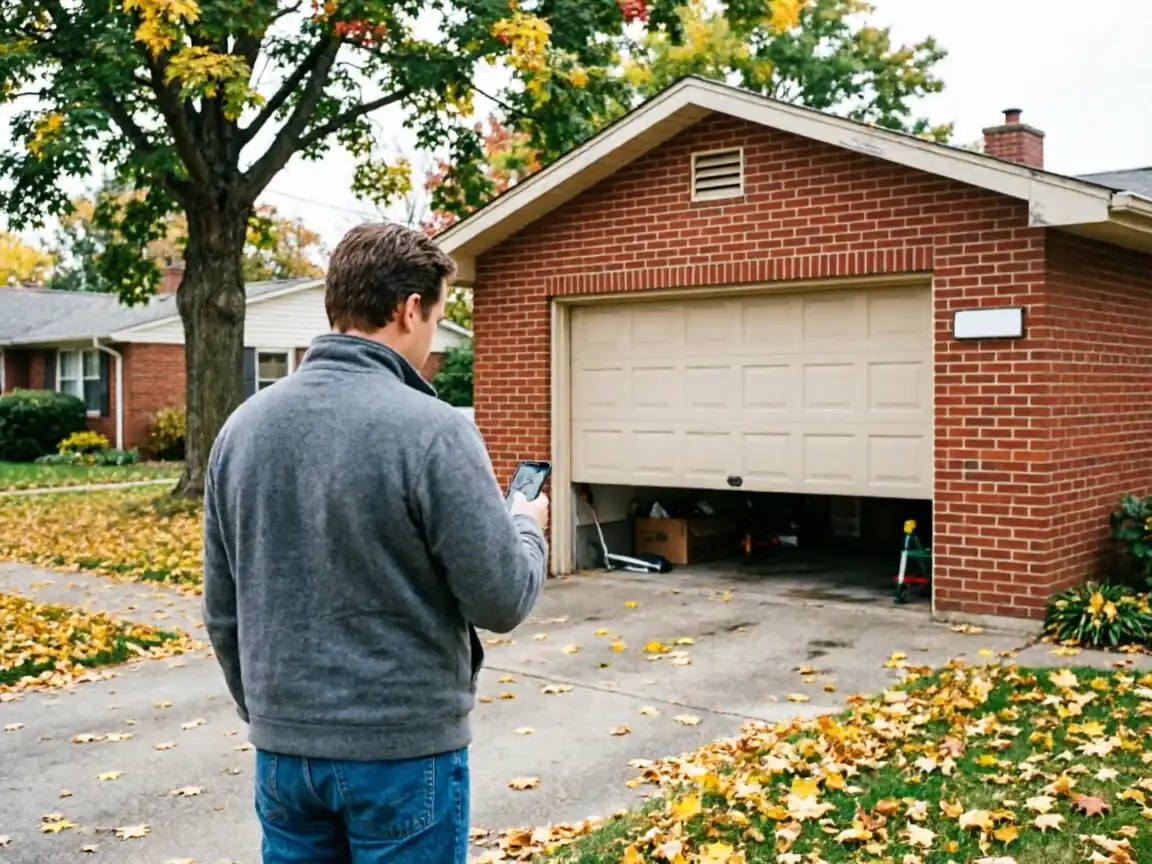
We run this job out of our Lorain shop, which puts Bay Village at about 13 miles out. That distance doesn't change what the install involves, but it does change how we plan the day - a new door job takes a full morning or afternoon, and a crew covering a 13-mile stretch to get here schedules it as one trip, not a quick add-on between two closer calls. Call ahead rather than hoping for a same-day slot; we'd rather confirm a window that holds than rush a crew back and forth across town. You can see the areas we cover, including Bay Village, on our service area page, and if you're also weighing repair versus full replacement, our main installation page for Lorain covers the broader service in more depth.
The Complications
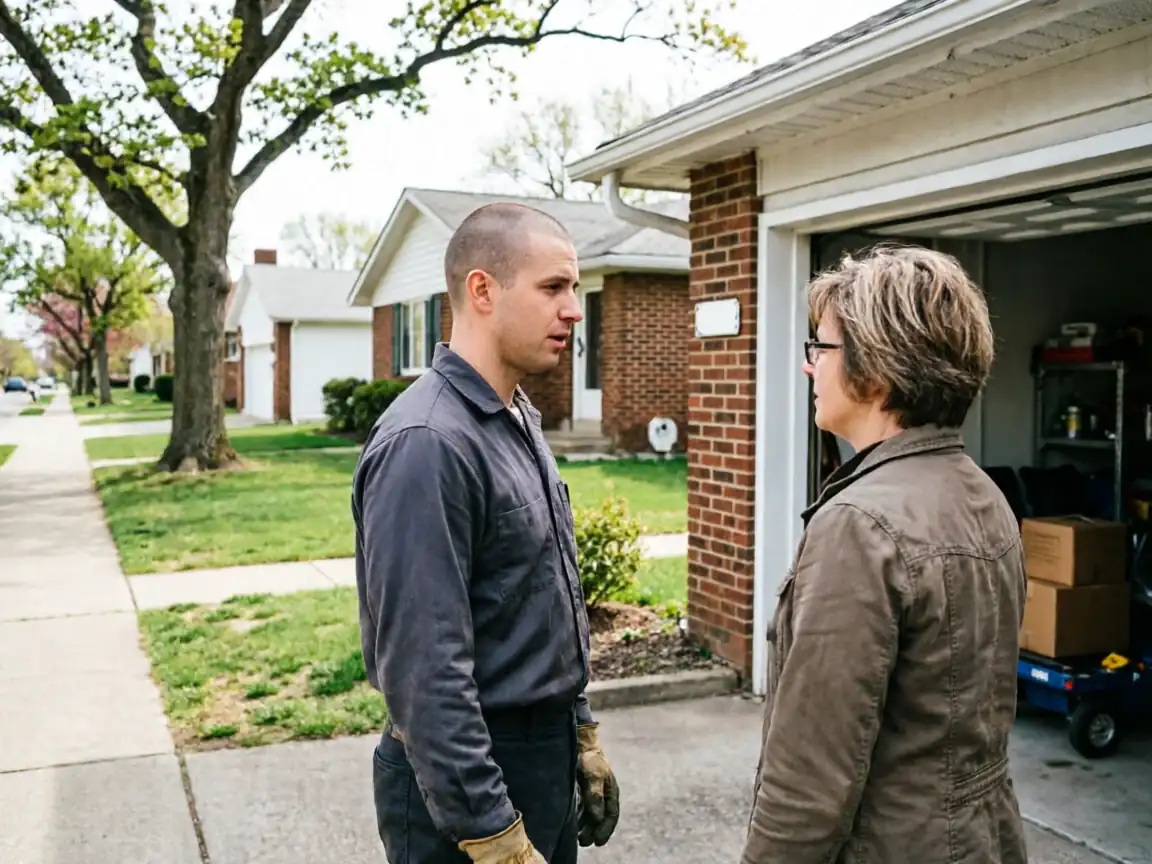
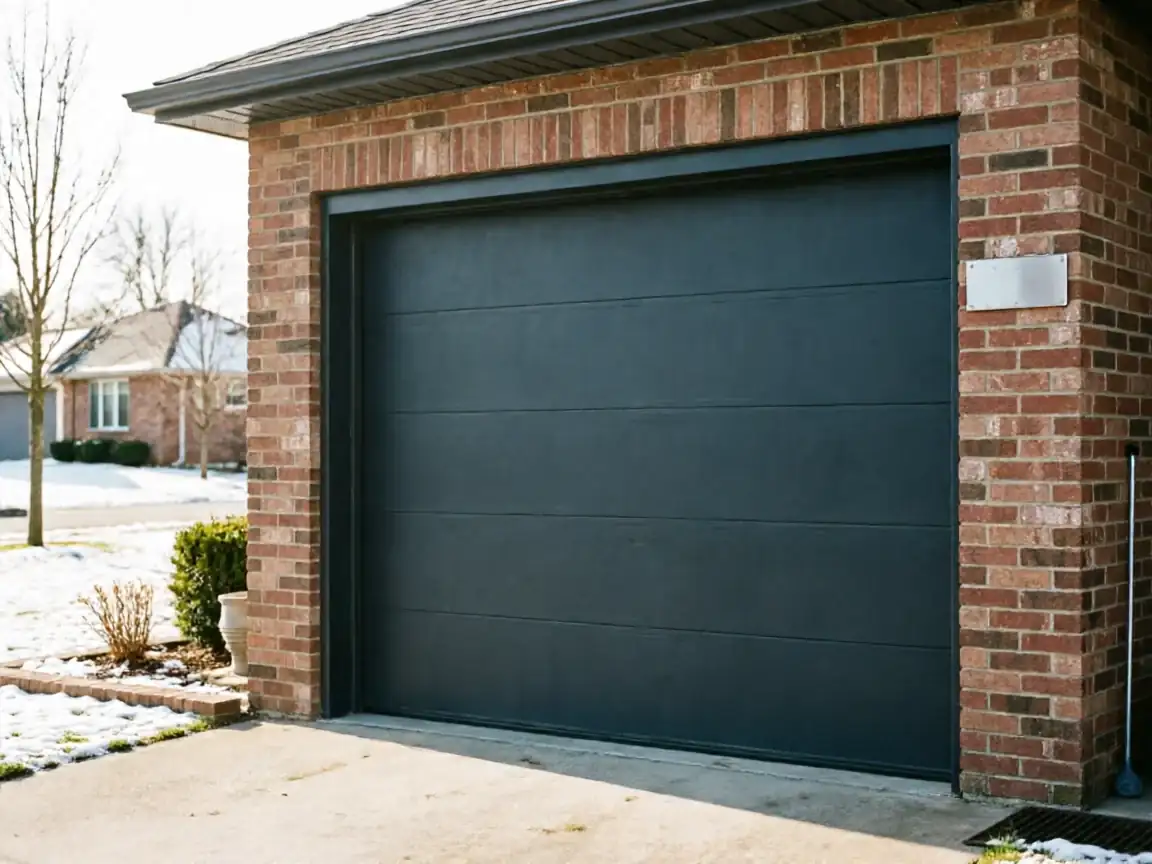
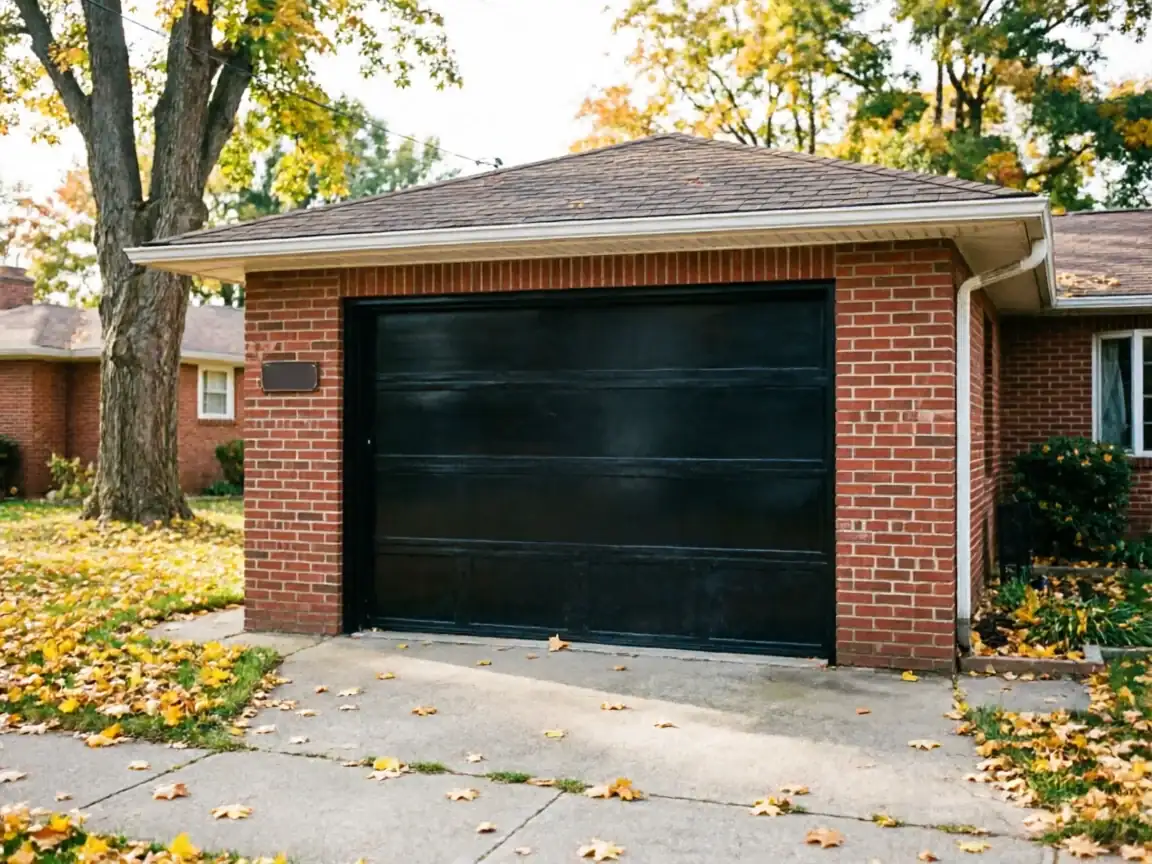
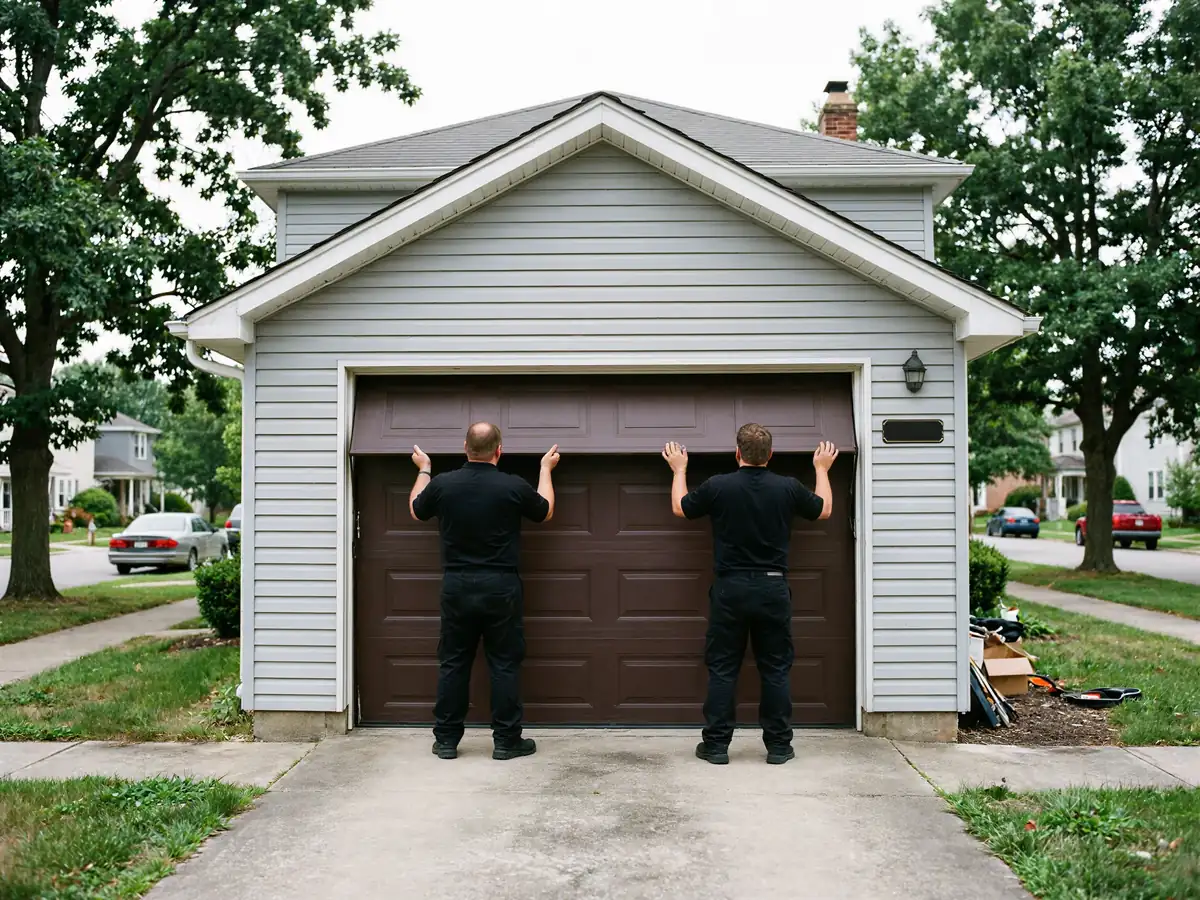
The complication we run into most in Bay Village isn't the door - it's what's behind it. Houses here cluster around a median build year of 1959, which is early enough that a good share of garages still have the original framing and header height, sized for doors that aren't made anymore. A new 16-foot door dropped into a 1959 opening sometimes needs the header reinforced or the track remounted to clear a lower ceiling than modern doors assume. We won't know until we're standing in the garage. One honest limit: if the opening is out of square by more than a small amount, or the header's rotted, that's carpentry work before it's a garage door job, and we'll tell you that up front rather than force a door into a frame that will bind it within a year.
Why It Happens Here
Bay Village sits in a cold-moderate climate zone, same as the rest of the Lorain service area, which means winter temperature swings put real stress on a garage door's seals, springs, and any wood trim around the opening. Combine that with a housing stock centered on 1959 construction and 6,104 households, and you get a town where a lot of original garage openings are still carrying doors and hardware two or three generations past what they were built for. The steel, springs, and insulation standards available now are well ahead of what went into a garage door in 1959, so even a straightforward swap tends to improve how the door performs in winter, not just how it looks.
What the Fix Involves
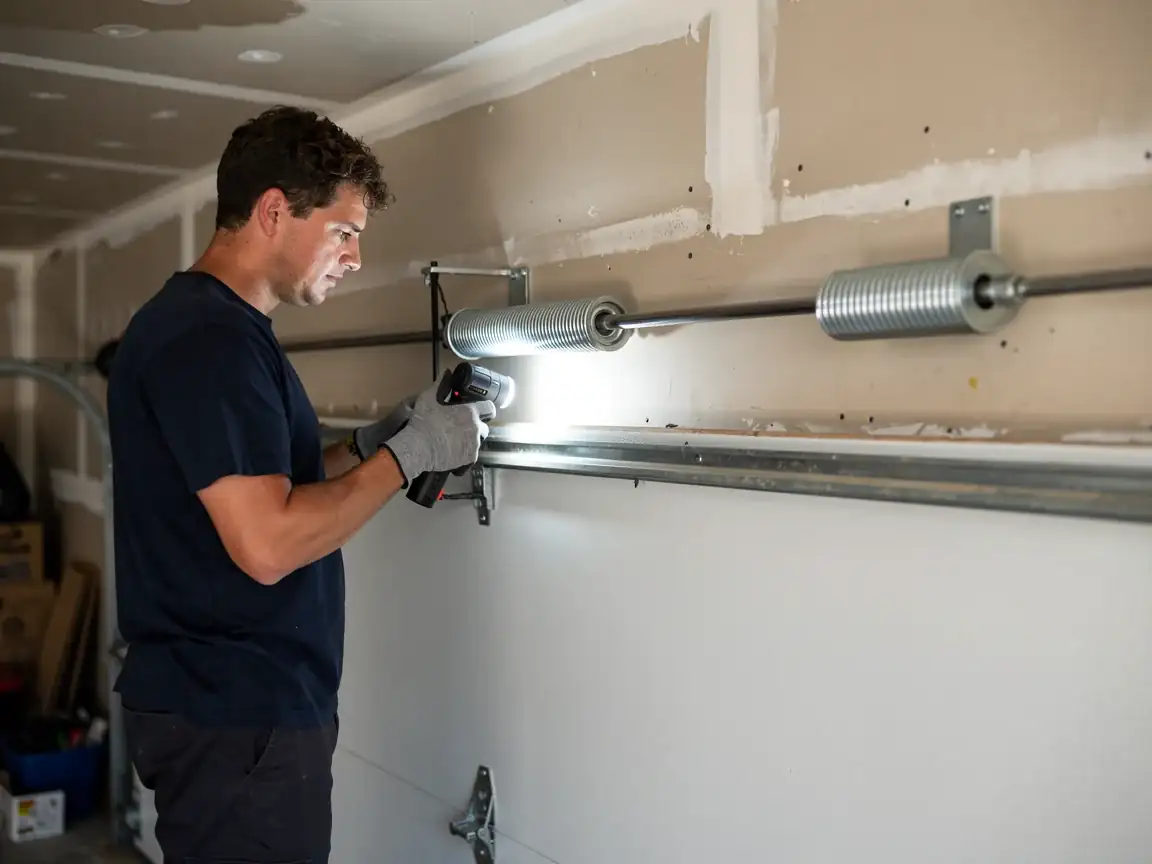
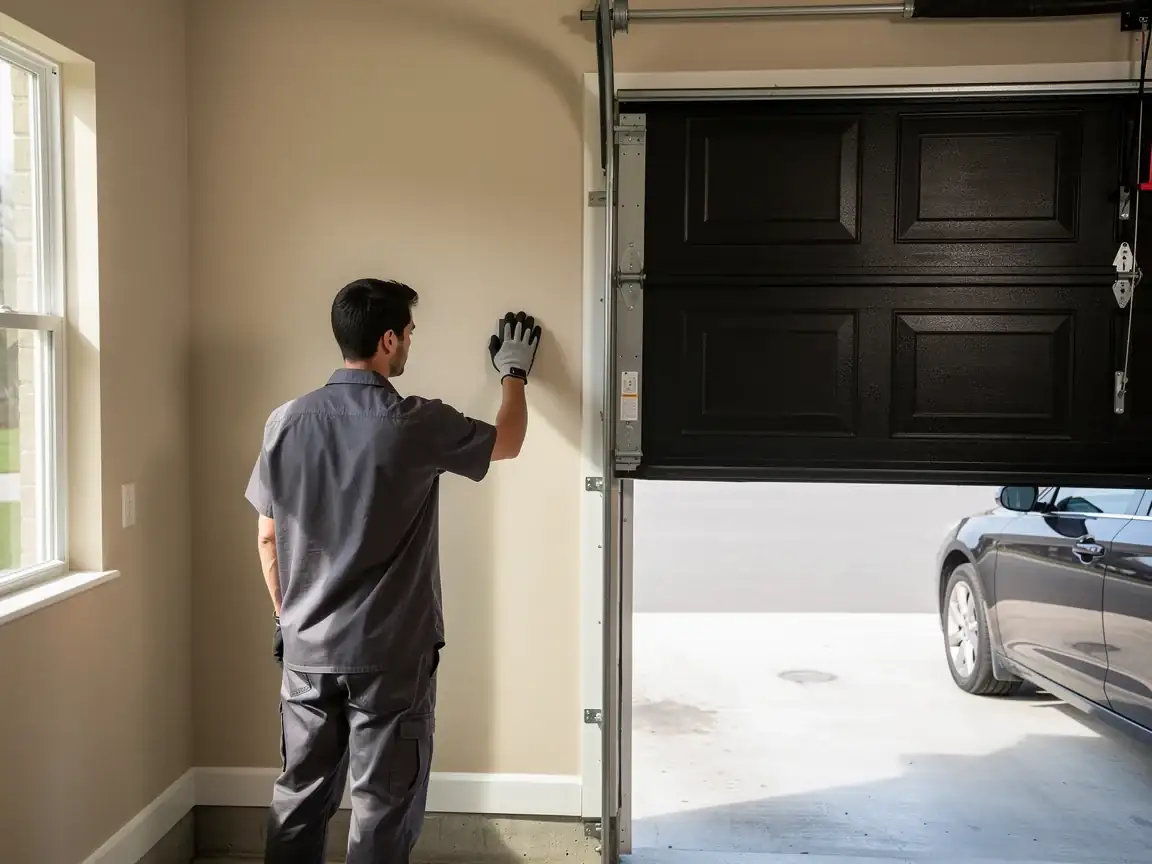
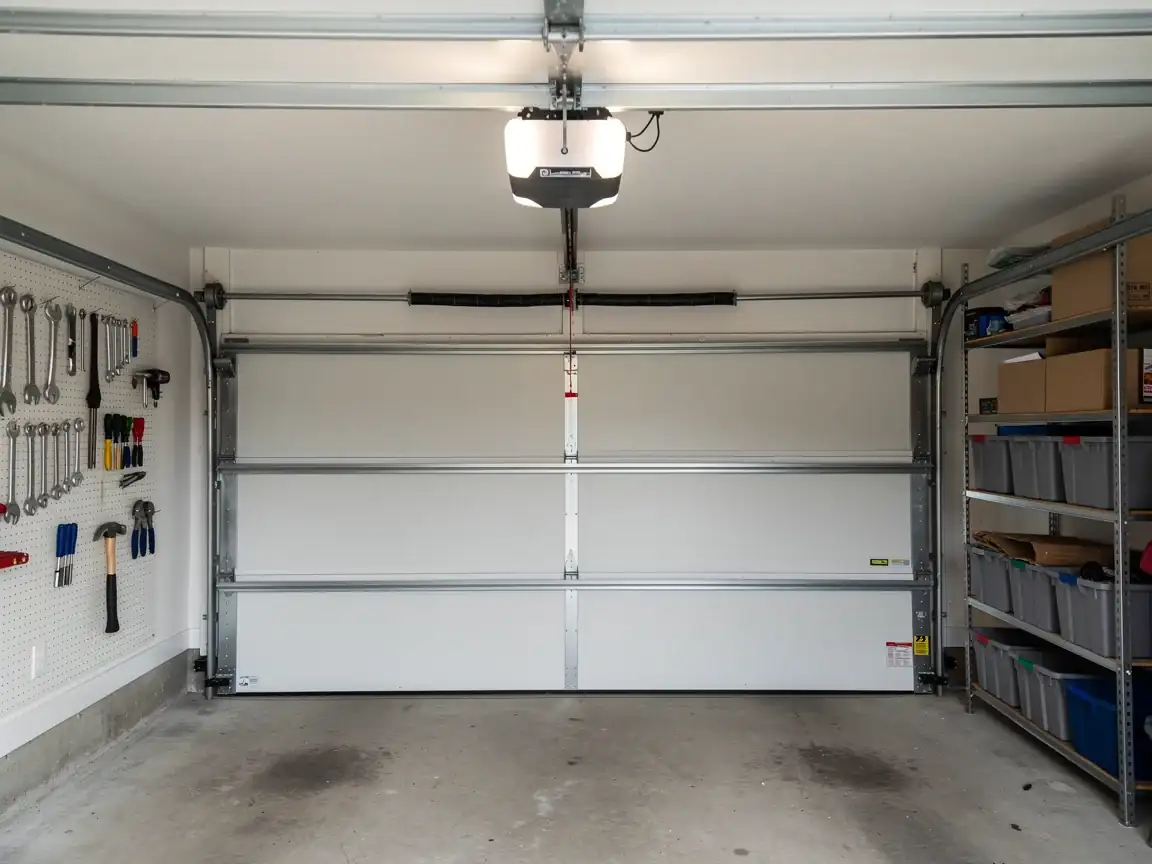
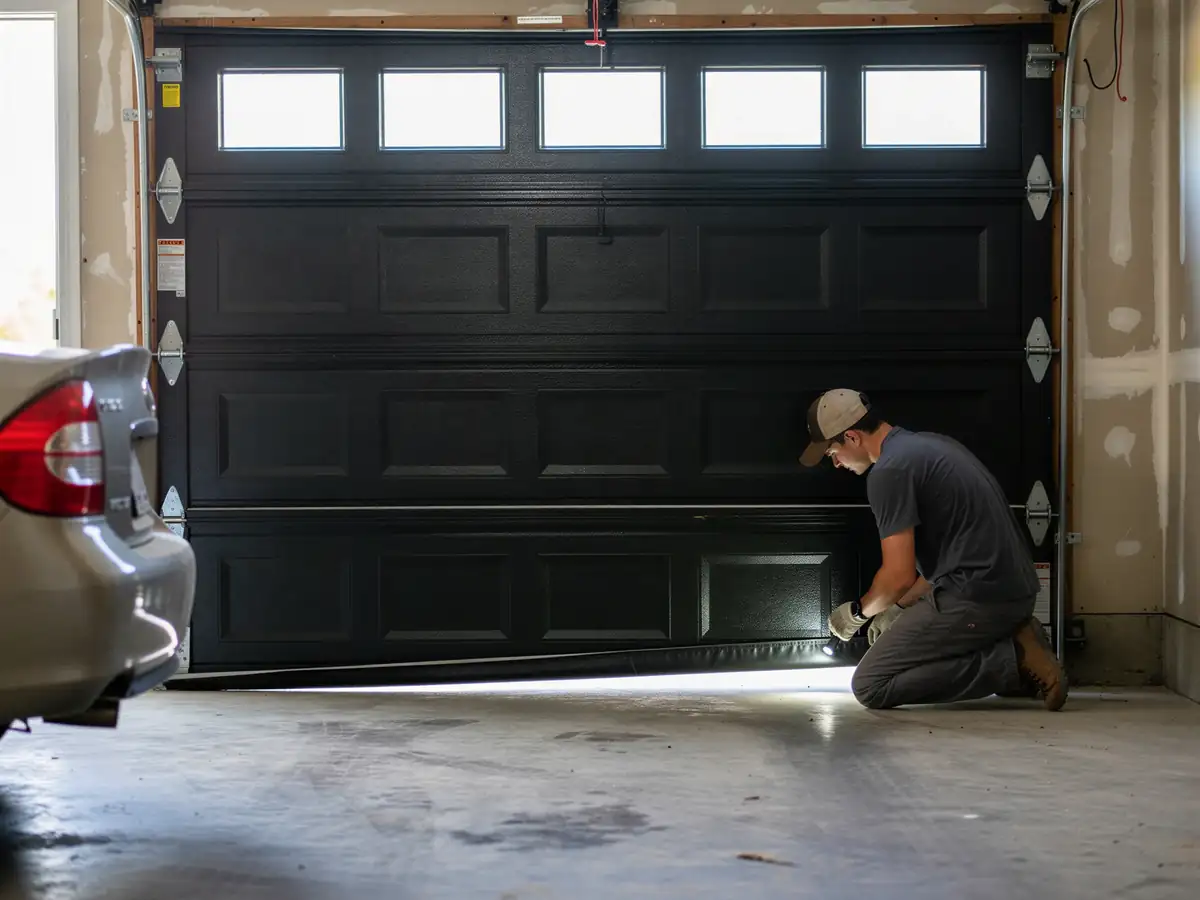
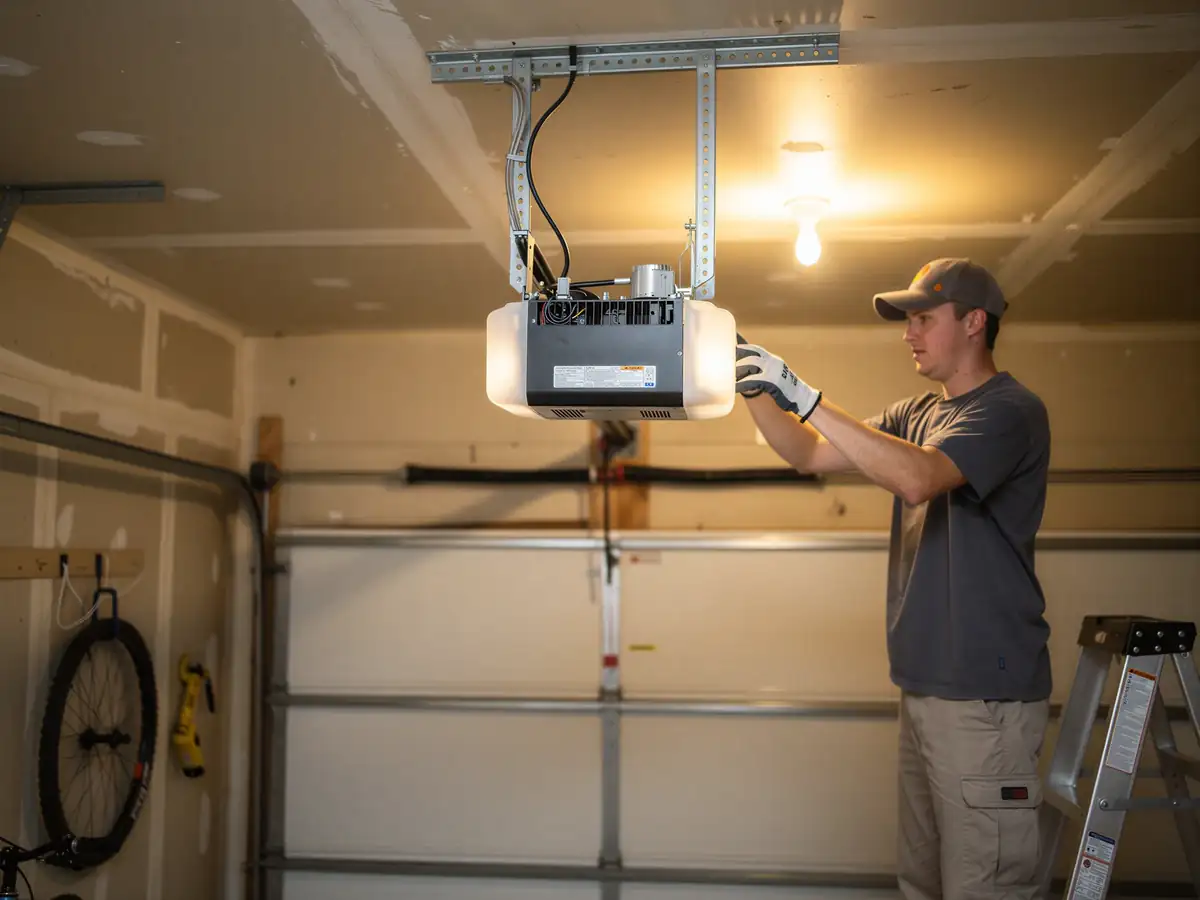
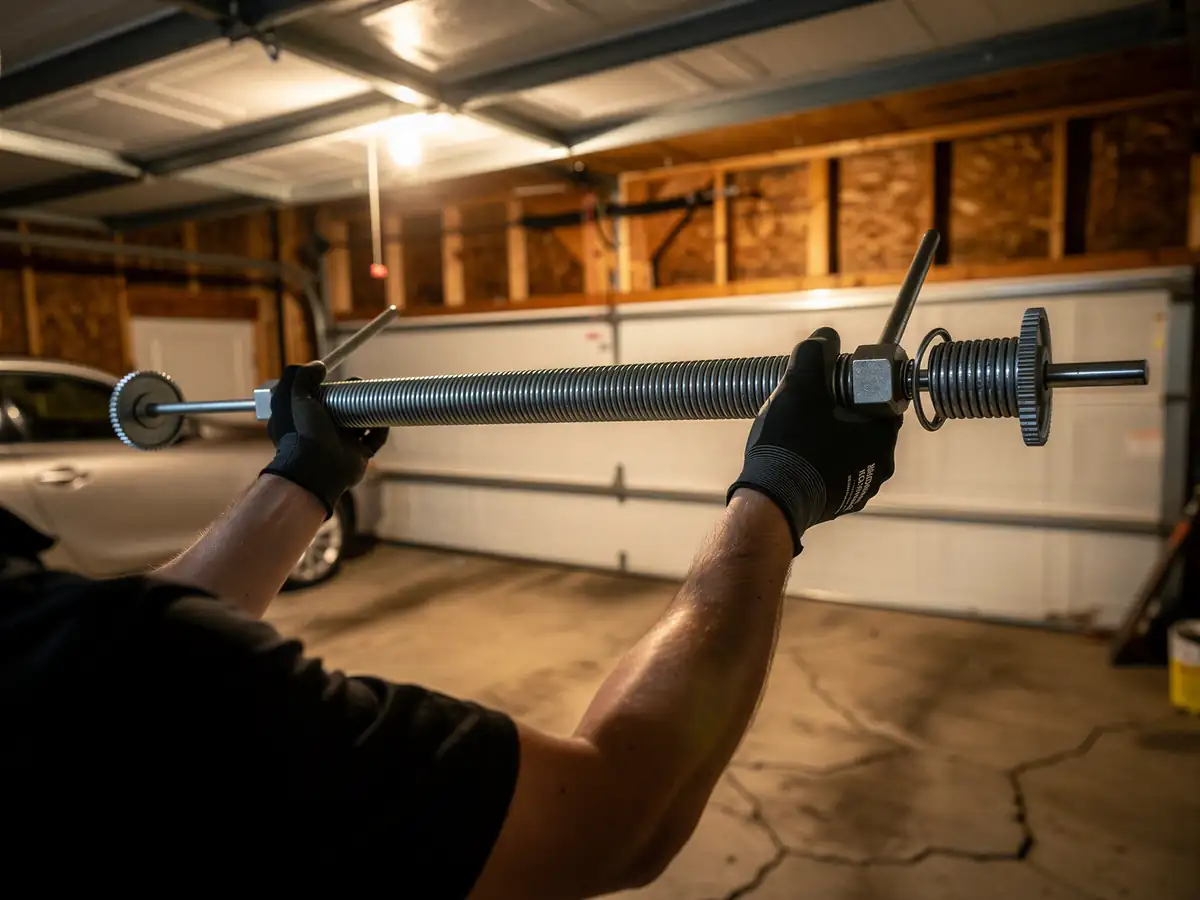
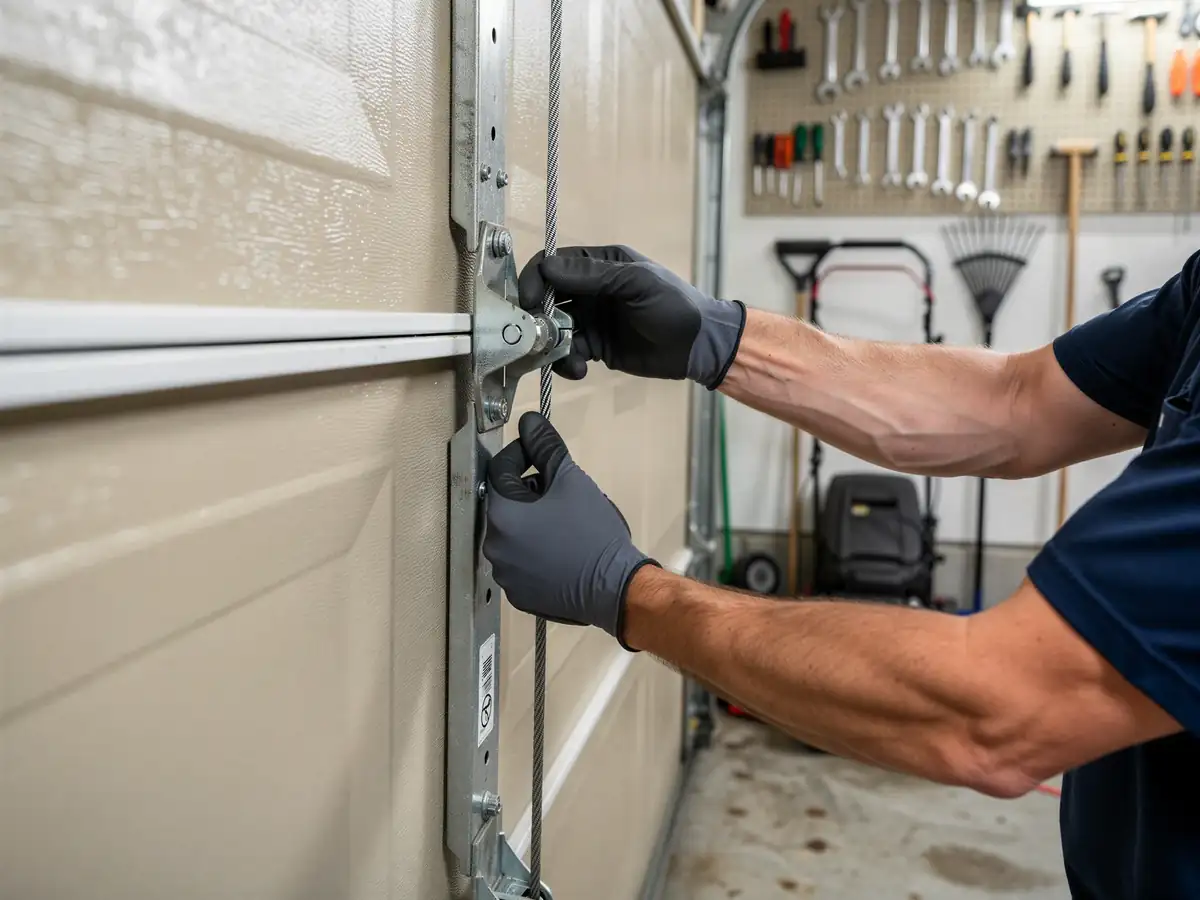
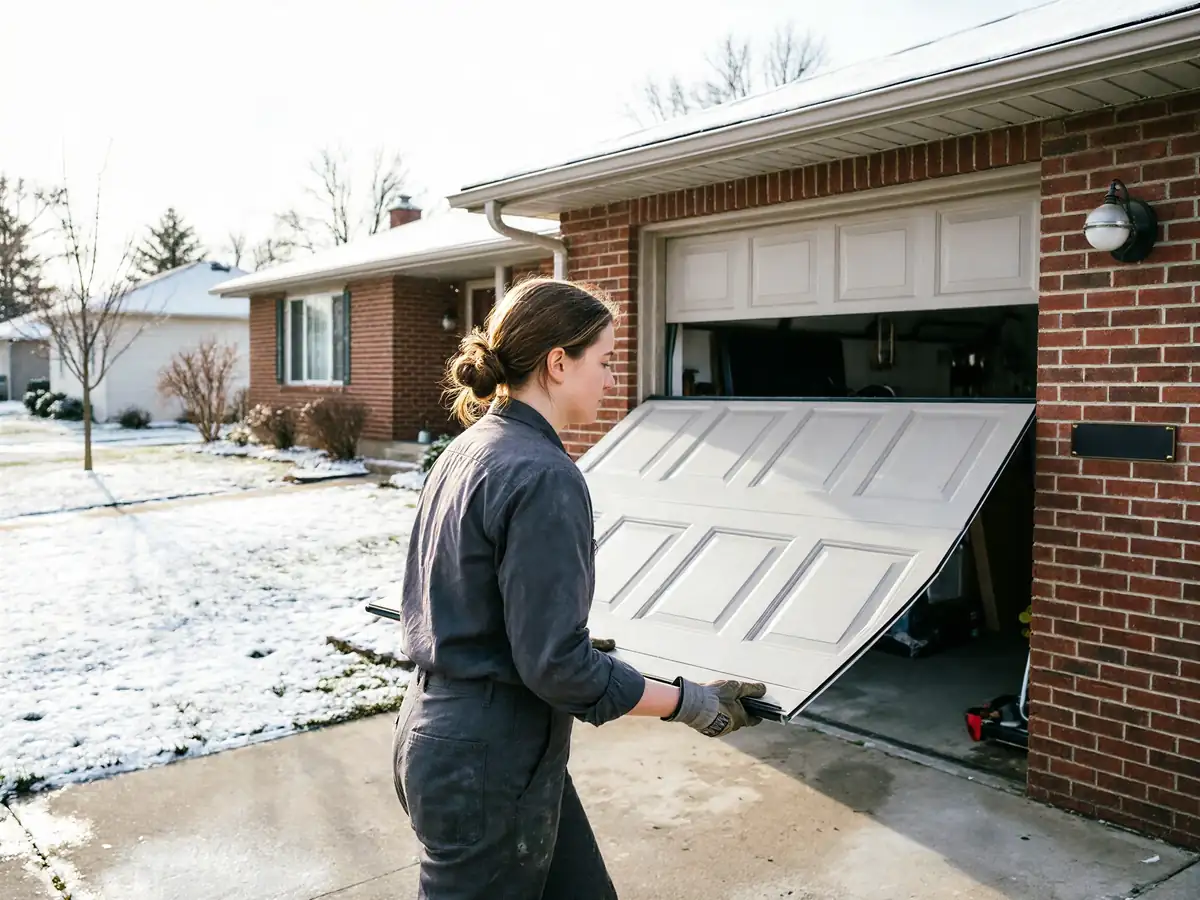
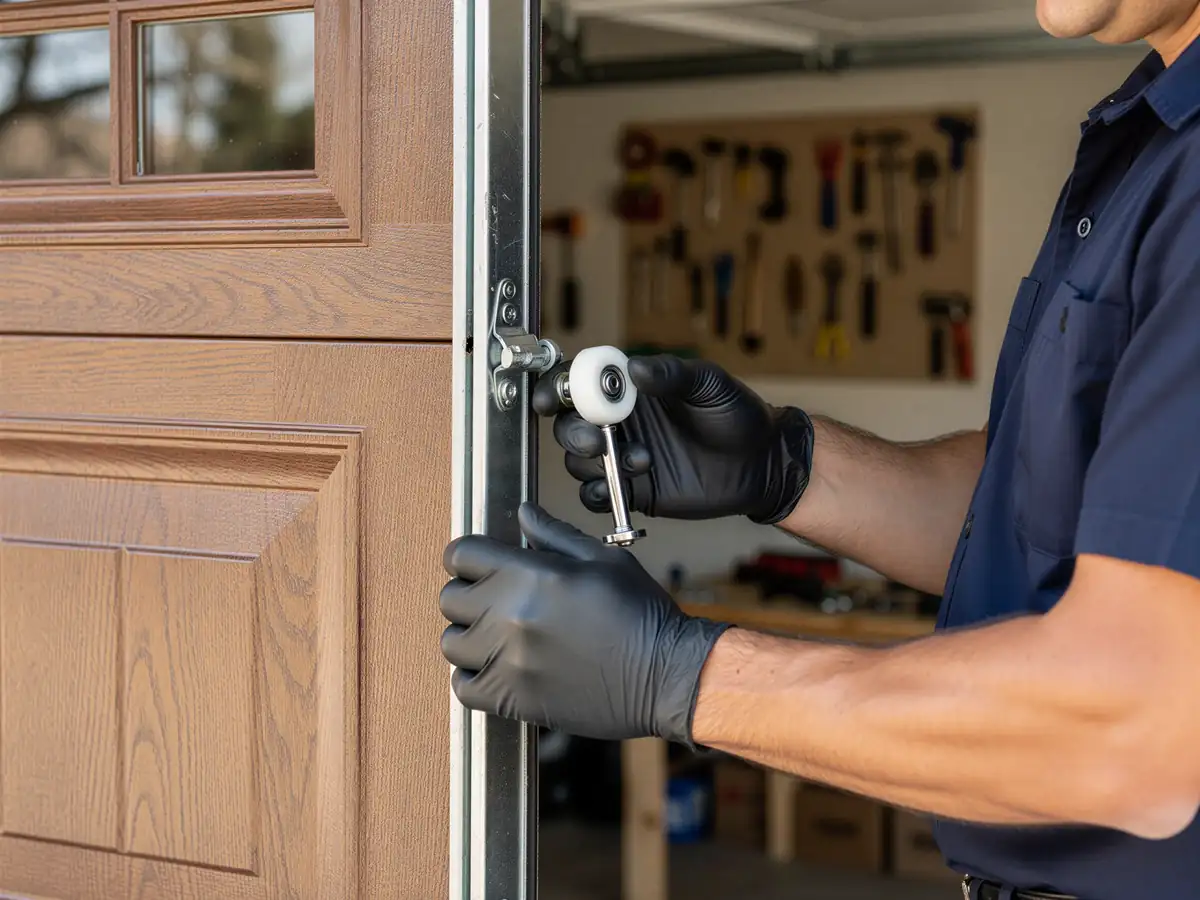
A new install starts with measuring the existing opening against the header clearance and track path, since houses from this era don't always match current standard dimensions. We remove the old door and track, check the header for rot or movement, and set new track and springs sized to the new door's weight rather than reusing old spring tension, which is a common shortcut that leads to an opener straining within a year. Once the door's hung and balanced, we test the opener's force and travel settings against the new door, not the old one's settings. If the opening needs structural work first, we'll say so before we start, not after we've already pulled the old door off.