How to Book
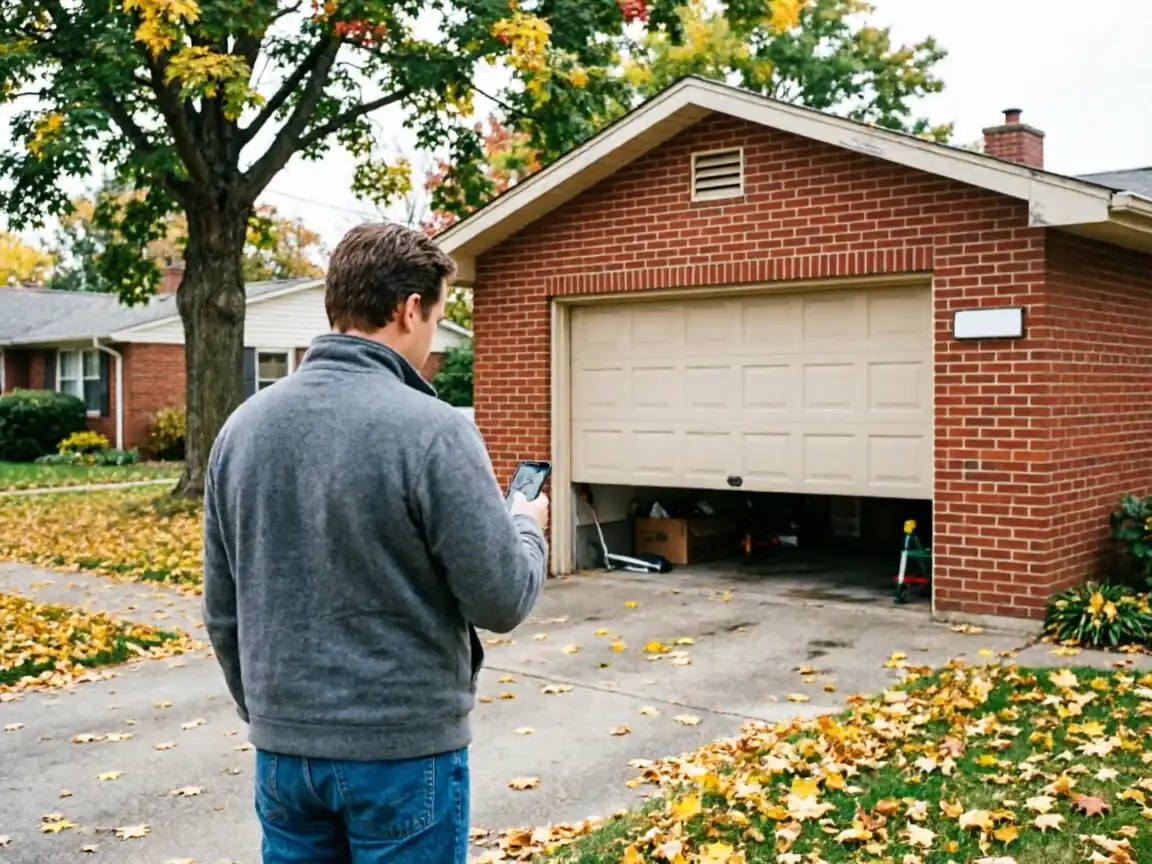
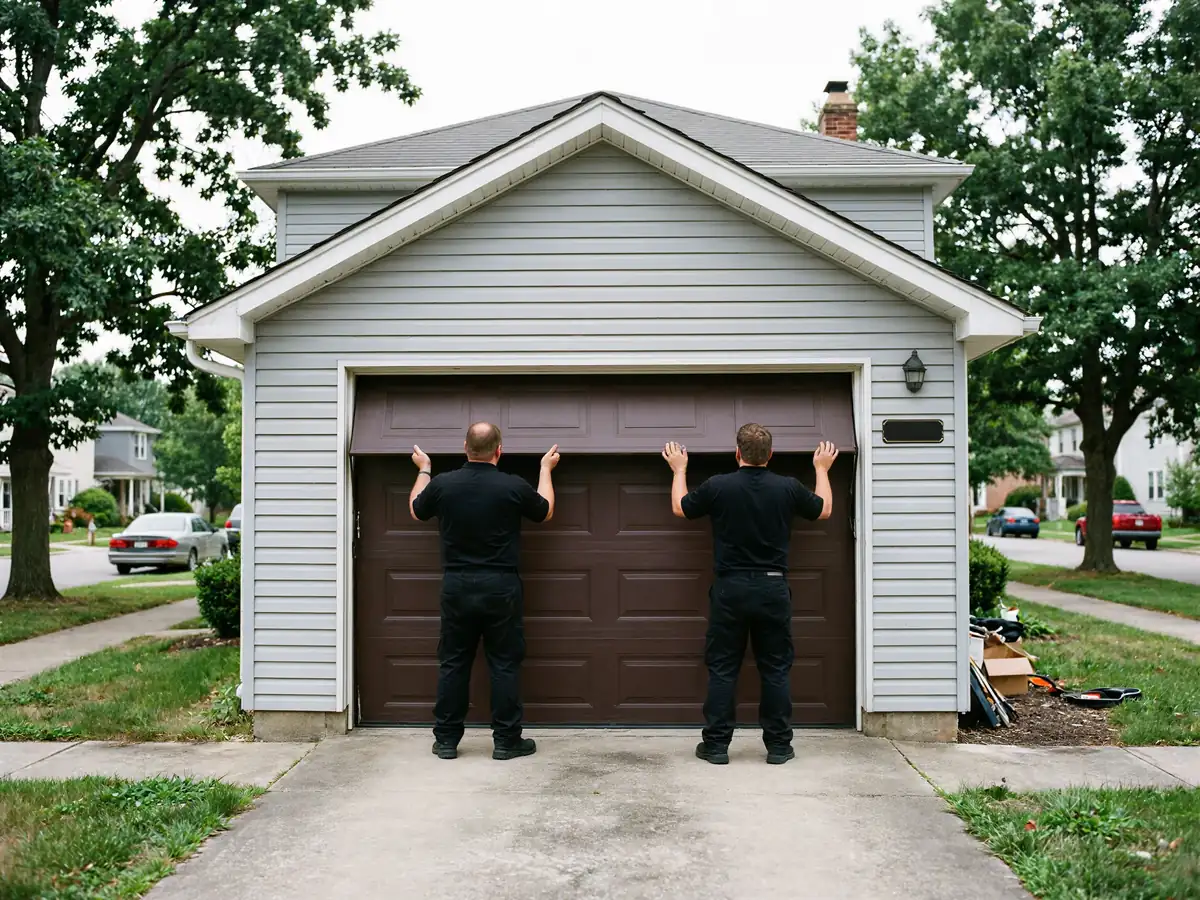
We run this job out of Lorain, about 13 miles from Bay Village, and we don't keep a separate branch or drop-box here - every call routes through the same shop that handles the rest of the area. That means no same-day guarantee we can print on a page; it means a truck that comes from Lorain and a crew that knows the hardware common to houses built around 1959. Call ahead and tell us the door's age and whether it's wood or steel - that one detail changes which parts we load before we leave the shop. You can see which parts of the wider area we cover on the areas page, and if your job turns out to need something outside a repair - a full opener swap, a new insulated door - that's covered on our main Lorain page, not here.
The Complications
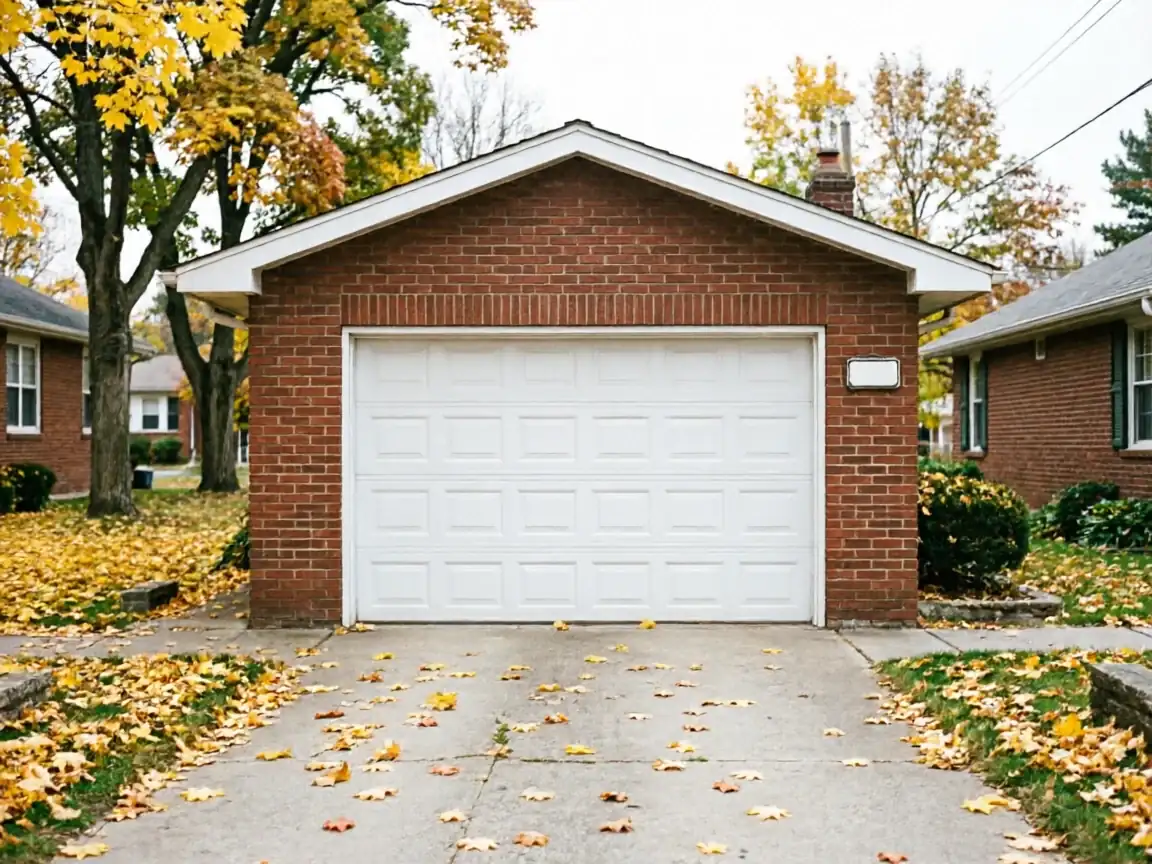
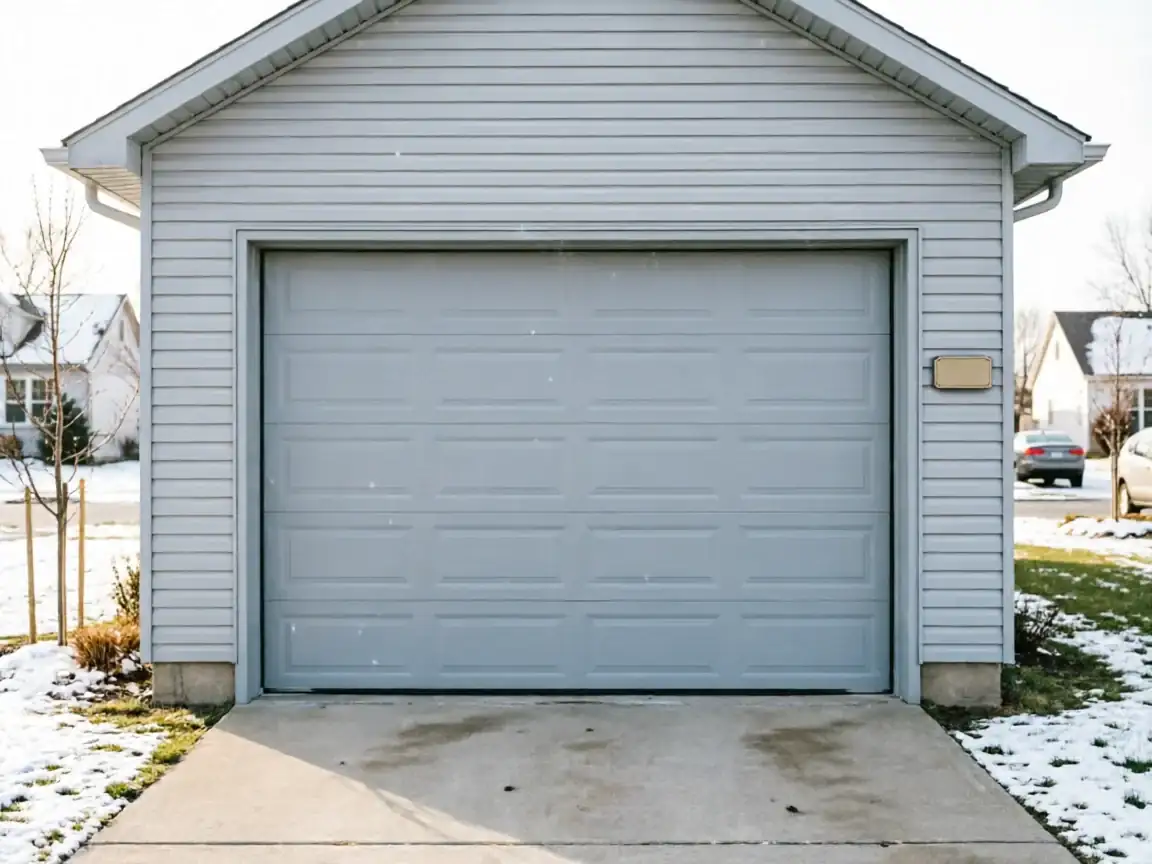
Houses on this end of our territory are older than the service-area average - median build year in Bay Village runs to 1959, a decade or more ahead of the 1960s-70s stock that makes up most of the other 21 communities we work in. Older means the track hardware is often original: narrower rail, lighter lift cable, and in some cases a spring sized for a door half the weight of what owners have since hung on it after a steel retrofit. We also work in a cold-moderate climate band, which means freeze-thaw cycling on original steel track - the kind that pits and seizes rollers over a long enough winter. None of that is unique to one street or one house, but it's consistently true of a 1959-era door in a way it isn't true of a door built in 1985. The real complication is figuring out, before we touch anything, whether the hardware under the door is original or already a prior owner's patch job, because those two situations call for different parts.
Why It Happens Here
Bay Village's housing stock centers on 1959, among the older clusters in the 22 communities this company reaches from Lorain, where the broader median build year runs closer to 1968. That decade matters for a garage door because torsion spring sizing, track gauge, and even door panel thickness all shifted over the following years as doors got heavier and openers more common. A door hung in 1959 was built for hand-lift, then retrofitted for an opener later - often without resizing the spring to match. Across roughly 6,104 households in Bay Village, that's a lot of garages carrying hardware that was never matched to the load it's now being asked to lift. It's not a flaw in how the houses were built; it's just the gap between 1959 engineering and 2020s equipment, and it's the single biggest reason this town's calls skew toward spring and cable failure rather than opener electronics.
What the Fix Involves
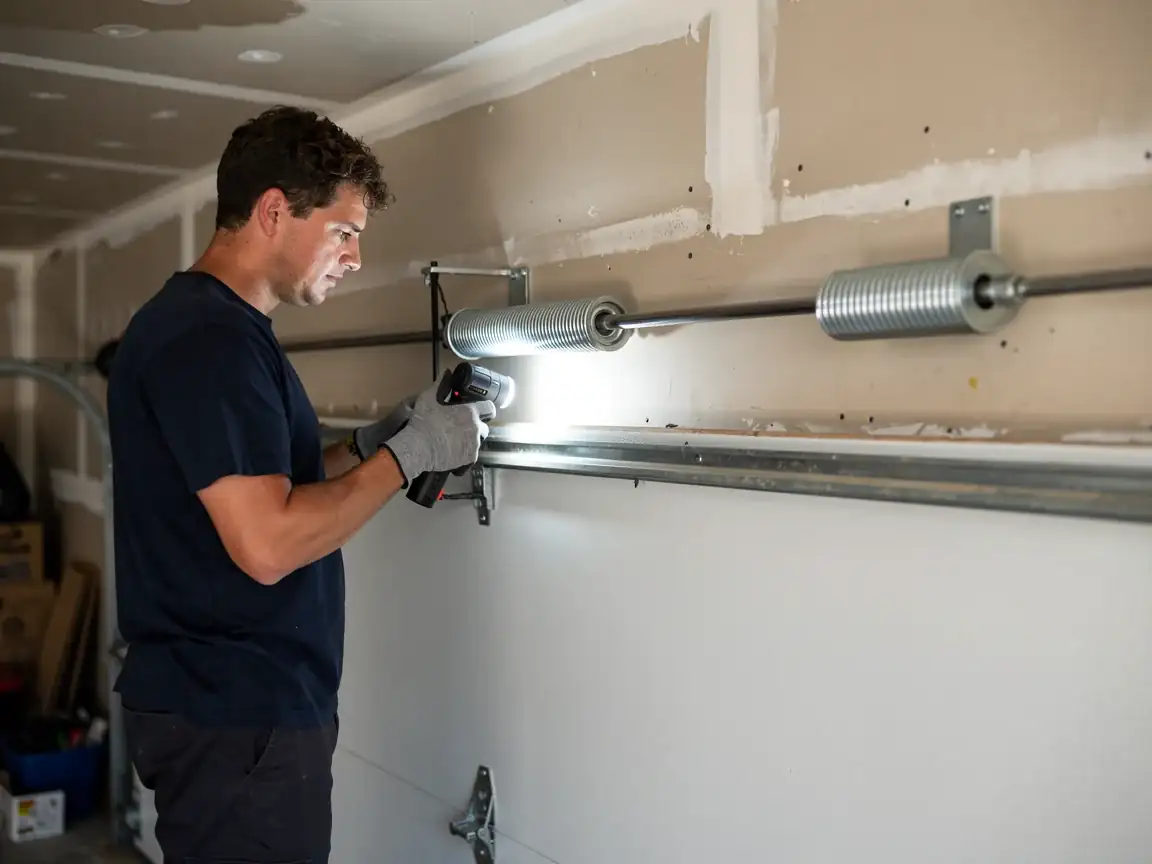
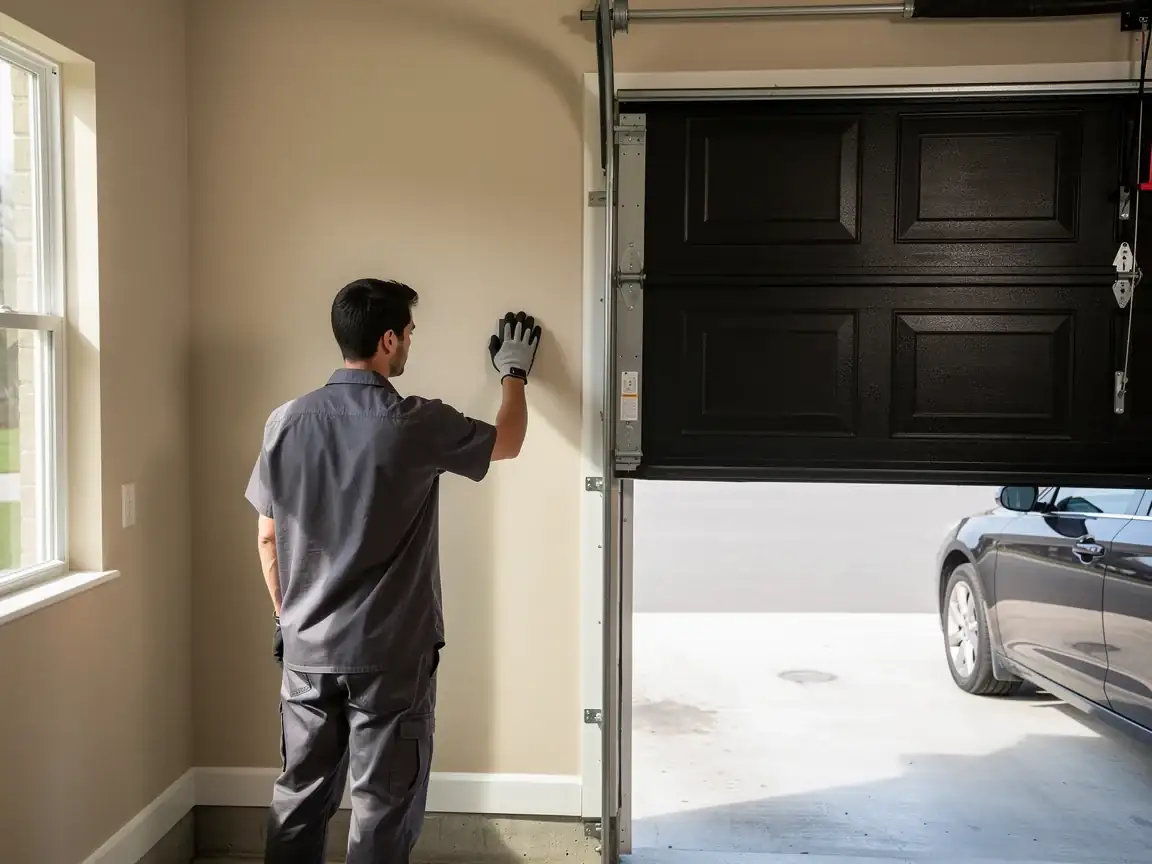
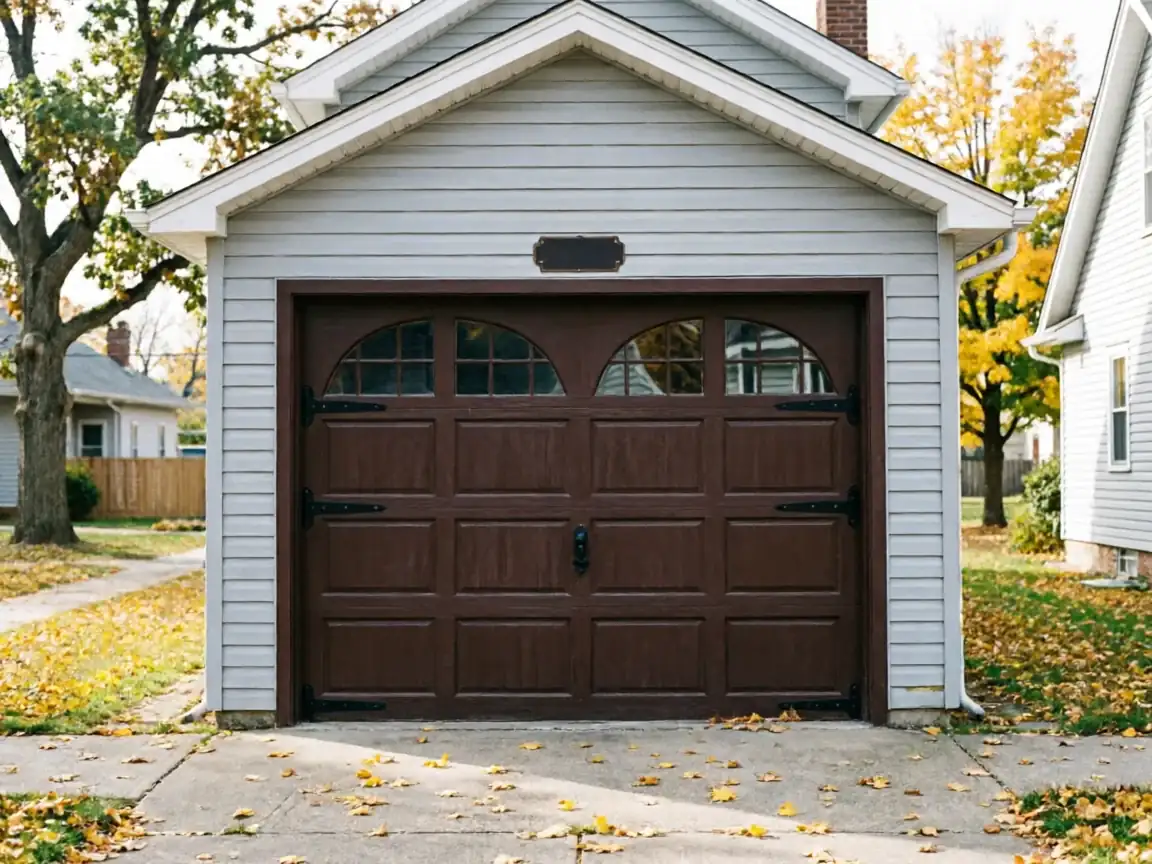
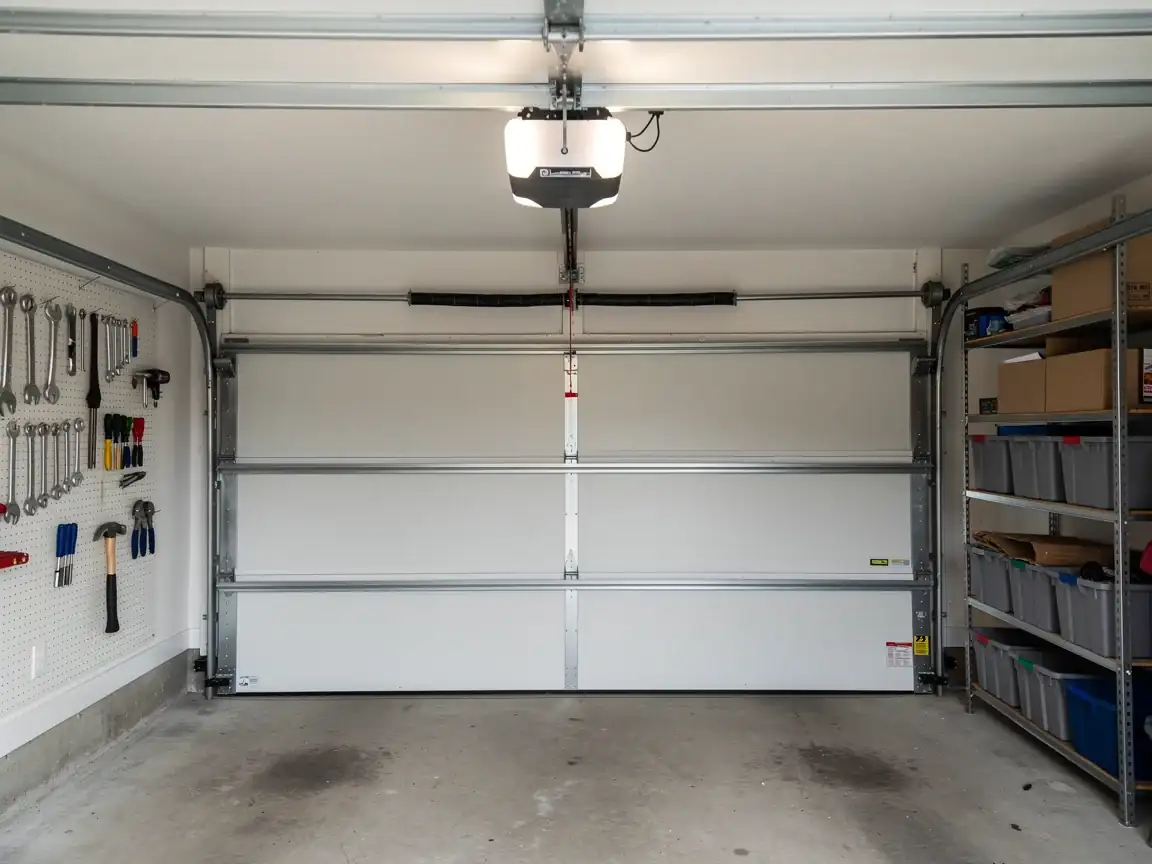
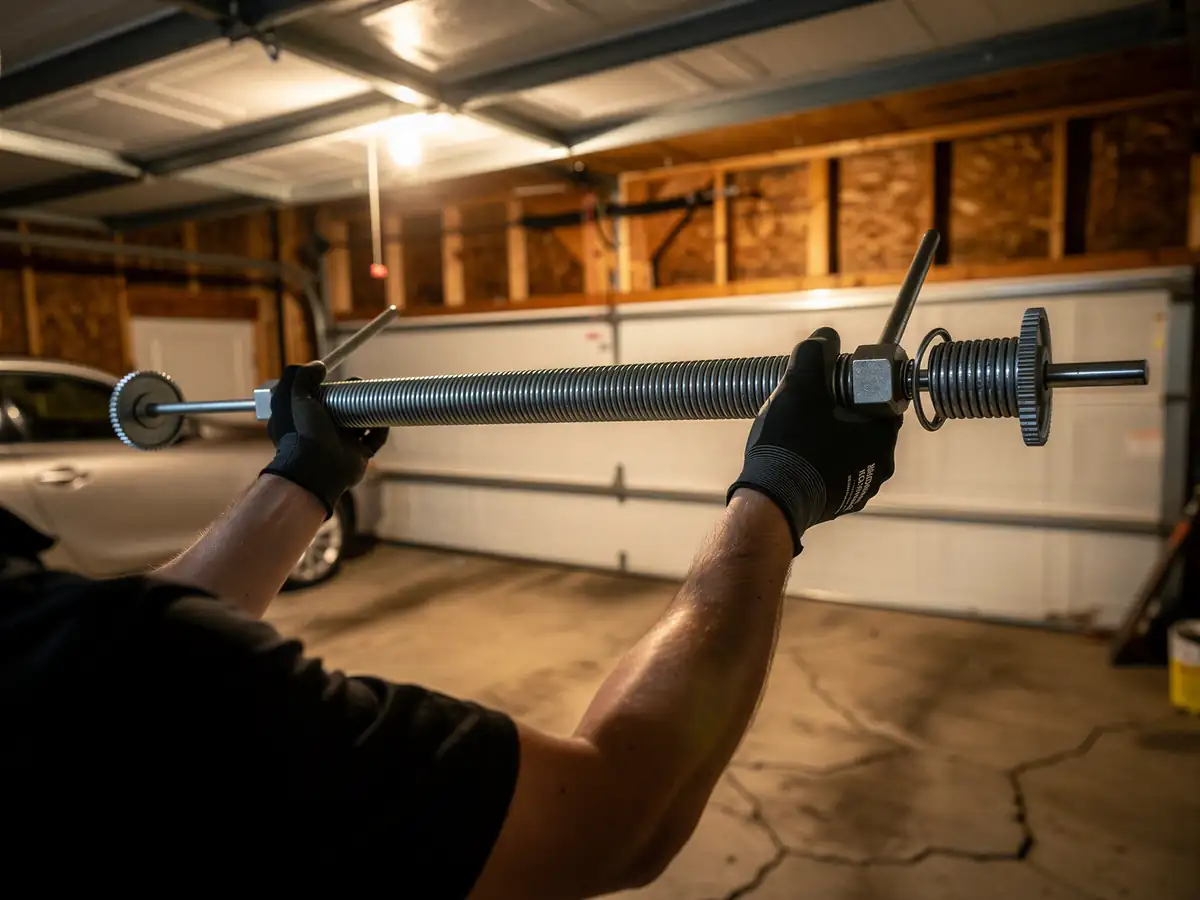
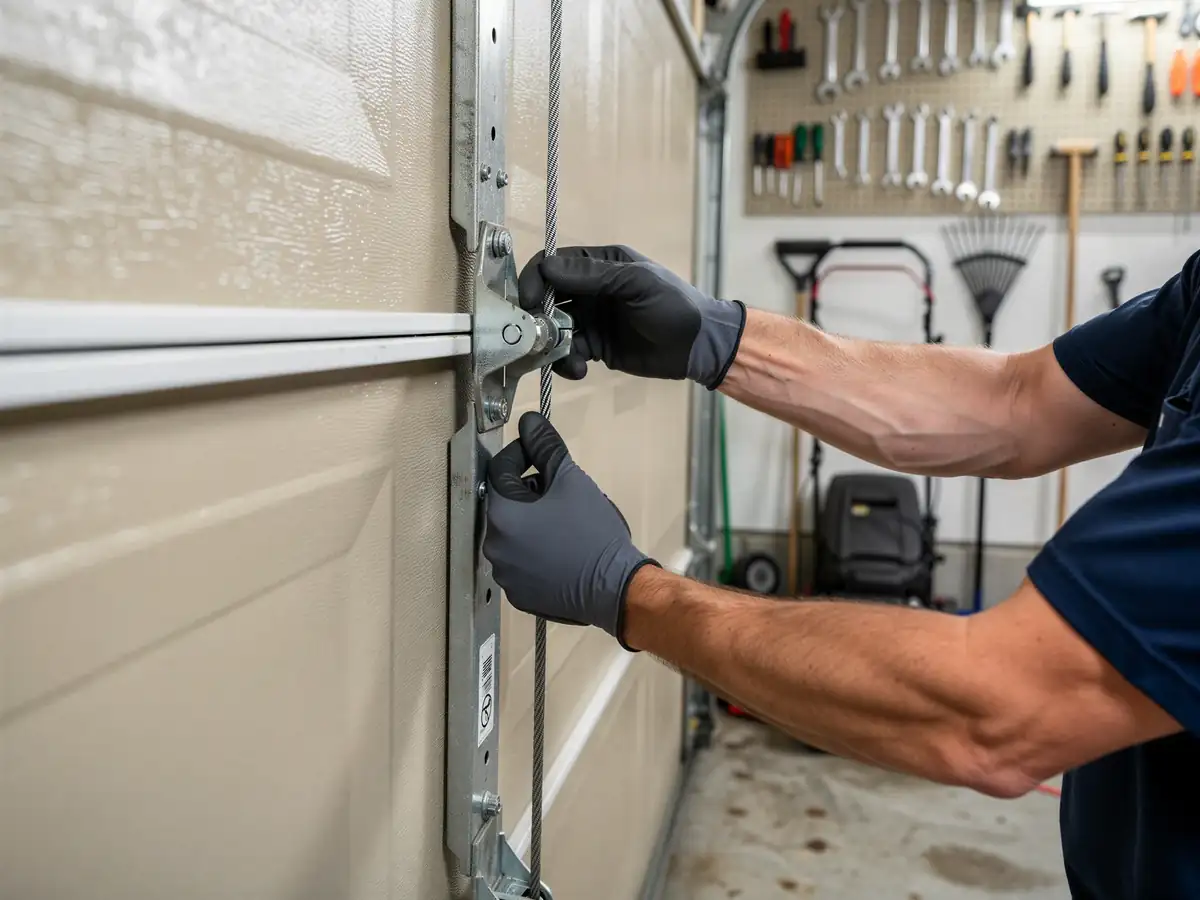
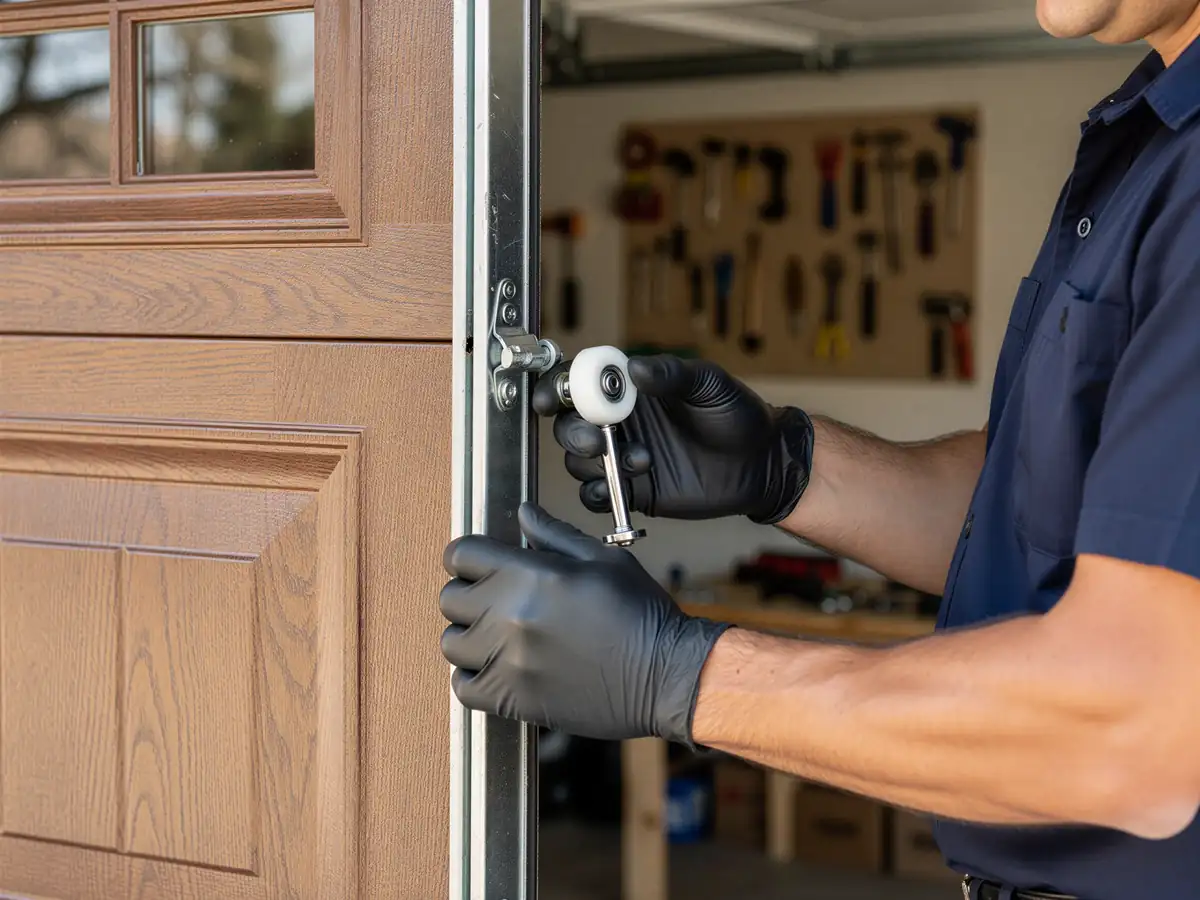
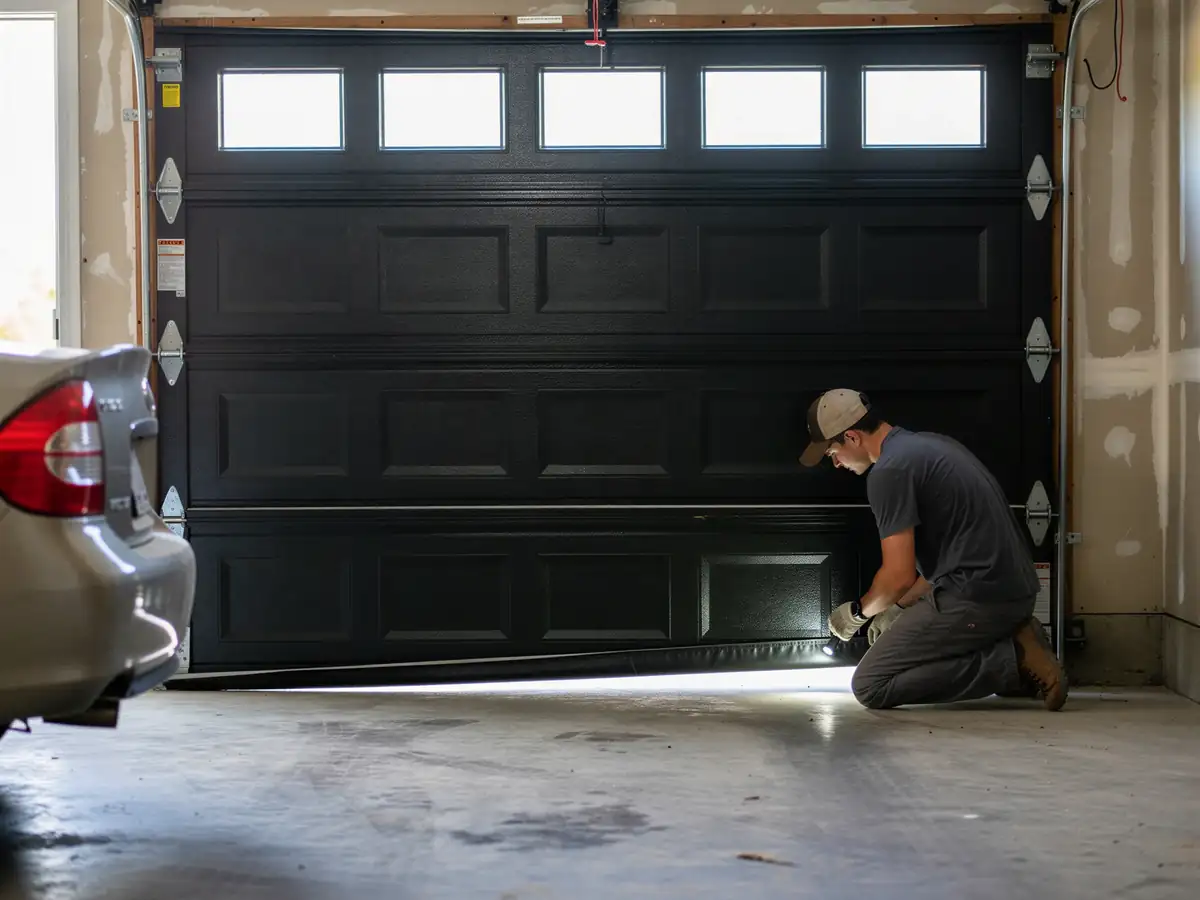
Most of what we do here is a spring swap, a cable replacement, or a track realignment - the three repairs that cover the bulk of what a 1959-era door throws at us. We pull the old spring, match the wire gauge and wind to the door's actual weight rather than whatever was in it before, and check the track for the kind of pitting that cold-moderate winters put on exposed steel. The honest limitation: if the door itself is an original wood panel and it's split or rotted at the bottom, we're not going to pretend a patch is a real fix. Wood panel replacement parts for a door this old aren't something we stock on the truck, and sometimes the right call is a full door swap rather than a repair that buys you another year. We'll tell you which situation you're in before we start, not after the invoice.