The Cost of This Job
Sheffield Lake's median household income sits at $62,065
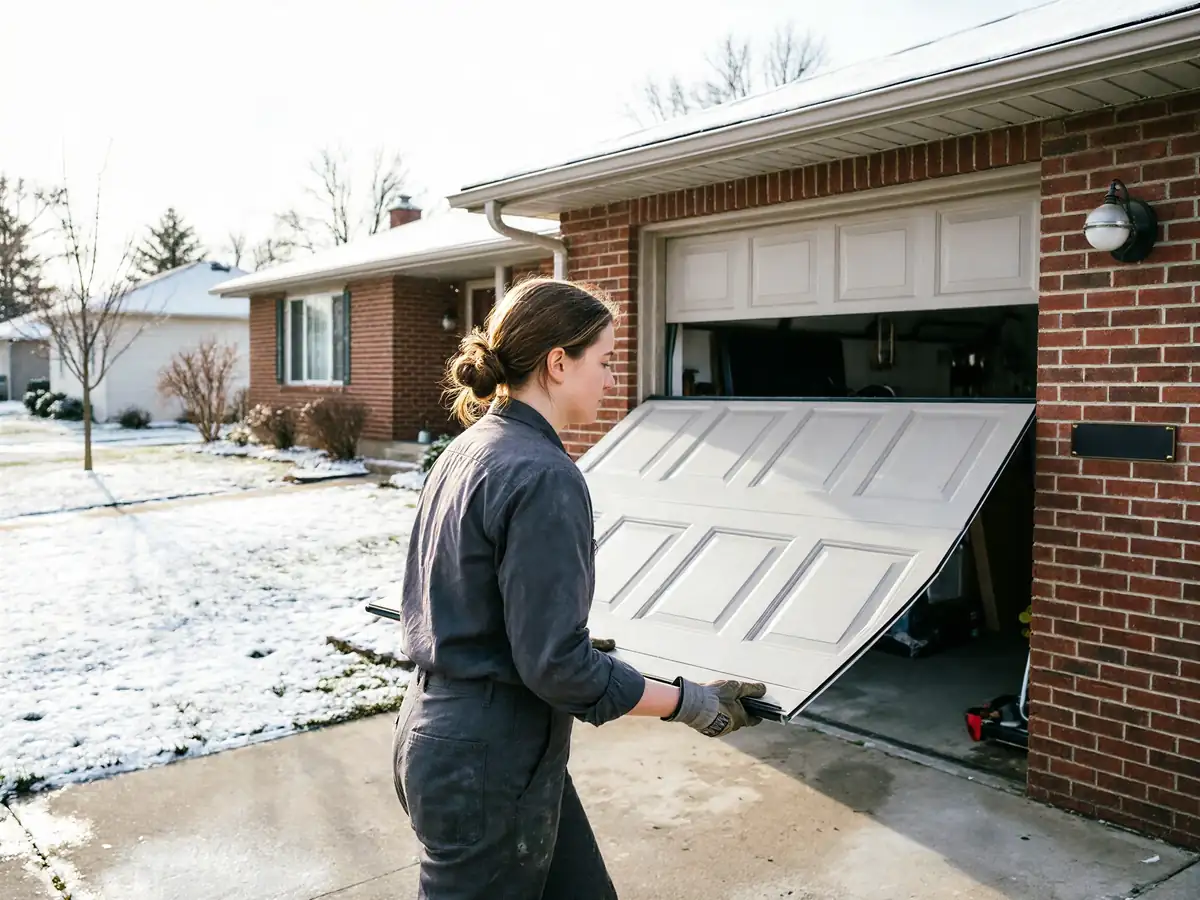
And that number decides more repair calls than any dent or rust hole does. On a steel sectional door, one damaged panel on a run of six or eight doesn't always mean you replace the whole door - but it does mean finding a matching panel, and on a house built around 1967, the odds of an exact match from the original manufacturer are low. Panels discontinued decades ago sometimes get swapped for a close color and rib pattern instead of a true match, and we'll tell you up front when that's the case rather than let you find out after the invoice.
- $62,065 median household income
Where the math tips toward full replacement
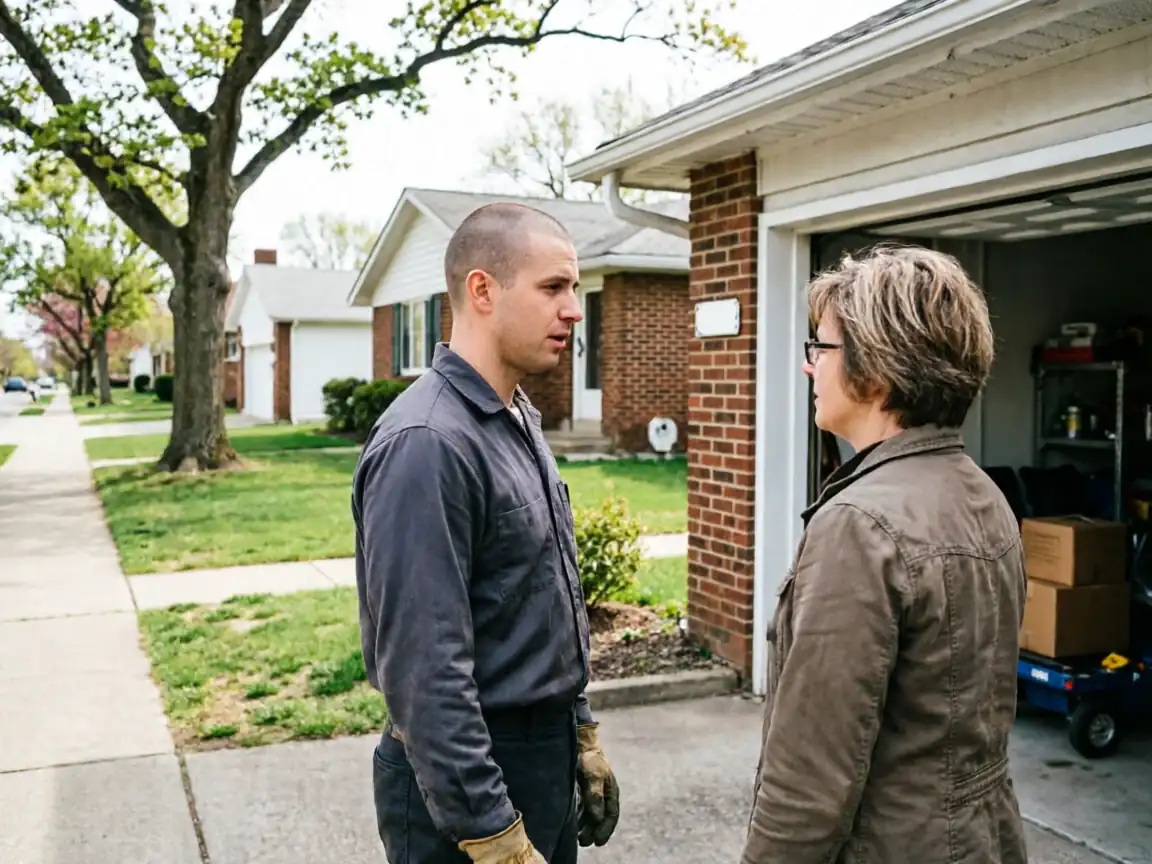
If two or more panels are damaged, if the door is steel without insulation and the remaining panels are already thinning from rust, or if the track and rollers show enough wear that a new panel will outlast the rest of the door by years. We're honest about this because a $62,065 median income household doesn't have room in the budget for a repair that gets undone by a second failure six months later. We'll quote panel-only and full-door side by side so you can see which one actually saves money over five years, not just this week.
How Long You Are Without the Door
We run out of Lorain, about 5 miles from Sheffield Lake, so there's no local branch stocking panels on a shelf here. Most steel panel stock for doors from the 1960s-70s era is a special order, not a same-day pull, and that's the honest limitation worth saying plainly: if your exact panel profile isn't a current production match, you're looking at a lead time measured in days, not hours.
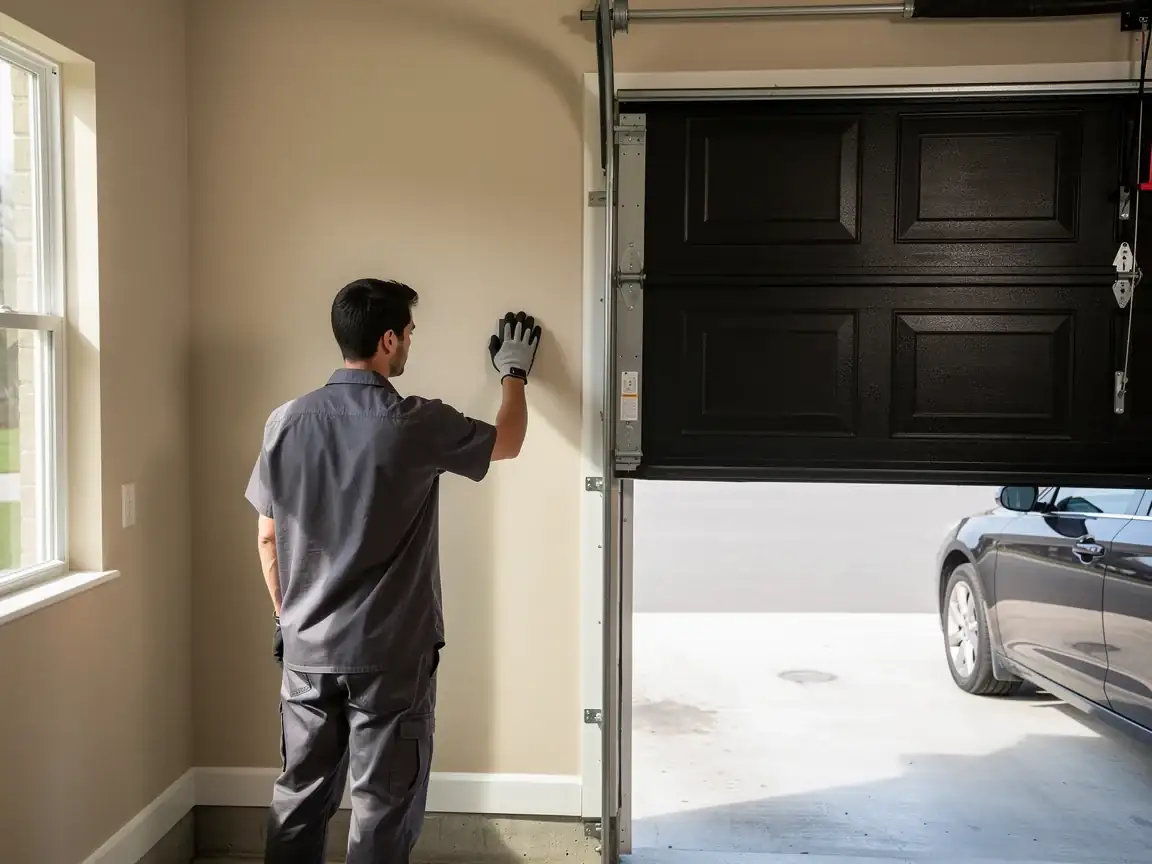
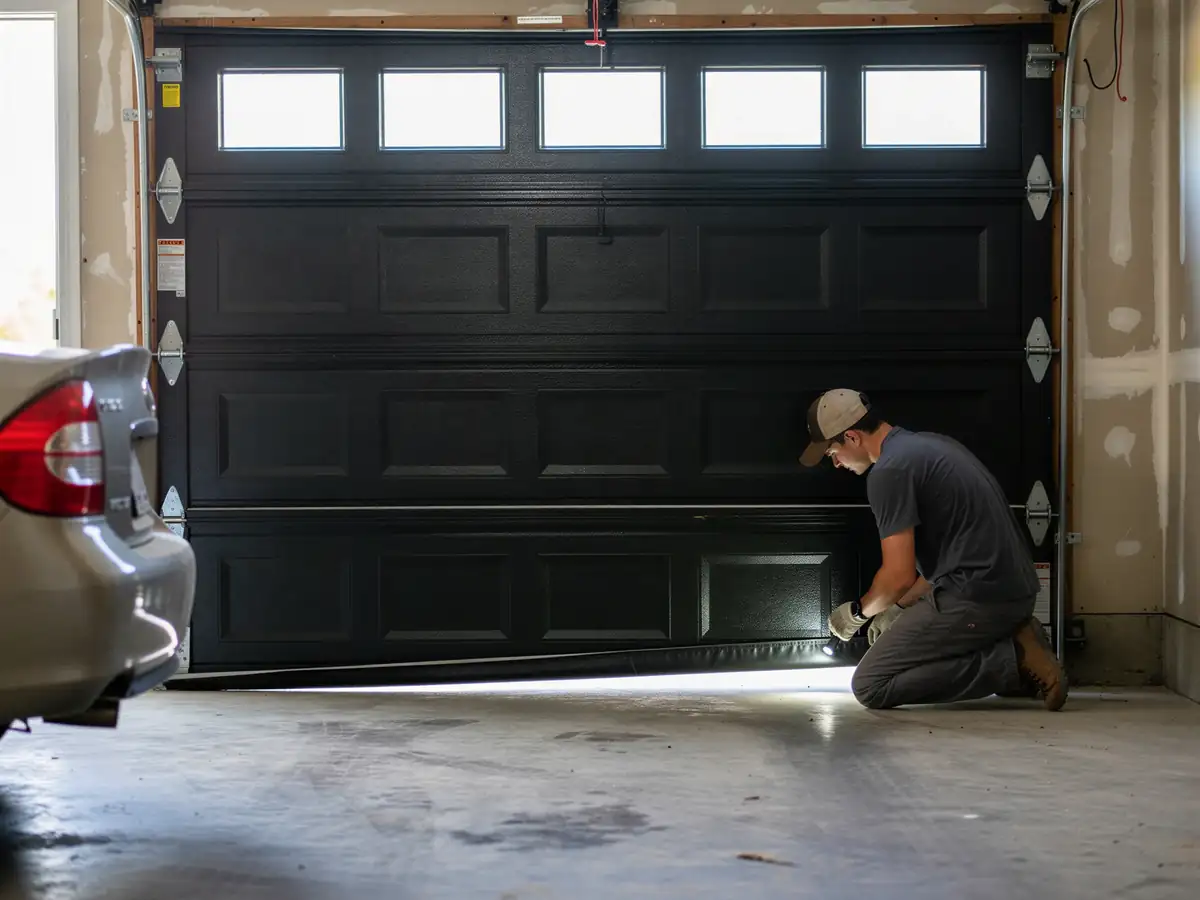
In the meantime a door with one bad panel can usually still operate - we'll secure it so it runs safely on the track while the part is in transit, rather than leaving the bay open or forcing you to live without a working door. A full gap in a panel, especially heading into a cold winter here, isn't something we'd leave unaddressed overnight.
How It Shows Up
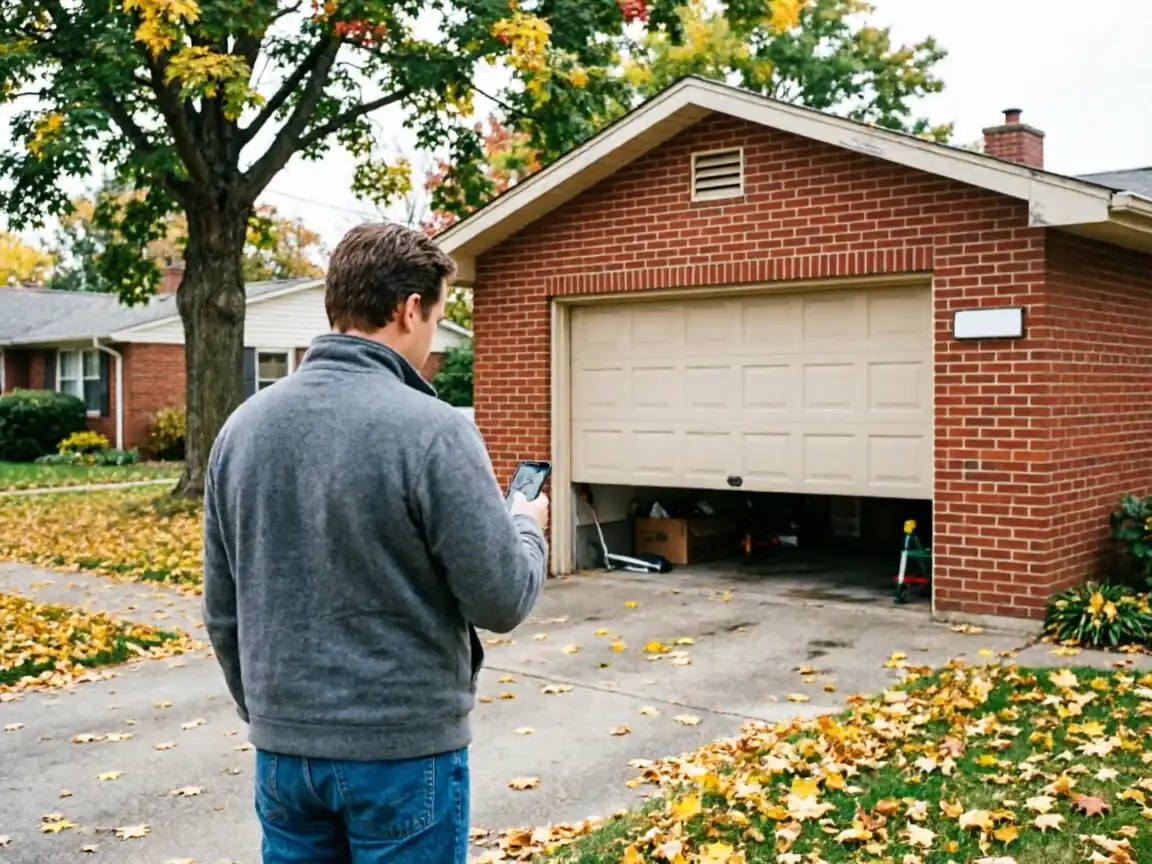
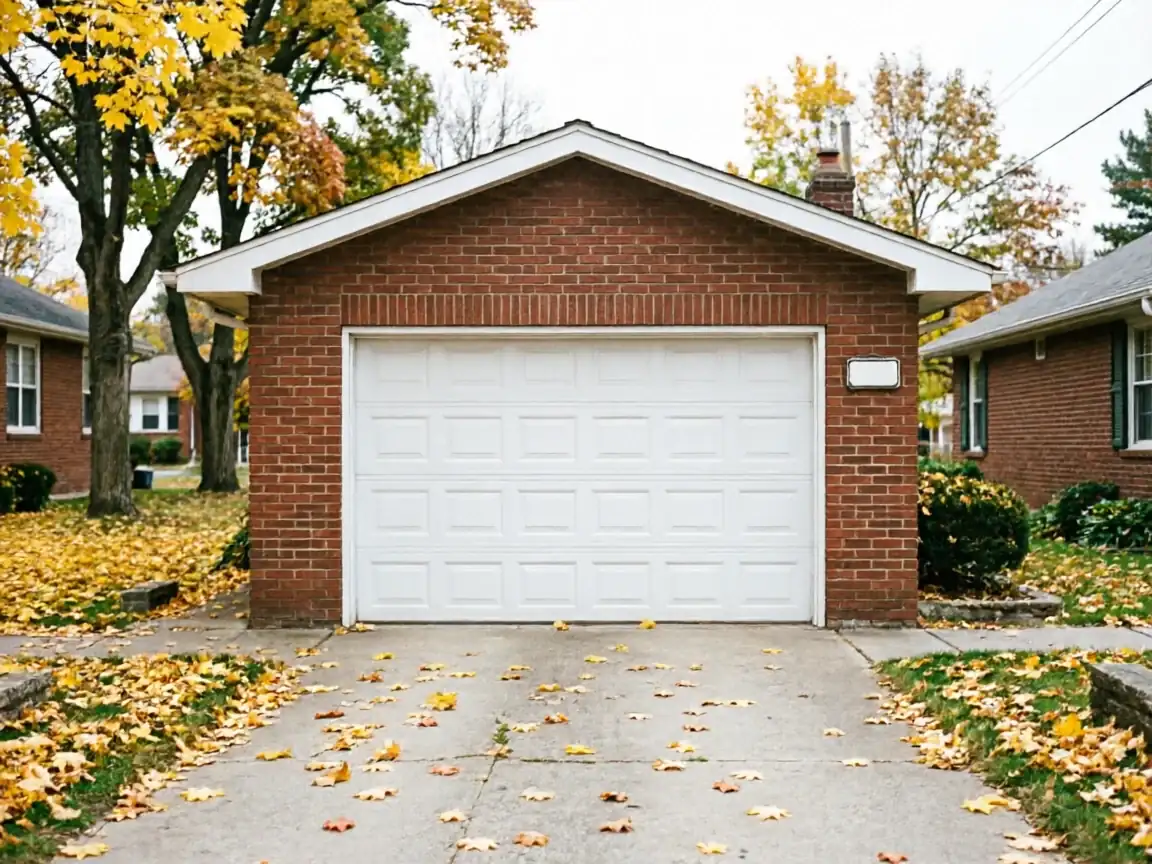
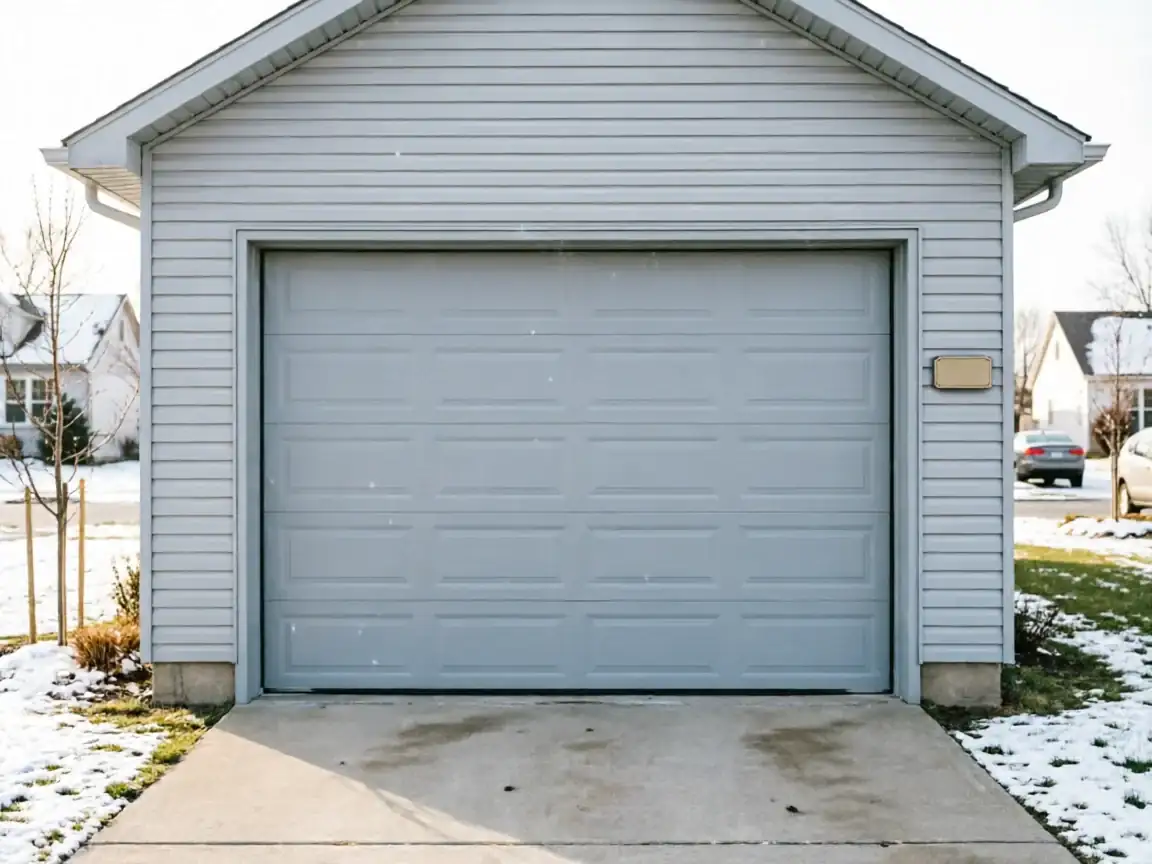
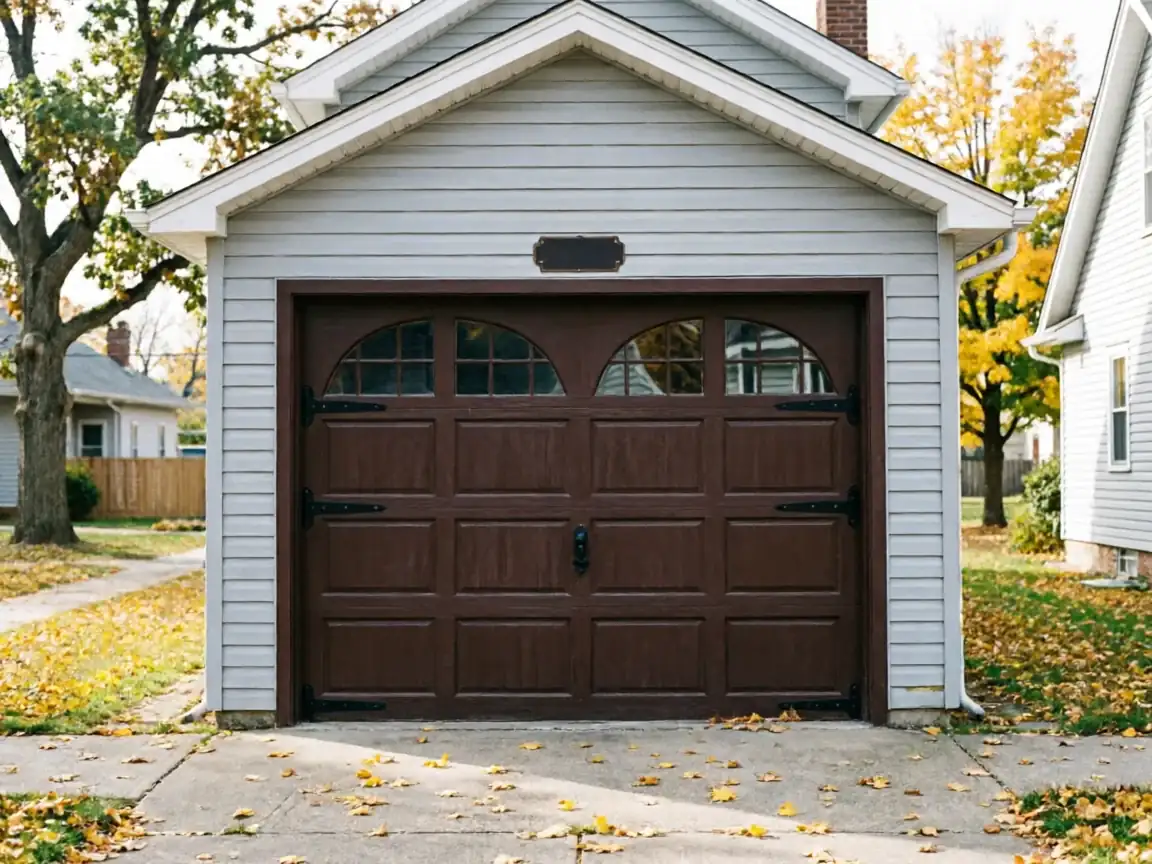
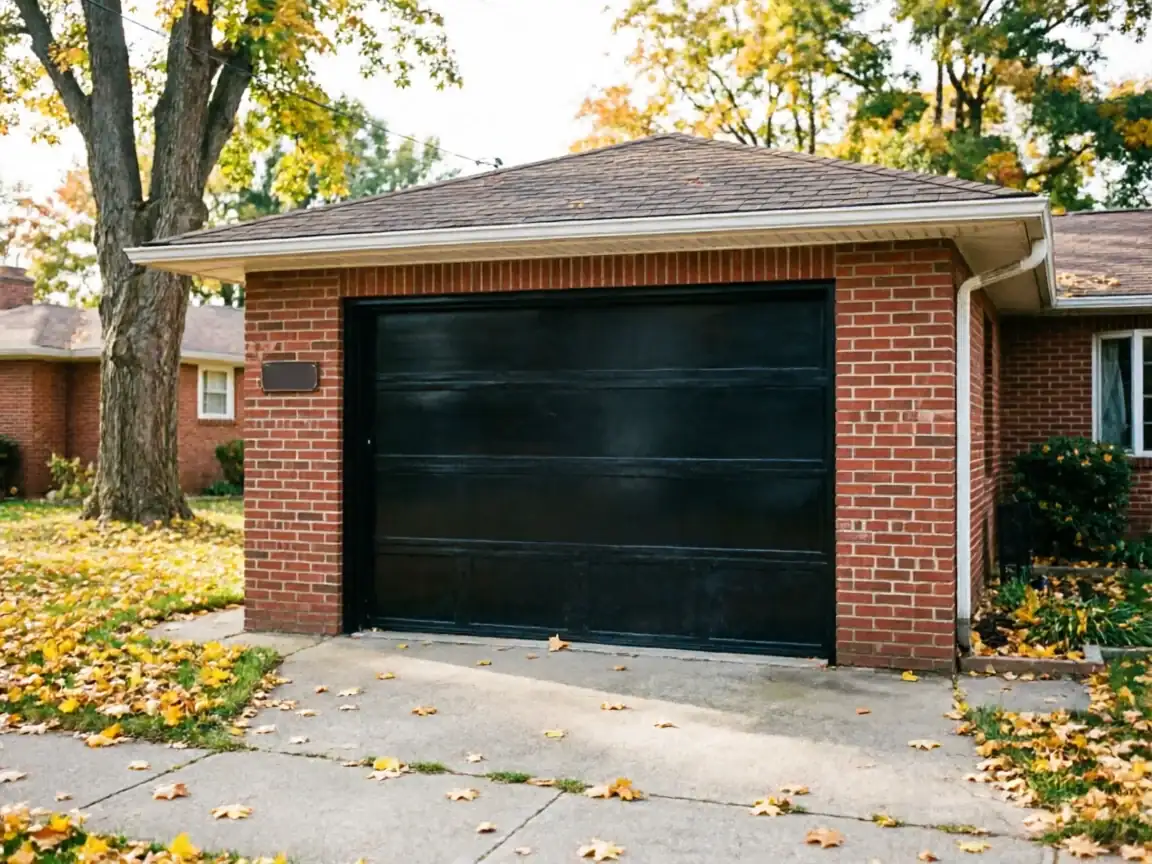
With roughly 4,272 households in Sheffield Lake and most of the housing stock dating to the 1960s and 70s, the panel damage we see here tends to follow a pattern tied to that era: single-skin steel panels with no foam backing, which dent easily from a backed-into trash can or a bike pedal catching the bottom section, and which rust from the inside out along the bottom panel seam after years of snowmelt sitting against it.
This region sits in a cold climate band, and that matters for panel replacement specifically - moisture that gets behind an un-insulated steel panel over a Lake Erie winter doesn't just dent the surface, it works the seam from behind where you can't see it until the panel finally buckles. On a house built close to the median year of 1967, that's usually the bottom one or two panels, not the top ones, because that's where the water sits longest.
Can You Do This Yourself
A bolted-on panel swap looks simple from a video
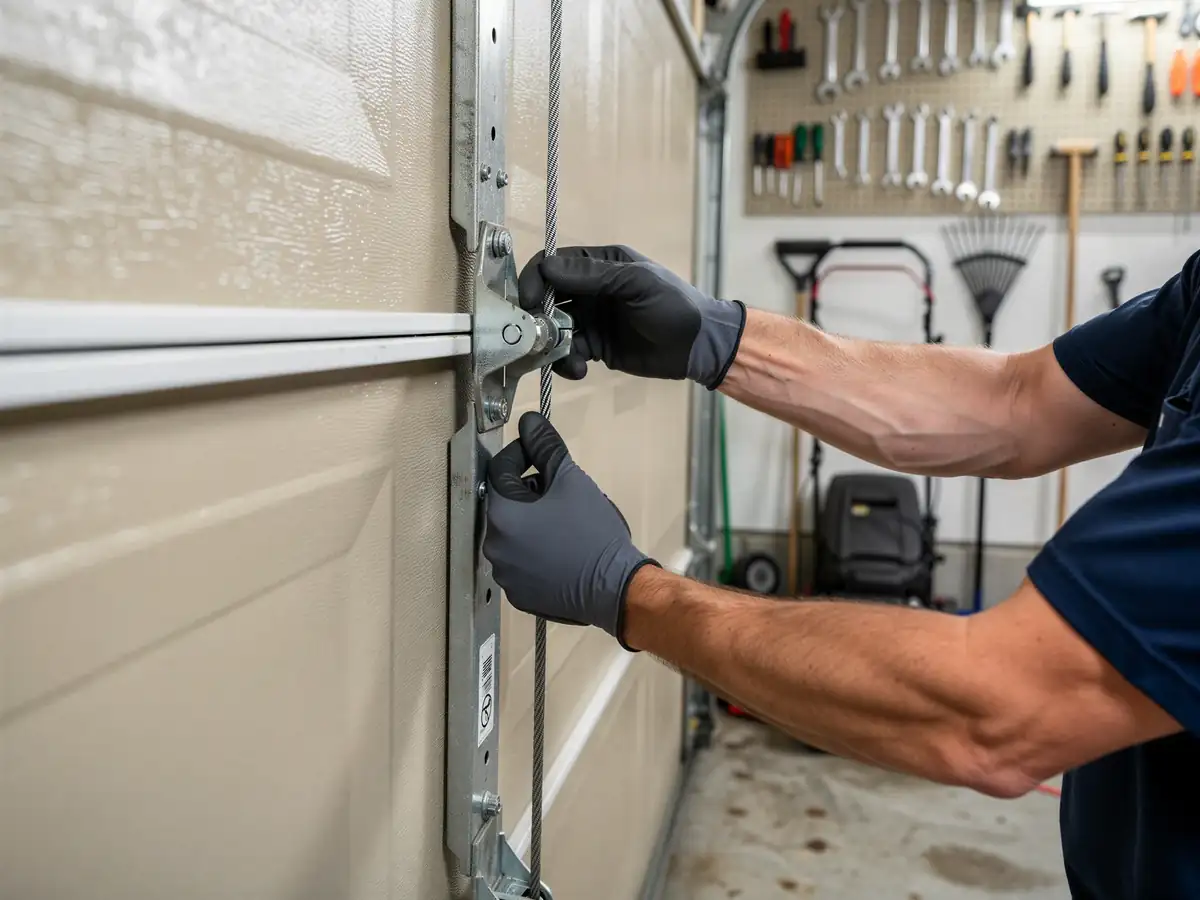
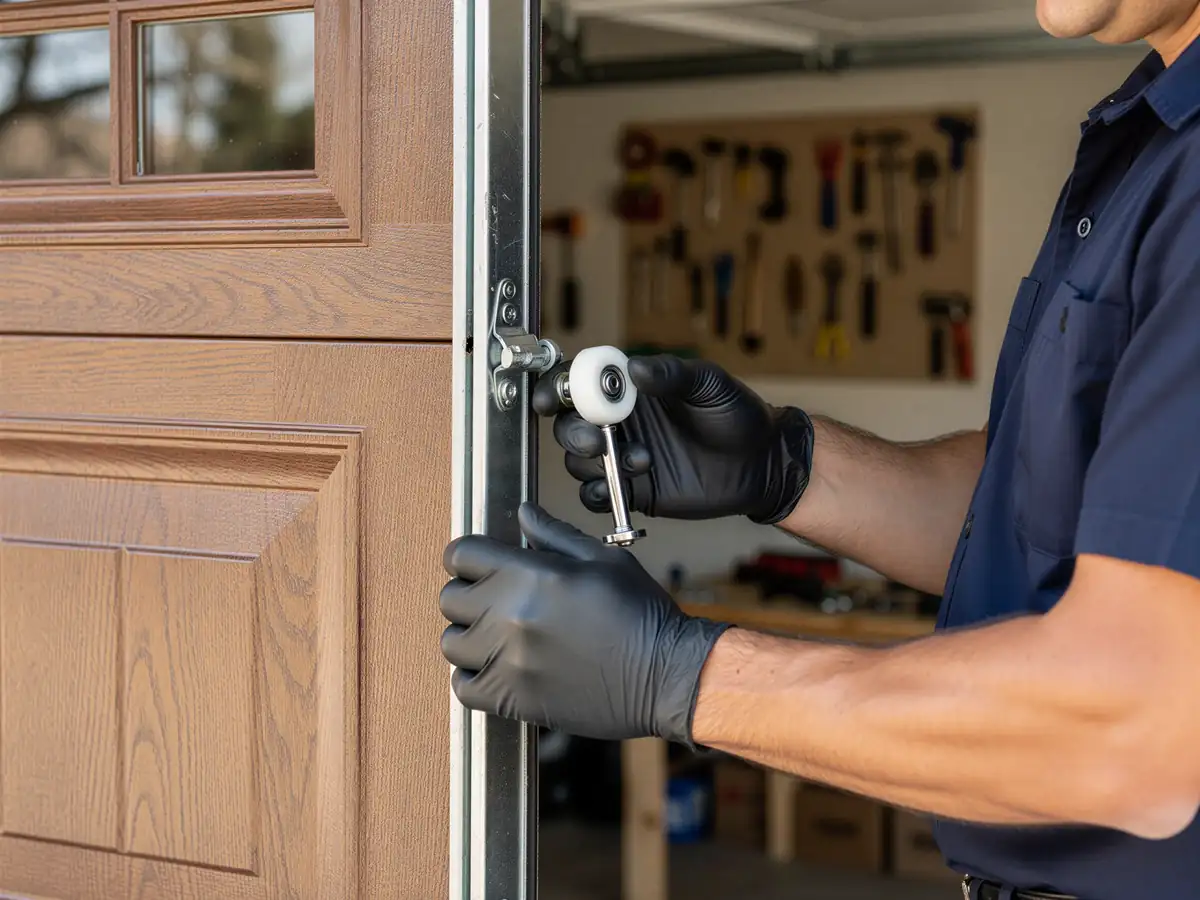
And on some newer doors it is close to that simple. On the steel sectional doors common to Sheffield Lake's 1967-median housing stock, the panel is often tied into hinges and rollers that have fused with rust, and removing one panel from the middle of a run means supporting the sections above it so the whole door doesn't shift on the track while it's apart.
We'd rather tell you plainly where this gets risky
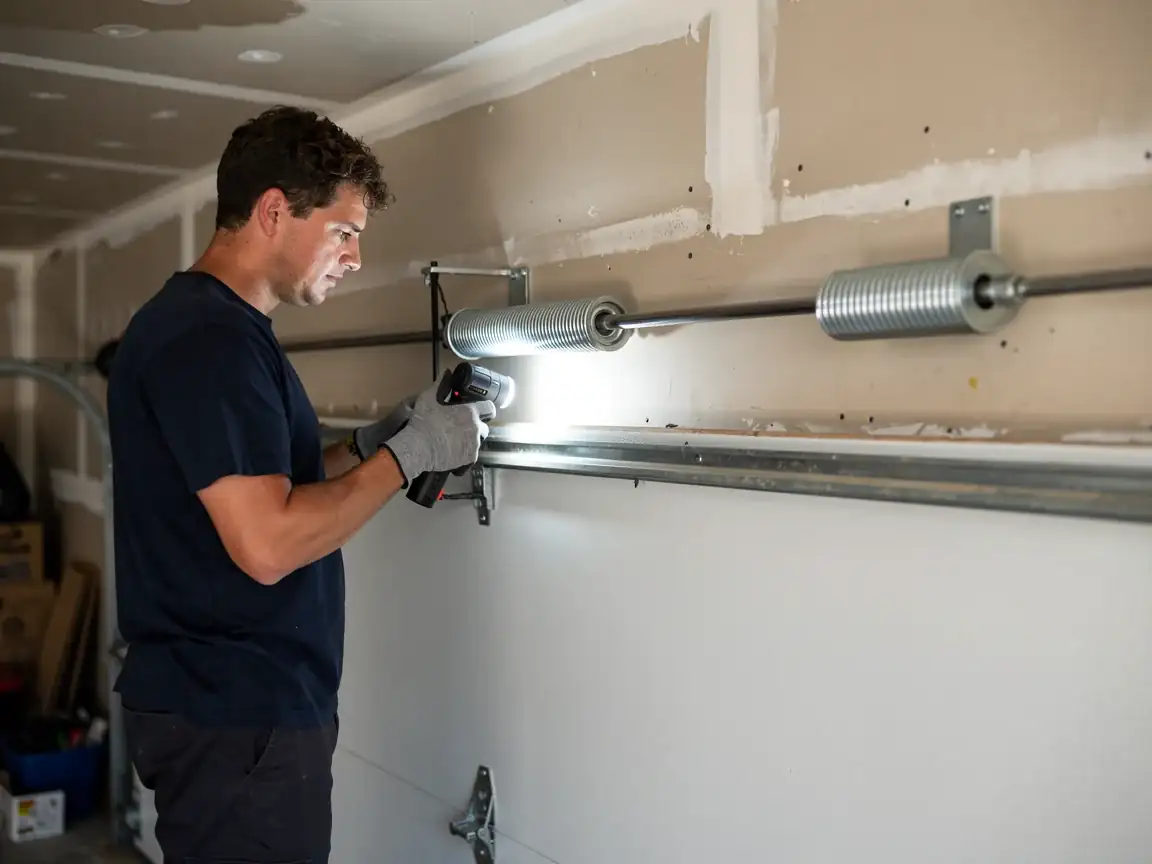
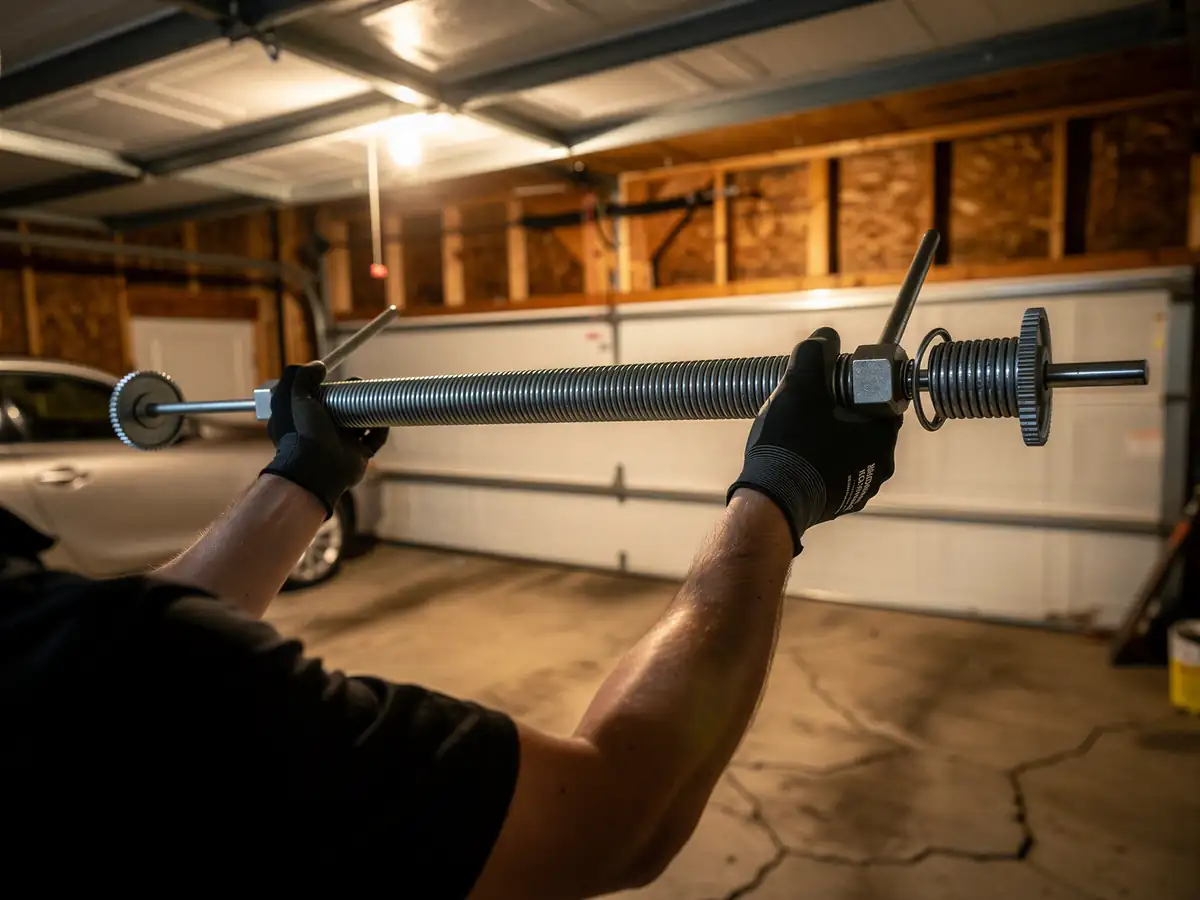
Torsion springs under tension, and track alignment that's off by even a little, are the two ways this job turns into a bigger repair than the one you started with. If you're swapping a bottom panel on a door with no spring involvement and you've done mechanical work before, it's not out of reach. If you're not sure which category your door falls into, that's worth a call before you start unbolting anything.