The Cost of This Job
We run this call from Lorain
And Sheffield Lake sits about five miles down the road, so a cable job here doesn't turn into a half-day trip before anyone's even touched the door. That matters for what you pay, because travel time is part of any service call's cost whether it shows up as a line item or not.
What drives the actual repair price is what's on the drum and track when we get there
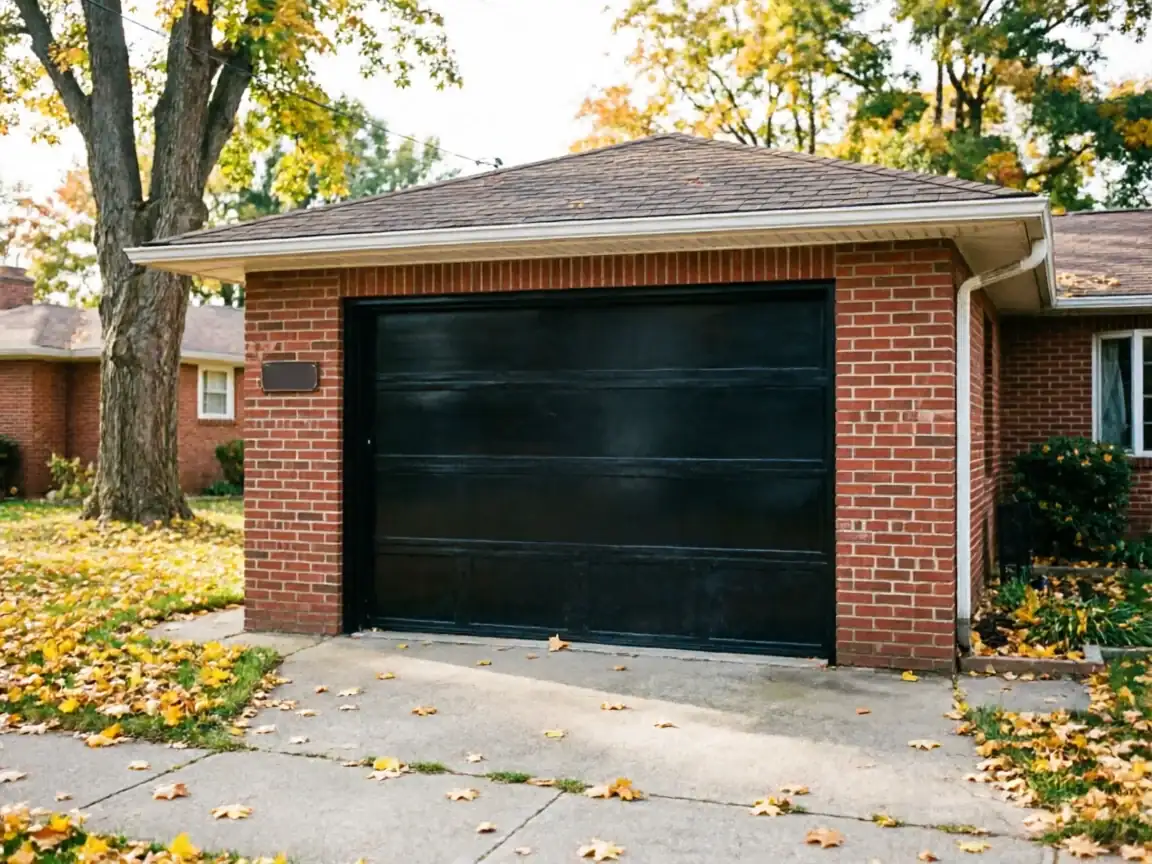
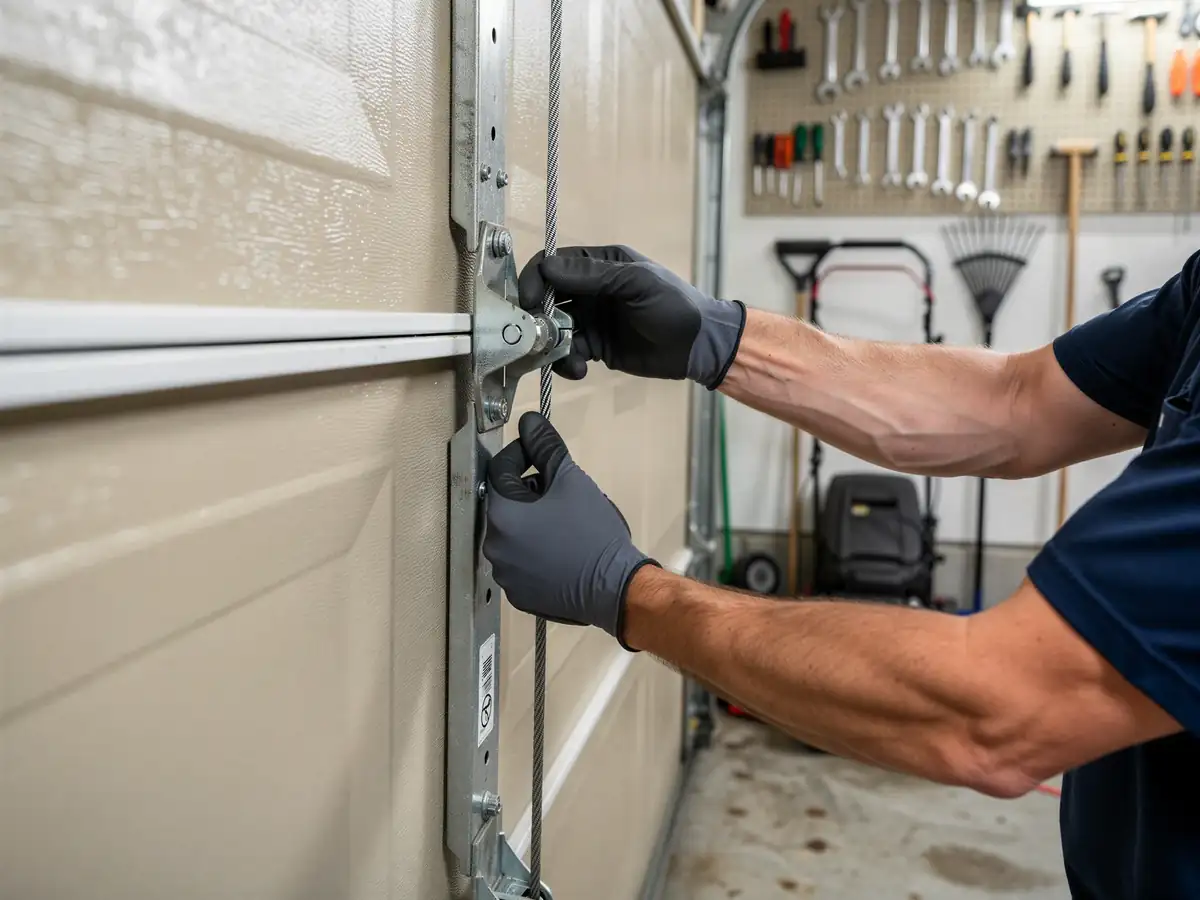
A lot of Sheffield Lake was built around 1967, which puts a good share of these doors on older galvanized cable and steel drums rather than the newer nylon-coated cable you'd find on a door installed in the last decade. Replacing a snapped cable on that older hardware usually means matching drum wear too, since a cable that's frayed on one side has often been riding unevenly for a while. We don't quote a number sight unseen, because a single-cable snap on a light door and a two-cable failure on a heavier insulated double aren't the same job.
How Long You Are Without the Door
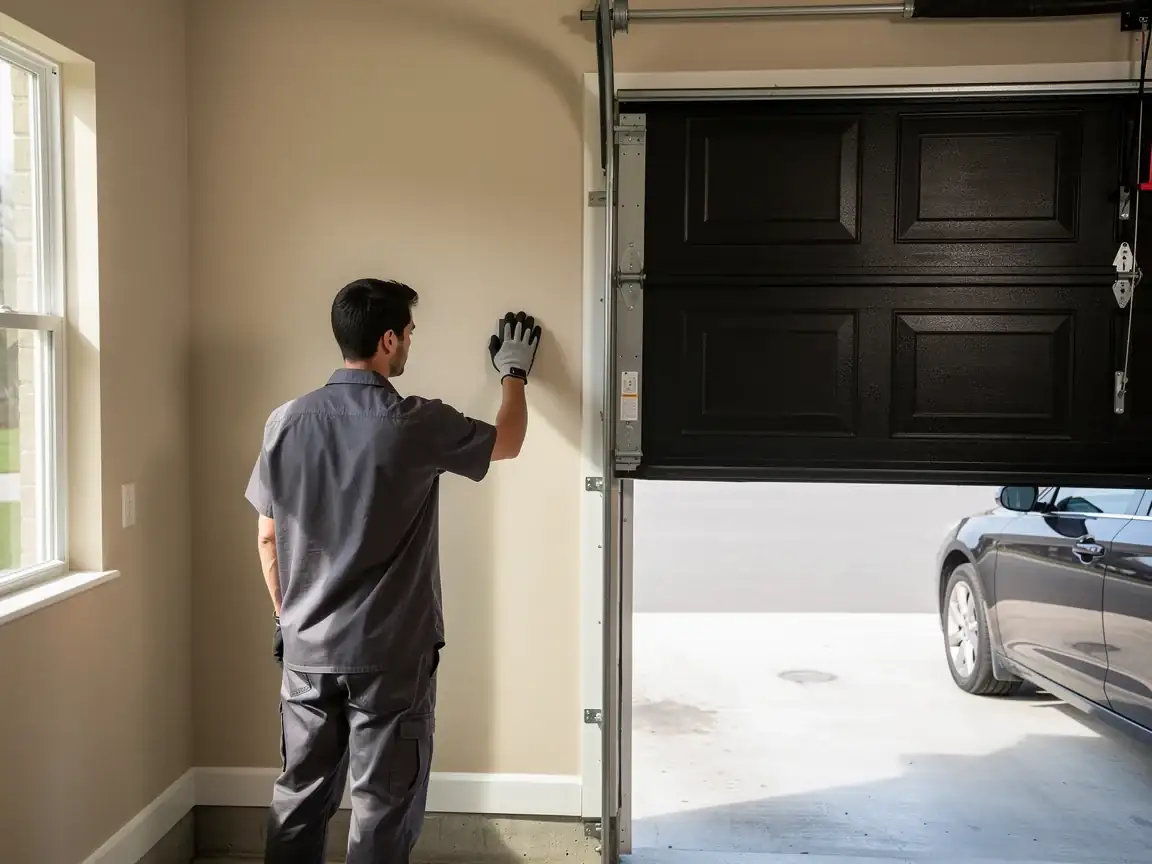
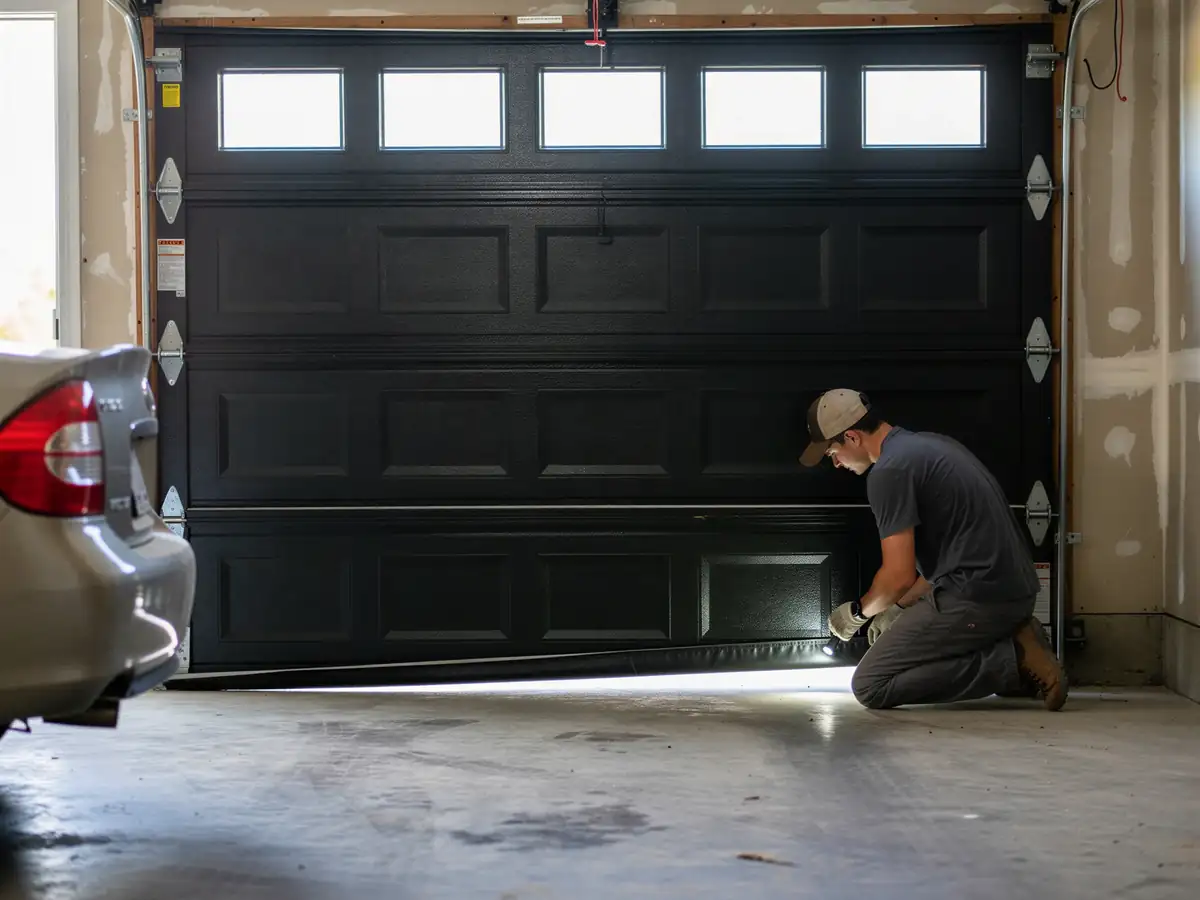
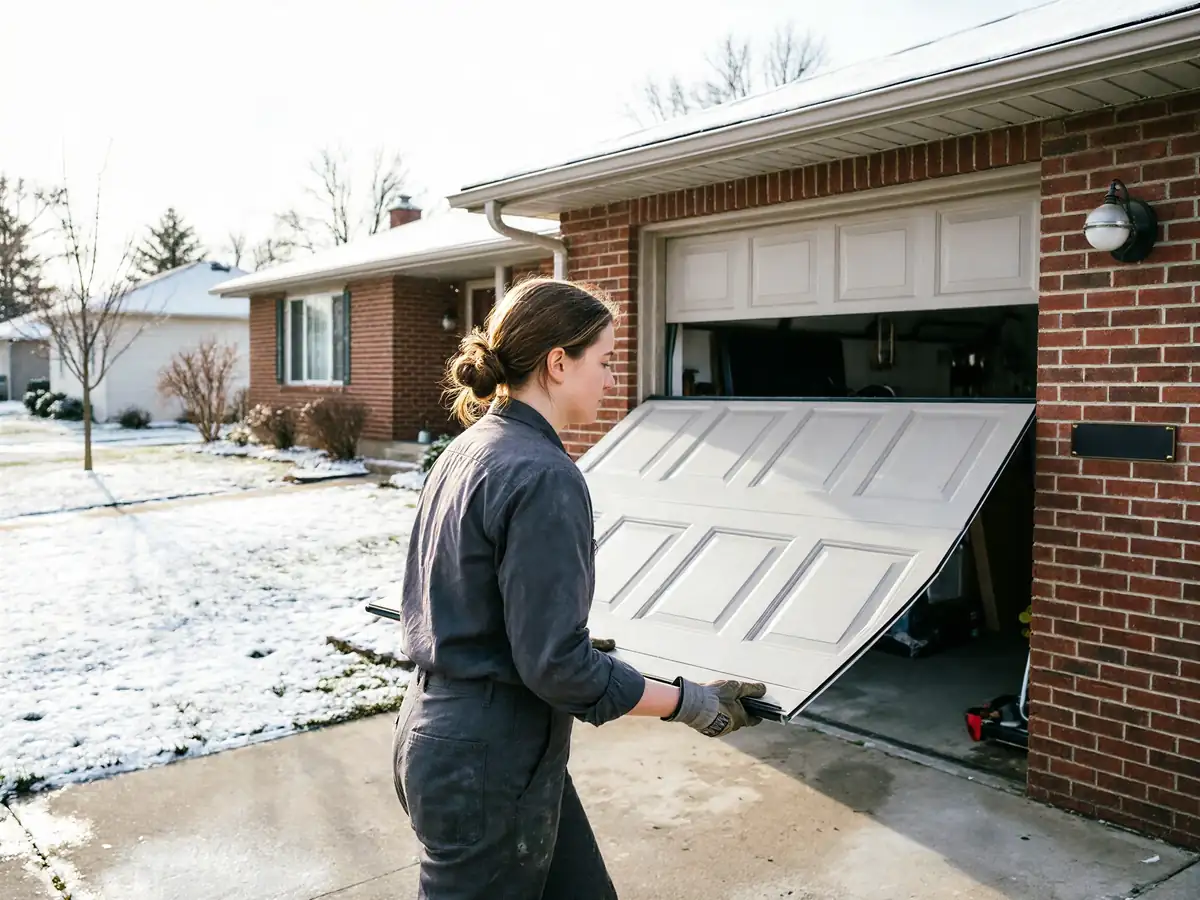
A cable repair itself doesn't take long once a tech is on site and has the right drum and cable in the truck. The variable is what else the cable took down with it. On a door that's been riding unbalanced for a while - common on the 1960s stock here where a drum groove has worn unevenly - a cable snap can let the door drop crooked and bind the track or dent a panel on the way down.
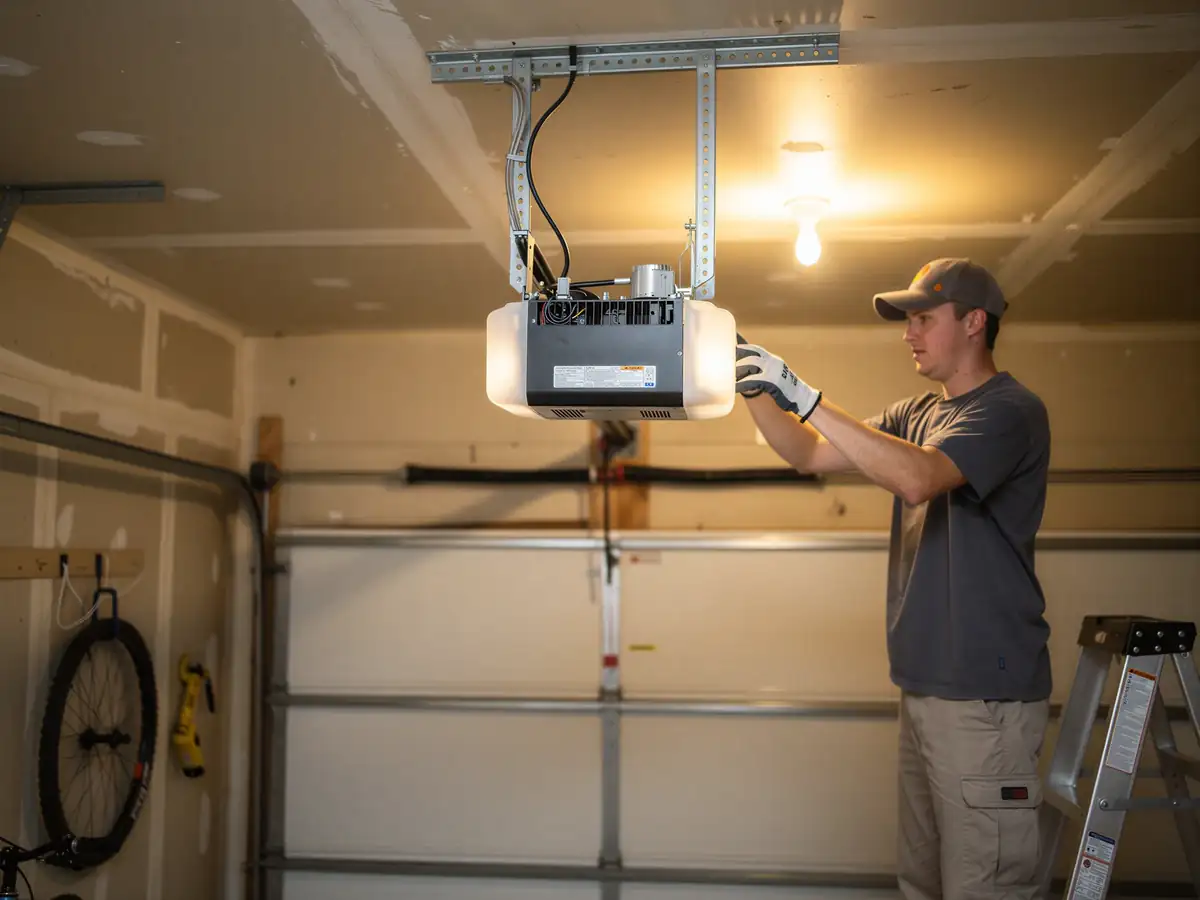
We travel from Lorain to reach Sheffield Lake, so plan around that distance rather than assuming someone's parked two streets over. Once the tech is there, a straightforward cable replacement is typically done in under an hour; if the drop bent a track or cracked a panel, that extends the job because those parts aren't something we carry pre-matched to every door style on the road.
How It Shows Up
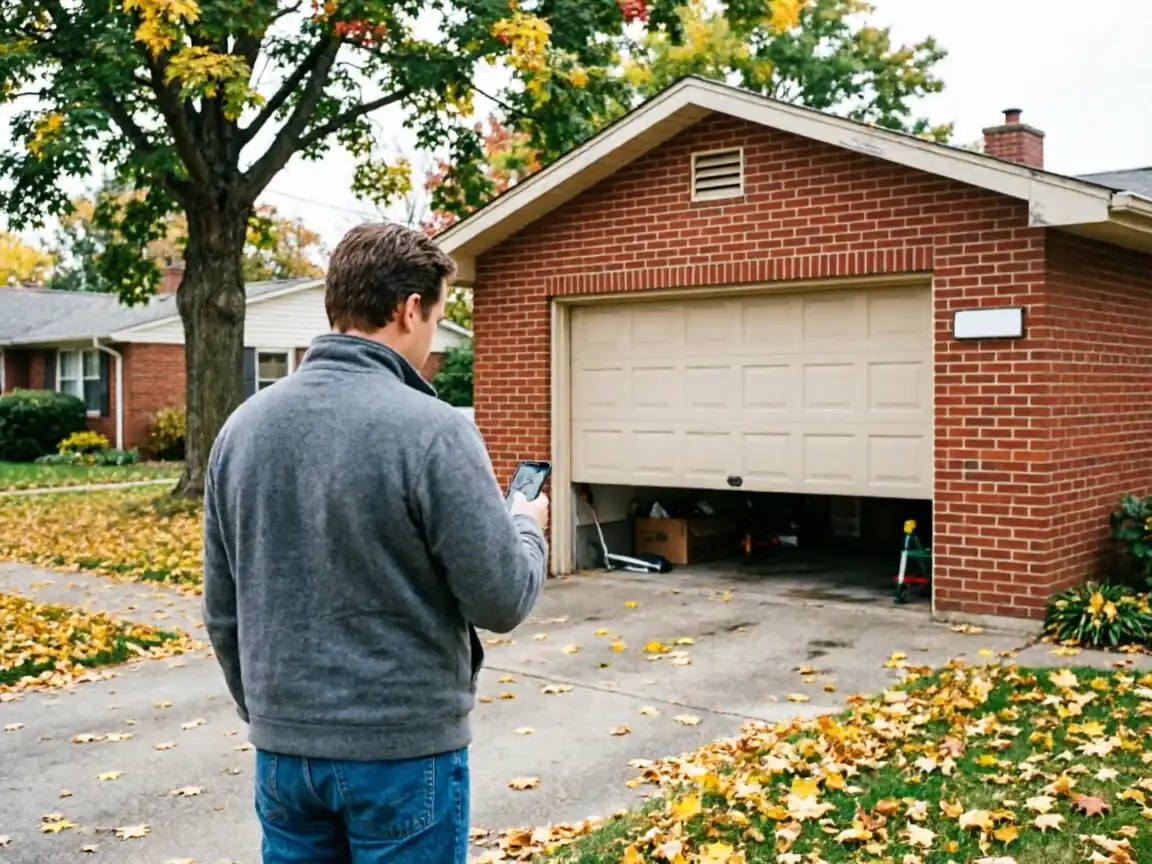
The most common sign is a door that drops unevenly, one side lower than the other, right before it comes off the track entirely. On the older doors common in Sheffield Lake's 1967-median housing, you'll also hear a cable before you see the damage: a thin metallic ping or scraping sound as strands start to fray against the drum.
Cold matters here too. This area sits in a colder climate band, and a cable that's already worn thin tends to go in a sharp temperature swing rather than on a mild afternoon, because the metal loses a little flexibility and the door's weight doesn't change. If you hear that ping on a cold morning, don't run the opener again hoping it clears itself - that's usually the cycle that finishes the break.
Can You Do This Yourself
We'll say this plainly
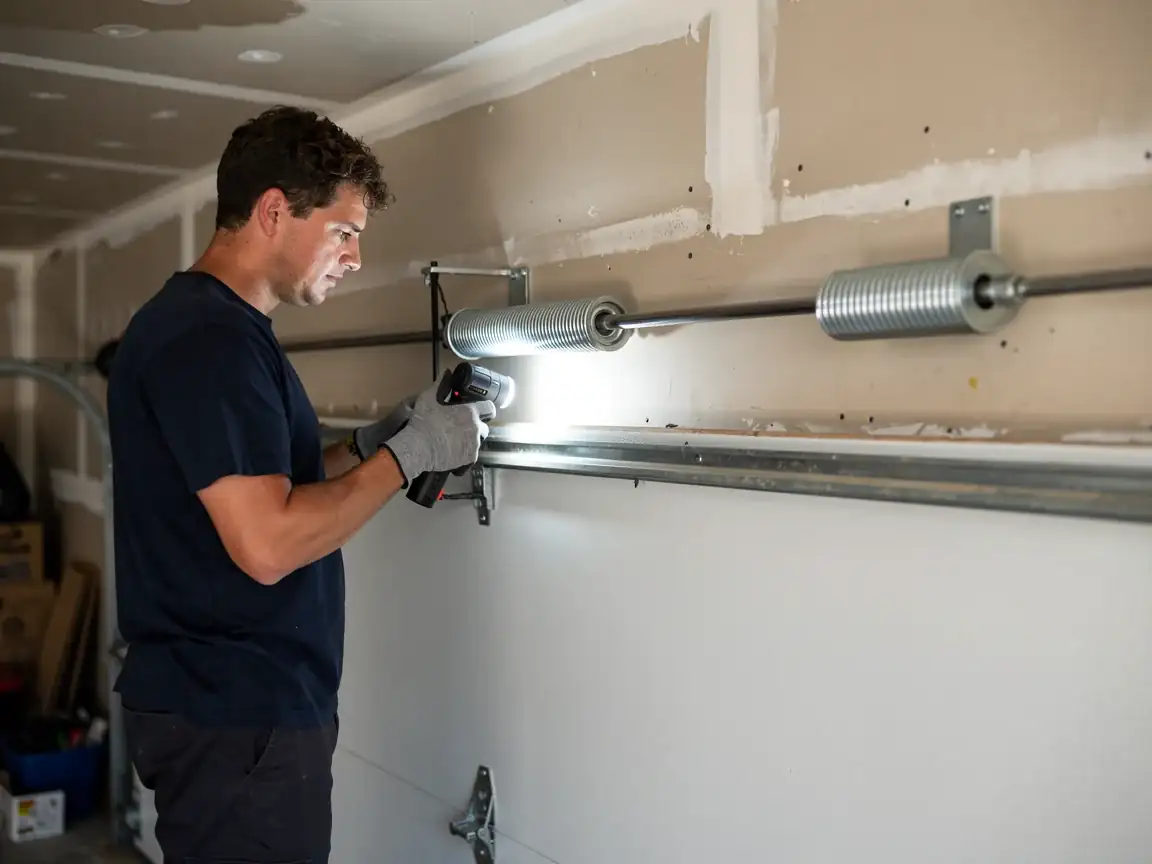
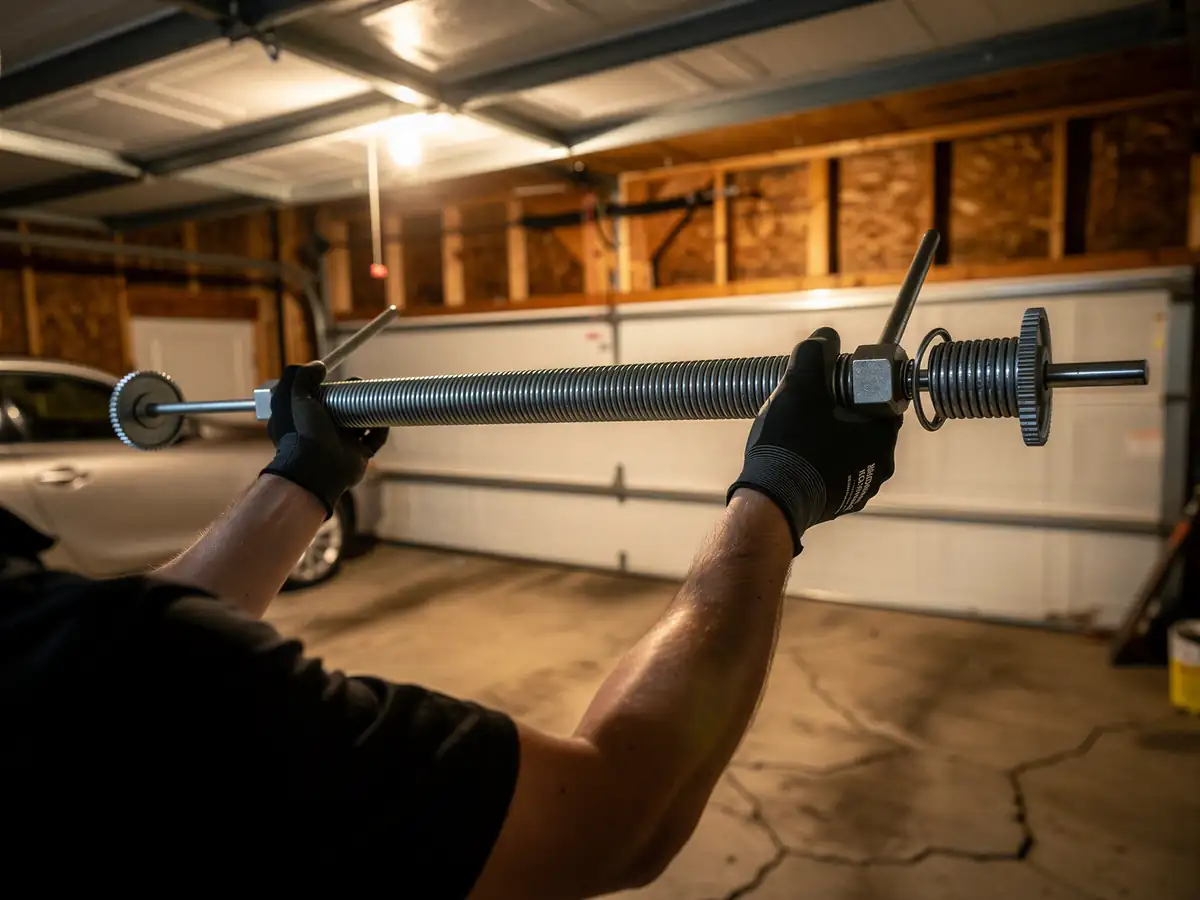
A broken cable is not a DIY repair, and we're not going to pretend otherwise to be polite. The cable is holding back a door that can weigh well over a hundred pounds under spring tension, and the spring itself is still loaded even when the cable has let go. People get hurt on this exact repair more than almost any other garage door job.
What you can safely do is leave the door down, unplug the opener so nobody tries to run it
And call. If the door is already stuck half-open, don't try to force it closed by hand - on a door that's dropped crooked, the track is usually the thing fighting you, not the cable.