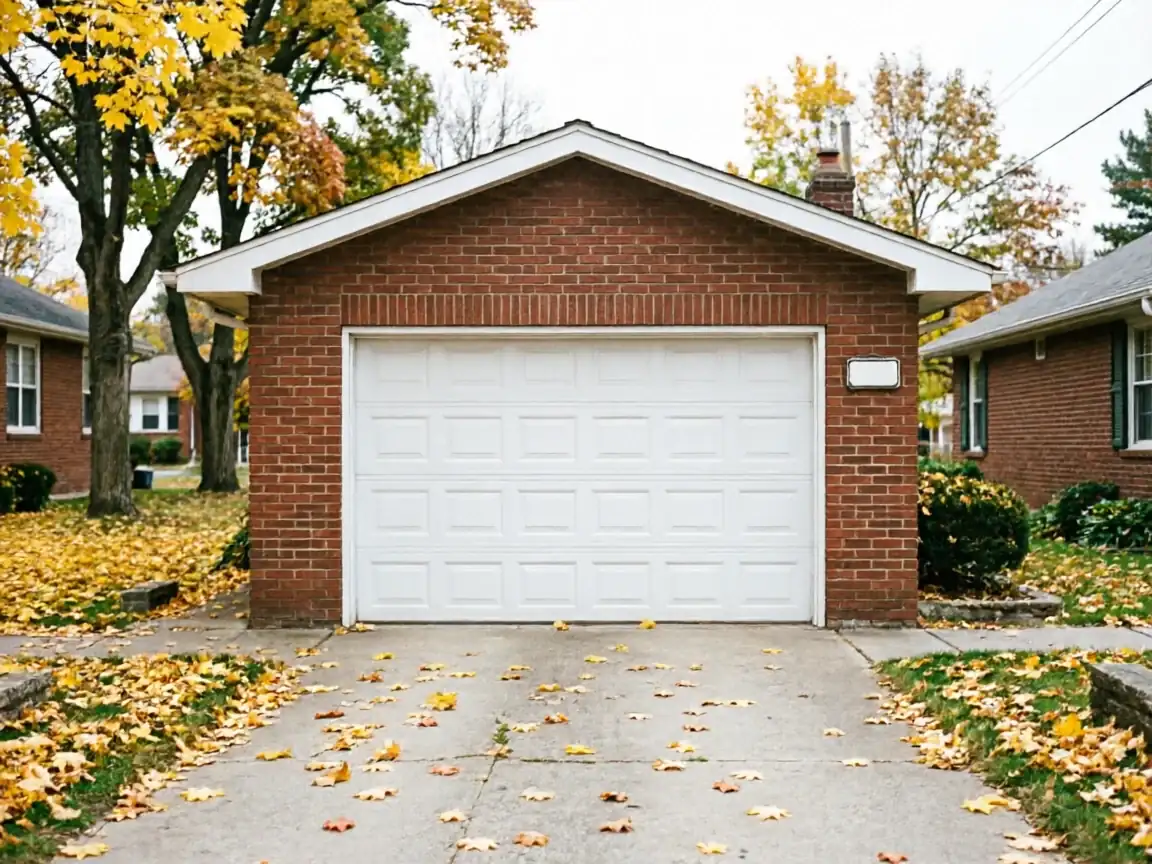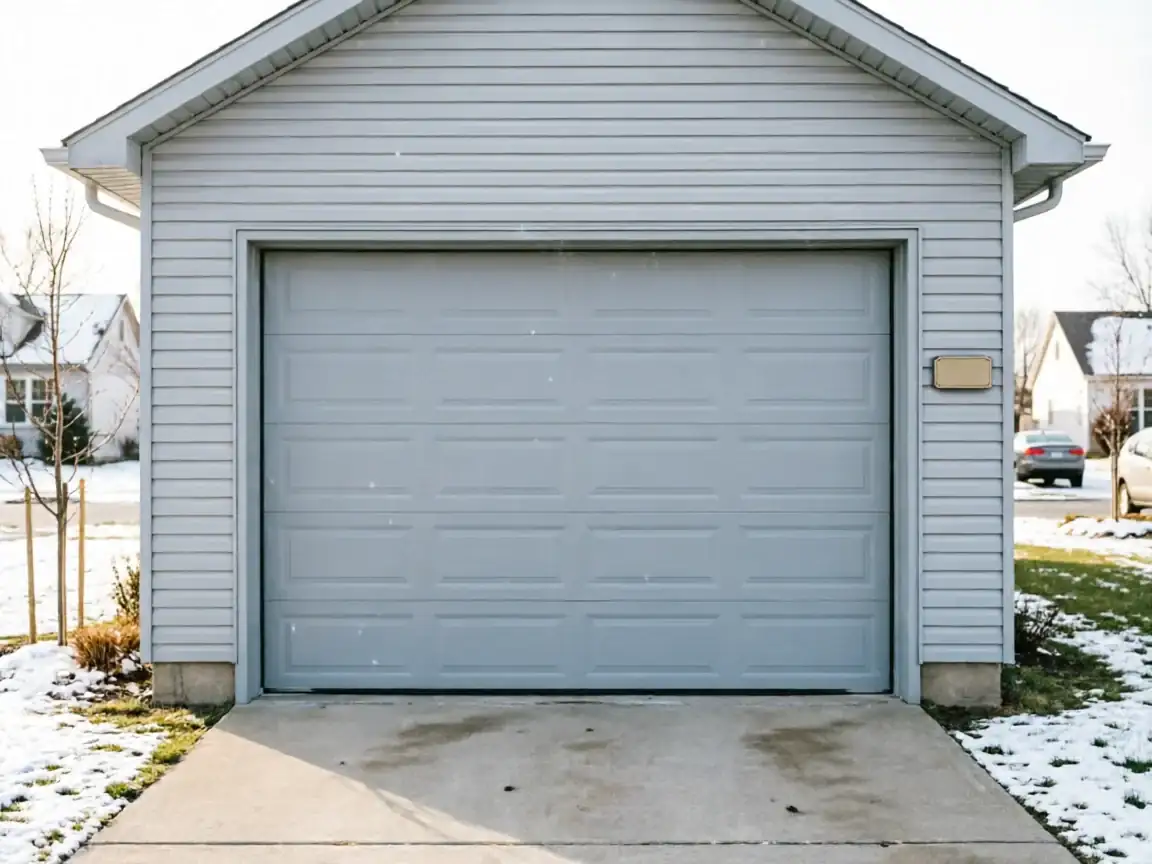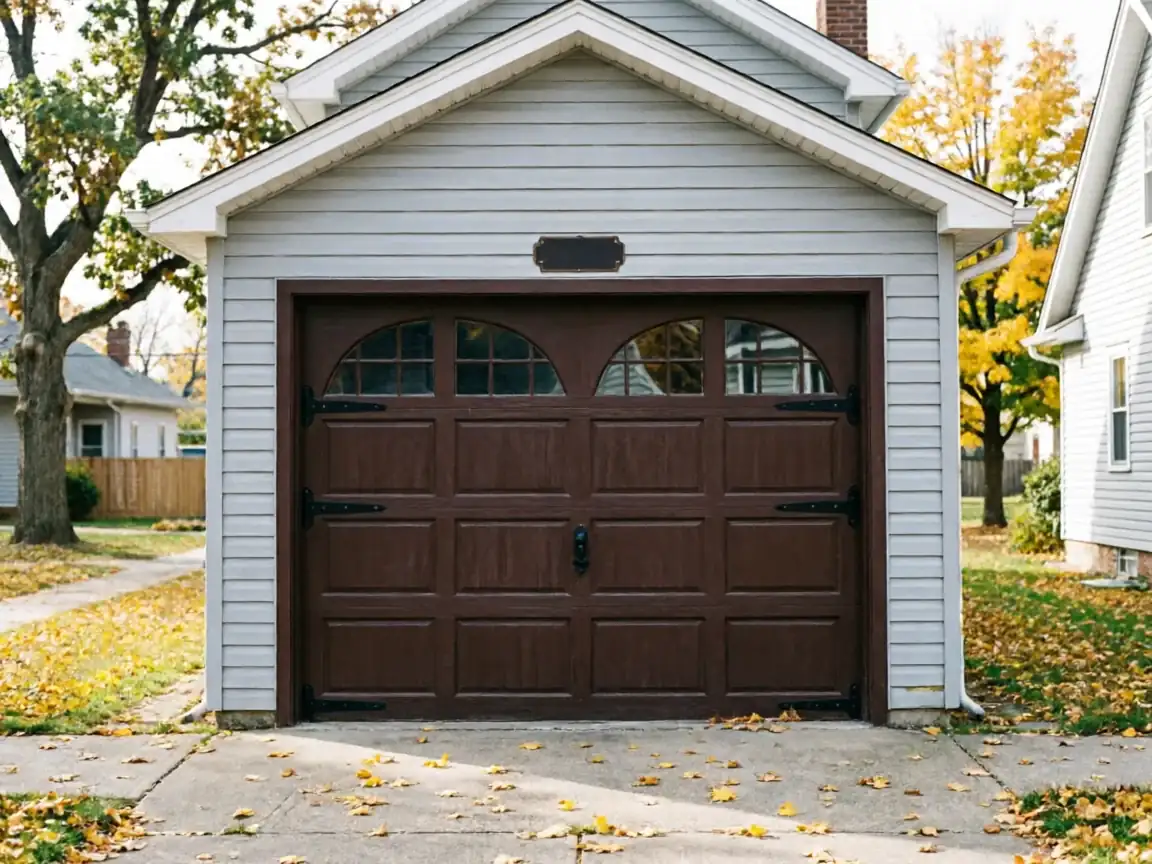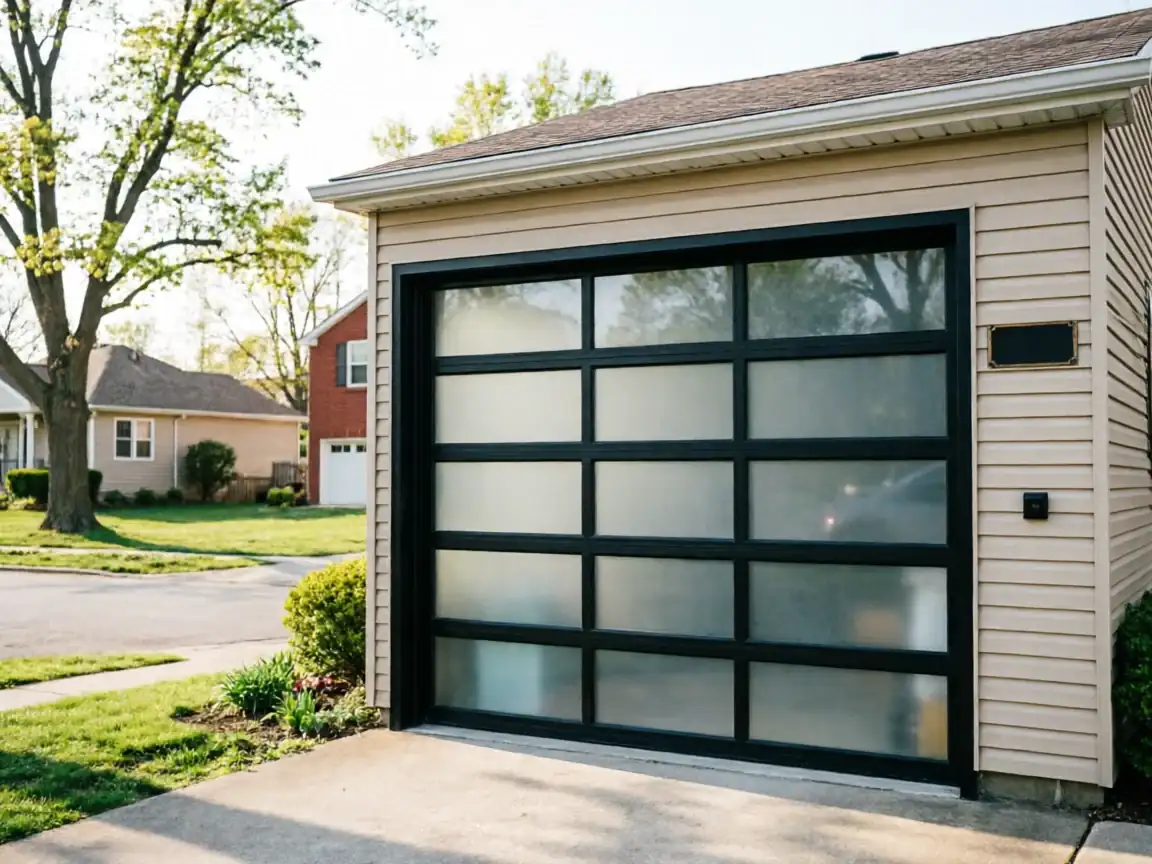
What the Fix Involves
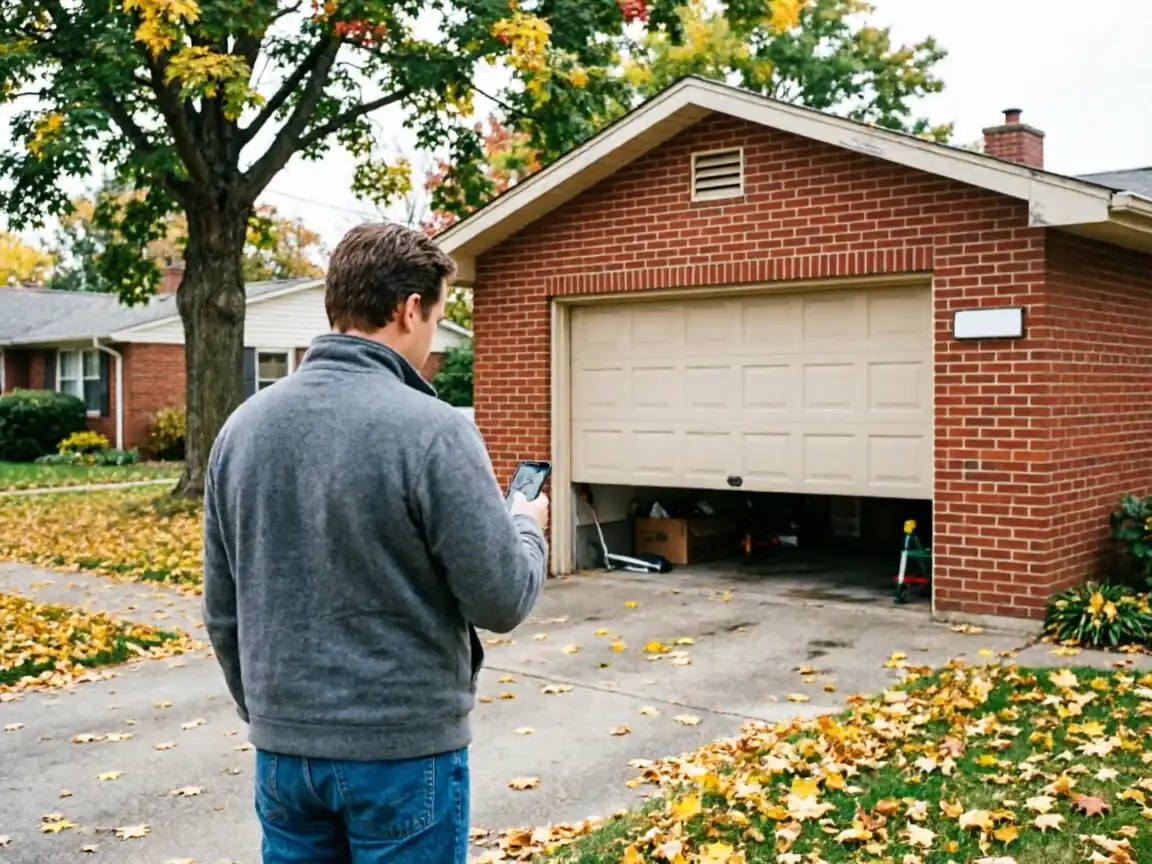
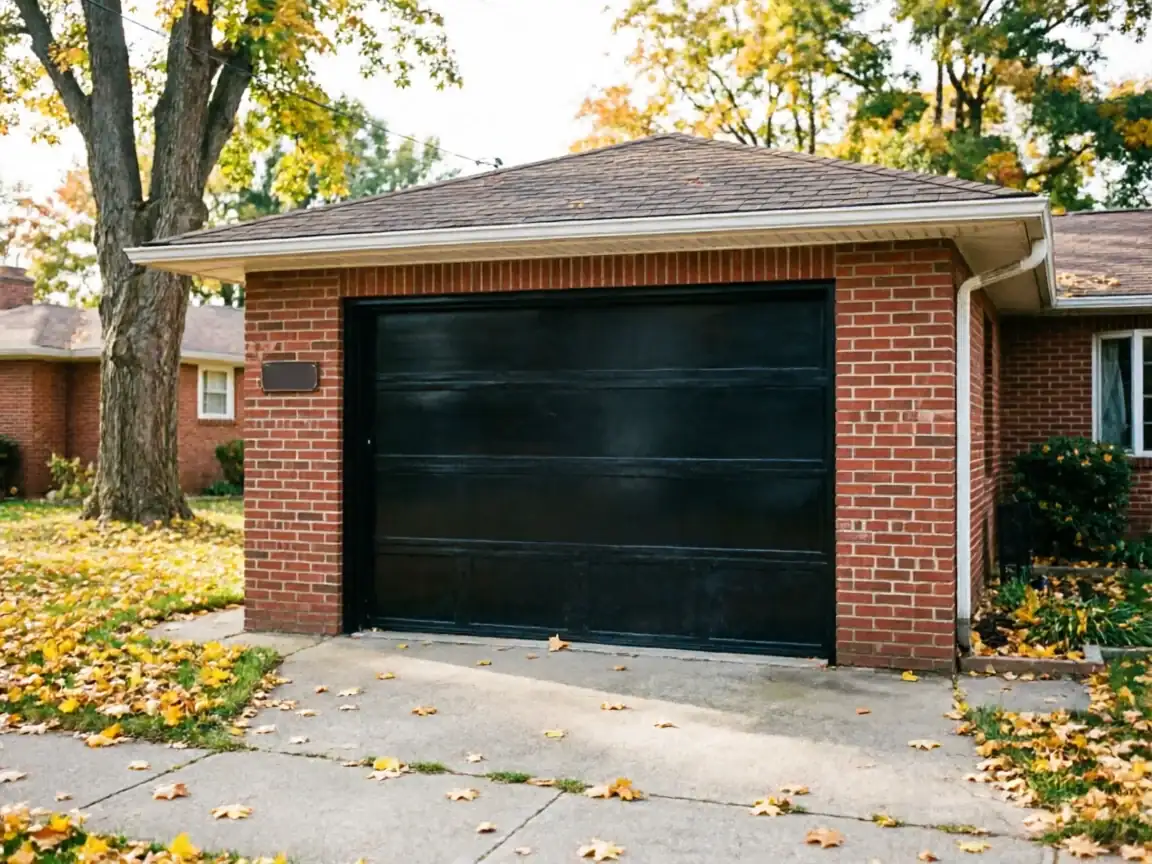
Most houses in Vermilion went up around 1966
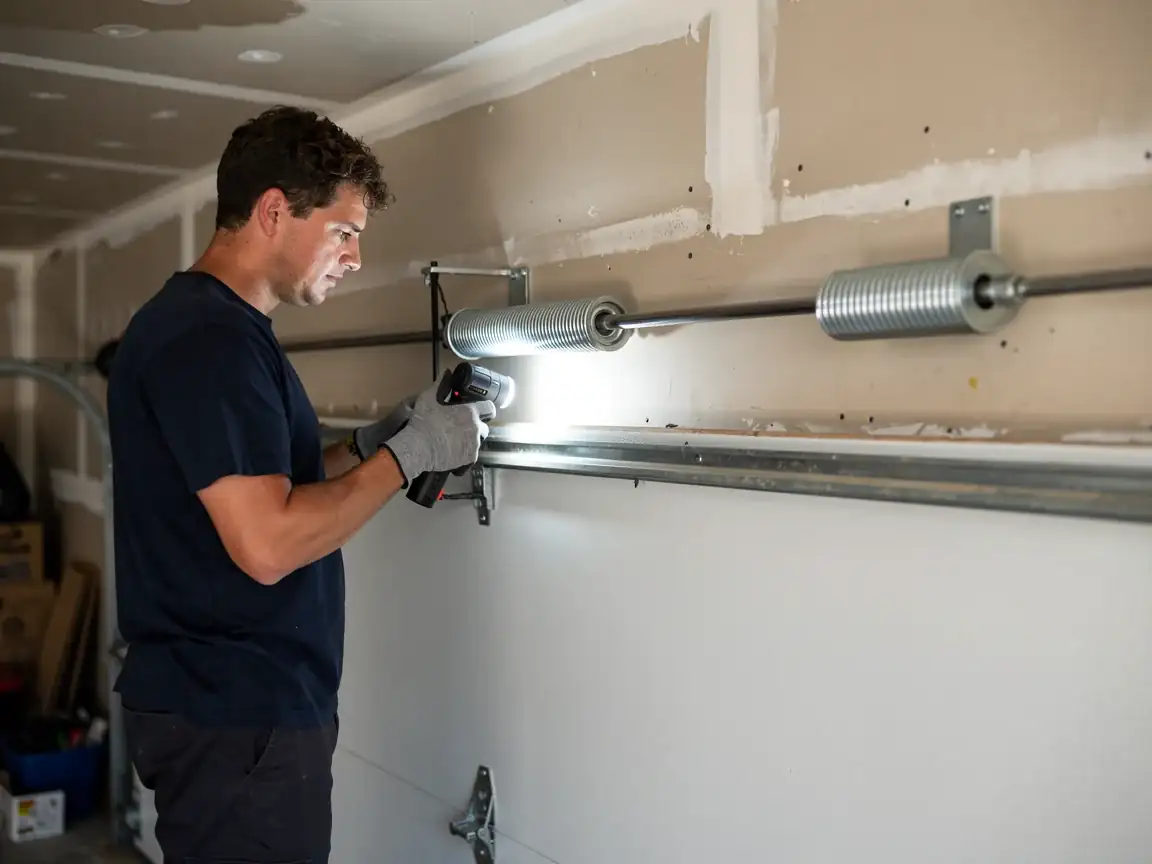
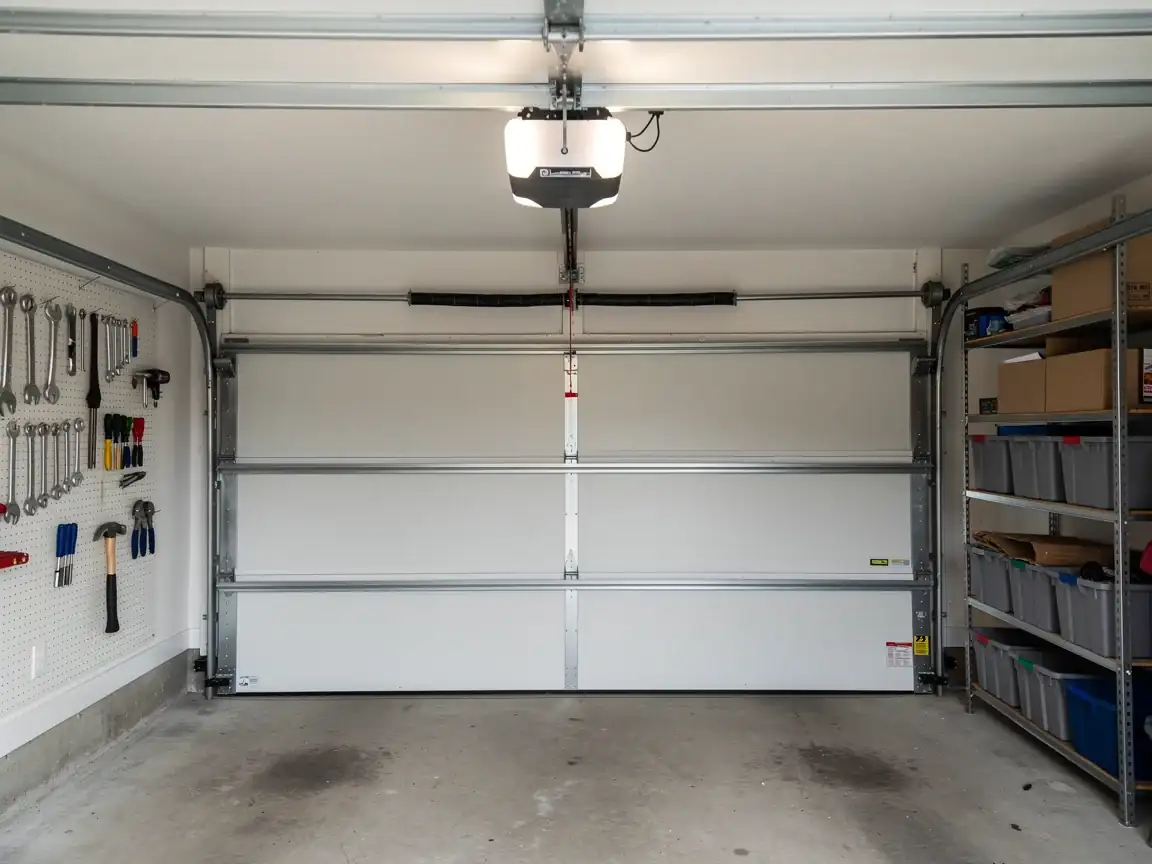
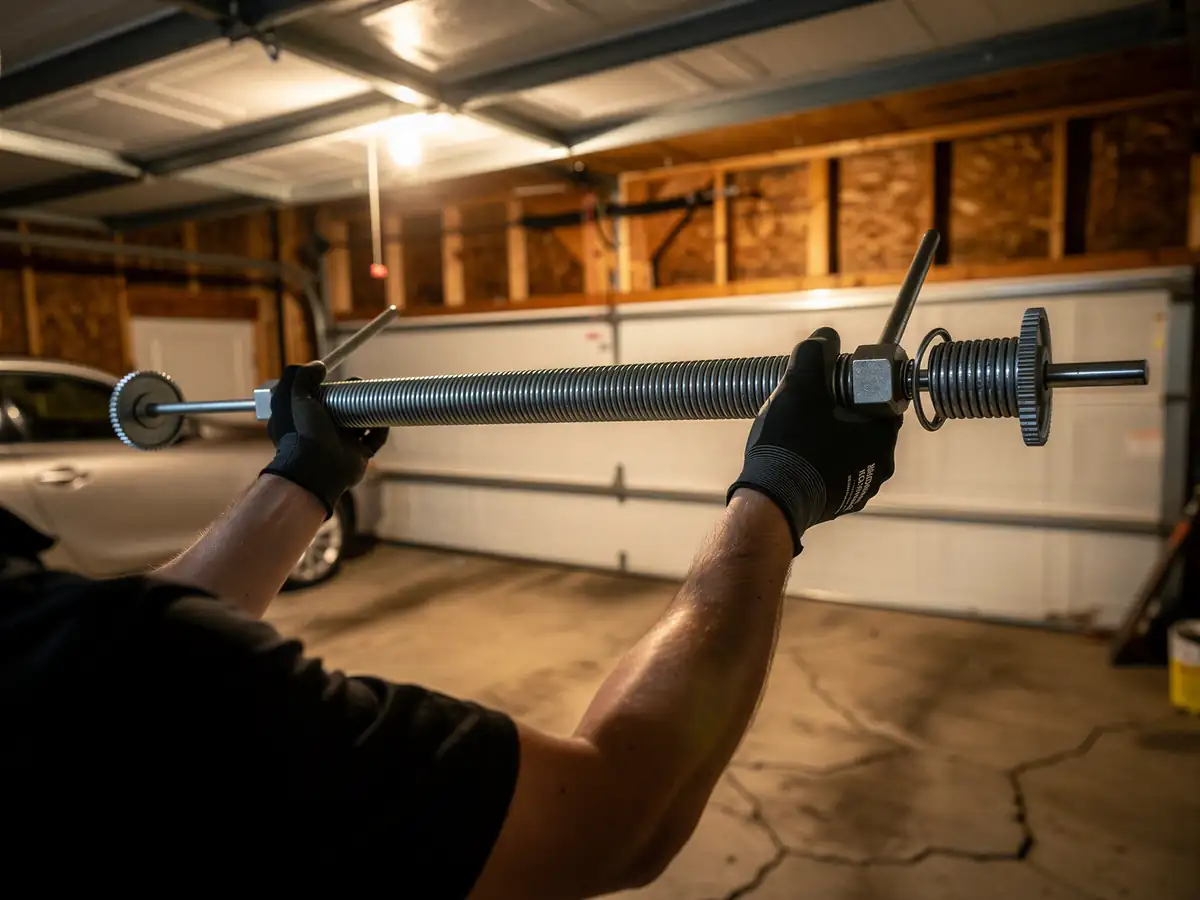
Right in the middle of the broader 1938-2002 range we see across the service area. By the mid-60s, builders had mostly moved past the old single-panel doors on extension springs and were putting in sectional steel doors on torsion springs mounted above the opening. That's the hardware we expect to find on a first visit here: a single torsion spring, or a pair on wider double doors, wound to a tension that matches the door's weight and track pitch from that era.
The fix itself is straightforward once we're on site
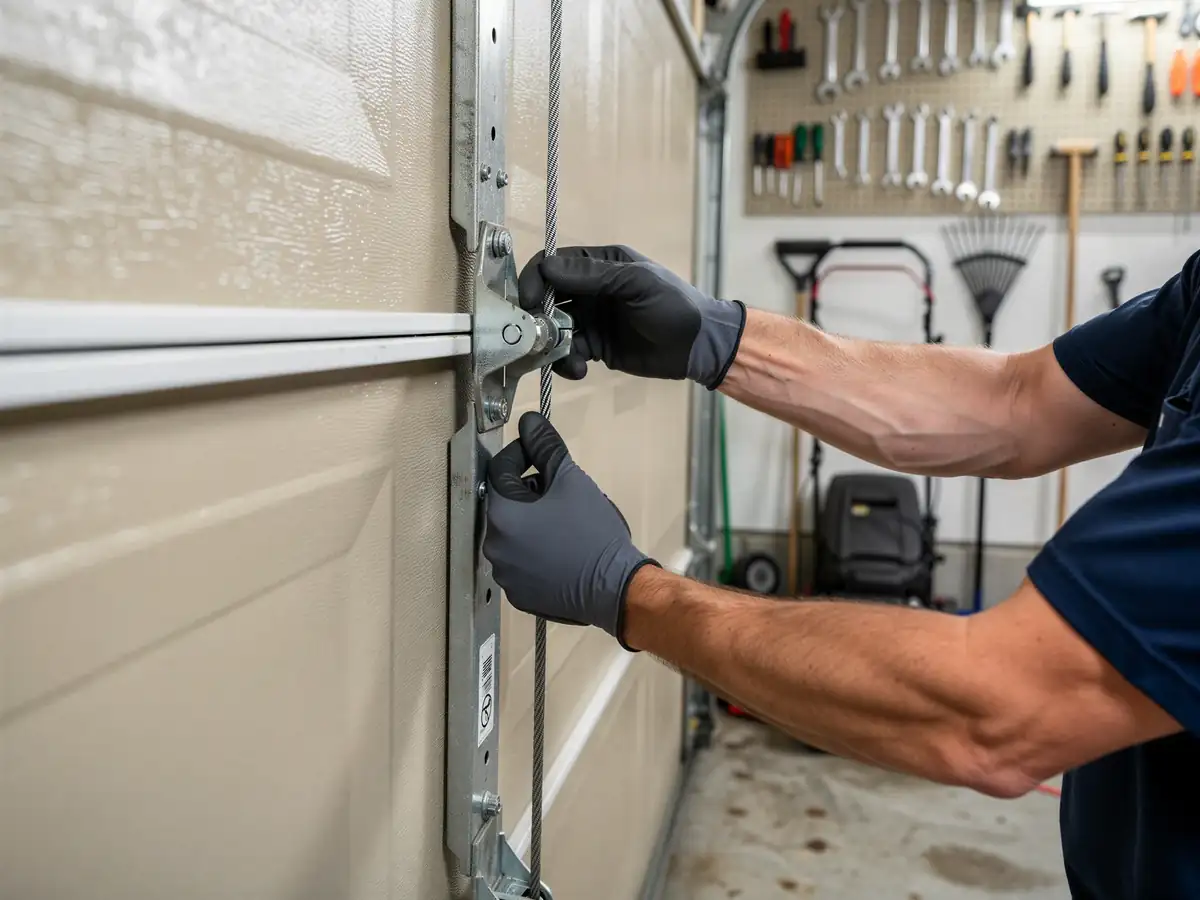
We unwind the old spring, measure the wire gauge and wind length against the door's actual weight (not just what's written on a sticker that's 50 years old and probably wrong by now), and install a replacement rated for that load. On a lot of these original installs, the spring was sized close to code minimum, which is part of why they're failing now instead of lasting another decade.
- 50 years
We don't patch a cracked spring or re-tension a worn one
Once the coil shows a crack or has lost temper, it gets replaced - stretching that job out with a partial fix just moves the failure to a worse moment, usually with the door open and loaded.
How It Shows Up
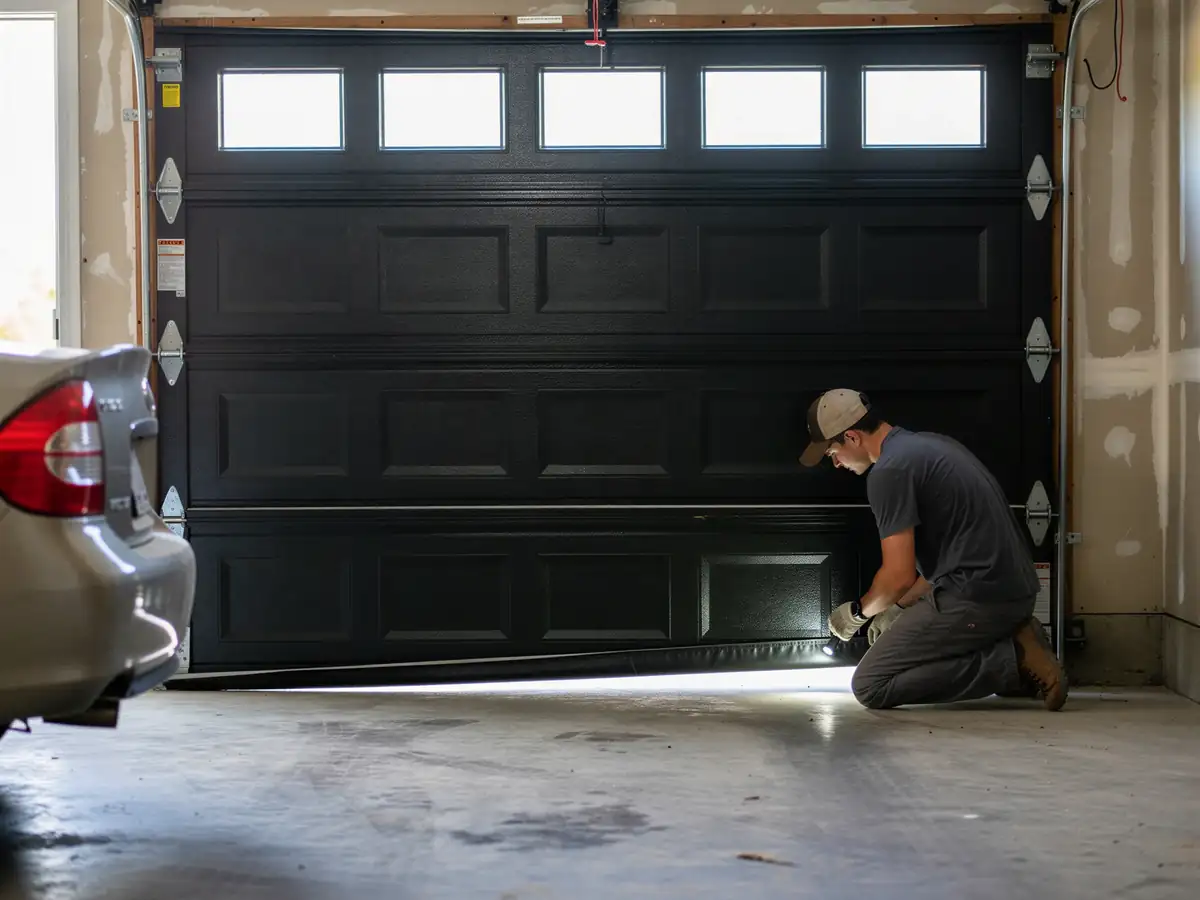
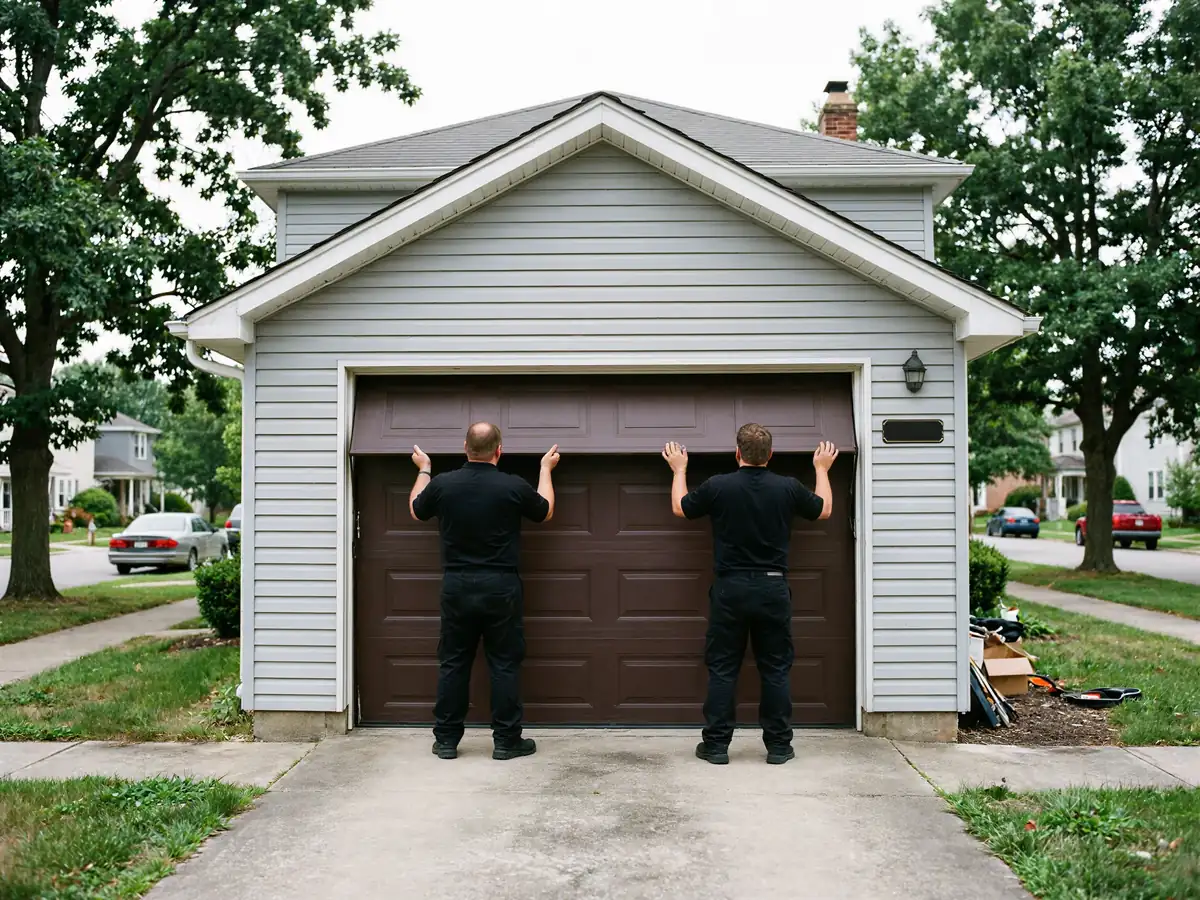
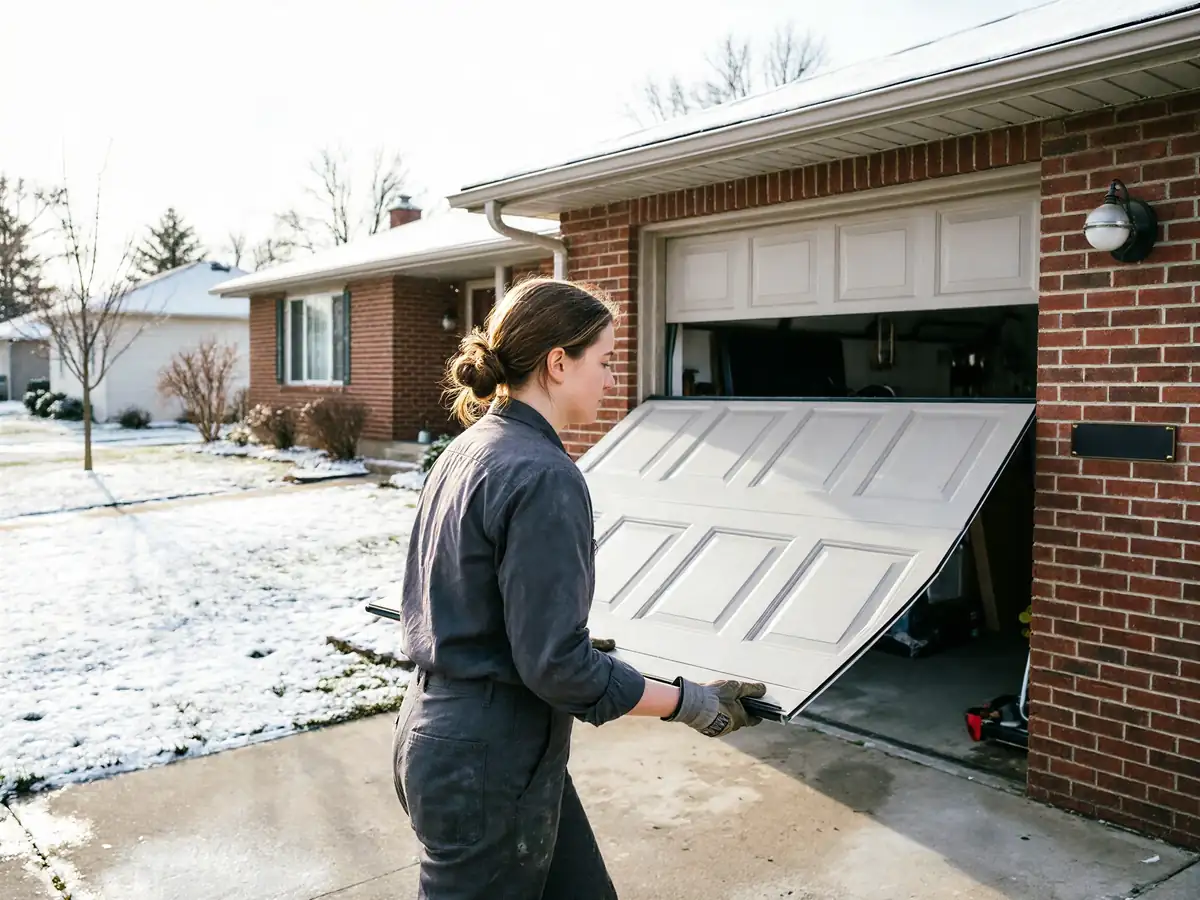
The classic sign is a door that won't lift, or an opener that strains and reverses partway up. If you pull the release cord and try it by hand, a broken torsion spring means the door feels like it weighs twice what it should - because without the spring, it does. A loud bang from the garage, especially in cold weather, is usually the spring letting go, not something falling off a shelf.
In Vermilion's climate band - cold, moderate winters - steel springs cycle through more temperature swings than they would somewhere milder, and that thermal stress on 1960s-era coils is part of what we're called out for. A spring that's merely fatigued rather than snapped will show as a door that closes unevenly, drifts down a few inches on its own, or needs more opener force each month until it finally gives out.
How Long You Are Without the Door
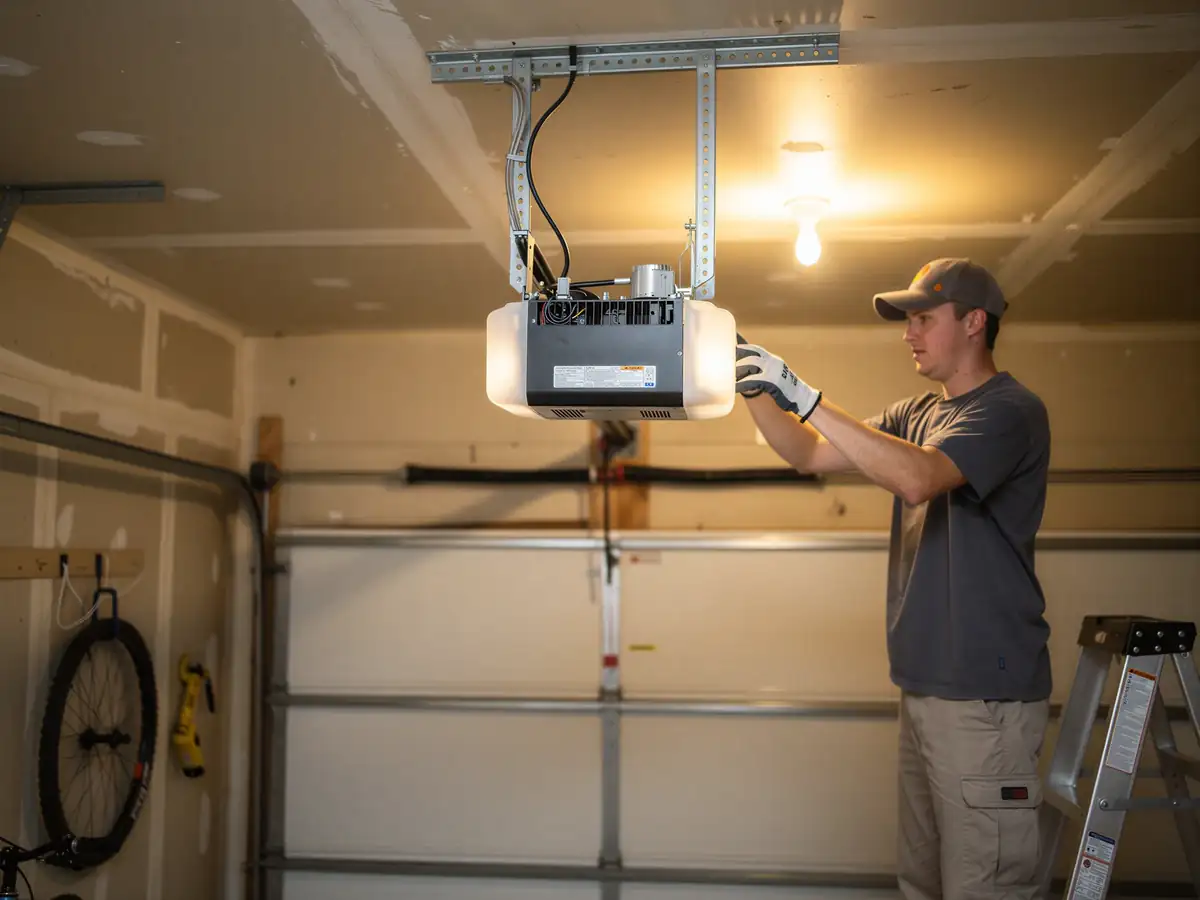
Once we're on site in Vermilion, a standard single-spring replacement is usually a same-visit job - we don't leave a door down overnight if we can help it. Double doors with two springs take a bit longer since we replace both even if only one failed, because the second one is close behind it in wear.
We travel the 7 miles out from Lorain, and that drive is built into how we schedule the day rather than something that adds a separate wait once we're there. The time sink isn't the repair itself - it's matching the right spring to the door. On original 1960s doors we sometimes need to confirm wire diameter and wind direction against the actual drum and track setup rather than guessing from the door's age alone, since replacement parts over the decades don't always match factory originals exactly.
Parts We Carry
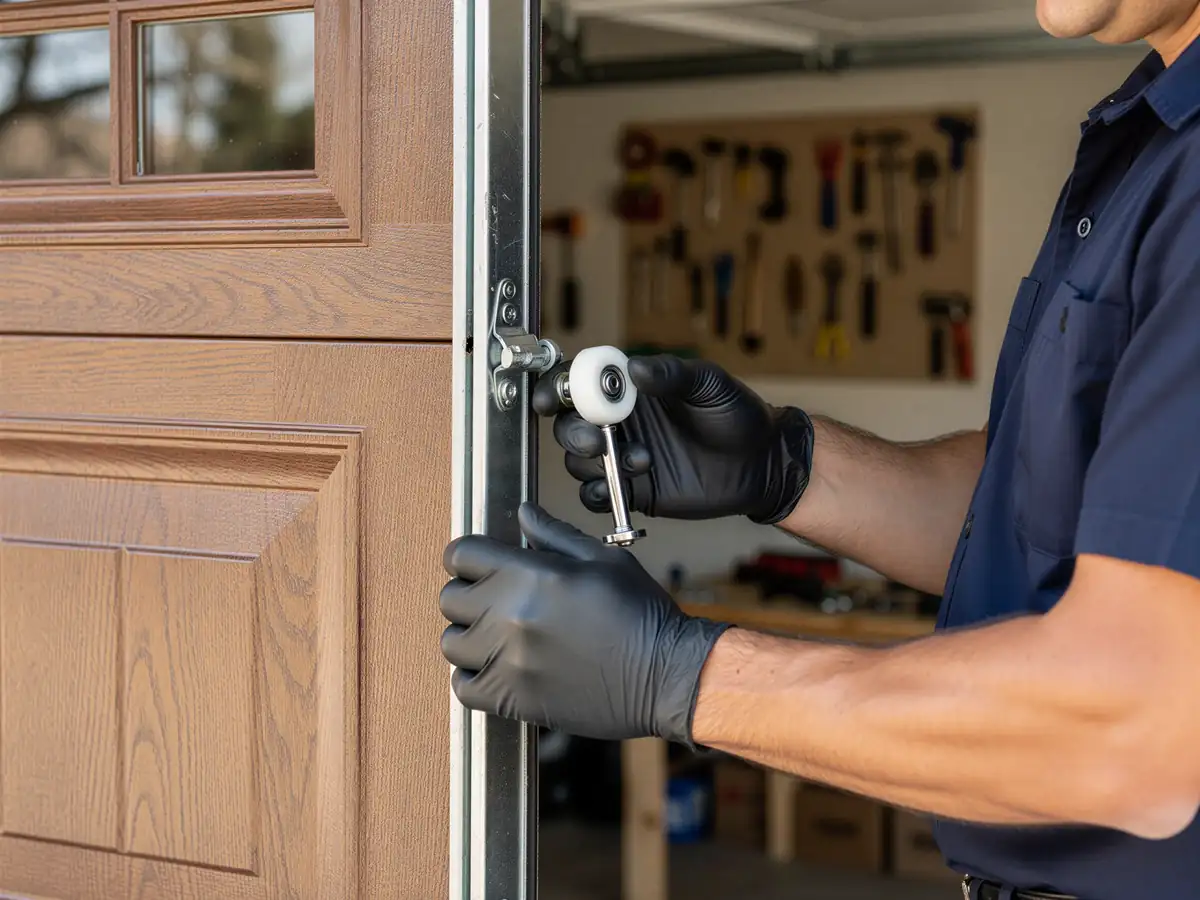
We stock torsion springs across the common wire gauges and wind lengths that fit the sectional steel doors typical of Vermilion's 1960s housing stock
Along with the standard drums and cables that usually get swapped out alongside a spring replacement when they show wear. For doors that have had hardware replaced piecemeal over the years - a different brand of opener bolted onto an original track, for instance - we carry enough variety to match what's actually on the door rather than forcing a one-size part onto it.
What we don't carry on the truck is anything made to order
A spring for an unusual custom door width, or a part for an opener model old enough that the manufacturer no longer makes it. Those jobs sometimes mean a short wait on a special order, and we'll tell you that up front rather than promise a same-day fix we can't deliver.
Can You Do This Yourself
We'd rather you didn't, and not because we're protecting the job. A torsion spring under tension can take a finger or worse if the winding bars slip, and the tension on a spring sized for a standard steel door - the kind common in this area - is enough to do real damage. If you're comfortable with the mechanics, the safer DIY move is to check the obvious things first: are the springs visibly rusted or cracked, is the door balanced when disconnected from the opener, are cables frayed at the drum. If any of that looks off, that's the point to call rather than pull out winding bars you don't use often.