How It Shows Up
In Avon, the call usually starts the same way
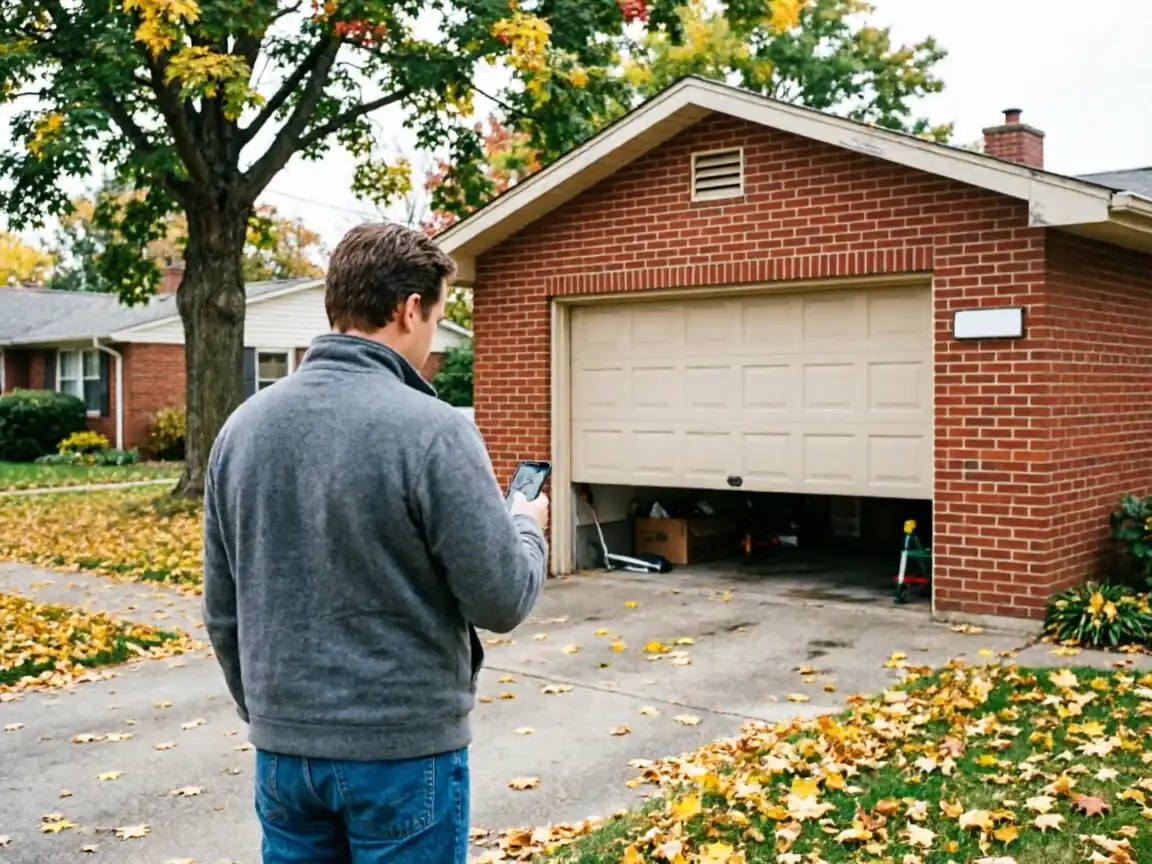
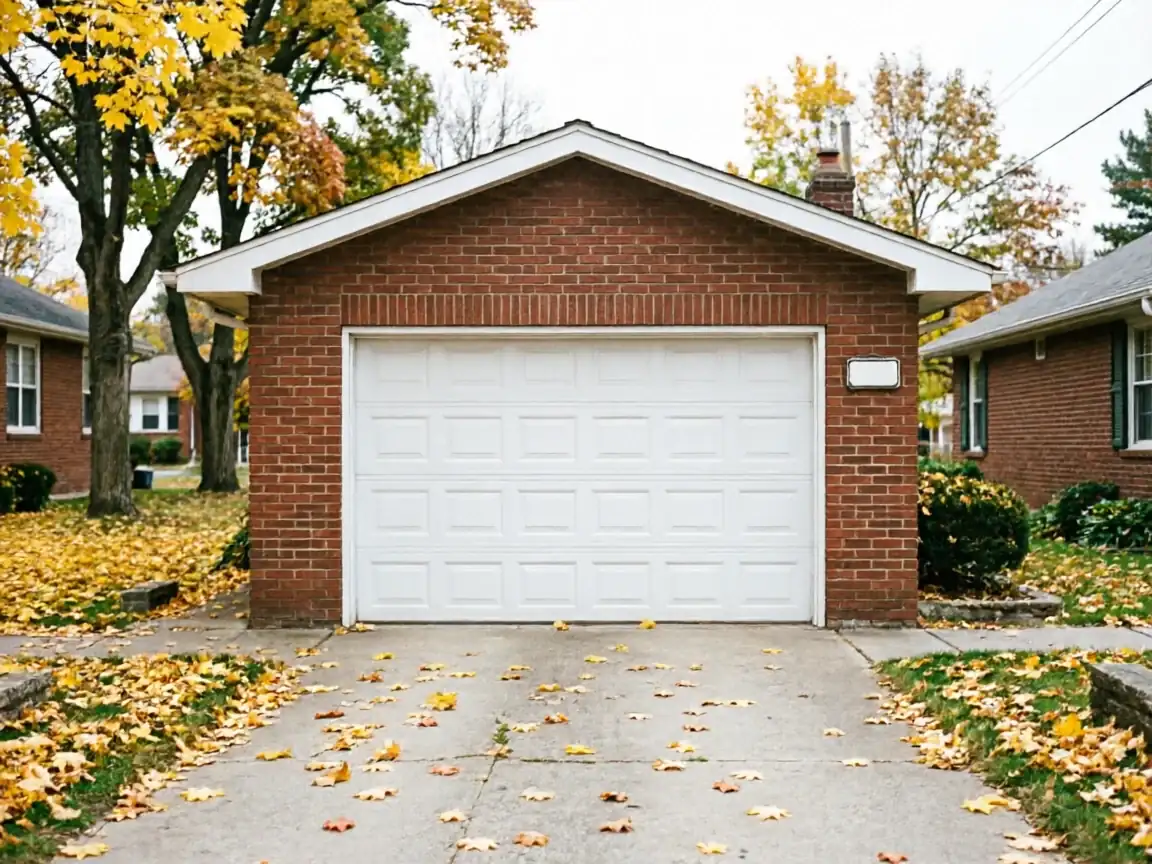
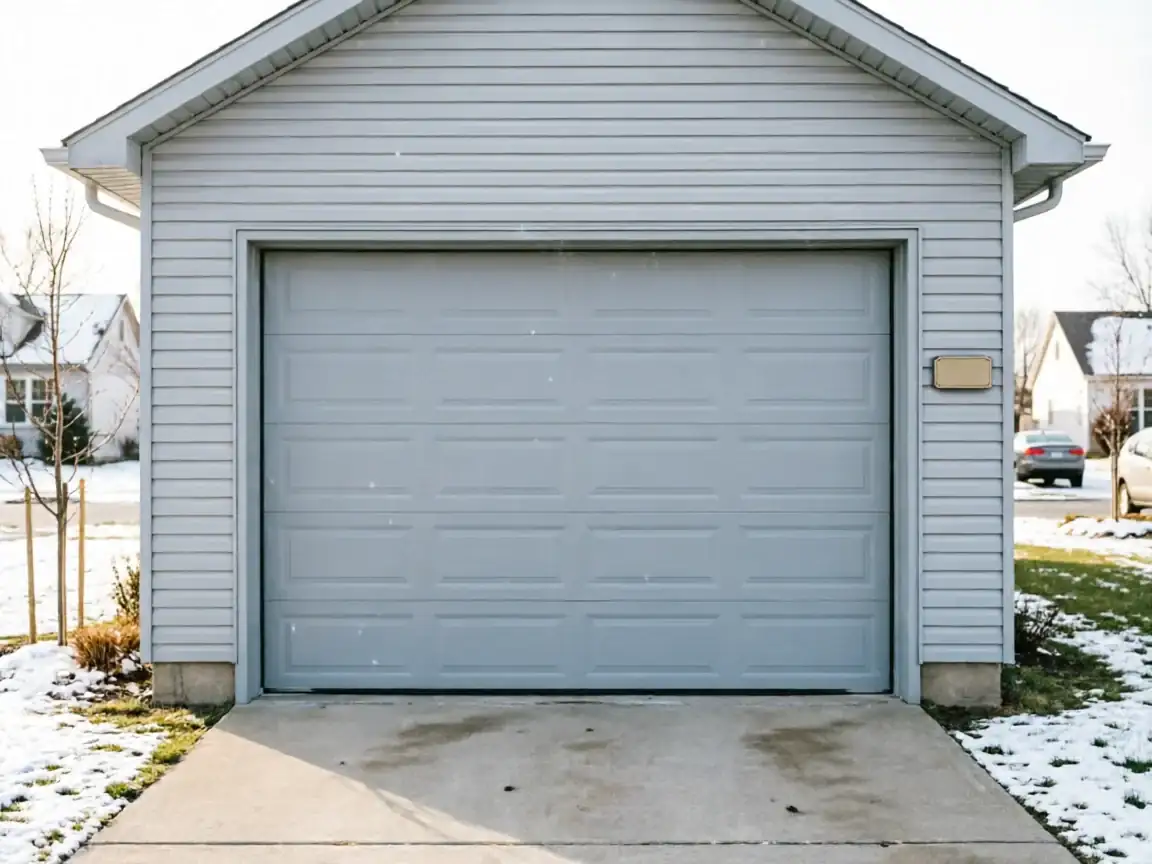
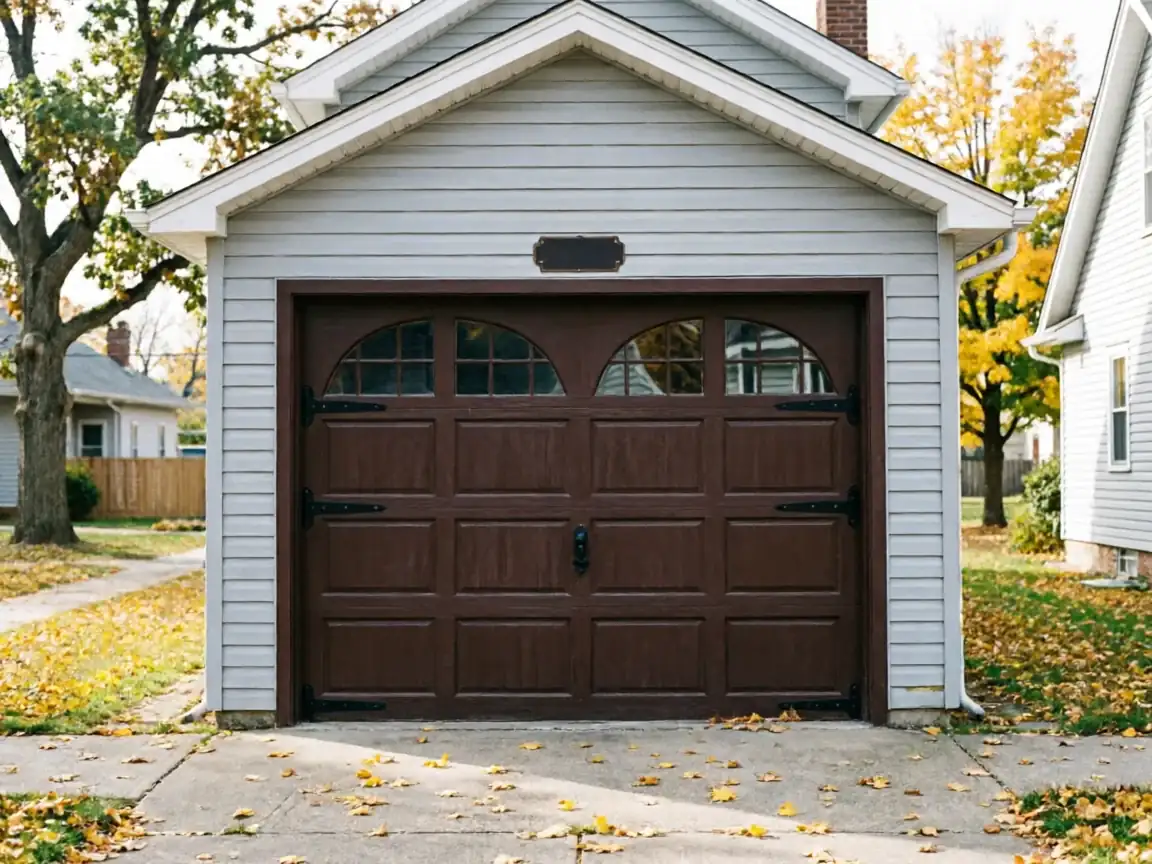
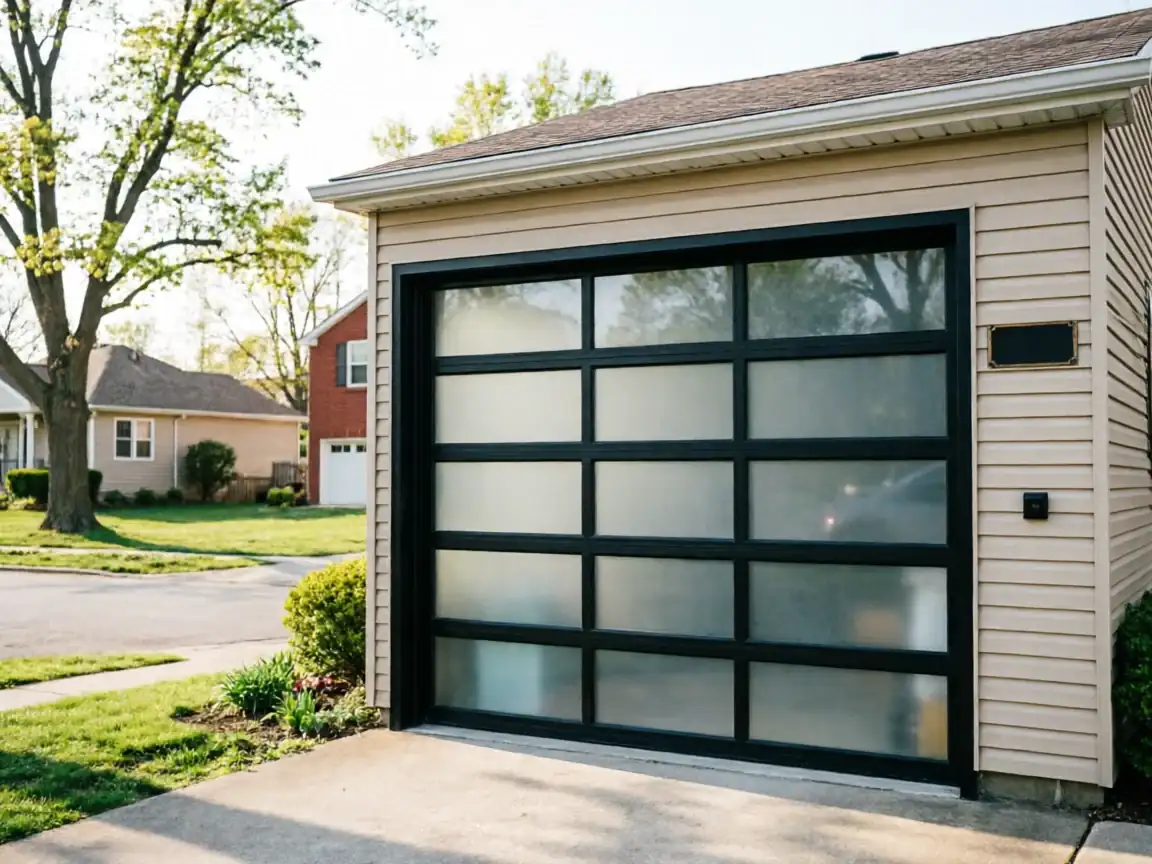
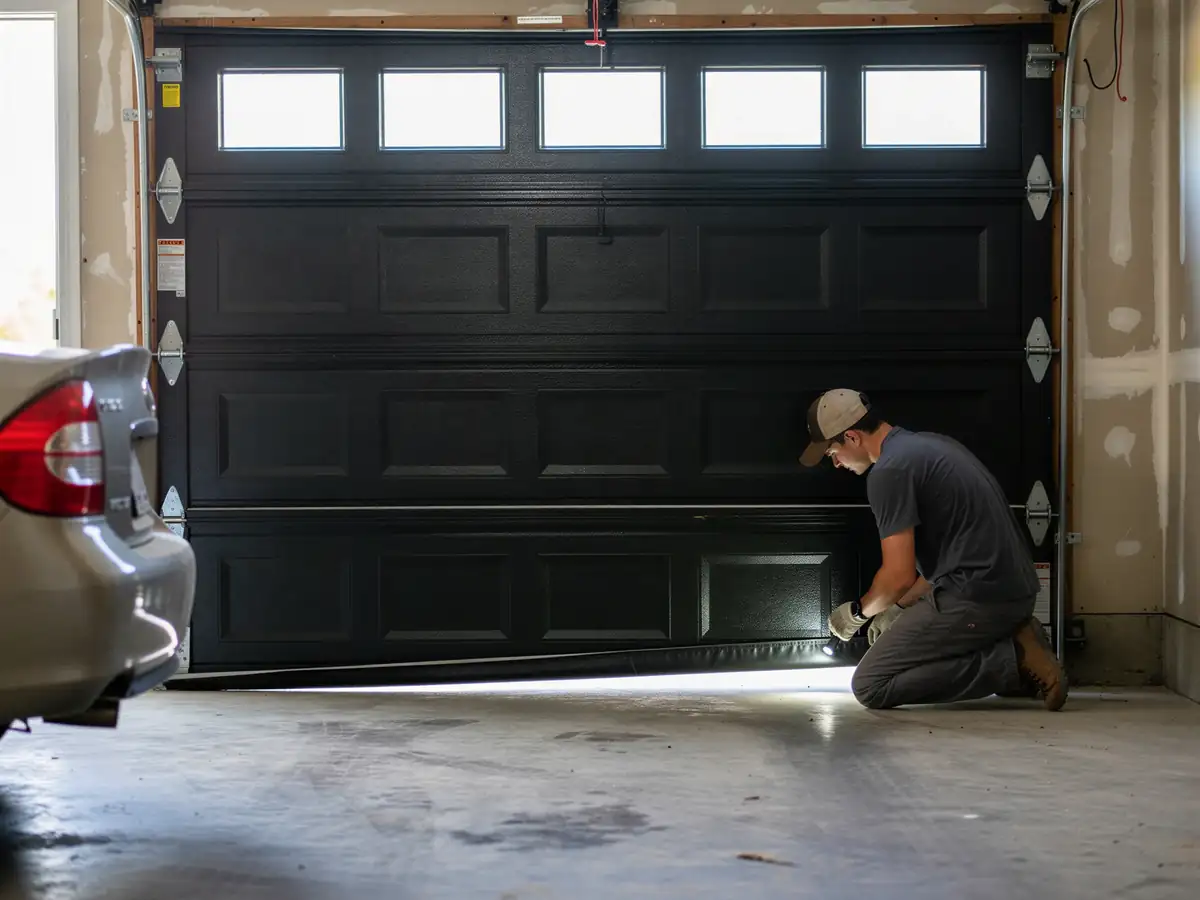
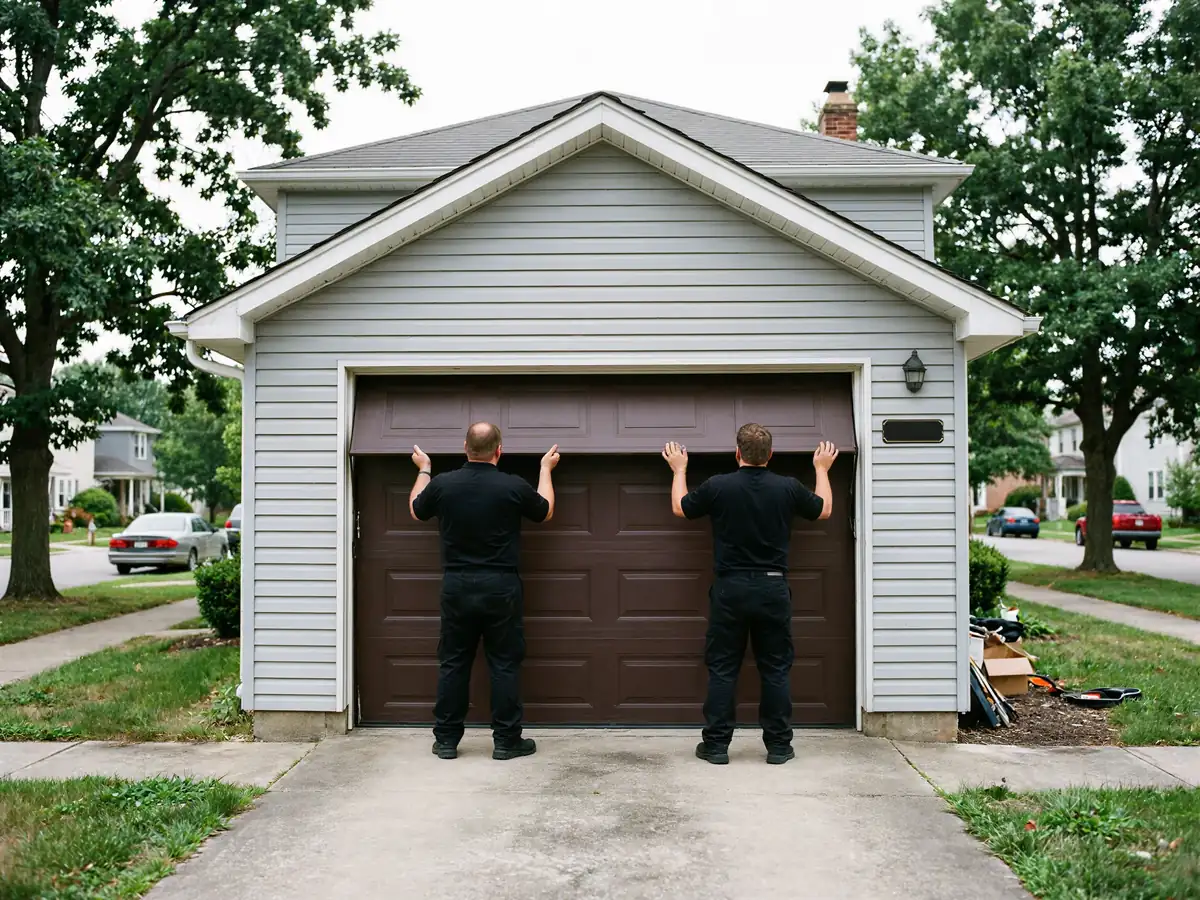
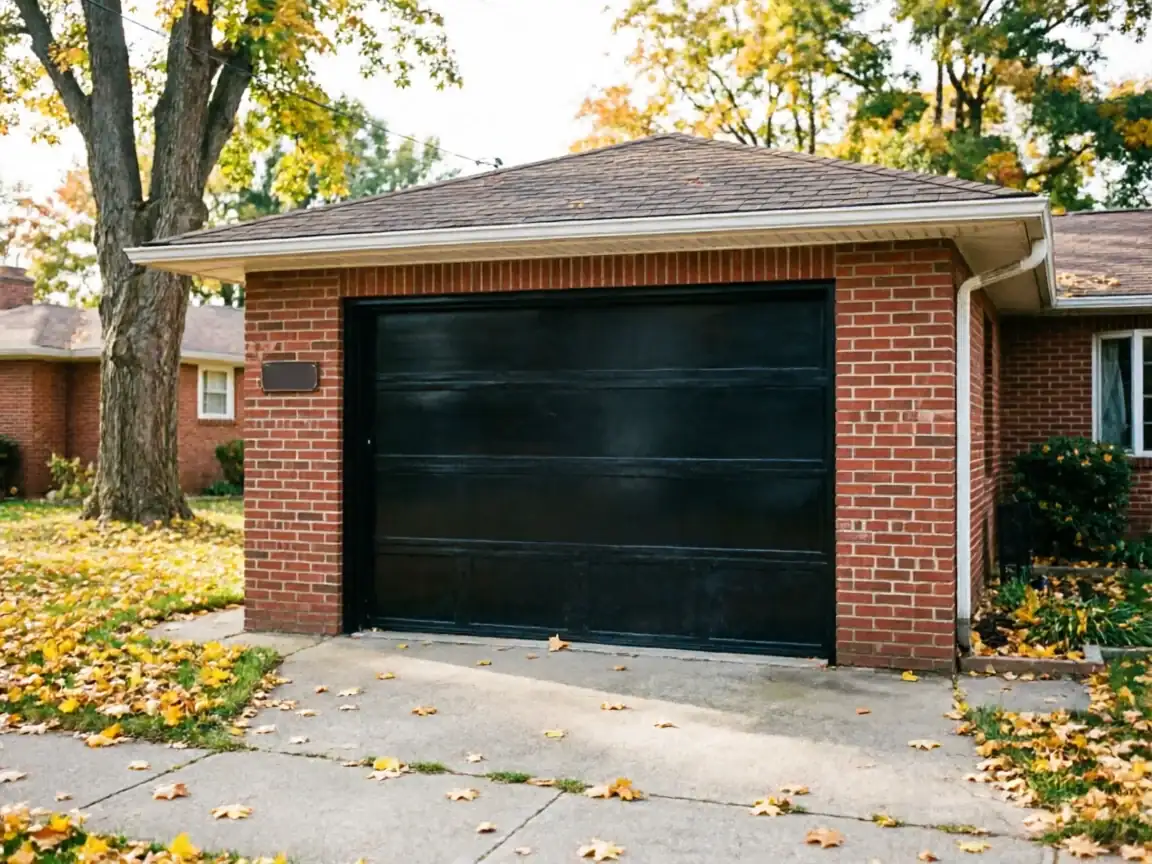
The door hangs crooked on one side, or it drops partway and stops dead. That's a cable that's frayed through or jumped its drum. Because Avon's housing stock runs newer than most of the towns we cover from Lorain - median build year here is 2001, against 1968 across the wider service area - you're mostly dealing with torsion spring setups and taller, wider double-car openings rather than the older extension-spring single doors we see further out. Those bigger doors put more load on each cable, and when one goes, the door doesn't ease down, it drops.
Newer construction doesn't mean newer cables, though
A house built in 2001 is still old enough that its original garage door cables have likely seen two decades of winter cold and summer stretch. In this cold-moderate climate band, galvanized cable strands corrode from the inside where you can't see it, then let go without much warning - often on the coldest morning of the year, when the steel is least forgiving.
What the Fix Involves
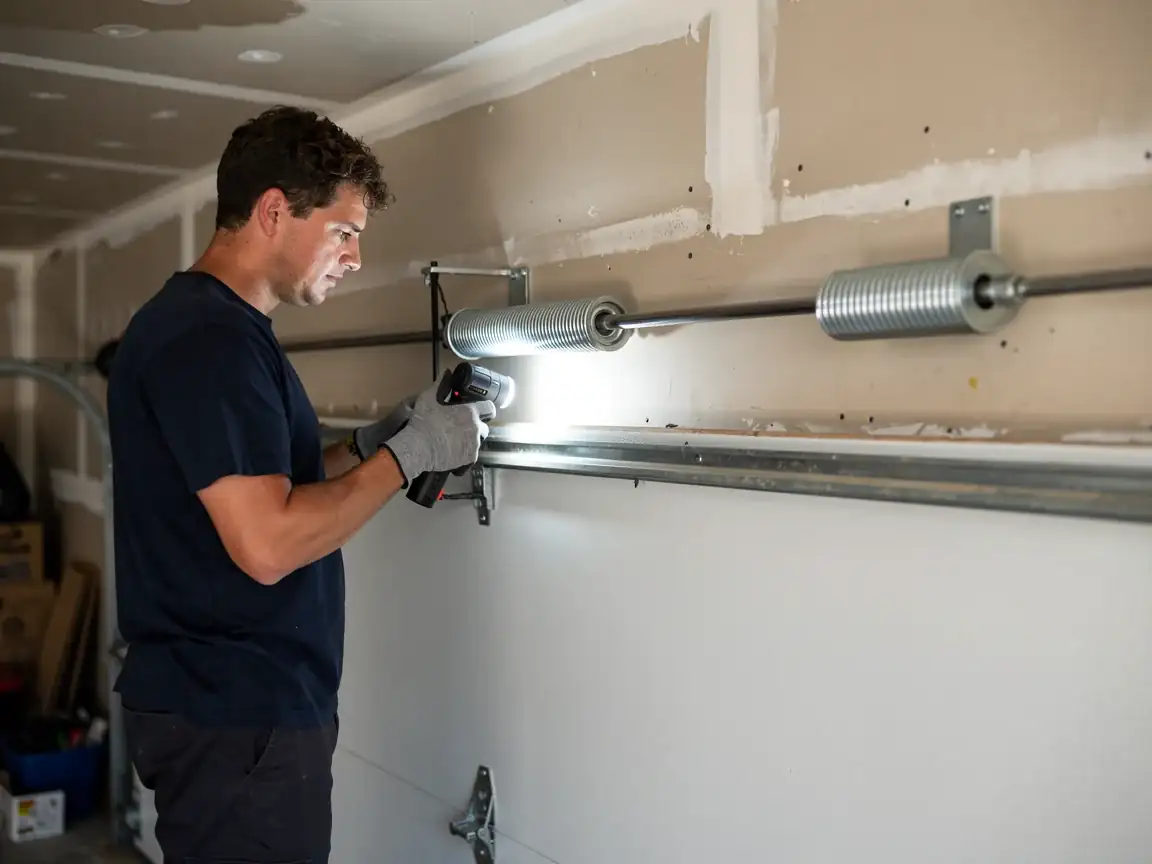
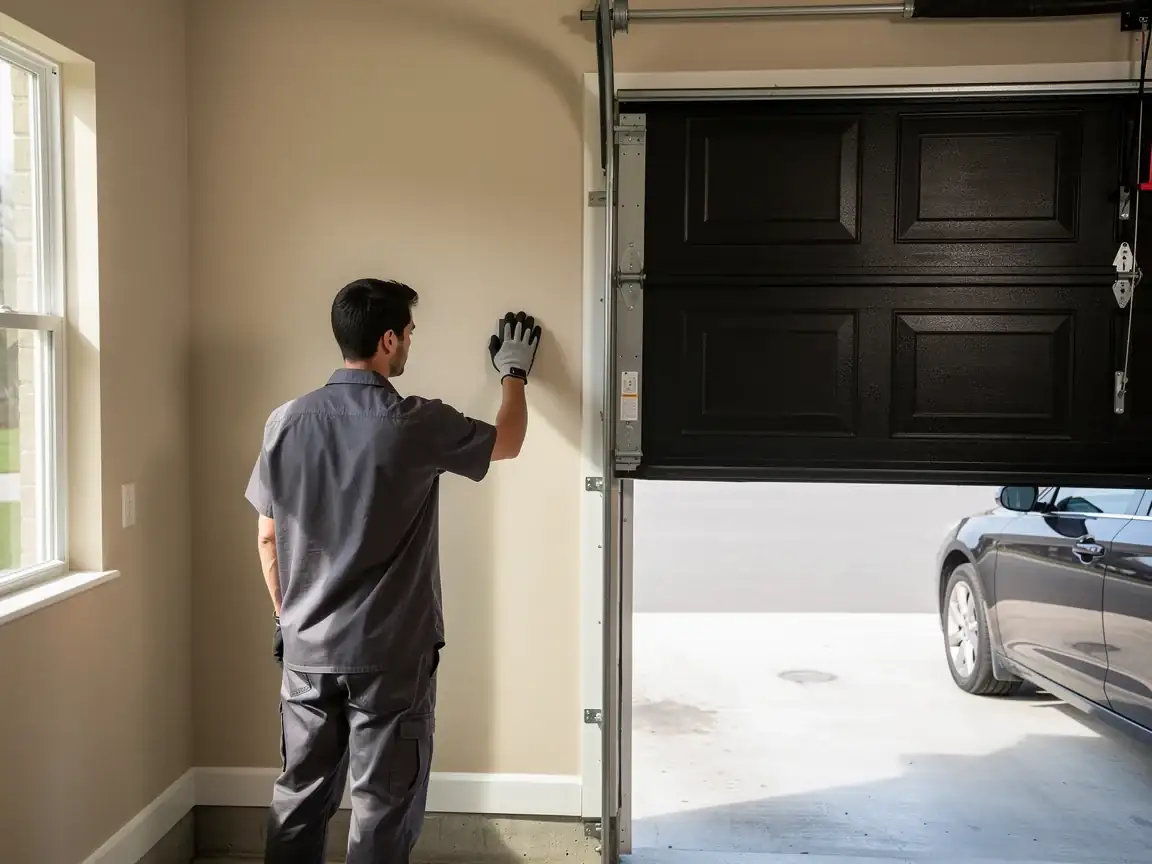
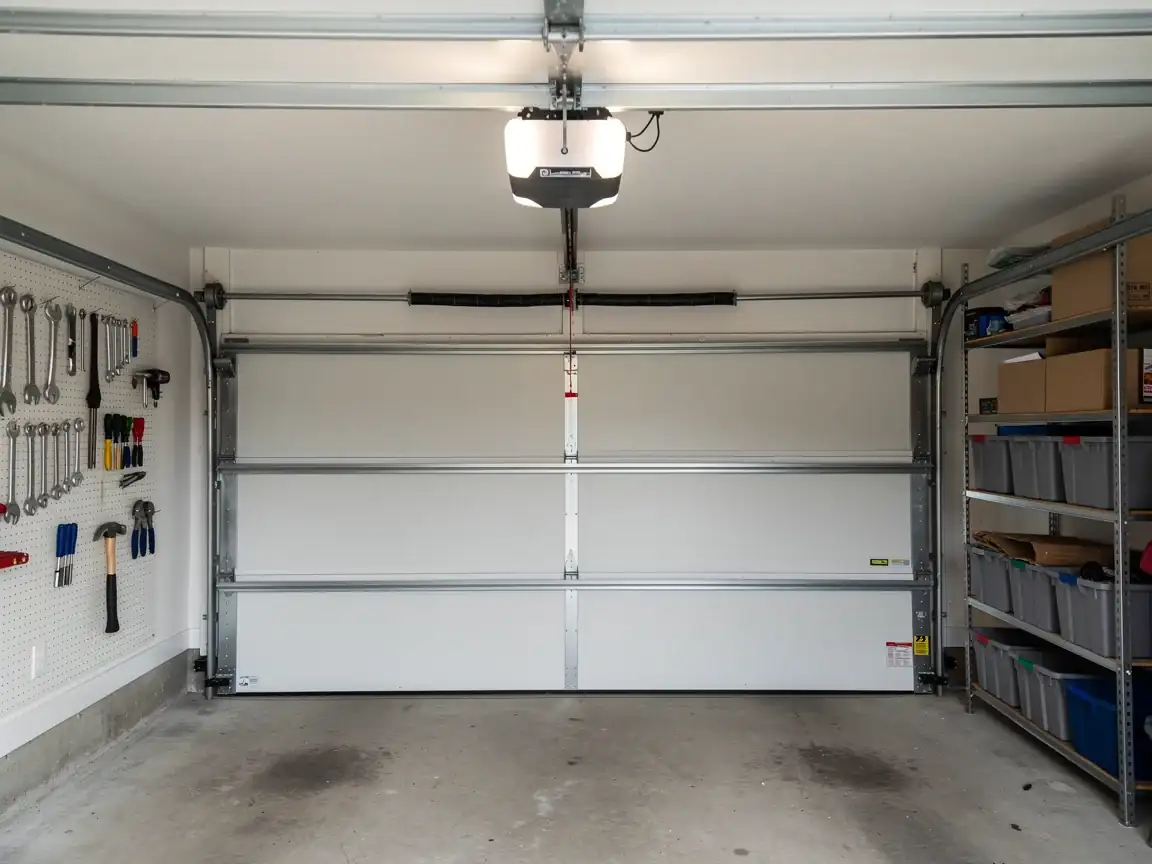
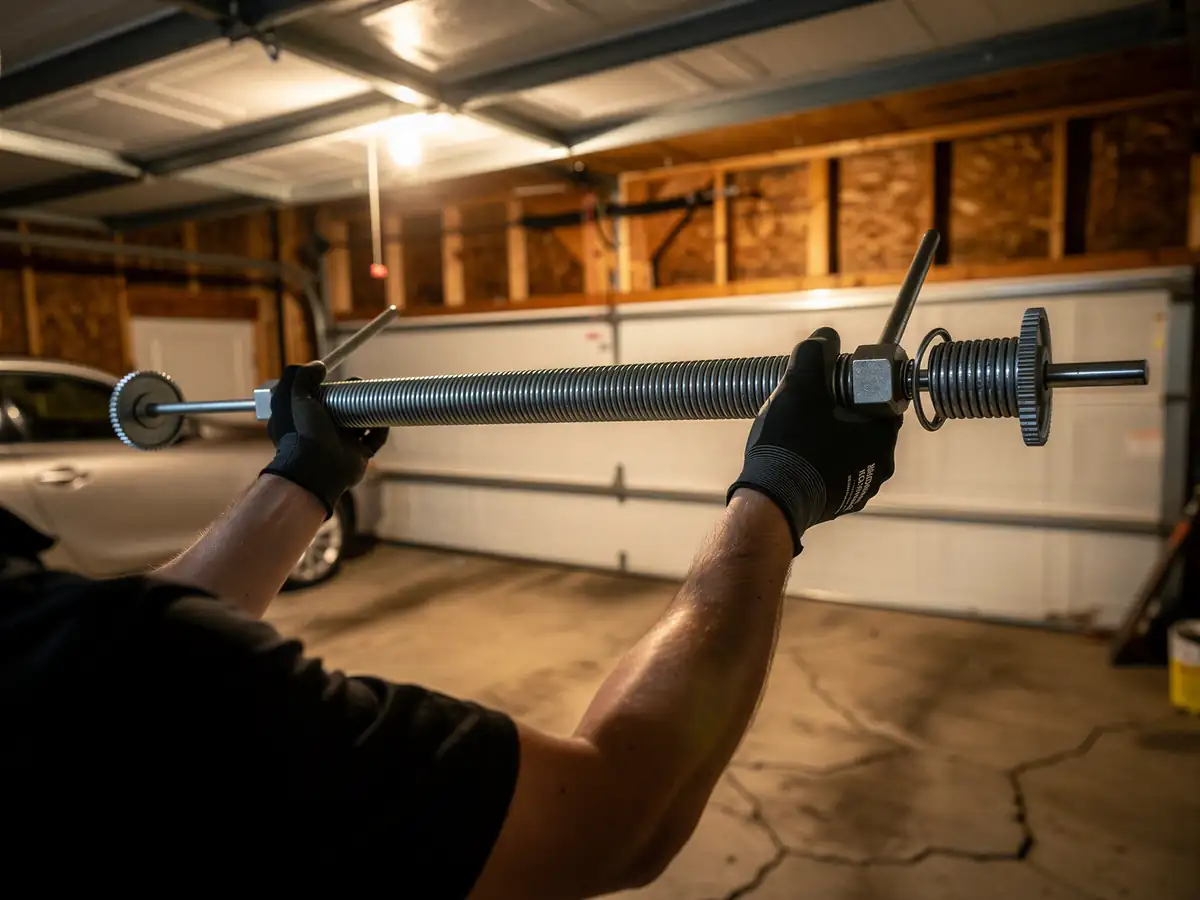
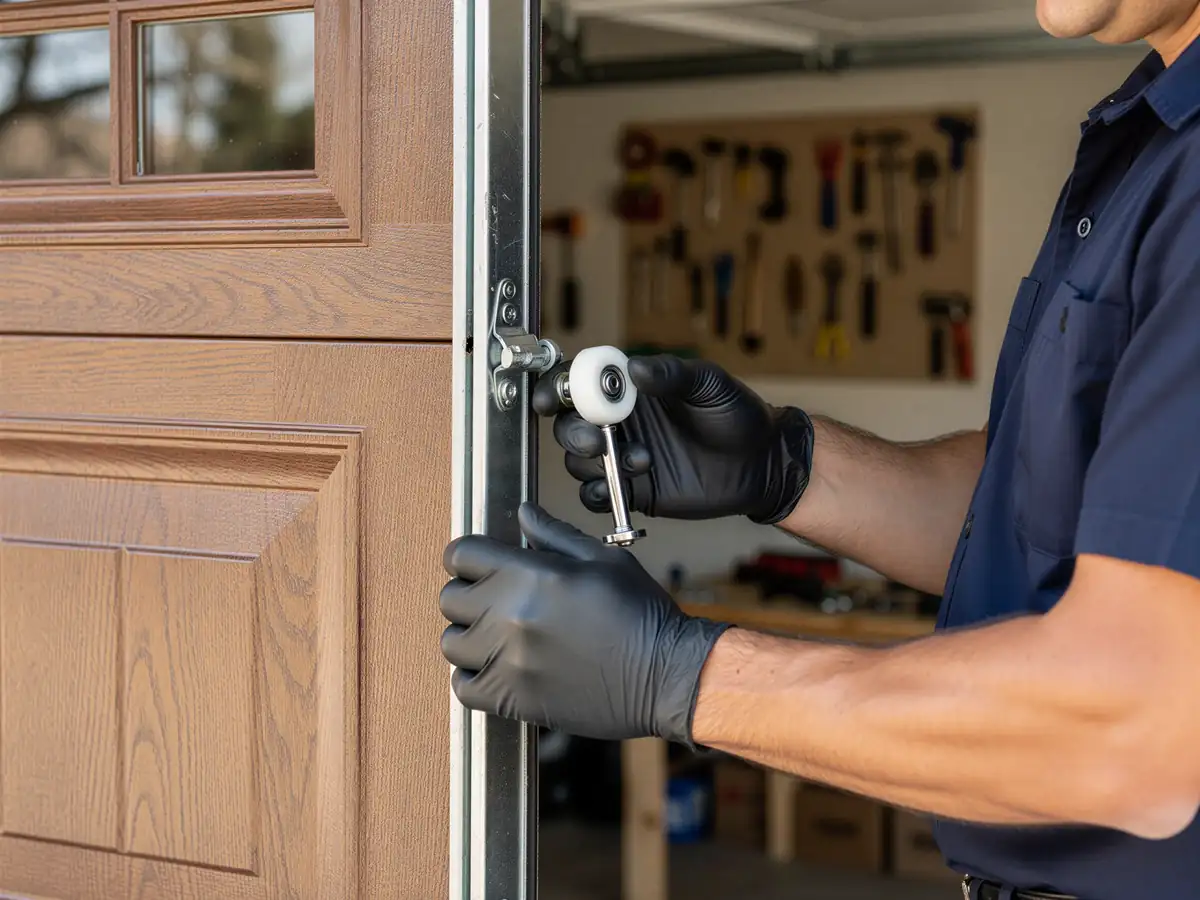
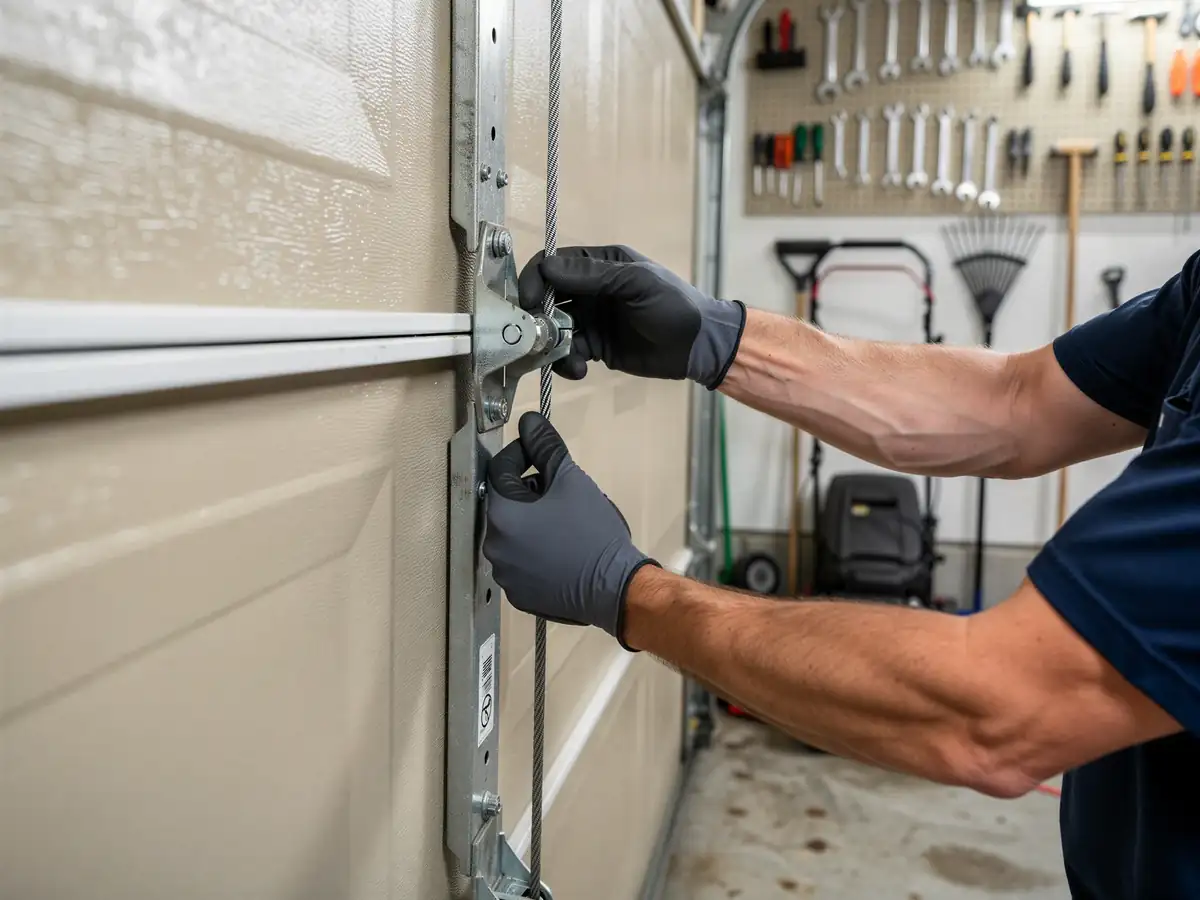
We pull the door down under control, lock out the torsion springs so nothing can unwind on us, and pull both cables regardless of which one failed. If one side went, the other is the same age and under the same wear, and replacing just one means we're back at your house in a season or two for the match. We check the drums for grooving, the bottom brackets for the stress cracks that show up on wider double doors, and the track alignment, since a dropped door off one cable usually knocks the rollers sideways on its way down.
On the bigger double-door openings common in Avon's newer subdivisions, we're also checking that the cable gauge matches the door weight. Builders sometimes spec a lighter cable than the door calls for, and it shows up as repeat failures on a door that's otherwise in good shape.
Parts We Carry
We carry standard galvanized aircraft cable in the common lengths and gauges used on residential torsion and extension systems, plus the stop fittings and drums that go with them. For double doors - the more common width in Avon's newer-build neighborhoods - we carry the heavier cable rated for that span. What we don't stock on the truck is anything custom: a non-standard door width, an unusual drum size from a specialty manufacturer, or odd-length track conversions. Those take an order, and we'll tell you straight if your door needs one instead of promising a same-visit fix we can't deliver.
Can You Do This Yourself
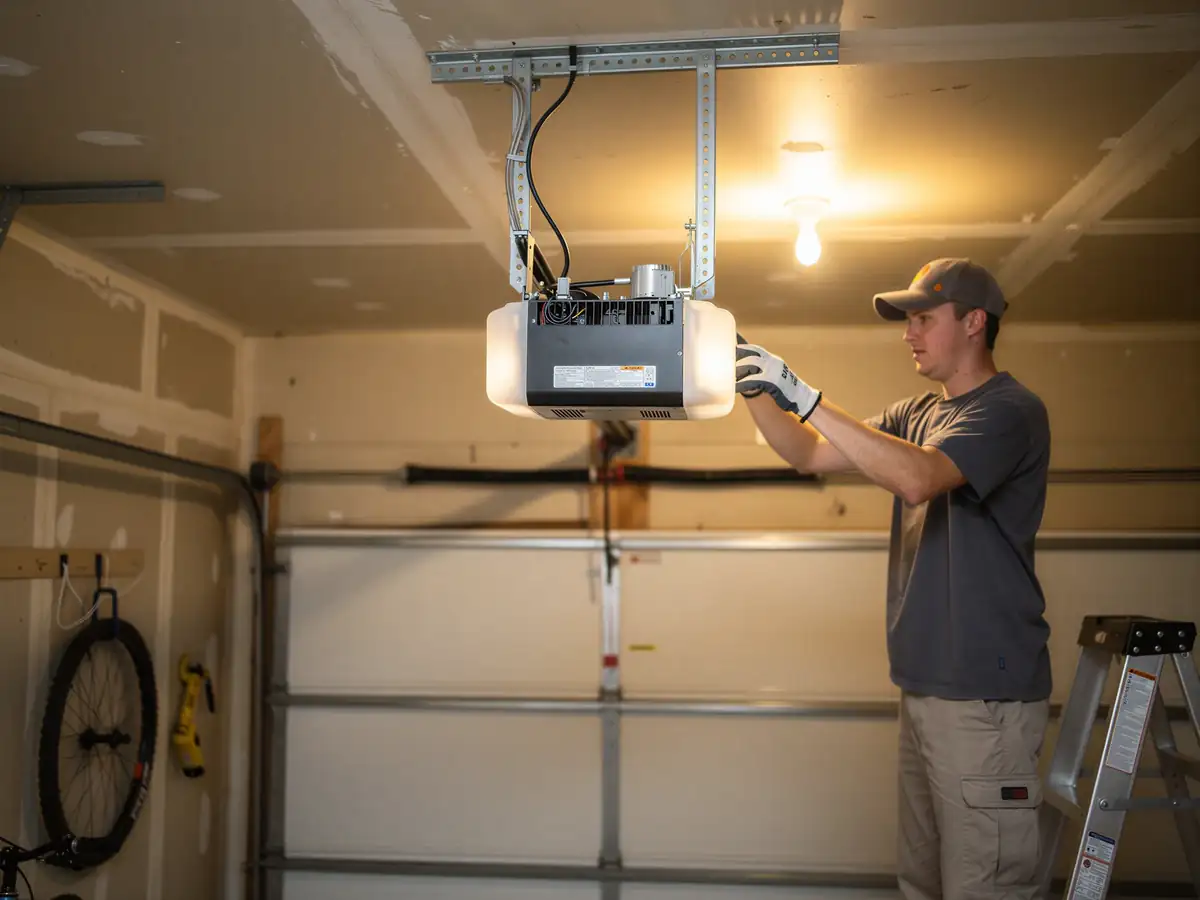
Don't. A garage door cable is holding back a spring under load, and the spring is what actually kills people working on these, not the cable itself. If a cable has already snapped, the door is now resting on whatever's left holding it - maybe the other cable, maybe just the track - and it can come down the rest of the way without warning. If you're waiting on us, block the opening, keep the opener unplugged so nobody tries to run the door, and leave the springs alone entirely. That's the one honest limit here: there's no DIY version of this job that doesn't involve a wound torsion spring, and that's not a place to improvise.
The Complications
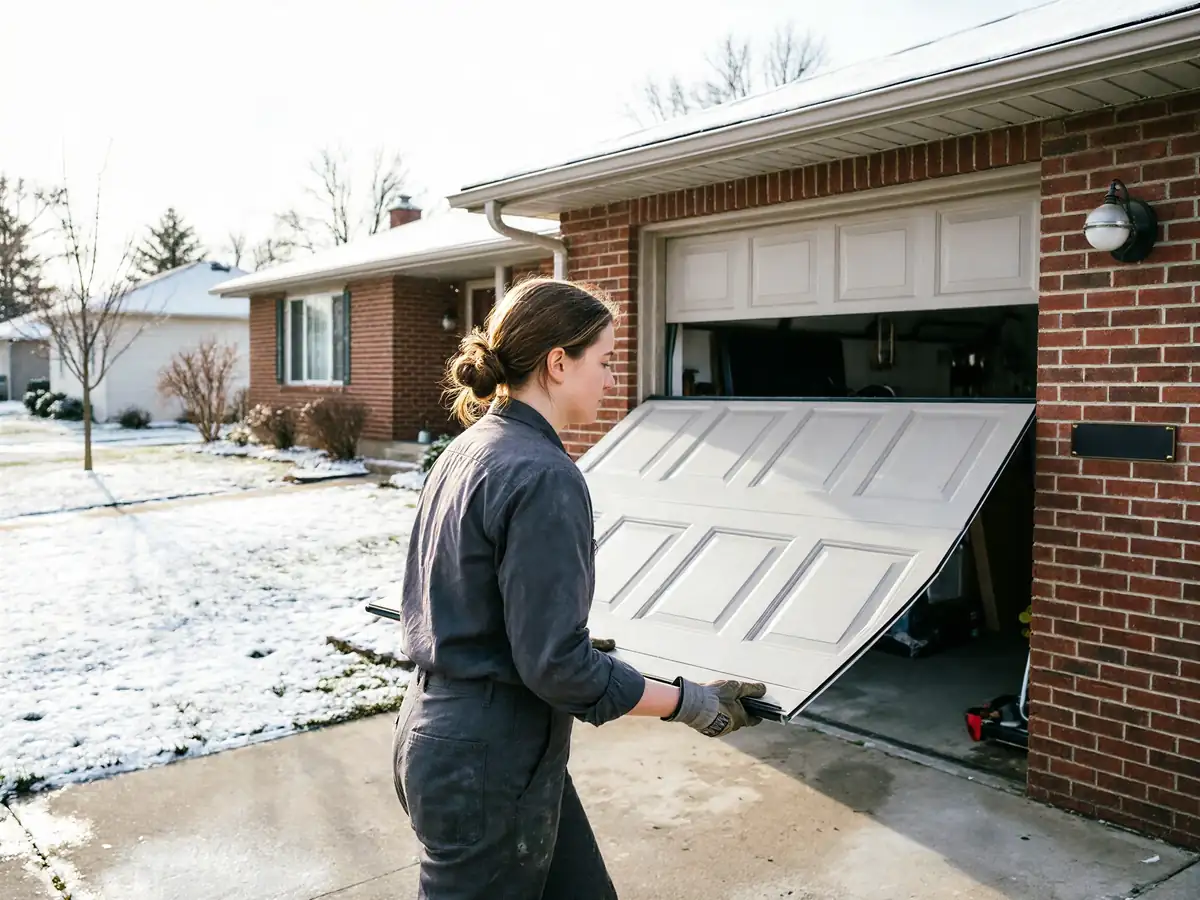
The complication we run into most in Avon is a door that's been limping along on one bad cable for weeks before the second one goes too, usually because nobody wanted to pull a car out of a two-car garage to deal with it. By then the track is bent, the roller's chewed up the jamb, and the fix is bigger than two cables. The other complication is the newer, heavier insulated doors common in this area - they're worth the extra cable gauge, but when the cable does fail, the door's heavier drop makes bent track and cracked bottom brackets more likely than on an older, lighter door. We'll tell you up front if what started as a cable call has turned into a track or panel job.