The Complications
Avon Lake is a nine-mile run from our shop in Lorain
Which is close enough that a call here doesn't turn into a half-day trip, but it still means we load the truck with a broader kit than a job five minutes from the shop would need. We can't promise a window down to the minute, since that depends on what's ahead of your call that day, but the drive itself isn't the bottleneck it would be for some of the farther towns on our list.
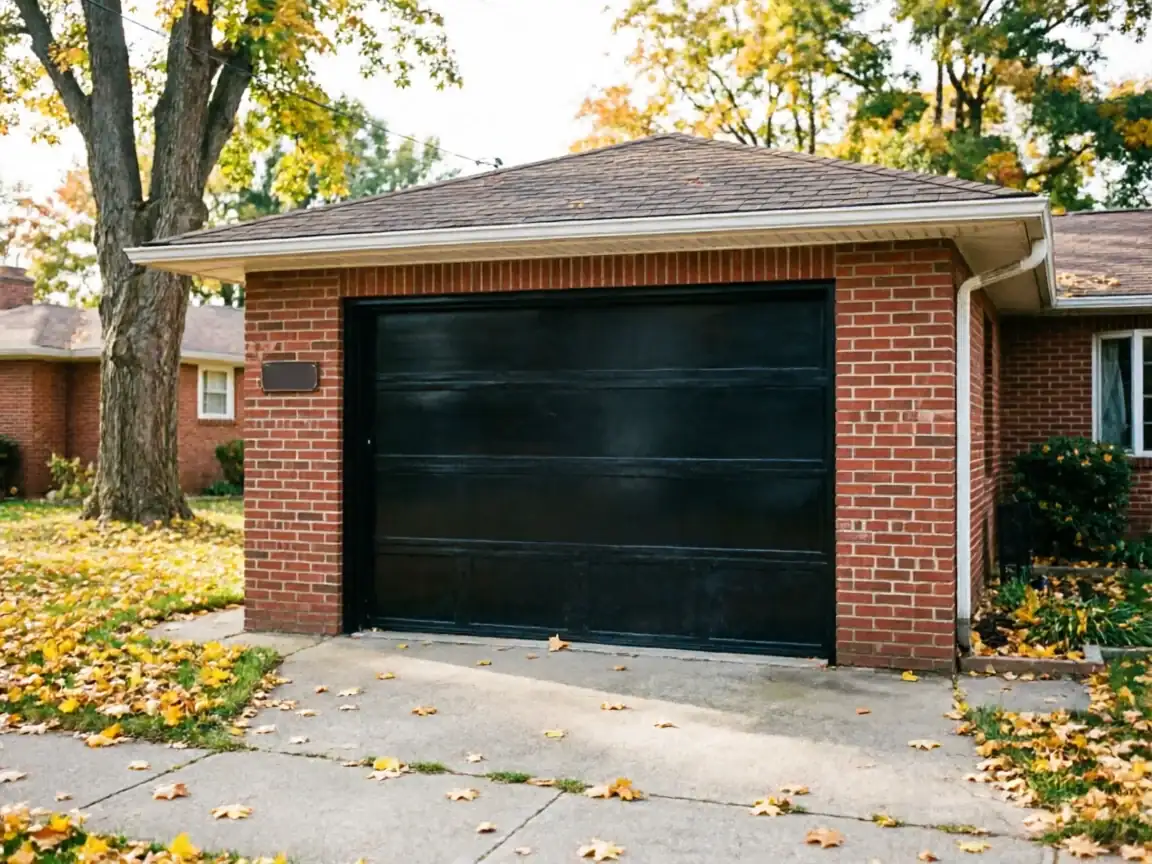
What's different about Avon Lake isn't the distance so much as the housing
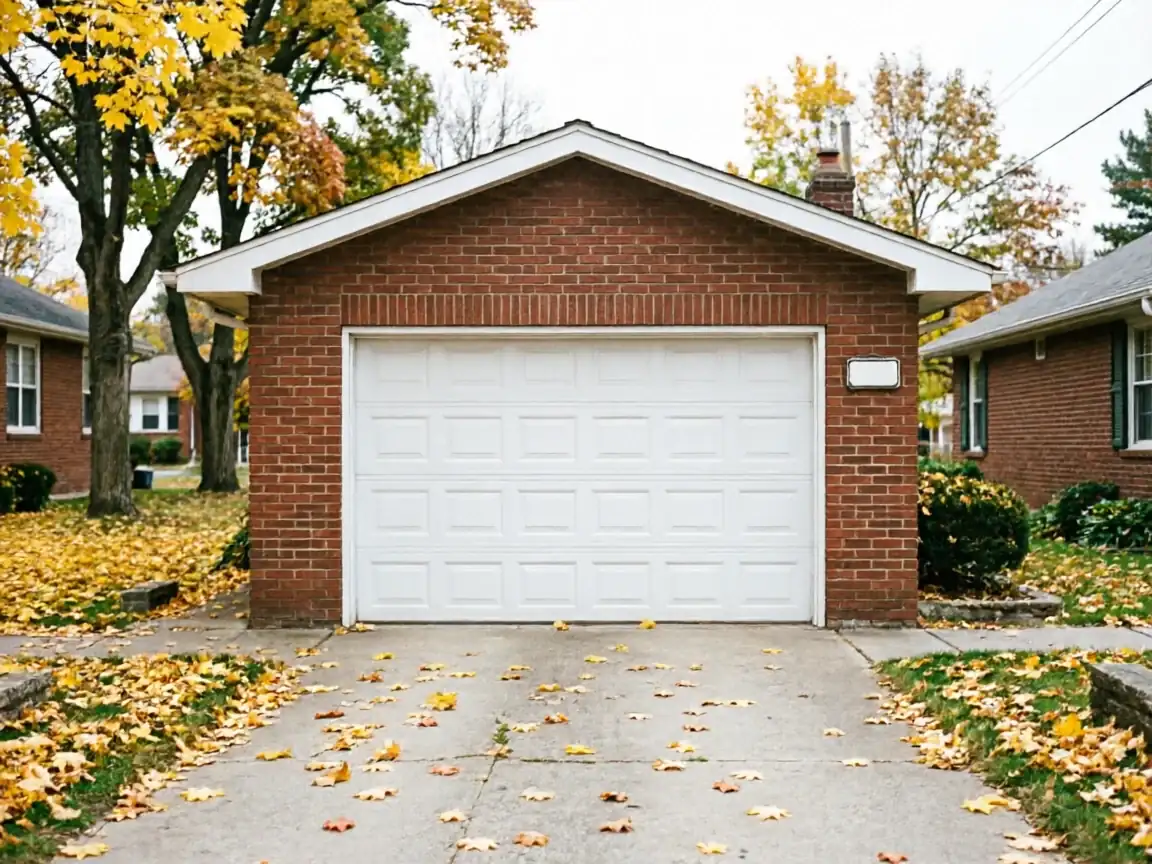
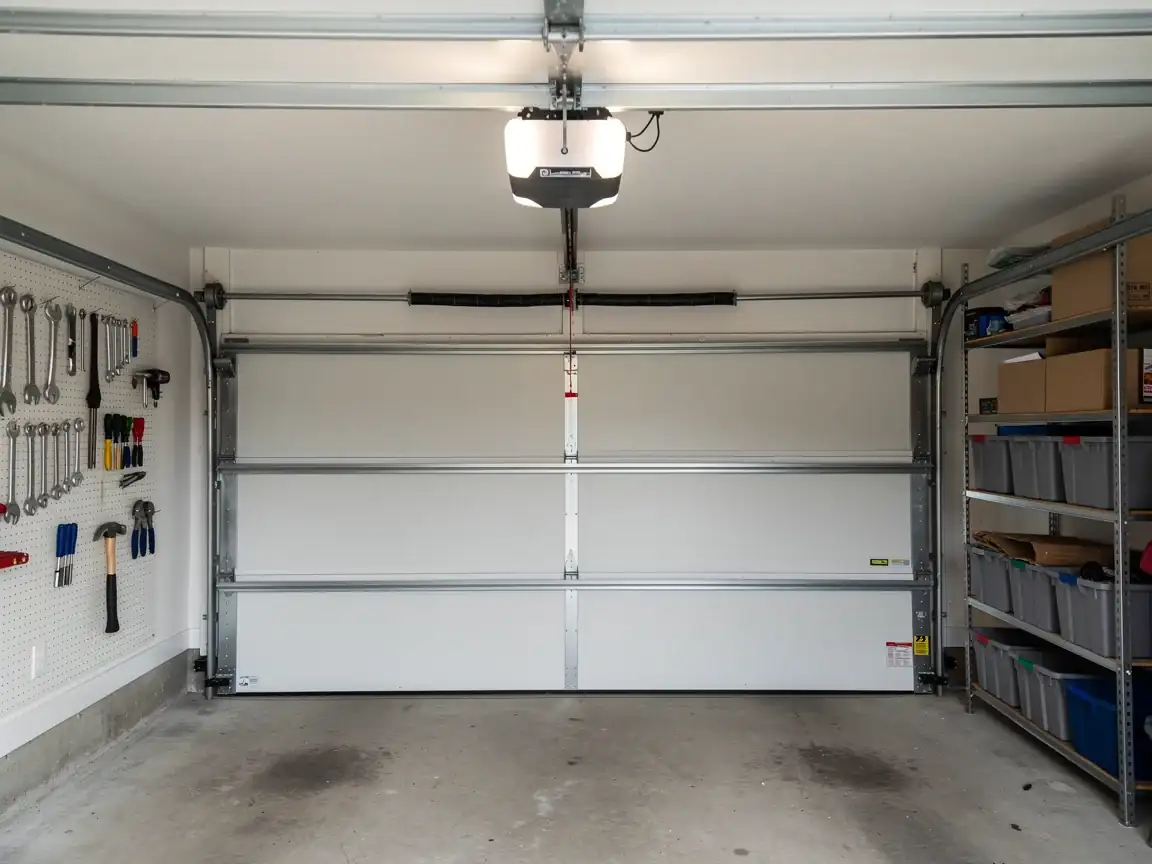
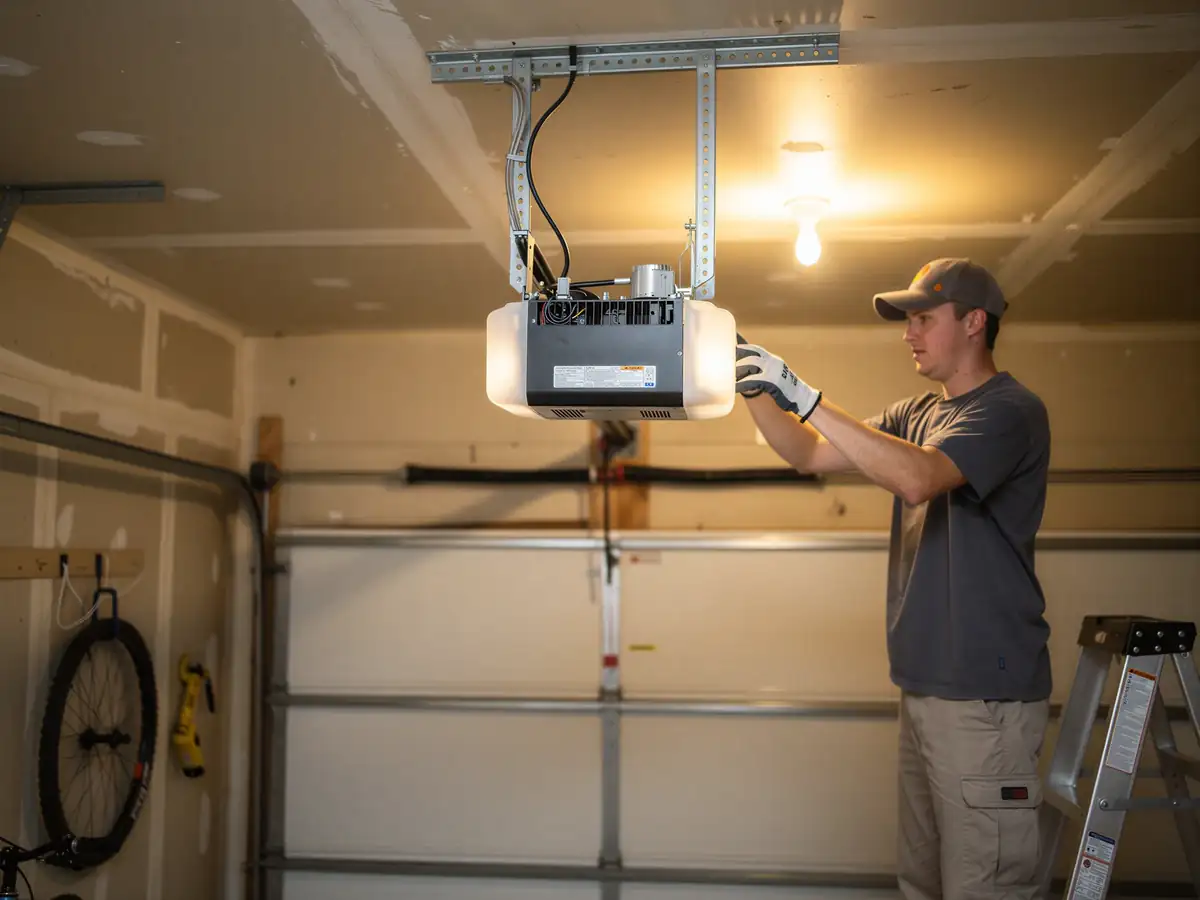
Median year built here runs around 1987, noticeably newer than the 1960s-70s stock that makes up most of the wider service area. That matters for openers because a house built in the late 80s or 90s usually came with a chain-drive unit on a circuit board, not the older relay-and-contact models you still find in the oldest pockets of Lorain County. The failure points are different: capacitors, logic boards, and travel sensors rather than worn-out gear sets on an ancient unit nobody services anymore.
Can You Do This Yourself
Some of this is reasonable to try. Reprogramming a remote, replacing batteries in a wall console, or clearing a dirty photo-eye sensor lens are jobs most homeowners can do with a screwdriver and ten minutes. If your door reverses before it touches the floor, check the sensors first - it's usually dirt or a knocked-out-of-alignment bracket, not a dead board.
Where we'd tell you to stop: anything involving the logic board itself, the high-voltage side of the unit, or a motor that hums but won't turn the shaft. Those jobs need a meter and some diagnosis, and guessing wrong on a circuit board repair usually means buying a new opener anyway after you've already spent money on parts that didn't fix it.
Parts We Carry
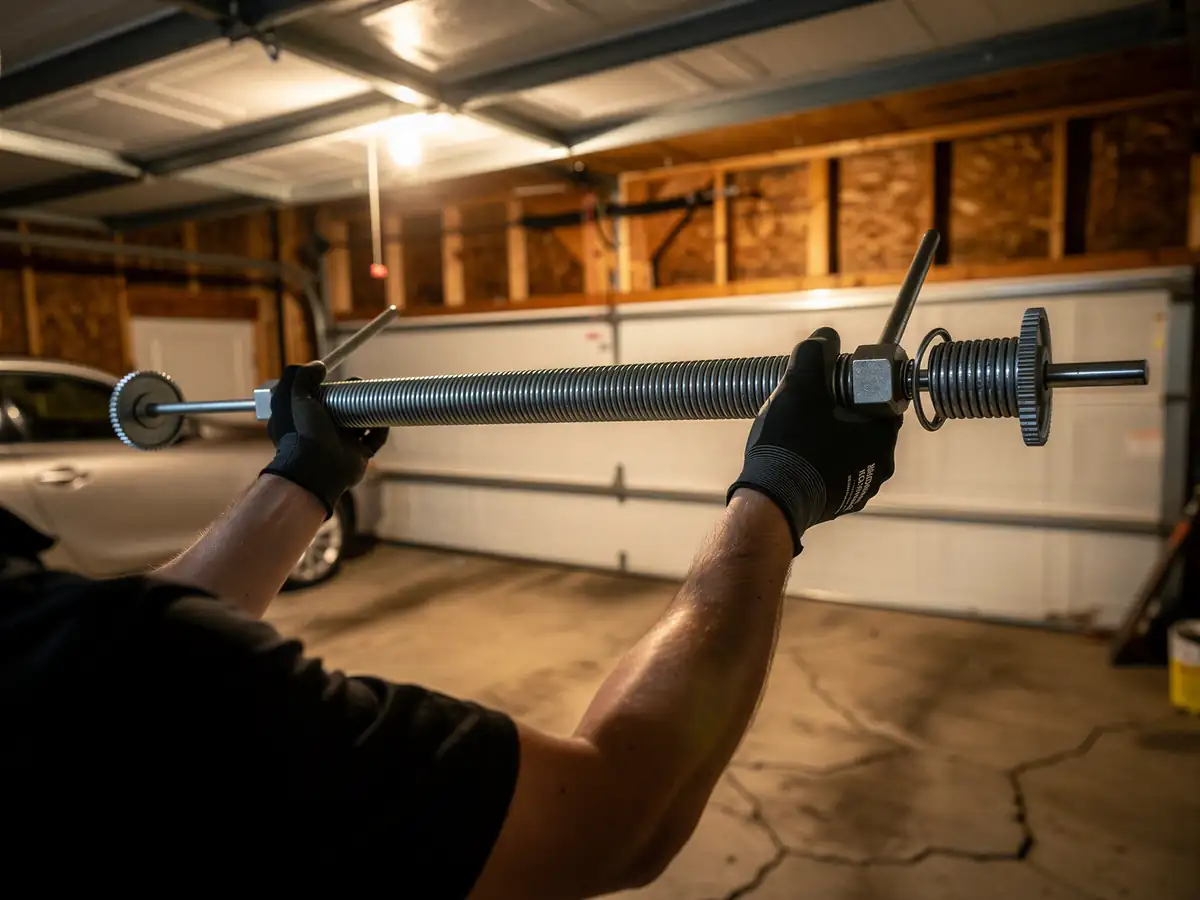
We carry logic boards, capacitors, drive gears, belts, chains, and sensor pairs that fit the chain and belt-drive openers common in homes built from the late 1980s through the 2000s - which covers most of Avon Lake's housing. We also stock remotes and wall consoles for the major brands sold in that era.
What we don't always have on the truck is a board for a very old relay-logic opener, the kind you'd find in a house from the 1940s or 50s. Those parts are getting scarce industry-wide, and sometimes the honest answer is that replacement makes more sense than hunting down a discontinued board. Avon Lake's newer housing stock means we hit that wall less often here than in some of the county's older neighborhoods.
How Long You Are Without the Door
Most opener repairs, once we're on site, run under two hours
A board swap, a sensor realignment, a belt replacement. The bigger variable is whether the part is one we're already carrying. For the chain and belt-drive units common in Avon Lake's 1980s-and-newer homes, that's usually yes, since those are the parts we stock heaviest.
If your opener turns out to be an older or less common model, we may need to order a part
And that can push the job to a second visit. We won't know which case you're in until we're looking at the unit, so we'd rather tell you that upfront than promise a timeline we can't back up.
What the Fix Involves
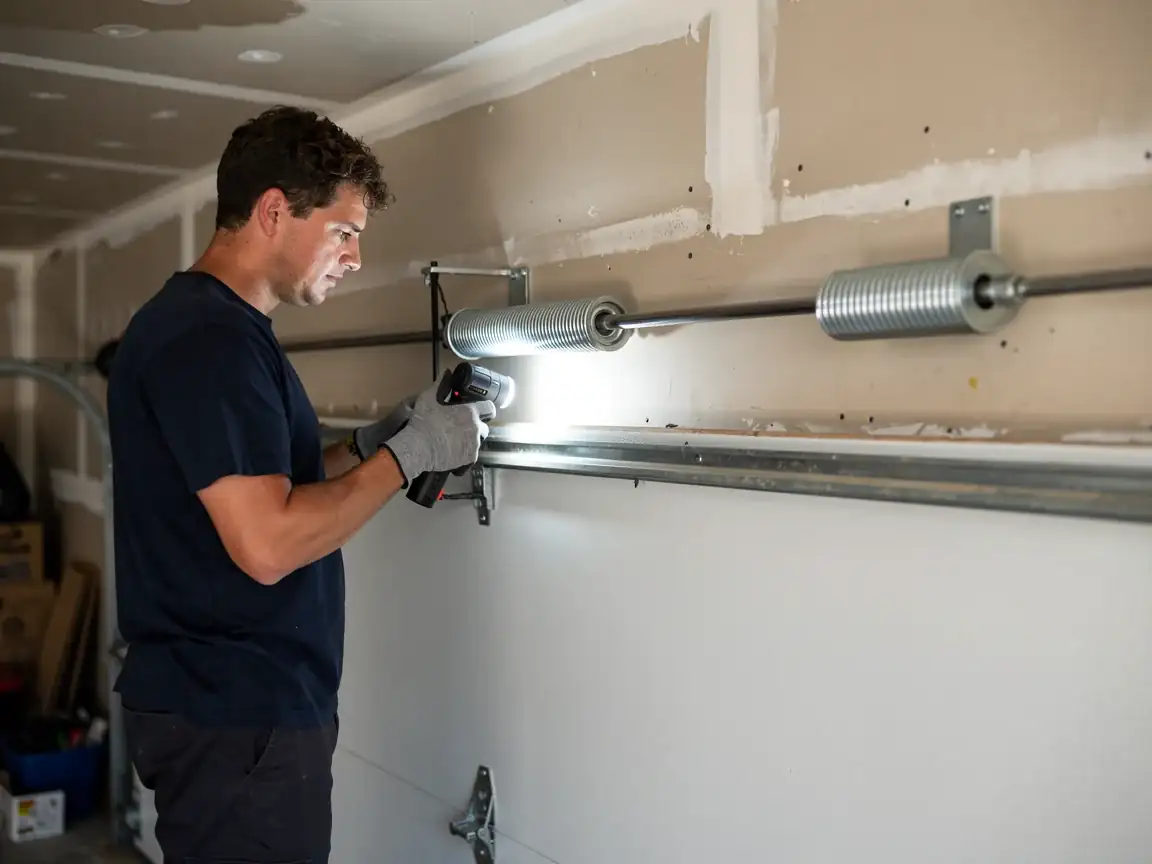
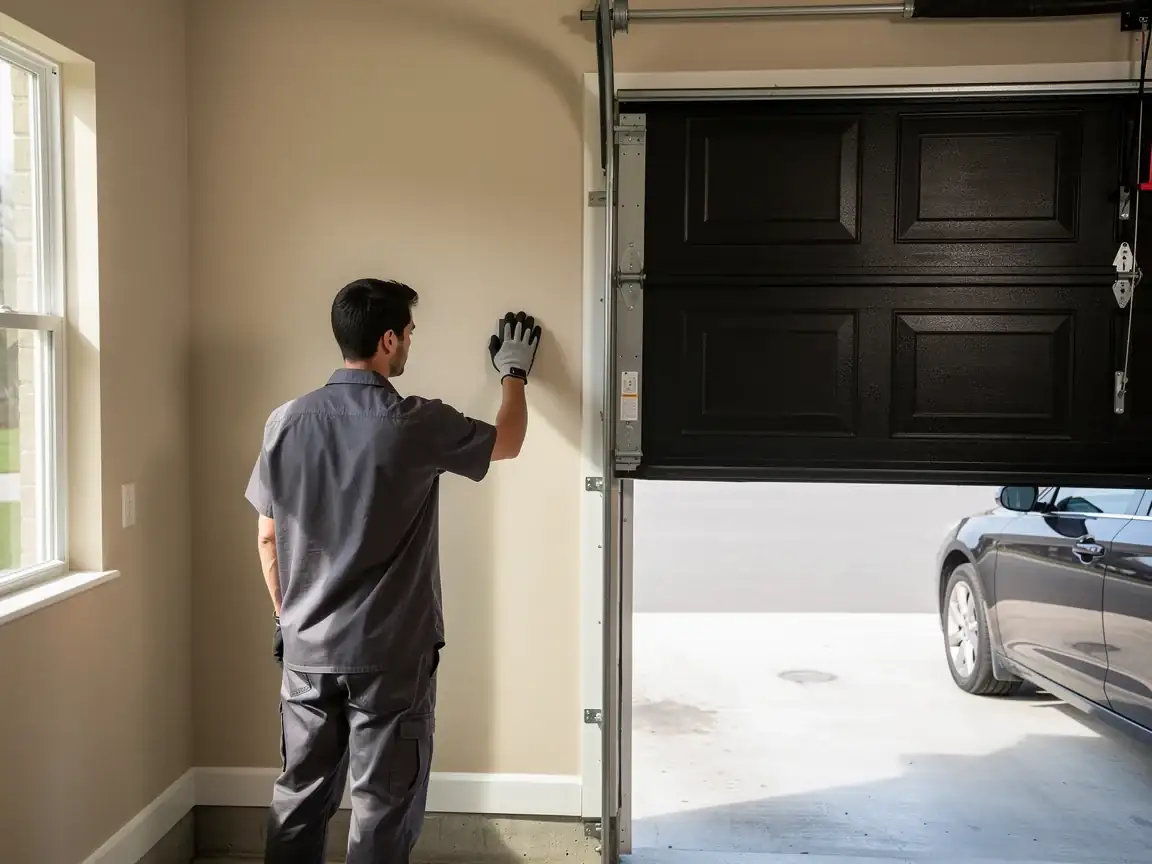
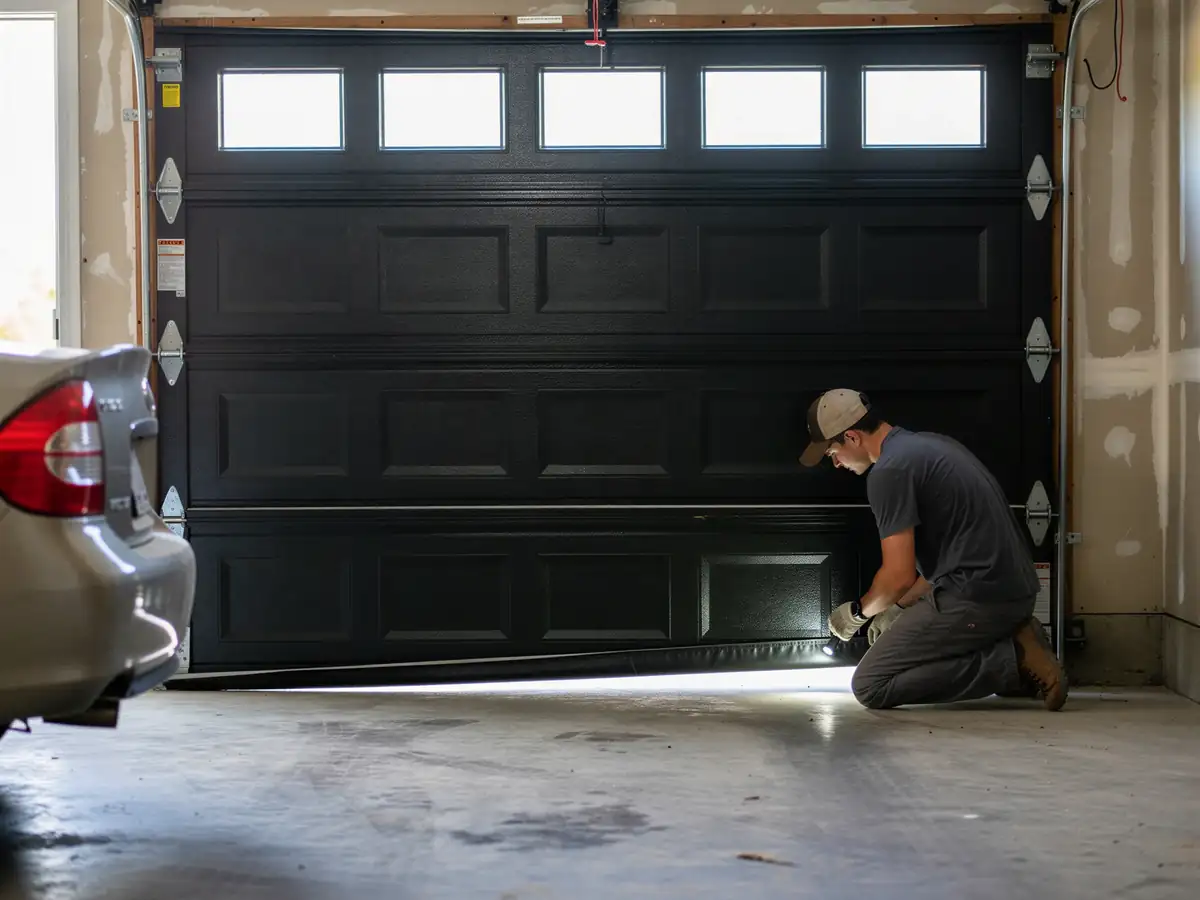
We start by running the door through a full cycle and watching what it does - where it hesitates, whether the light blinks a fault code, whether the sensors are lined up. On a circuit-board-era opener, that diagnosis often points straight at a bad capacitor or a board that's failed outright, which is a swap, not a rebuild.
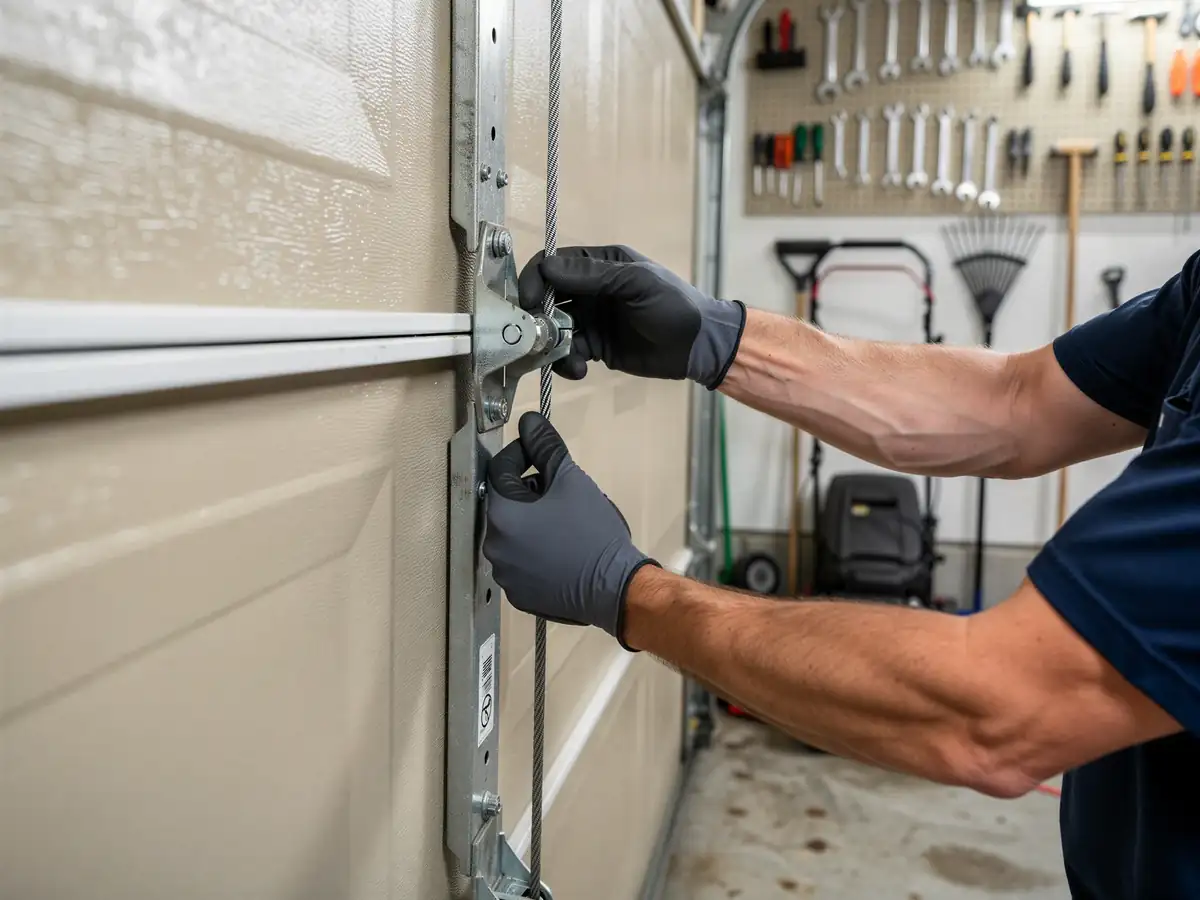
If it's a mechanical issue - a stripped gear, a chain that's jumped a tooth, a worn belt - we replace the part and re-set the travel limits so the door closes fully and reverses correctly on an obstruction. We test the safety reversal before we leave, every time, because that's not optional on a door that shares a wall with where people park.
The Cost of This Job
We don't have a fixed price to quote without seeing the opener, since a sensor fix and a board replacement aren't the same job or the same cost. What we can say is that for the newer chain and belt-drive units common in Avon Lake, we're usually pulling from parts we already stock, which keeps the job to one visit rather than two. We'll give you a number before we start work, not after.